

5 Ways to Style a Revolve Dress for Every Season
Fashion transcends mere clothing; it is a dynamic language of self-expression that adapts to the rhythms of nature. A single, versatile piece can become the cornerstone of a year-round wardrobe, morphing with the climate and occasion. The Revolve dress, renowned for its curated selection of contemporary designs, offers precisely this potential. This article dismantles the notion of seasonal fashion limitations, presenting five definitive methods to style a Revolve dress that will carry you with confidence and flair from spring’s bloom through winter’s chill. We will move beyond subjective style tips, anchoring our advice in principles of design, textile science, and the psychology of dressing, ensuring each look is not only beautiful but intelligently constructed.
1. The Art of Layering: Spring’s Transitional Masterpiece
Spring weather is famously capricious—a sunny morning can swiftly turn into a breezy afternoon. This season demands a strategy built on adaptability, making layering not just a style choice but a practical necessity. The core principle here is to use your Revolve dress as the foundational canvas. Begin with a lightweight, breathable dress, often in fabrics like cotton voile or linen blends, which are celebrated for their moisture-wicking properties and comfort during temperate fluctuations. Over this, the introduction of a structured denim or tailored leather jacket creates a juxtaposition of soft and hard textures, a technique frequently employed by designers like Phoebe Philo during her tenure at Céline, who championed “intelligent layering” for modern women. The scientific rationale involves creating insulating air pockets between layers, a concept in textile engineering that regulates body temperature effectively. For the lower half, consider opaque tights in a complementary hue, which extend the dress’s wearability into cooler days without sacrificing the silhouette. Footwear should bridge seasons: ankle boots with a moderate heel or sleek white sneakers offer both stability and style. The final touch, a lightweight scarf, serves a dual purpose. As fashion historian Valerie Steele notes in her publications for the Fashion Institute of Technology, accessories like scarves have historically been used to add color and texture while providing micro-climate control for the neck and chest area. This ensemble isn’t just about adding pieces; it’s about creating a cohesive, functional outfit where each layer has a purpose, allowing your dress to shine as the central element while gracefully contending with spring’s unpredictability.
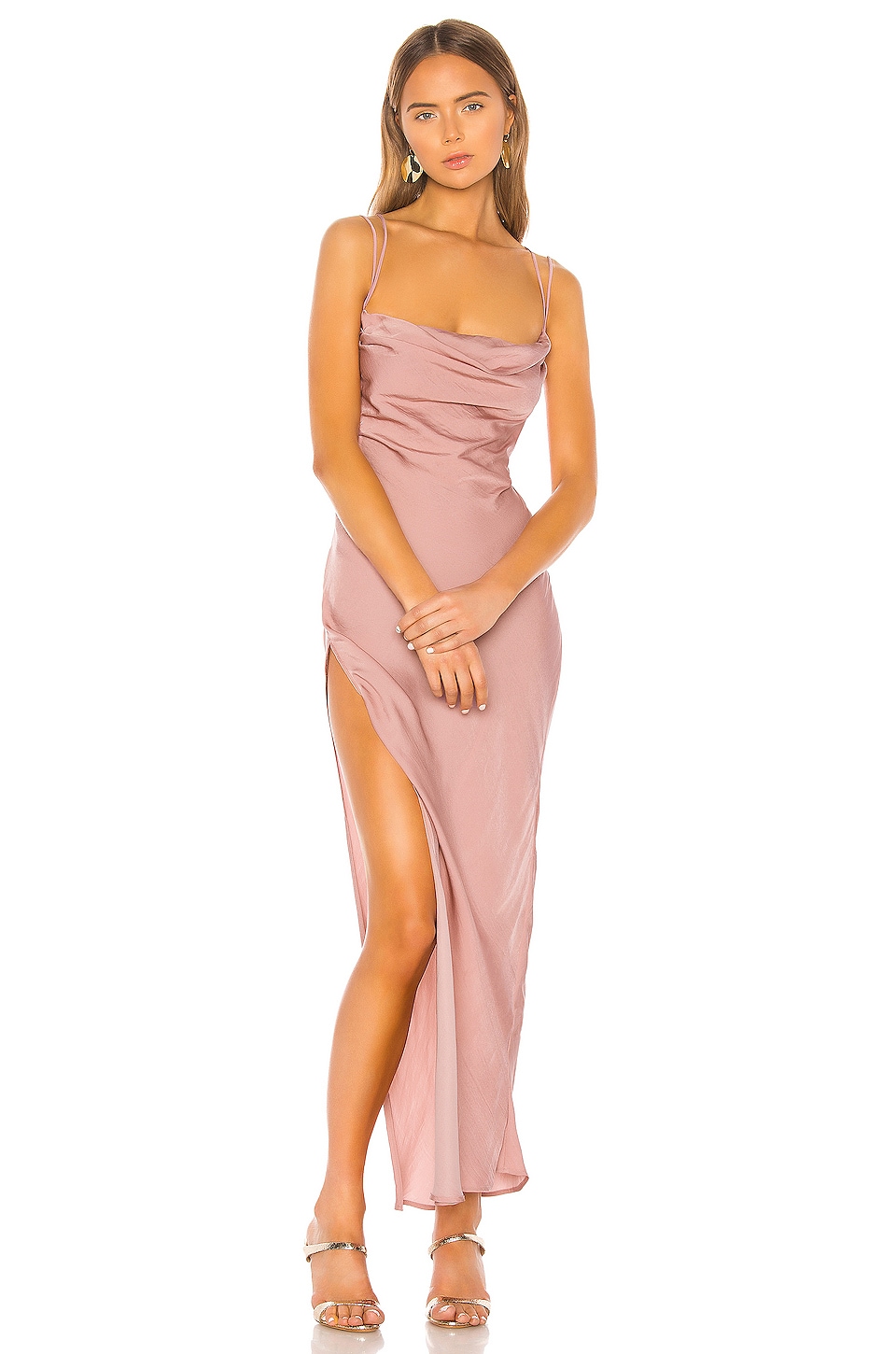
2. Minimalist Accessorizing: Embracing Summer’s Effortless Radiance
Summer style philosophy, as echoed by figures from Audrey Hepburn to the modern ethos of brands like The Row, champions the beauty of simplicity and breathability. The goal is to look polished while feeling unencumbered by heavy fabrics or complicated outfits. Your summer Revolve dress, likely in silk, chiffon, or high-quality cotton, is designed to flow and catch the breeze. The styling strategy here is reductive. Over-accessorizing can clash with the season’s vibrant energy and lead to visual—and physical—overheating. Instead, focus on singular, statement pieces that align with principles of minimalist design, which emphasizes function, clean lines, and intentionality. A wide-brimmed hat is not merely a photogenic prop; dermatological research consistently highlights its critical role in providing shade and protecting the face and décolletage from UV radiation, a leading cause of premature skin aging. Similarly, a pair of oversized sunglasses, beyond their aura of glamour, offer essential eye protection. Choose minimalist sandals—strappy leather flats or low block heels—that elevate the look without compromising comfort for long, sun-drenched days. When it comes to jewelry, the “one statement piece” rule applies. A bold cuff bracelet or a pair of sculptural earrings draws attention without weighing you down. This approach leverages the psychological concept of “peak-end rule,” where a single strong positive element (the statement accessory) defines the memory of the entire outfit. The dress itself, in a vibrant floral or a solid, sun-reflective pastel, remains the undisputed star, with every other element serving to frame it subtly, proving that less, when carefully curated, is exponentially more.

3. Textural Contrast and Rich Hues: The Autumnal Transformation
Autumn invites a sensory shift in fashion, moving from summer’s airy lightness to a palette and texture that reflect the earthy, rich transformation of the landscape. This is the season to experiment with depth and tactile contrast. A midi or maxi Revolve dress in a jewel tone—emerald, burgundy, or mustard—forms a perfect base. The scientific explanation for our attraction to these hues in fall is partly cultural and partly visual; they complement the natural oranges, browns, and reds of the environment, creating a harmonious aesthetic, a concept often explored in color theory. The transformative styling move is the addition of textural layers. A chunky knit cardigan or a soft teddy coat thrown over the shoulders introduces a cozy, voluminous element against the dress’s likely smoother fabric. This play on texture is a cornerstone of interior and fashion design, creating visual interest and a sense of comfort. Footwear becomes more substantial: suede ankle boots or leather loafers ground the outfit. Tights, perhaps in a sheer black or a daring mesh pattern, add both warmth and a layer of sophistication. Don’t shy away from accessories that echo the season—a leather belt to cinch the waist, a felt fedora, or a bag in rich brown or tan. As author and style consultant Nancy MacDonell suggests, autumn dressing is about “building a narrative” with your clothes, where each piece contributes to a story of warmth, preparation, and rustic elegance. The dress is no longer a standalone summer item but becomes the lush, colored canvas upon which the story of fall is built.
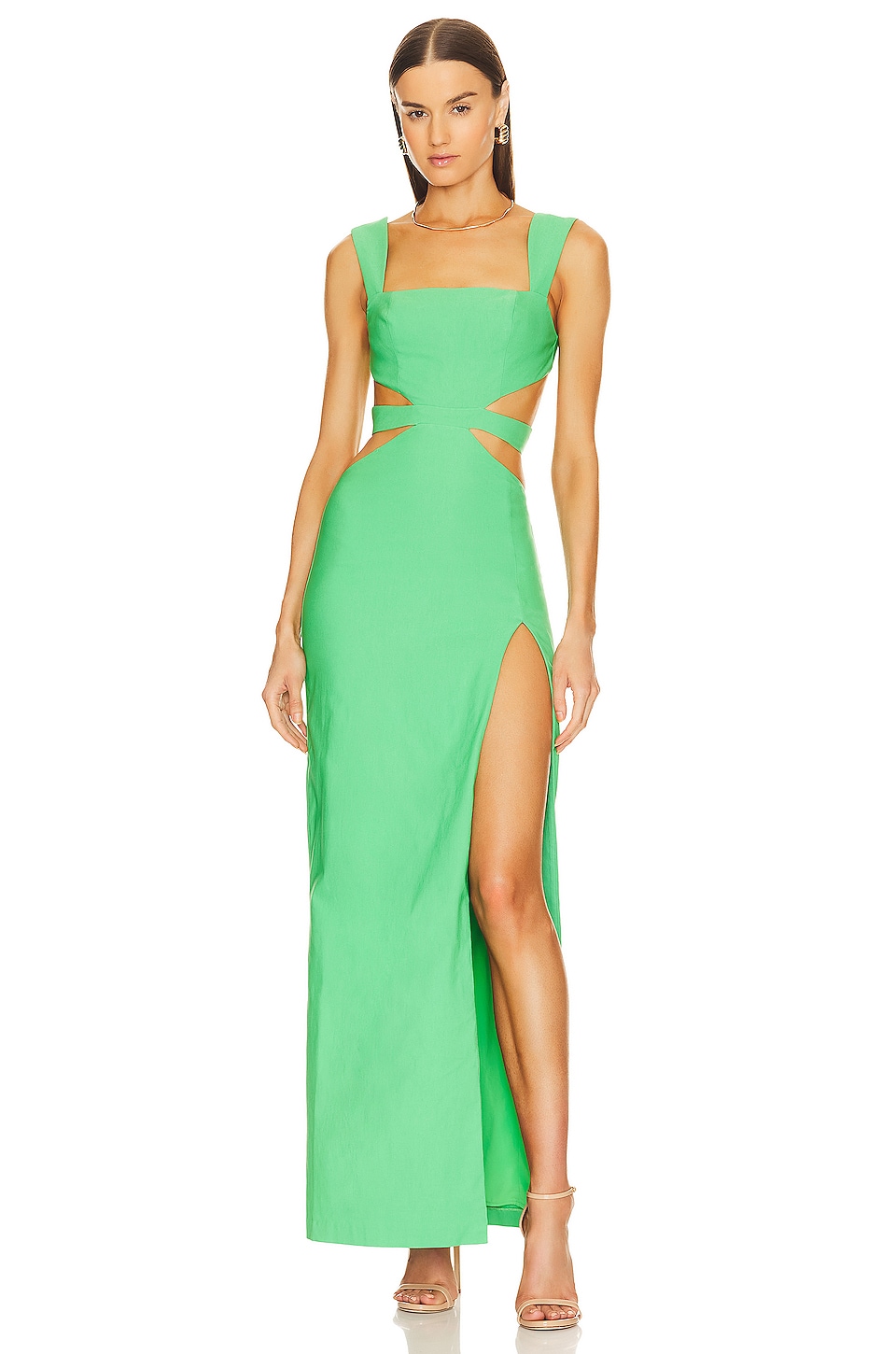
4. Strategic Insulation and Sleek Silhouettes: Mastering Winter Elegance
The common misconception is that dresses are relegated to the back of the closet in winter. This is a stylistic misstep. With strategic insulation, a Revolve dress can form the core of your most elegant cold-weather ensembles. The key lies in understanding thermal layering and silhouette preservation. Start with a dress in a warmer fabric like wool crepe, velvet, or a thick knit. The first, non-negotiable layer is base-layer thermals, a technology borrowed from performance outdoor wear. Modern thermal wear, often made from merino wool or synthetic blends like polypropylene, is designed to wick moisture and retain heat without adding bulk, a fact well-documented in textile science literature from institutions like the University of Leeds. Over the dress, the outer layer must be both insulating and stylish. A long, tailored wool coat or a sleek puffer jacket maintains a streamlined shape. The importance of keeping the neckline warm cannot be overstated—a turtleneck worn underneath the dress (if the cut allows) or a substantial scarf prevents heat loss. Opaque, heavyweight tights are essential, with fleece-lined options offering superior warmth. Footwear transitions to knee-high boots, which provide additional leg insulation. The magic of this approach is that it defies the bulky winter stereotype. As fashion director Lucinda Chambers once remarked, “Winter dressing should be about sharp shapes and rich fabrics, not just hiding from the cold.” By treating the dress as the middle layer in a sophisticated thermal system, you achieve an outfit that is as scientifically effective as it is visually compelling, proving that winter elegance is entirely achievable.
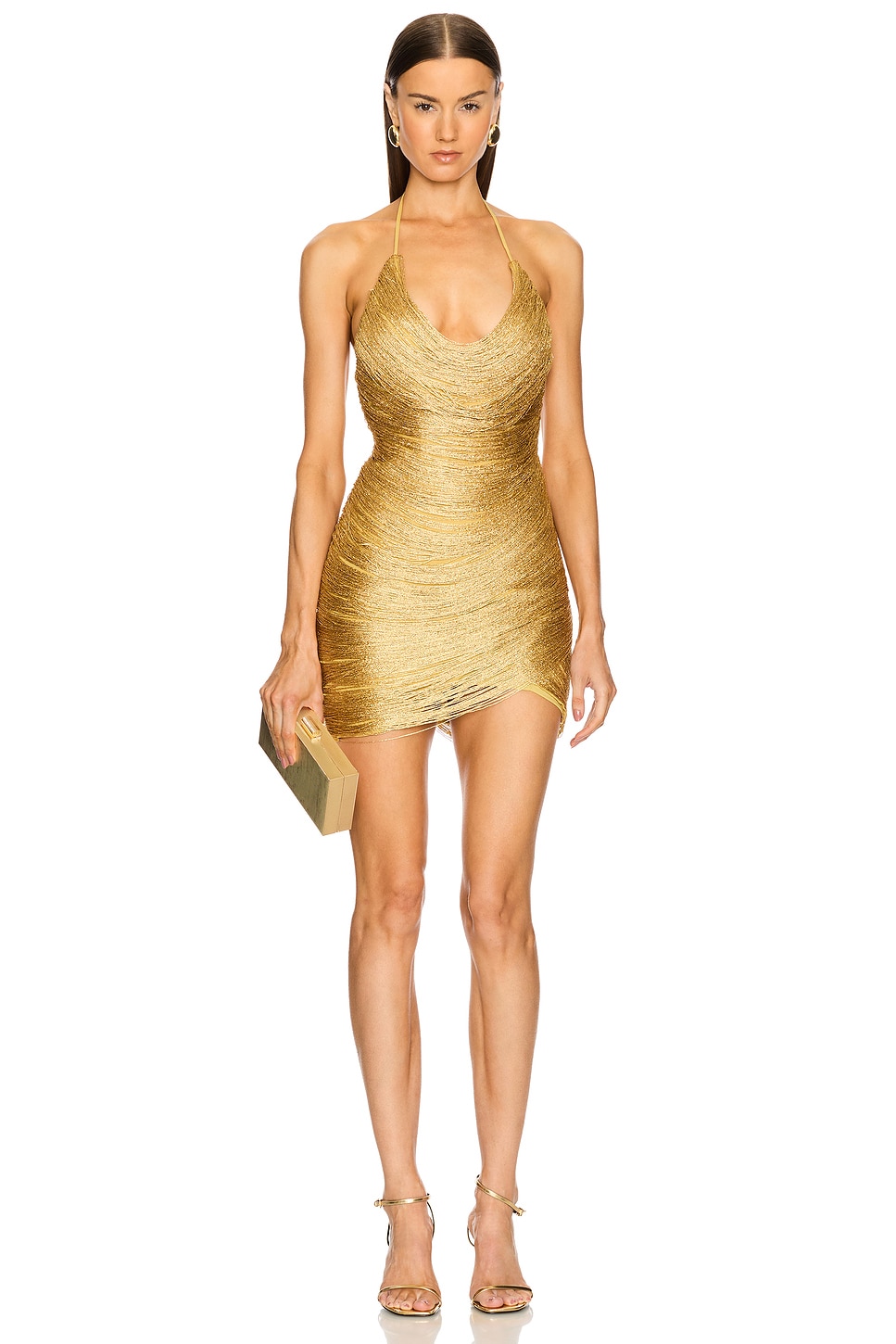
5. The Power of the Statement Piece: Defying Seasonal Conventions
Finally, we arrive at a method that liberates you from seasonal prescriptions altogether: building your look around a transformative statement piece. This philosophy is about intentional anachronism and personal expression. Choose your Revolve dress—its seasonality becomes irrelevant. The power shifts to a single, commanding accessory that dictates the outfit’s mood and defies the weather outside. This could be an artisanal, heavyweight necklace that turns a simple slip dress into gallery-ready attire, a technique often seen in the editorials of Vogue and Harper’s Bazaar. It could be a pair of extravagant, embellished boots that clash poetically with a floral spring dress in the dead of winter, embracing a “clash-core” aesthetic popularized by fashion iconoclasts. Alternatively, a dramatic, architectural blazer worn over a summer sundress immediately creates a look suited for a fall board meeting or a chic evening out. The psychological underpinning of this approach is rooted in self-determination theory; it allows the wearer to express autonomy and creativity, using fashion as a tool for mood-setting rather than weather-compliance. As designer Virgil Abloh famously stated, “I’m interested in the archetype and then twisting it.” Your dress is the archetype; the statement piece is the twist. This method requires confidence but offers the highest reward: a truly unique, personality-driven style that makes the dress a versatile player in your wardrobe, ready for any season, any occasion, any version of yourself you wish to present.
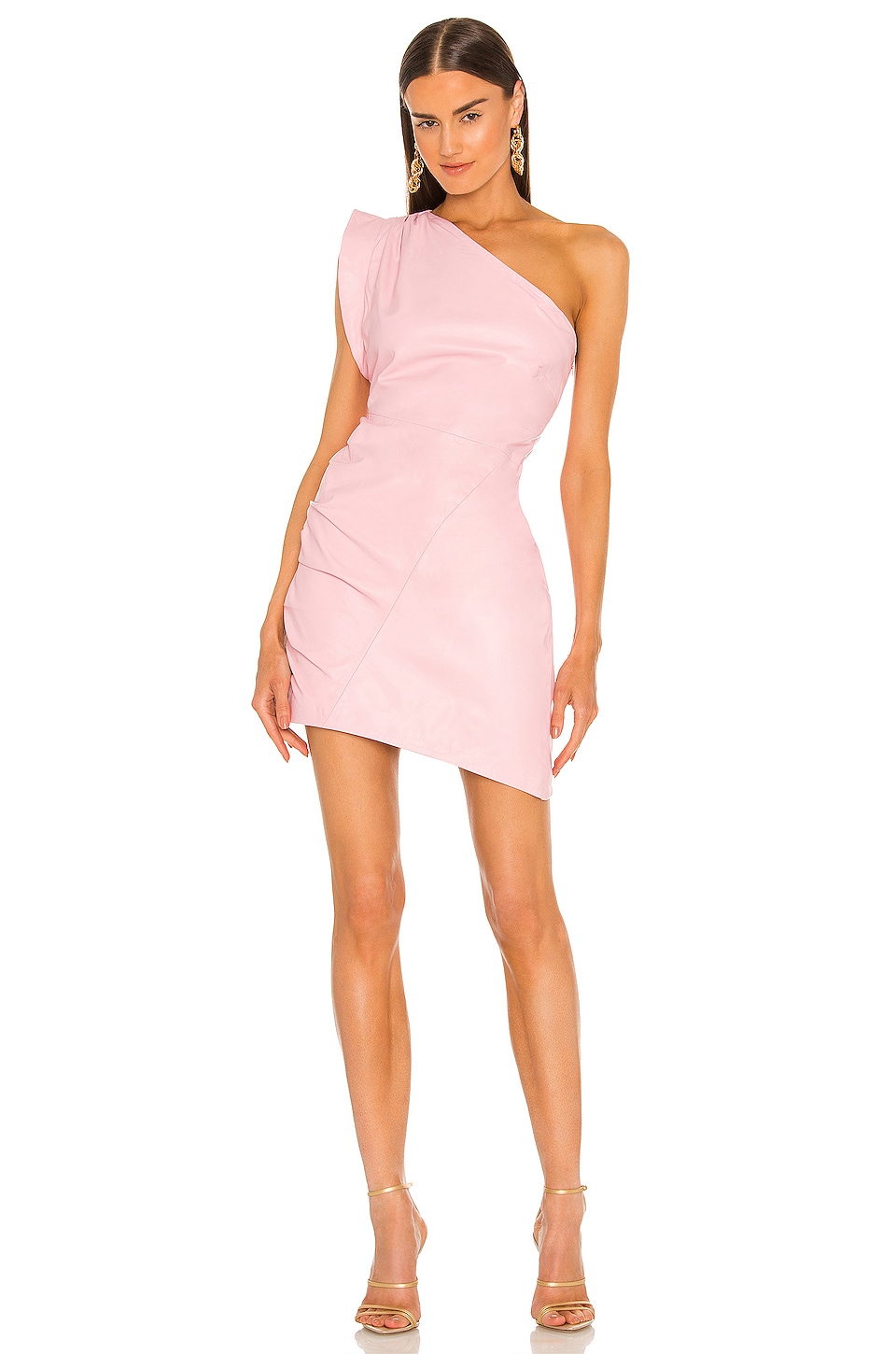
Mastering these five approaches does more than expand your wardrobe options; it cultivates a more mindful and creative relationship with your clothing. Each Revolve dress you own holds multitudes of potential, waiting to be unlocked through layering, minimalist pairing, textural play, strategic warming, or bold accessorizing. This is not about constant consumption, but about intelligent styling—a practice that is both economically savvy and environmentally considerate. By applying these principles, you invest in versatility and longevity, ensuring your favorite pieces deliver value and style across all 365 days of the year.