

Effortless Elegance: Top Short Homecoming Dress Styles for Every Fashionista
The homecoming dance is a celebration of community, spirit, and personal style. It’s an event where fashion serves as a vibrant expression of individuality, yet navigating the perfect look can feel daunting. For the modern fashionista, the quest isn’t for the most ornate gown but for a piece that embodies confidence, movement, and a distinct point of view. This is where the short homecoming dress ascends from a mere option to a style manifesto. It represents a deliberate choice—a blend of playful sophistication and unapologetic ease that allows personality to take center stage. Far from being a simple garment, a well-chosen short dress is an exercise in curated elegance, balancing design principles with personal flair to create a look that is both timeless and thrillingly of-the-moment.
The Architectural Foundation: Silhouette and Proportion
Before sequins catch the light or silk touches the skin, the success of a short homecoming dress is built upon its architecture: silhouette and proportion. These are the objective, scientific principles that determine how a dress interacts with the body and space. Silhouette refers to the overall shape or outline of the garment—think A-line, fit-and-flare, bodycon, or shift. Each creates a distinct visual language. An A-line dress, widening from the shoulders or waist, is rooted in mid-20th century design principles popularized by Christian Dior’s “New Look,” offering a universally flattering, balanced proportion that evokes a classic, feminine grace. In contrast, the bodycon silhouette, a term derived from “body conscious,” follows the natural contours of the form. Its effectiveness relies on precise tailoring and fabric tension, concepts studied in textile engineering to ensure both aesthetic appeal and comfort. Proportion, meanwhile, deals with the relationship between different parts of the dress and the wearer’s body. The length of a short dress—typically ending mid-thigh—creates a specific leg-to-torso ratio that can elongate the figure. Designers often employ the “rule of thirds,” a principle borrowed from visual arts, to place waistlines or embellishments at points that optically enhance stature. Understanding these foundations isn’t about following rigid rules, but about empowering choice. When you know that a fit-and-flare cinches at the waist before flaring out, you can select it to create an hourglass illusion, a style famously championed by icons like Audrey Hepburn, whose Givenchy dresses were masterclasses in balanced proportion.

Texture and Light: The Dialogue of Materials
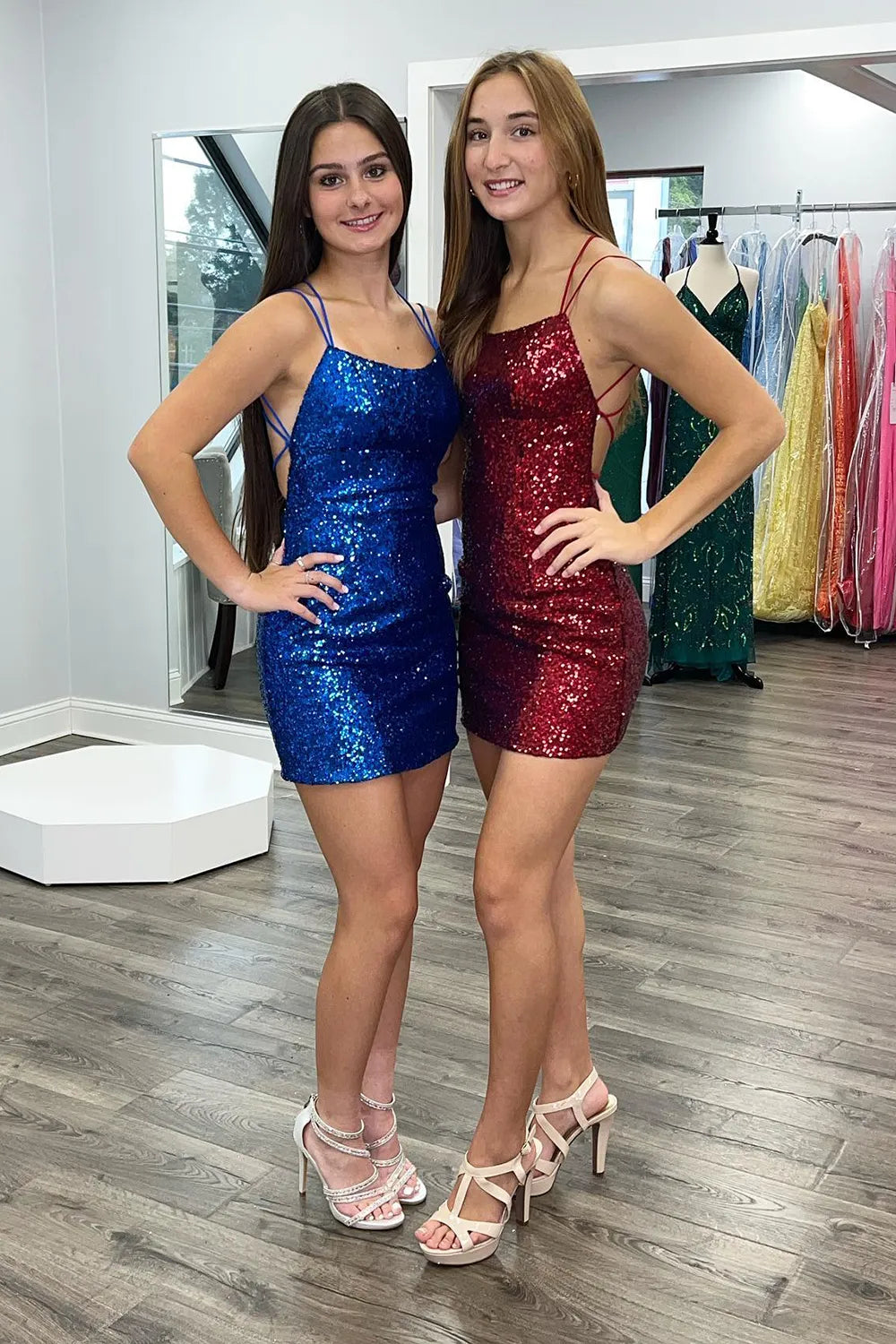
Once the silhouette sets the stage, texture and materiality begin a captivating dialogue with light, transforming a dress from a shape into a sensation. This is where objective quality becomes palpable. Consider sequins, a perennial favorite for homecoming. Scientifically, sequins are small, reflective disks that create specular highlights—sharp, bright points of reflected light. Their arrangement and base color (like the cool silver in our example image) dictate whether the effect is a subtle shimmer or a dazzling disco-ball radiance. As fashion historian Valerie Steele notes in her work for The Museum at the Fashion Institute of Technology, “Sequins have a unique ability to capture and manipulate light, making the wearer a dynamic part of the environment.” Conversely, velvet offers a completely different interaction. Its pile—the dense, cut fibers on its surface—absorbs light, creating a deep, rich, and luminous matte finish. This play of light and shadow adds a tactile, almost regal dimension to a short homecoming dress. Then there is chiffon or tulle, often used in overlays or accents. These materials engage with light through transmission and diffusion, creating softness and ethereal volume. The choice of fabric is not merely aesthetic; it’s ergonomic and sensory. A structured satin will hold its shape through hours of dancing, while a stretch-jersey blend offers unparalleled movement. This knowledge brings a professional edge to your selection. You’re not just picking a “sparkly dress”; you’re choosing how you will interact with the light, the air, and the energy of the night.
Color as Psychology: Beyond Simple Hues
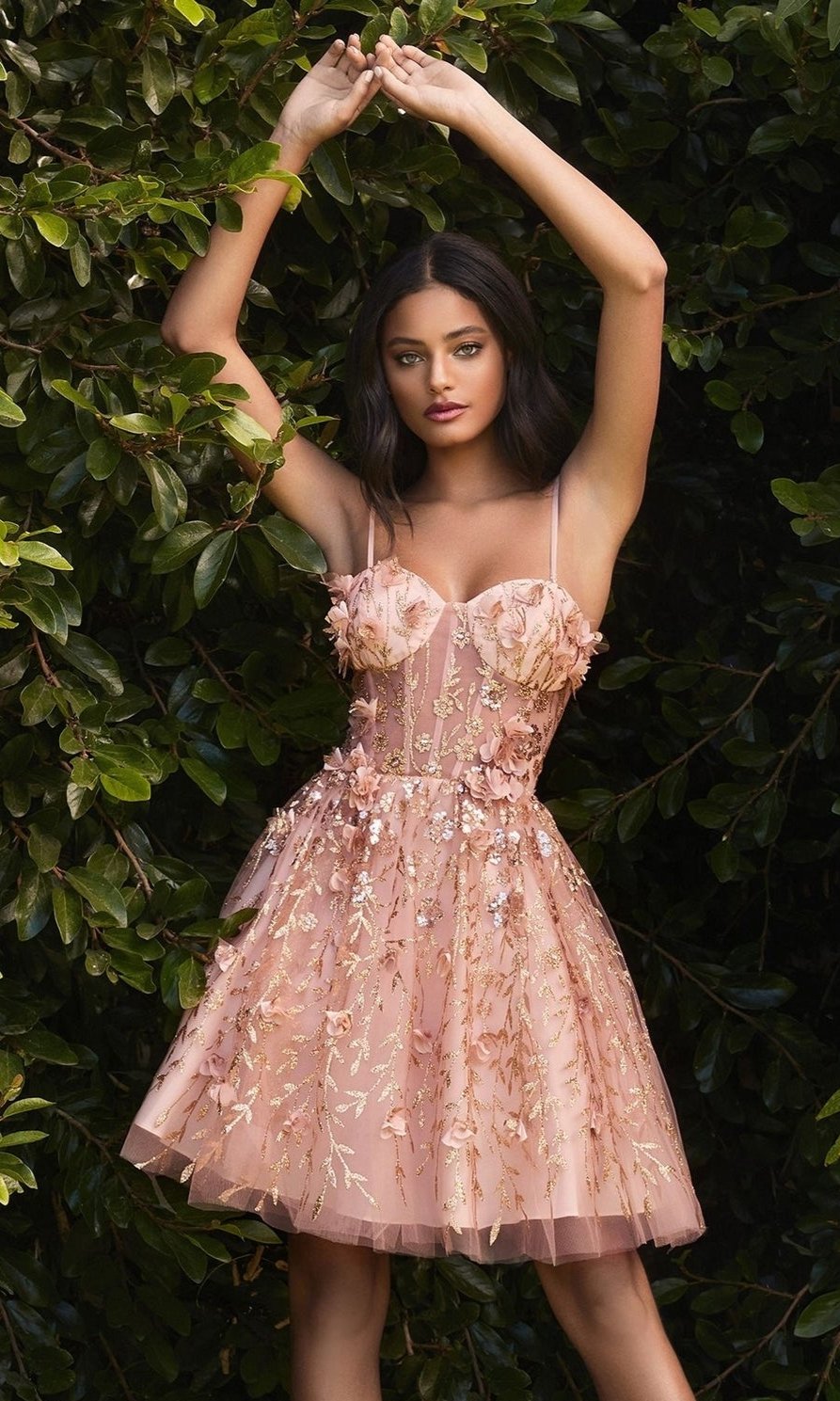
Color is the first message your outfit sends, a non-verbal communication rooted in both cultural context and psychological response. Selecting a hue for your short homecoming dress is an exercise in personal branding. Let’s move beyond “blue is calming” and delve deeper. Royal blue, a dominant, saturated tone, is associated with confidence, trust, and vibrancy. It commands attention without aggression, a trait often leveraged in corporate branding and, equally effectively, in fashion. In color theory, it sits as a primary hue with high luminosity, making it stand out in both dim and bright lighting. Blush pink, on the other hand, carries a different heritage. Its widespread popularity in the 21st century can be traced to the influence of Millennial Pink, a shade analyzed by trend forecaster WGSN as representing a shift towards gender fluidity and modern sophistication. It speaks to a gentle, optimistic strength. A bold red, as famously analyzed in Andrew J. Elliot’s research on color psychology published in the Journal of Personality and Social Psychology, is consistently linked to perceptions of attractiveness and status—a powerful tool for making an entrance. Even metallic shades like rose gold or silver are not neutral; they convey a futuristic, innovative glamour, referencing technology and luxury simultaneously. When you choose a color, you are subtly aligning yourself with these embedded meanings. A fashionista understands this lexicon and uses it with intention. Whether you seek the empowered clarity of a jewel tone or the romantic subtlety of a pastel, your choice becomes part of your narrative for the evening.
Details That Dictate Character: Necklines and Embellishments
If silhouette is the sentence and color is the adjective, then design details are the punctuation—they define the tone and finish the thought. The neckline is arguably the most crucial of these details, framing the face and dictating the dress’s overall attitude. A sleek scoop neck offers a balanced, classic canvas, ideal for showcasing a statement necklace or strong shoulders. The halter neck, with its straps tying behind the neck, draws the eye upward, emphasizing collar bones and creating an elegant, athletic silhouette reminiscent of styles worn by Grace Kelly. It’s a cut that implies both poise and activity. Then there is the daring yet sophisticated backless design, a feature that transforms a short homecoming dress from cute to captivating. This detail speaks to a confidence in unconventional elegance, revealing artistry from an unexpected angle. Embellishments follow a similar philosophy of intentionality. Strategic beading along the waistline can enhance an hourglass shape, while scattered sequins create an allover celestial effect. As designer Vera Wang once stated in an interview for Vogue, “Embellishment should never look like an afterthought. It must be integral to the design, a reason for the dress to exist.” This perspective encourages us to see details not as mere decoration, but as structural and narrative elements. A lace appliqué, for instance, adds texture and a hint of vintage romance, while a minimalist dress with a single, dramatic slit relies on the power of negative space and movement. Evaluating these details with a critical eye ensures your dress feels cohesive and considered, a true extension of your personal aesthetic.

The Synergy of Styling: Completing the Vision
A masterpiece of a dress deserves a complementary context. Styling is the art of creating a harmonious whole, where shoes, accessories, and beauty choices elevate rather than compete. This process is guided by principles of visual weight and thematic consistency. For a heavily sequined or brightly colored short homecoming dress, the “one statement piece” rule often applies. Let the dress be the hero. Pair it with minimalist strappy heels in a metallic that picks up a secondary color in the dress, and choose delicate, understated jewelry. This approach is championed by stylists like Rachel Zoe, who famously advocates for a focal point in any ensemble. Conversely, a simple, sleek sheath dress in a solid color becomes the perfect canvas for bold accessories—a chunky necklace, dramatic earrings, or even statement boots for an edgier take. Footwear choice is also a practical consideration; a block heel or a stylish wedge can offer far more stability and comfort for dancing than a stiletto, marrying fashion with function. Hairstyle and makeup should converse with the neckline and overall vibe. An updo or sleek bob beautifully complements a dramatic backless or halter design, while soft waves pair effortlessly with romantic, flowing styles. Makeup can either mirror the dress’s intensity with a bold lip or provide contrast with a smoky eye against a neutral gown. This holistic view of styling ensures that every element works in concert, projecting a polished and intentional image from head to toe.
Curating Your Look: A Guide to Informed Acquisition
Armed with this knowledge of silhouette, texture, color, and detail, the final step is the joyful yet strategic act of acquisition. The modern fashionista is both a curator and a savvy consumer. Begin your search with these principles in mind, using specific terminology (“A-line sequin,” “bodycon velvet,” “fit-and-flare with halter neck”) to filter options effectively on retailer sites. Remember, investing in a well-constructed short homecoming dress from a reputable brand often yields better value than opting for the cheapest alternative, as it involves superior fabrics, secure stitching, and more thoughtful design. However, elegance need not come at an exorbitant price. To bring professional knowledge and discounted prices to you, it’s essential to know the retail calendar. Major sales typically follow holidays and occur during seasonal transitions. Signing up for newsletters from your favorite formalwear retailers can grant early access to promotions. Additionally, consider the resale market on platforms like Poshmark or ThredUp, where high-quality, gently worn dresses are available at a fraction of their original cost—a choice that is both economical and sustainable. When you try on dresses, assess them against the criteria discussed: Does the silhouette flatter your chosen proportion? Does the fabric feel substantial and move well? Do the details feel integral? This informed approach transforms shopping from a task into a creative and empowering process, ensuring the dress you bring home is not just a purchase, but a perfect addition to your style story.
The journey to homecoming elegance is a personal odyssey of style. It transcends fleeting trends, rooting itself in an understanding of design language and self-expression. A short homecoming dress, in its perfect amalgamation of playful freedom and refined design, offers a unique canvas for this expression. By appreciating the architecture of its silhouette, the conversation of its materials, the psychology of its color, and the punctuation of its details, you move beyond wearing a dress to embodying a vision. The result is an effortless elegance that is entirely, unmistakably your own—a confidence that will shine far brighter than any sequin under the homecoming lights.