

How to Style a Retrofete Dress for Effortless Vintage Glamour
In a world where fashion cycles spin faster than ever, the allure of vintage glamour remains a constant, a siren call to an era of polished elegance and deliberate charm. Yet, navigating this aesthetic doesn’t require a time machine or a vintage boutique fortune. It’s about capturing a feeling, a silhouette, a sparkle. This is where the modern design philosophy of a retrofete dress becomes your most powerful ally. A Retrofete dress is not a literal relic from the past; it is a contemporary interpretation, engineered with modern fabrics and cuts to evoke the spirit of mid-20th-century Hollywood glamour, disco-era decadence, or 90s minimalist chic. The brand itself, as noted on platforms like Quora and in fashion editorials, is celebrated for its “throwback aesthetic with a forward-thinking fit,” specializing in sequins, bold prints, and silhouettes that reference but do not replicate vintage archives. The goal is not costume, but effortless glamour—a look that feels both nostalgic and strikingly current, achievable without the fuss of authentic vintage care. Let’s explore how to master this art.
1. Understanding the Architecture of Glamour: Silhouette is Sovereign
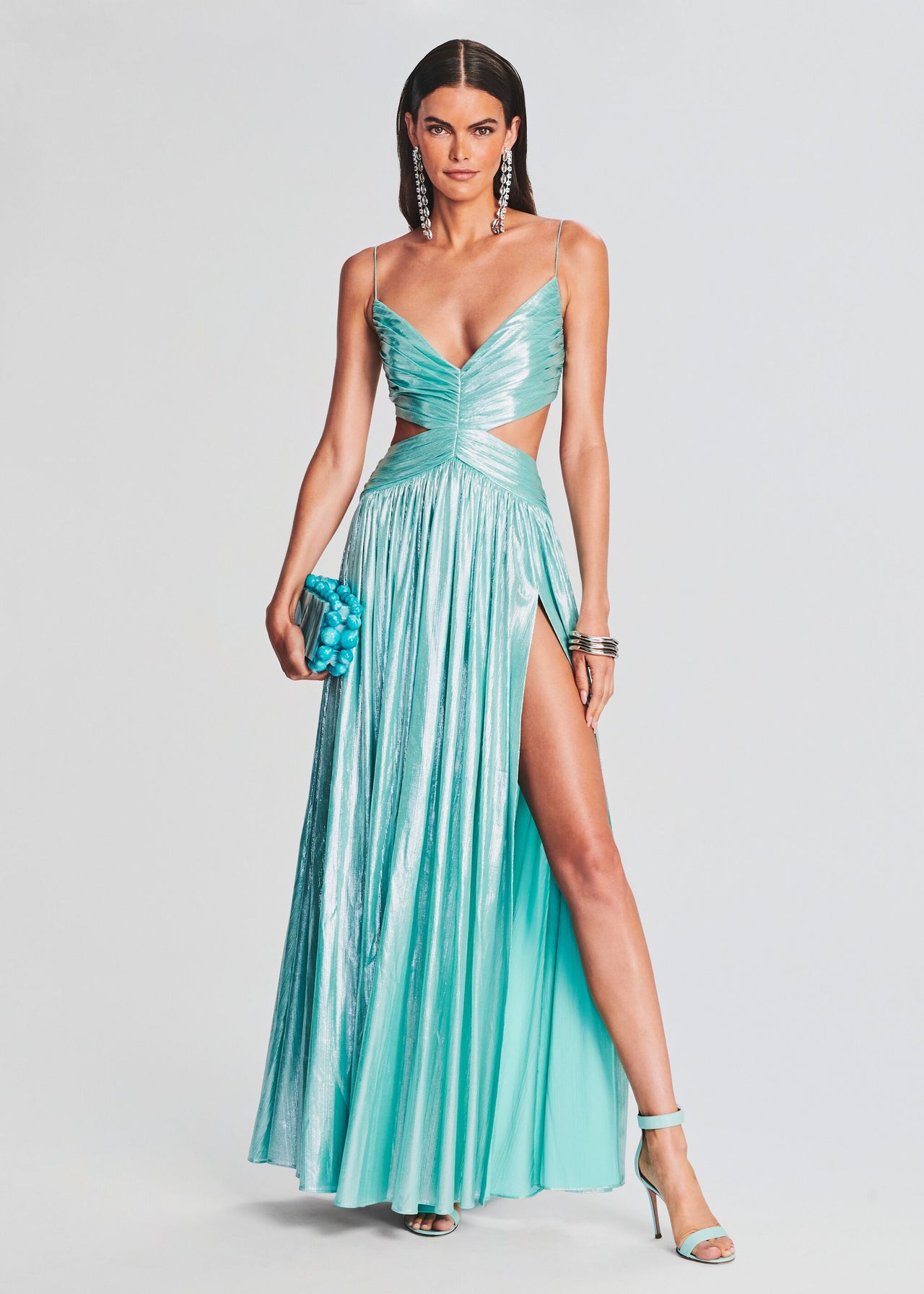
The foundation of vintage glamour lies in its unmistakable silhouettes. Before you accessorize, you must honor the dress’s inherent shape. A retrofete dress often champions defined structures: the columnar sheath of the 1960s, the voluminous skirting of the 1950s, or the sleek slip dress of the 1990s. Each demands a different approach to undergarments and posture. For a full-skirted piece, a subtle petticoat or structured tulle underskirt (readily available from modern shapewear brands) isn’t cheating; it’s adhering to the original architectural principle. This practice finds its roots in the post-war “New Look” pioneered by Christian Dior, which, as historical fashion texts from institutions like the Fashion Institute of Technology detail, revolutionized femininity through structured bodices and expansive hips. Conversely, a bias-cut satin gown requires the smooth canvas of seamless, full-coverage shapewear to achieve that liquid, Jean Harlow-esque drape. The key is to enhance, not fight, the dress’s intended form. Scientific objectivity in styling comes from understanding these historical fashion movements. As the iconic designer Coco Chanel is often quoted, “Fashion is architecture: it is a matter of proportions.” Your first step is to ensure the proportions of your retrofete dress are presented as the designer intended, creating a flawless foundation for everything that follows.
2. The Alchemy of Adornment: Less is More, But Make it Meaningful
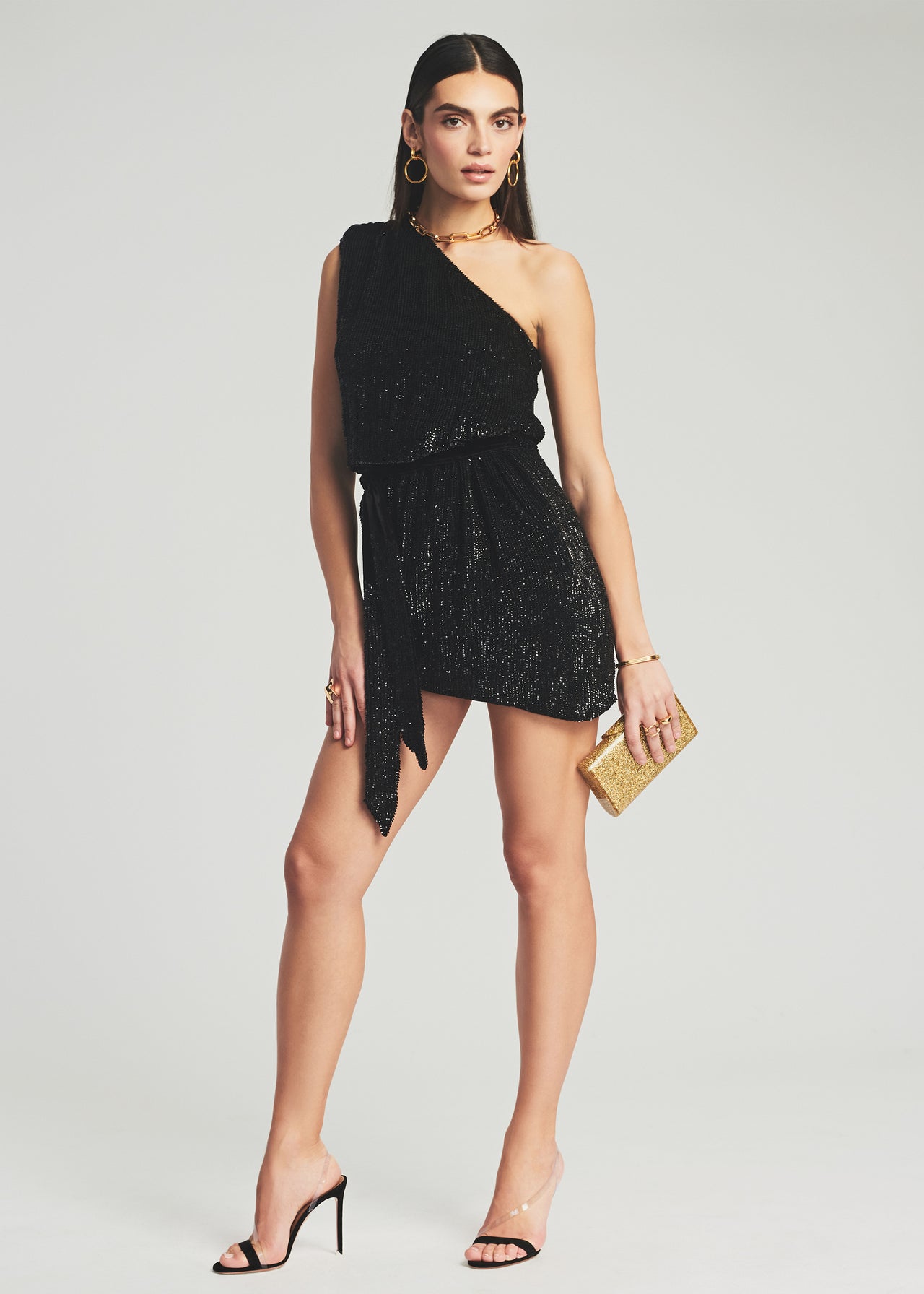
Accessorizing a statement piece like a retrofete dress is an exercise in strategic editing. The dress itself is often the crescendo; your accessories should be the harmonious supporting notes, not competing solos. This philosophy echoes the minimalist viewpoint popularized by figures like Diana Vreeland and later, in the 90s, by designers such as Calvin Klein, who believed in the power of one striking element. For a sequined or heavily embellished dress, your jewelry should be pared back. Think single, impactful pieces: a pair of sleek, geometric earrings that frame the face, or a solitary cuff bracelet. The concept of “focal point” in design theory, widely discussed on platforms like Wikipedia regarding visual arts, applies directly here—you are guiding the viewer’s eye. Conversely, a simple silk slip dress becomes a canvas for layered, sentimental jewelry: a pendant necklace, a few delicate chains, and stacked rings, channeling the eclectic, personal style of the 1970s. Footwear follows the same rule. A strappy stiletto sandal complements a sleek silhouette, while a chunky, platform Mary Jane might ground and modernize a more voluminous, 60s-inspired shift. Remember the words of style icon Iris Apfel, whose opinions on accessory maximalism are well-documented: “More is more and less is a bore.” However, with a Retrofete dress, “more” is often already present in the garment; your “more” should be in confidence, not in clutter.

The Finishing Touch: Hair and Makeup as Era-Specific Accents
While your dress provides the vintage vibe, your hair and makeup seal the temporal deal. This isn’t about rigid historical reenactment but about selecting key elements that communicate the era your dress references. For a dress echoing the 1920s or 1930s, a deep side part and soft finger waves (achievable with modern curling wands and lotions) can be transformative. The smoky eye, a technique with origins that fashion historians trace back to ancient times but was popularized in modern cinema by stars like Theda Bara and later, in the 1960s, by Twiggy’s graphic lower-lash line, is a versatile tool. A 1940s-inspired fit-and-flare dress pairs beautifully with a strong brow and a classic red lip—a look immortalized by stars like Rita Hayworth and continuously validated by beauty authorities from Vogue to YouTube makeup artists like Lisa Eldridge, who often deconstructs its timeless appeal. For a 1990s-inspired slip dress, the makeup mantra is “barely there”: matte skin, brushed-up brows, and a taupe or brown lip, a look documented in the films of that era and championed by brands like CK One. The objective, scientific link here is color theory and facial geometry; these classic looks are designed to highlight bone structure and contrast with period-typical lighting and photography. Your goal is to choose one or two signature elements from the referenced decade to harmonize with your retrofete dress, creating a cohesive, and therefore effortless, whole.
3. Context is King: Situating Your Vintage Glamour
Effortless glamour feels natural in its setting. Wearing a crystal-encrusted mini dress to a daytime garden party might feel costumed, while a simple linen midi dress at a black-tie gala might feel underdone. The magic of a Retrofete dress is its adaptability when styled with intention. Consider the venue and the occasion’s formality. A sequined blazer dress can be professional power-dressing for a fashion-forward evening event, paired with sharp pumps and a clutch. The same dress, with the blazer removed, over a crisp white tee and paired with white sneakers, is a masterclass in high-low dressing, perfect for a trendy dinner. This styling flexibility is a hallmark of modern fashion literacy, often discussed on style forums and by influencers who break “fashion rules.” The viewpoint here is supported by the practical philosophy of sustainable dressing—maximizing a single garment’s utility. As noted in literature from authoritative sources like the London College of Fashion’s Centre for Sustainable Fashion, emotional longevity and versatile wear are key to reducing fashion’s environmental impact. By creatively restyling one standout retrofete dress for multiple contexts, you not only practice savvy style but also contribute to a more conscious approach to your wardrobe, getting more value from your investment.
4. The Modern Wardrobe Ecosystem: Integration Over Isolation
A common fear is that a bold, vintage-inspired piece will become a “one-off” in your closet, worn once and then forgotten. The secret to effortless glamour is making the extraordinary feel like a part of your ordinary style lexicon. This means intentionally building bridges between your statement Retrofete pieces and your everyday basics. A sequined skirt, for instance, shouldn’t live only for New Year’s Eve. Pair it with a simple black turtleneck and ankle boots for a startlingly chic winter brunch outfit. A silk, 70s-print wrap dress can be layered under a tailored wool coat with knee-high boots for fall, transforming its vibe from resort-wear to metropolitan cool. This practice of integration is a core tenet of building a “capsule wardrobe with flair,” a concept popularized by stylists and websites like Who What Wear. It’s the fashion equivalent of the scientific method: hypothesize (this blazer will work with that dress), experiment (try the combination), observe (check the mirror and feel), and conclude (add it to your style repertoire). By routinely styling your vintage-glamour pieces in casual contexts, you demystify them. They become not just dresses for special occasions, but integral, expressive components of your personal style narrative, offering a fantastic cost-per-wear value that transcends any initial price tag.
Professional Insight and Accessible Glamour
Understanding the construction and fabric of your dress is a professional advantage. Retrofete often uses high-quality synthetic blends for its sequined and metallic pieces, offering durability and a specific drape that pure silk or cotton cannot achieve for that aesthetic. Caring for these pieces—often with gentle, cold hand washing or professional cleaning for intricate items—preserves their glamour. As for making this style accessible, the secondary market is a treasure trove. Websites like The RealReal, Vestiaire Collective, and even curated sections on Anthropologie’s website frequently offer pre-loved or past-season Retrofete dresses at significantly discounted prices. This aligns with the growing “circular fashion” economy, endorsed by environmental scientists and economists alike. As author and activist Elizabeth L. Cline explores in her book The Conscious Closet, buying secondhand designer items is one of the most effective ways to reduce your fashion footprint while acquiring quality. The glamour of a retrofete dress isn’t diminished by being pre-loved; in fact, it gains a layer of story, making your effortless vintage style both economically savvy and ecologically considerate.

Ultimately, styling a Retrofete dress for effortless vintage glamour is an act of creative synthesis. It’s about respecting historical inspiration while embracing contemporary comfort and personal expression. It requires an understanding of silhouette, a disciplined yet meaningful approach to accessories, and the confidence to integrate the spectacular into the everyday. By viewing these dresses not as fragile museum pieces but as dynamic components of a modern wardrobe, you unlock their true potential. The glamour you achieve won’t feel borrowed from a bygone era; it will feel authentically, effortlessly your own—a timeless sparkle tailored for the present moment.