

How to Style a Retrofete Dress for Effortless Vintage Glamour
In a world of fleeting trends, the allure of vintage glamour remains a constant, a sartorial whisper from a more elegant era. Achieving this look, however, need not involve scouring vintage stores for fragile garments. The modern solution lies in the deliberate, celebratory designs of contemporary labels like Retrofete. A Retrofete dress is not a replica but a reimagining—a piece that captures the spirit of mid-century Hollywood, disco decadence, or 90s minimalism through a lens of today’s craftsmanship and fit. This article is your guide to unlocking that effortless vintage glamour, moving beyond costume into a realm of confident, personalized style. We’ll dissect the elements, from silhouette to sparkle, and provide you with the knowledge to style these statement pieces for any occasion, blending historical reverence with modern sophistication.
The Retrofete Philosophy: Vintage Reborn, Not Replicated
To style a Retrofete dress authentically, one must first understand its foundational ethos. Retrofete, a name blending “retro” and “fête” (French for celebration), is built on the principle of “nostalgia with a twist.” This isn’t about historical accuracy in the academic sense, but about emotional resonance. As fashion historian and curator Dr. Valerie Steele of The Museum at the Fashion Institute of Technology has often noted, “Fashion is not about utility. An accessory is merely a piece of iconography used to express individual identity.” Retrofete applies this to entire garments, using iconography from past decades—the drape of a 1930s bias-cut gown, the sequined explosion of a 1970s disco shirt, the sleek column of a 1990s slip dress—to craft an identity that is both nostalgic and fiercely contemporary. The brand’s scientific approach lies in its meticulous study of vintage construction techniques, such as boning for structure or specific beading methods, which it then adapts using modern, more comfortable materials and precision manufacturing. This results in a dress that looks and feels vintage in spirit but performs with the wearability and reliability of a 21st-century garment. The objective evidence of this philosophy is visible in their collections, which are frequently cited on platforms like Vogue Runway and Harper’s Bazaar for their clever reinterpretations, proving that the brand’s viewpoint resonates within the authoritative circles of fashion media.
Decoding the Silhouette: Your Architectural Foundation
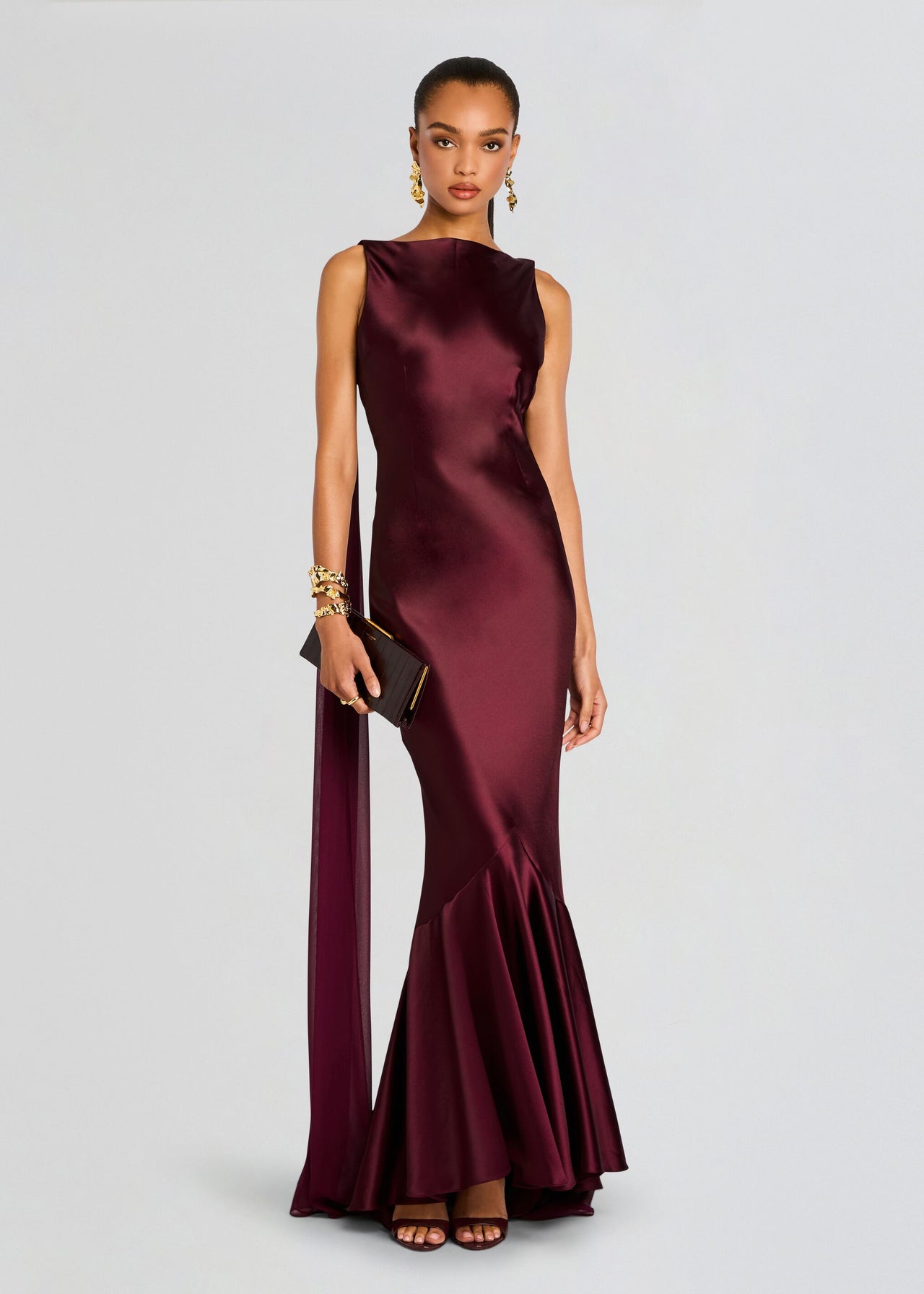
The single most critical step in styling is identifying and honoring the dress’s inherent silhouette. A Retrofete dress often champions one of three key historical shapes. First, the Fit-and-Flare, a direct descendant of the 1950s New Look by Christian Dior. This silhouette, characterized by a nipped waist and a full, celebratory skirt, creates an hourglass figure. Styling it demands confidence; let the dress be the star. Underpinnings are key—a smooth, seamless slip can prevent clinging, and the right bra will enhance the structured bodice. Footwear should complement, not compete: a classic pointed-toe pump continues the elegant line, while a block heel offers a more retro, practical touch. Second is the Slip Dress Silhouette, pulled from the 1990s. Its minimalist, fluid lines speak of understated cool. The glamour here is in the contrast. Layer a fine cashmere cardigan over the shoulders, add substantial gold jewelry, or pair with sleek leather boots to ground the delicacy. This is where the “effortless” part truly shines; it’s about looking polished without appearing tried-too-hard. Finally, the Column or Bias-Cut Silhouette evokes 1930s screen sirens. This style drapes and moves with the body. Styling is about enhancing that movement. Choose accessories that flow—long, dangling earrings, a delicate chain belt that sits on the hips, and sandals with a graceful strap. The goal is a line that is uninterrupted and fluid, creating a cascade of elegance from neckline to hem.

The Alchemy of Embellishment: Sequins, Beads, and Feathers
Retrofete is renowned for its fearless use of embellishment, a key component of vintage glamour. From a scientific perspective, the impact of sequins and beads is rooted in optics and psychology. The way light refracts off thousands of tiny surfaces creates a captivating, dynamic visual effect, much like the chromatic brilliance studied in physics. Psychologically, as noted by style icon Iris Apfel, “More is more and less is a bore.” Embellishment is a form of joyous self-expression. When styling a heavily embellished Retrofete dress, the golden rule is balance. If the dress is a full sequin explosion, keep everything else minimalist. A sleek clutch, simple shoes, and understated jewelry allow the dress to command attention. Consider the setting’s lighting; these pieces are designed to come alive under evening lights. For a dress with more localized embellishment—say, a beaded bodice with a plain skirt—you have more room to play. You can match the intensity of the accessories to the embellished section, perhaps with a statement earring that picks up a color from the beads. The texture is also crucial. Feathers, a favorite Retrofete accent, add a soft, tactile dimension that contrasts beautifully with hard sparkle. When dealing with such textures, avoid other fuzzy or nubby accessories that can create visual clutter. The professional knowledge here is that embellishment is a focal point technology; your styling should direct the viewer’s eye to the masterpiece, not create competing points of interest.
Strategic Accessorizing: The Devil and the Angel Are in the Details
Accessories are the punctuation marks of an outfit; they define its tone. For vintage glamour, this means choosing pieces that feel curated, not chaotic. Begin with footwear. As legendary designer Manolo Blahnik once said, “Shoes are the most important part of an outfit. They can change your posture, your attitude, everything.” For a 50s-style Retrofete dress, a classic stiletto or a dainty sandal with an ankle strap is period-appropriate. For a 90s-inspired slip dress, consider a minimalist mule or a chunky platform, referencing the era’s contrasting aesthetics. Handbags should follow form and function. A structured box clutch complements architectural silhouettes, while a soft, beaded minaudière enhances a fluid, romantic look. Jewelry requires period awareness. Retro-futuristic pieces from the 1960s (think large, geometric earrings) pair wonderfully with mod-inspired shifts, while delicate, layered gold chains suit the 70s-inspired boho-glam pieces. The key is to research the era your dress echoes. Websites like the Victoria and Albert Museum’s fashion archive or credible fashion history blogs provide objective visual evidence of what accessories were truly worn, moving you beyond cliché. Remember, a single, excellent vintage-inspired accessory is more powerful than a handful of cheap, costume-like pieces.
Beauty and Grooming: Completing the Portrait
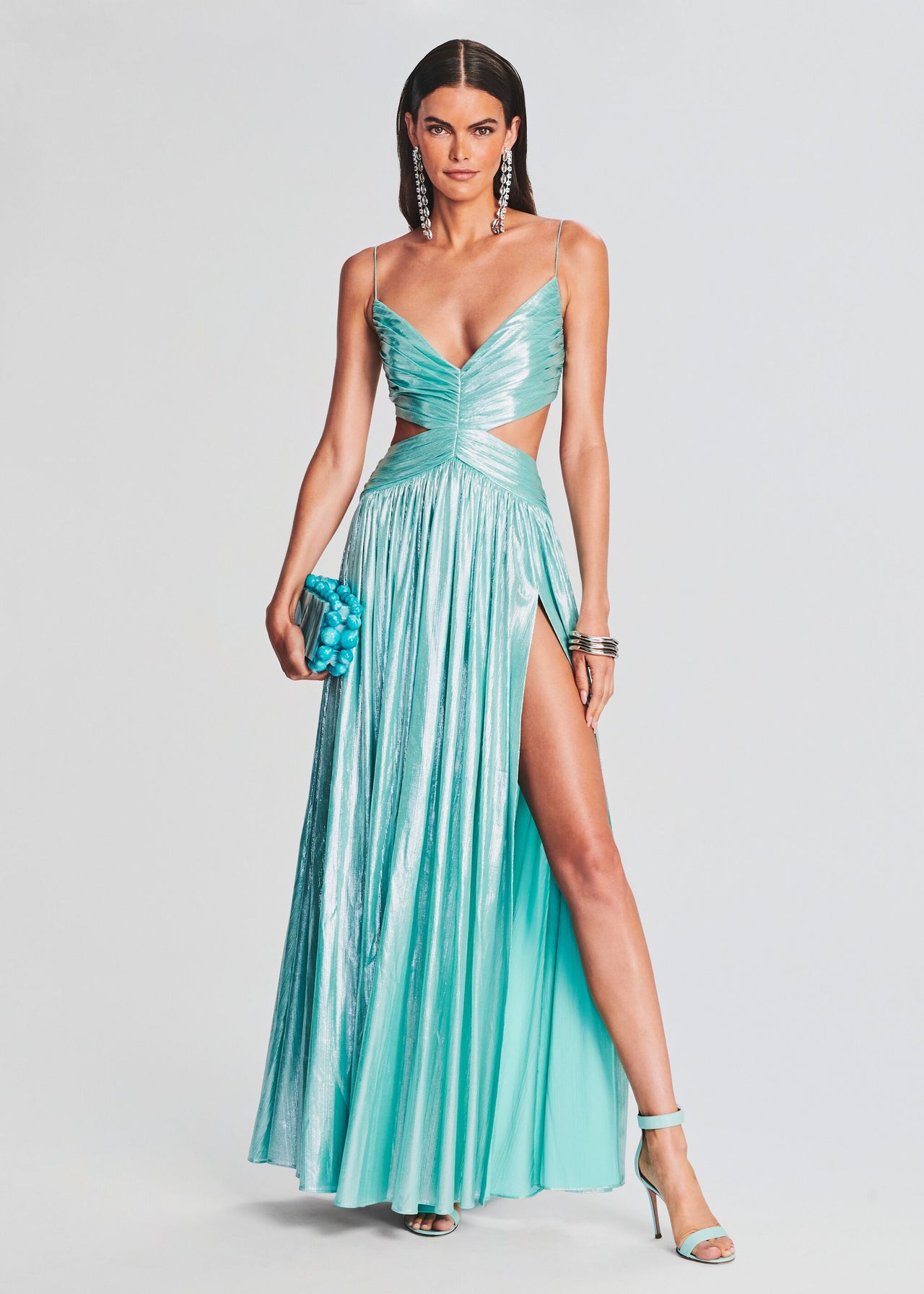
Your hair, makeup, and even your posture are the final, non-negotiable layers of a vintage-glamour look. They complete the narrative the dress begins. Makeup should be approached with the same era-specific mindset. A 1950s red lip and defined winged liner are a timeless pairing for a fit-and-flare dress. The technique here is precision; a well-defined cupid’s bow and a sharp liner wing speak to the polished elegance of the time. For a 1970s-inspired, halter-neck Retrofete dress, think smoky eyes in warm browns and golds, with a glossy, neutral lip—a look documented in the films of that era and analyzed in beauty archives. The 1990s slip dress calls for the “no-makeup makeup” look: matte skin, groomed brows, and a brown-toned lip. Hairstyling is equally important. Voluminous curls or a sleek chignon anchor a 50s look. Effortless, center-parted waves or a low ponytail suit the 70s. And for the 90s, either perfectly sleek, straight hair or a messy, just-out-of-bed texture (which, as any stylist will tell you, takes considerable effort to achieve) is key. This attention to grooming is what separates a styled look from a mere costume. It signals that you understand the holistic nature of the aesthetic you’re channeling. Professional knowledge from celebrity makeup artists on YouTube, such as Lisa Eldridge, who often breaks down historical makeup techniques, can be an invaluable, evidence-based resource for mastering these looks.

From Showroom to Real World: Context is Everything
The ultimate test of style is adaptability. A Retrofete dress holds immense power, but wielding it appropriately for different contexts is the mark of a savvy wearer. For a formal evening gala, lean into the full glamour. Pair a sequined column dress with a faux fur stole or a dramatic, floor-length coat for entrance-making impact. For a daytime wedding or a sophisticated brunch, temper the sparkle. A floral-printed, tea-length Retrofete dress can be softened with a simple denim jacket and flat sandals, making the vintage element feel fresh and modern. The office holiday party presents a unique challenge; a dress with subtle metallic thread or a jewel tone in a conservative silhouette (higher neckline, longer sleeve) can be professional yet festive when paired with a tailored blazer at your desk. The principle, supported by styling advice from platforms like Who What Wear, is to use contrasting elements to modulate the dress’s intensity. A tough leather moto jacket over a delicate lace dress, or chunky sneakers with a tulle skirt, are modern styling tricks that prevent vintage inspiration from feeling dated. This contextual awareness ensures your dress is a versatile investment, not a one-occasion wonder. Furthermore, being an informed shopper means knowing where to find these pieces. While Retrofete dresses are investment pieces, savvy shoppers can often find past-season styles at discounted prices on reputable luxury resale sites like The RealReal or during major sales events at retailers like Anthropologie, bringing professional style within a more accessible reach.
Effortless vintage glamour is not found in a single garment but crafted through intentional choices. A Retrofete dress provides the perfect canvas—a piece of modern fashion that speaks the language of the past with clarity and confidence. By understanding its silhouette, respecting its embellishments, accessorizing with strategic intelligence, and completing the look with era-appropriate grooming, you transform the dress from a beautiful object into a profound expression of personal style. It becomes your glamour, your history, re-worn for today. This is the true magic of retrofete: it doesn’t ask you to live in the past, but to bring the best of the past brilliantly into your present.