

Mastering Semi-Formal Dresses for Every Occasion
Navigating the world of event attire often feels like deciphering an ancient code. “Semi-formal” stands as one of the most frequent, yet most misunderstood, directives on an invitation. It occupies the elegant space between the relaxed nature of business casual and the strict protocols of black-tie, offering a canvas for personal style within a framework of refined expectation. This guide is not about imposing rigid rules, but about unlocking the principles that make a semi-formal dress the most versatile piece in your wardrobe. We’ll move beyond vague suggestions to provide a foundation built on objective style tenets, historical context, and practical wisdom, empowering you to dress with confidence for any event that calls for this nuanced dress code.
The Anatomy of a Semi-Formal Dress: Decoding the Dress Code
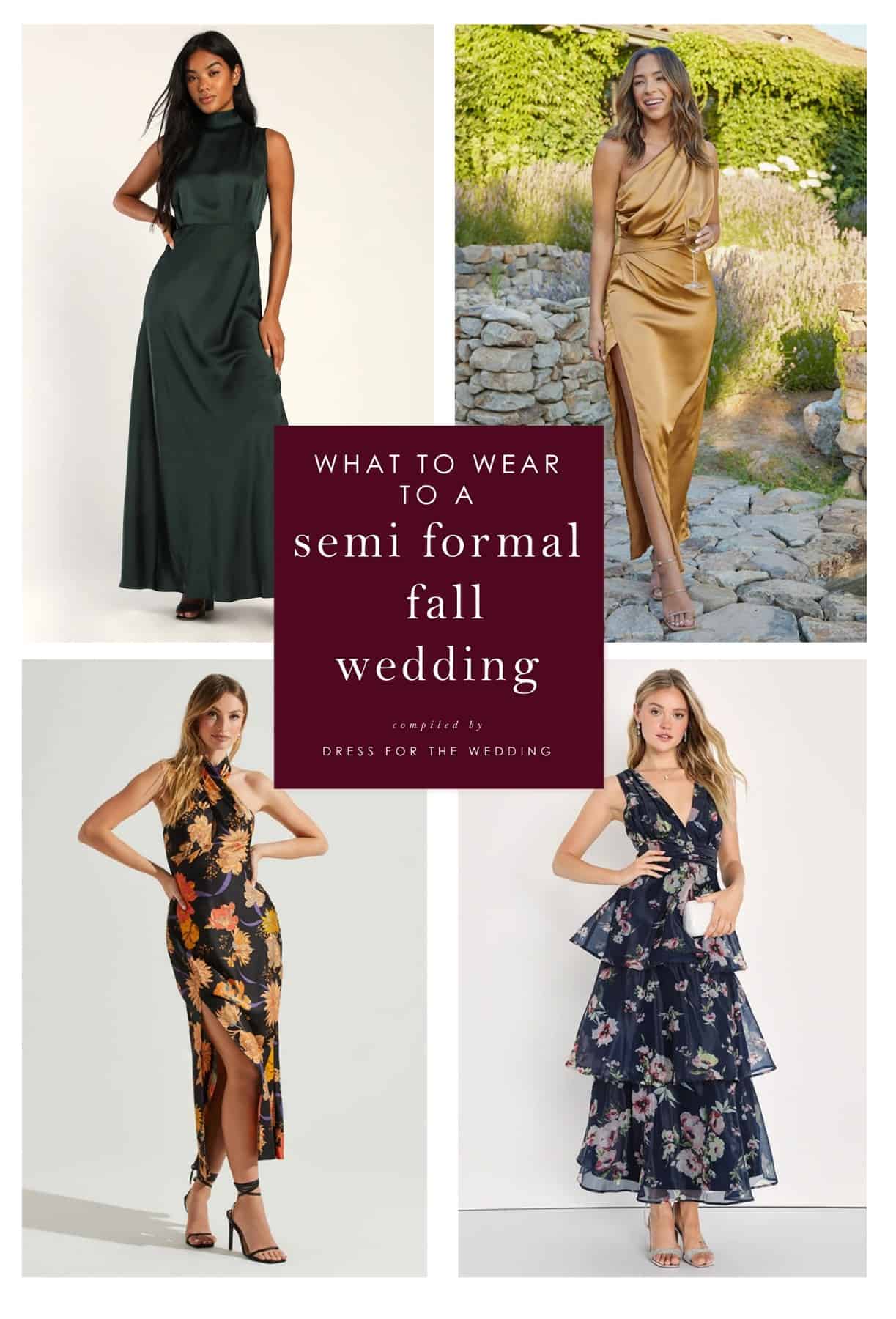
To master the semi-formal dress, one must first understand its genetic makeup. The term itself is a study in balance. According to style authorities and historical fashion literature, semi-formal, for women, traditionally aligns with what is often termed “cocktail attire.” This is not a realm of floor-length gowns or casual sundresses. The silhouette is defined by a knee-length or midi hemline—a golden mean that exudes sophistication without excessive formality. Fabrics play a crucial role; think luxe materials that hold their shape and convey intention: silk, chiffon, lace, high-quality jersey, or velvet for cooler seasons. Embellishments are welcome but should be deliberate—a beaded neckline, strategic sequins, or elegant pleating. The neckline offers flexibility, from classic sheaths and fit-and-flare styles to elegant wrap dresses. The core principle, as echoed by stylists from fashion institutes like the Fashion Institute of Technology, is intentional polish. A semi-formal dress is an outfit that clearly required thought and effort, signaling respect for the host and the occasion, whether it’s a wedding, a gallery opening, or an important dinner party.
Context is King: Aligning Your Dress with the Event
A black cocktail dress may be a classic, but mastery lies in adaptation. The specific occasion acts as the filter through which you select your perfect semi-formal dress. For a daytime wedding or a garden party, your palette can lighten. Consider dresses in floral prints, soft pastels, or vibrant jewel tones. A sleeveless or short-sleeved style in a breathable fabric like linen-blend or cotton-silk is ideal. As fashion historian Valerie Steele has noted in her publications, the shift towards context-driven dressing marks modern style. Conversely, an evening wedding, a sophisticated restaurant dinner, or a theater gala calls for deeper hues—navy, emerald, burgundy—and richer textures. This is where a sleek satin slip dress or a lace-overlay number truly shines. The “after-five” rule, a long-standing guideline in etiquette circles, suggests that attire post-5 PM can afford to be slightly dressier, with darker colors and more luxurious fabrics. Furthermore, consider the venue’s vibe. A loft industrial space might welcome a more fashion-forward, architectural dress, while a historic ballroom leans towards timeless elegance. Always cross-reference the dress code with the time of day, season, and location on the invitation; this triangulation will guide you to an impeccably appropriate choice.
The Power of Perception: Psychology and the Polished Look
Why does wearing the right semi-formal dress feel so transformative? The answer lies at the intersection of social psychology and self-concept. Studies on enclothed cognition, a term popularized by researchers Hajo Adam and Adam D. Galinsky, demonstrate that the symbolic meaning of our clothing and the physical experience of wearing it systematically influence our psychological processes. When you don a well-tailored, elegant dress, you are not just putting on fabric; you are adopting the attributes associated with it—competence, confidence, and attention to detail. This isn’t mere vanity; it’s a cognitive shift. As author and style psychologist Dr. Jennifer Baumgartner explains in her work, what we wear tells a story to others and, more importantly, to ourselves. In a semi-formal setting, where social and professional lines often blur, presenting a polished self can enhance your perceived credibility and approachability. It signals that you understand the unspoken rules of the environment and are capable of operating within them. This non-verbal communication is powerful. It can affect first impressions in networking scenarios, convey respect at familial gatherings, and boost your own sense of agency. The right dress becomes armor and ally, allowing you to engage fully with the event, not distracted by doubts about your appearance.
Building a Versatile Semi-Formal Arsenal: Beyond the Little Black Dress
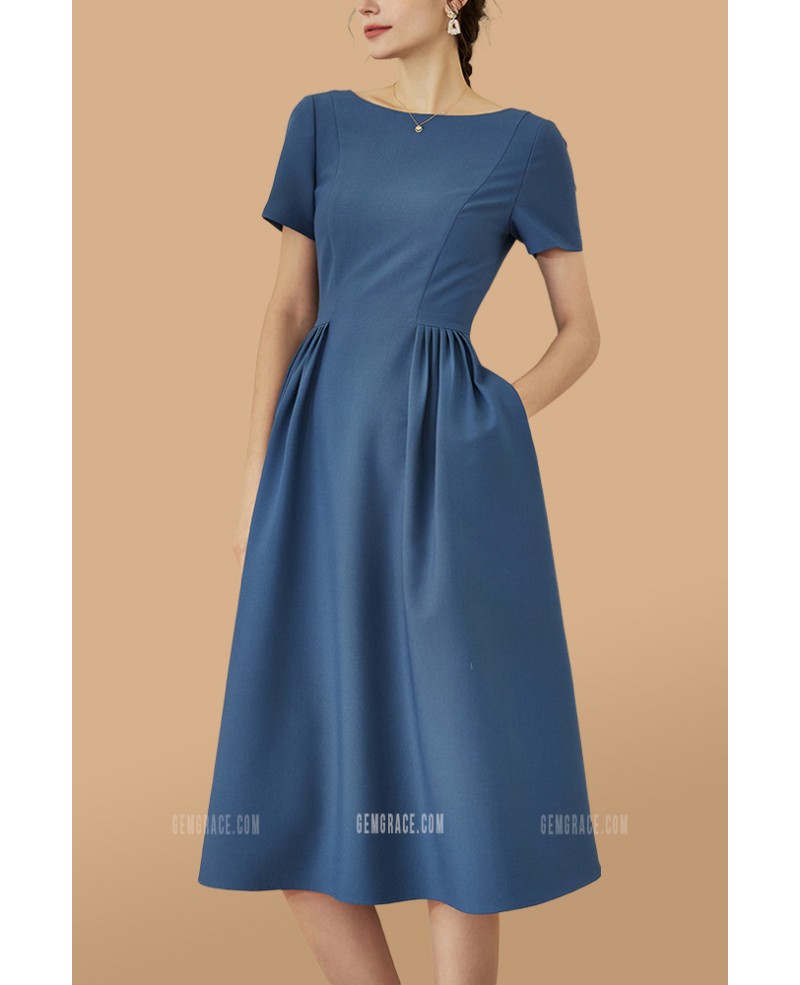
While the Little Black Dress is a legendary starting point, a truly mastered wardrobe features a roster of go-to options. Let’s build a capsule of four foundational dresses that cover 95% of semi-formal scenarios. First, the Classic Sheath: a knee-length, sleeveless dress in a neutral like navy, charcoal, or deep red. Its clean lines are a blank slate for statement jewelry and work for everything from office holiday parties to luncheons. Second, the Elegant Wrap Dress: its universally flattering cut and adjustable fit make it a reliable choice. In a solid, dark print or a subtle jacquard, it balances professionalism with femininity perfectly. Third, the Statement Sleeve or Neckline Dress: this is where you inject personality. A dress with dramatic puff sleeves, a sophisticated high neck with a keyhole back, or elegant off-the-shoulder detailing makes an impact while remaining within the dress code’s bounds. Fourth, the Midi Dress: the slightly longer hemline feels modern and graceful, ideal for events where you want to feel covered yet chic. As Tim Gunn, the renowned fashion consultant, has often emphasized, the key to style is “edit, edit, edit.” Invest in the best quality you can afford for these pieces; their cost-per-wear will be minimal, and their longevity maximal.
The Finishing Touches: Shoes, Bags, and the Art of Accessorizing
A perfect dress can be undermined by haphazard accessories, while a simple one can be elevated to greatness. The semi-formal sweet spot for footwear is a closed-toe pump, a sleek block-heel sandal, or sophisticated flats (like a pointed-toe ballet style). Avoid anything overly casual (sneakers, flip-flops) or overtly sexy (extremely high stilettos with platforms). Your bag should be compact and structured—a clutch, a small box bag, or a minimalist crossbody. Jewelry is your opportunity to personalize. A general rule, often cited by stylists on platforms like YouTube, is to choose one focal point: if your dress has a busy neckline, opt for statement earrings and skip the necklace. If the dress is simple, a layered necklace or bold cuff can add immense character. Consider the words of legendary designer Coco Chanel, who advised to look in the mirror and remove one accessory before leaving the house. The goal is cohesion, not clutter. A pashmina or tailored blazer is not just practical for temperature control; it adds another layer of polish and can subtly modify the formality of your look, making your ensemble adaptable from the ceremony to the after-party.
Expert Insights: What the Style Authorities Say
To ground our discussion in established wisdom, let’s turn to the voices that shape our understanding of dress and etiquette.
“Cocktail attire is the workhorse of the social wardrobe. It should be chic, slightly celebratory, and above all, appropriate. Think of it as your ‘social uniform’ for meaningful gatherings.” – This sentiment, echoed by style experts like Clinton Kelly, encapsulates the pragmatic elegance of the category.
Furthermore, the Emily Post Institute, a cornerstone of American etiquette, provides clear parameters: “For women, semi-formal means a cocktail dress, a dressy skirt and top, or an elegant pantsuit. The length is at or just below the knee.” This definition reinforces the importance of the knee-length benchmark and expands the possibilities to include separates, offering flexibility while maintaining standards.
Smart Shopping: Investing in Your Style and Budget
Mastery extends to acquisition. Building a collection of perfect semi-formal dresses need not bankrupt you. The key is strategic shopping. First, know your silhouette. Use dressing room sessions not to buy impulsively, but to learn which necklines, waistlines, and hemlines make you feel most powerful. Second, prioritize fabric and construction over fleeting trends. A well-lined dress with sturdy stitching will outlast ten poorly made fast-fashion items. Third, leverage sales cycles. End-of-season sales, holiday promotions (like Black Friday), and outlet sections of premium brands are goldmines for high-quality pieces at discounted prices. Many department stores and online retailers offer significant markdowns on classic styles that form the backbone of semi-formal dressing. Signing up for newsletters from your favorite brands can alert you to private sales. Remember, an investment in a timeless, well-made dress is an investment in your future confidence for years of events to come. The goal is to bring professional-level knowledge of quality and value to your purchases, ensuring each new addition is both a style and a financial win.
The journey to mastering semi-formal dresses is ultimately a journey toward sartorial self-assurance. It’s about moving from anxiety over an invitation’s instructions to the quiet confidence of knowing you have the knowledge and the pieces to meet the moment with grace. By understanding the code’s anatomy, respecting the context, leveraging the psychology of dress, curating a versatile arsenal, and accessorizing with intention, you transform the “semi-formal” directive from a puzzle into an opportunity—an opportunity to express your personal interpretation of polished elegance. So the next time that invitation arrives, see it not as a test, but as a chance to showcase your mastered style.