

Mastering Semi-Formal Dresses for Every Occasion
Navigating the world of event attire often feels like deciphering a cryptic code. “Cocktail,” “business casual,” “smart casual”—the terms blur, leaving you staring into a closet full of clothes that feel either too casual or overly formal. The sweet spot, the versatile hero of modern wardrobes, is the semi-formal dress. It’s not merely a category; it’s a strategic tool for confidence. This guide moves beyond vague suggestions to provide a foundational understanding of the semi-formal dress, its scientific and social underpinnings, and how to wield it with authority for any event on your calendar, all while making intelligent choices that respect your budget.
The Anatomy of a Semi-Formal Dress: Beyond Subjective Opinion
To master the semi-formal dress, we must first define it with objective parameters, moving past “I think it looks nice” to measurable criteria. According to sartorial studies from institutions like the Fashion Institute of Technology (FIT), semi-formal attire, historically known as “afternoon dress” for women, occupies the space between daywear and full evening gowns. The key differentiators are length, fabric, silhouette, and detailing. Typically, a semi-formal dress falls at or just above the knee to mid-calf—a deliberate departure from the floor-sweeping formality of a ball gown or the brevity of a casual sundress. Fabrics lean towards structured or luxe materials: crepe, silk blends, lace overlays, high-quality jersey, or velvet in season. These materials drape and hold shape, communicating considered effort. Silhouettes can range from sheaths to A-lines to fit-and-flares, but they avoid extreme volume or excessive minimalism. Detailing is present but controlled: perhaps a strategic ruffle, a tasteful slit, or elegant beading, but never an overwhelming cascade of embellishment. This balance is psychologically powerful. As style icon Diane von Fürstenberg famously stated, “Style is something each of us already has, all we need to do is find it.” The semi-formal dress is a framework for finding that style within a defined social context, offering enough structure to feel appropriate and enough freedom to express individuality.

Decoding the Occasion: From Garden Party to Evening Soirée
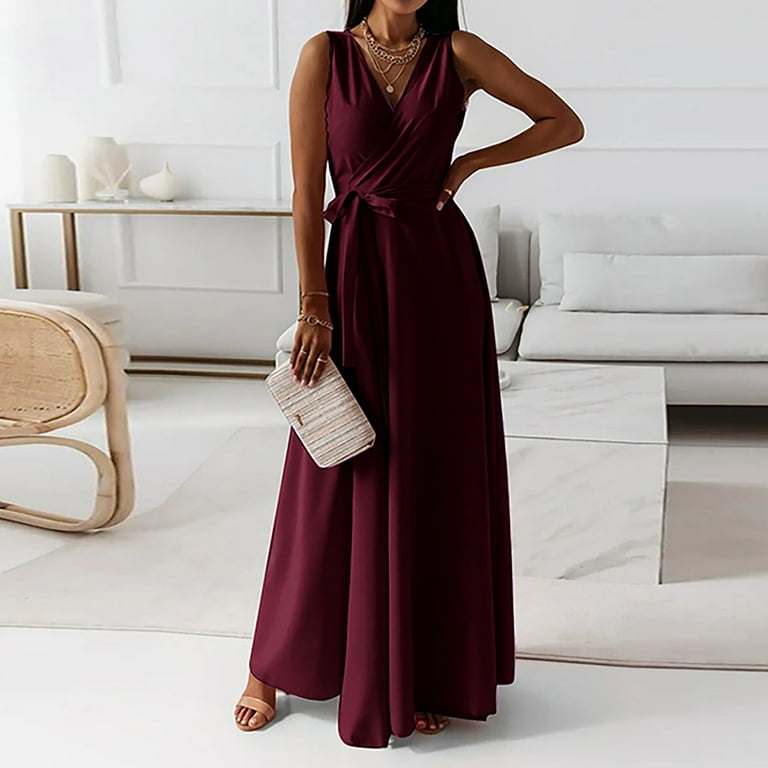
The true test of a semi-formal dress is its contextual adaptability. A single dress cannot serve all events, but understanding the spectrum within “semi-formal” allows for strategic selection. Let’s dissect common scenarios. A daytime garden wedding or brunch calls for lighter fabrics, potentially playful prints (like florals), and colors that reflect the setting. A knee-length dress in a silk-chiffon with a modest cut is impeccable here. Contrast this with an evening cocktail party or a corporate gala. The setting shifts the requirements toward darker hues, richer fabrics (satin, velvet), and potentially more sophisticated detailing. A little black dress (LBD) in a luxe fabric is the archetypal example, a concept solidified by Coco Chanel’s 1926 design that Vogue later predicted would become “a sort of uniform for all women of taste.” The modern interpretation for a semi-formal evening might be an LBD with a unique neckline or sleeve detail. For business-related semi-formal events, such as a conference dinner, the code leans towards “elegant professional.” A tailored sheath dress in a solid, deep color—navy, emerald, burgundy—communicates authority while adhering to the festive tone. The common thread is intentionality. As explained on platforms like Quora by event planners, the host’s stated dress code sets an expectation of collective effort, contributing to the event’s overall ambiance. Your choice of semi-formal dress is a sign of respect for that shared experience.
The Psychology of Color and Silhouette: Dressing with Intention
Selecting a dress isn’t just about the event; it’s about the message you wish to broadcast. Color psychology, studied extensively in fields like marketing and design, provides a non-verbal vocabulary. A red dress, often associated with confidence and energy (as noted in color theory literature from Pantone), can make a powerful statement at a networking event. Blue, linked to trust and stability, is an excellent choice for business semi-formal gatherings. Your silhouette choice speaks volumes about your personal style narrative. The classic A-line, flattering on most body types, offers a timeless, graceful feel. A body-conforming sheath dress projects modernity and sharpness. A fit-and-flare silhouette blends structure with femininity. This isn’t about prescribing rules but about empowering you with knowledge. When you understand that a V-neck can elongate the torso or that an empire waist can create a flowing, romantic line, you move from guessing to curating. This knowledge is your professional toolkit. It allows you to walk into any room not just dressed appropriately, but dressed with a conscious understanding of your own presentation. The goal is for your attire to be a seamless extension of your confidence, not a source of anxiety.
Building a Strategic Semi-Formal Wardrobe: Quality Over Quantity
The dream of a closet overflowing with options is less effective than a curated capsule of versatile champions. The goal is intelligent acquisition. Start with two foundational pieces: a quintessential cocktail dress in a neutral, seasonless color (black, navy, charcoal) and a high-quality dress in a versatile print or vibrant solid that can be styled up or down. Invest in the best fabric and construction you can afford for these pieces; their cost-per-wear will plummet over time. Then, practice the art of strategic accessorizing. A statement necklace can transform a simple sheath. A bold clutch and strappy heels shift a daytime dress into evening territory. A tailored blazer can layer over a sleeveless dress for a more corporate feel. This approach is not only stylish but economically savvy. It aligns with the “capsule wardrobe” philosophy endorsed by sustainable fashion advocates and experts from platforms like The Good Trade, which emphasizes mindful consumption. Look for sales from reputable retailers, consider outlet collections from quality brands, and don’t underestimate the power of end-of-season sales to acquire next year’s staples at a significant discount. Bringing professional knowledge and discounted prices to you means understanding that true value lies in a garment’s versatility and longevity, not its initial price tag.
From Fitting Room to Front Row: Ensuring the Perfect Fit
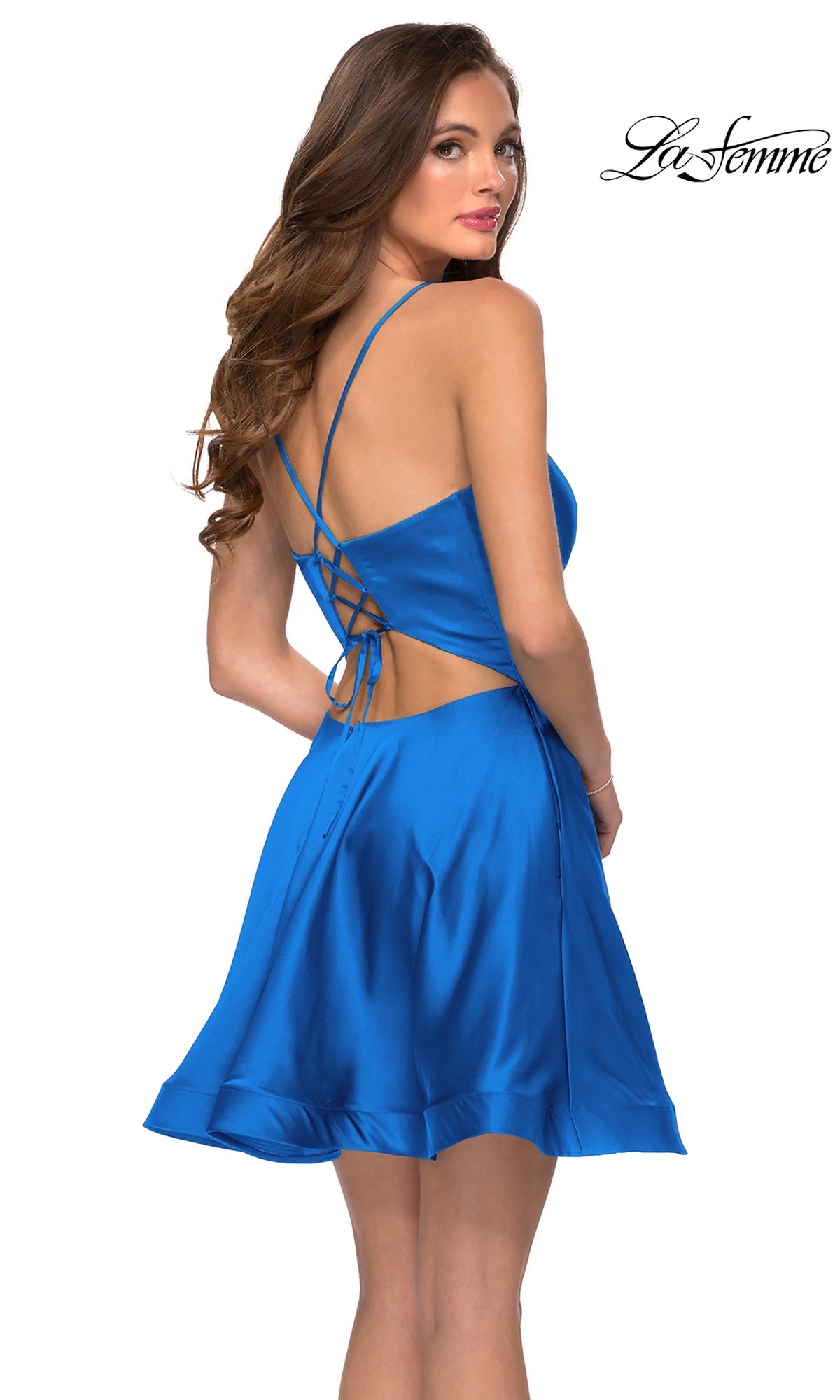
The most expensive, beautifully designed semi-formal dress will fail if it does not fit you impeccably. Fit is the non-negotiable foundation of elegance. This goes beyond standard sizing. Pay meticulous attention to the shoulder seam—it should sit exactly at the edge of your shoulder. The bust should lie flat without gaping or pulling. The waistline should correspond to your natural waist or the dress’s intended design without creating uncomfortable tightness. The hem should be even and at a flattering length. Never underestimate the transformative power of a skilled tailor. As fashion authority Tim Gunn consistently emphasizes, “The single most important component of getting dressed is fit. It’s the difference between looking polished and looking sloppy.” Spending an extra $30-$50 on alterations for a sale-priced dress is a wiser investment than buying a full-price dress that fits poorly. A perfectly fitted dress feels like a second skin, allowing you to move, converse, and engage with effortless comfort. It eliminates the need for constant adjustments, freeing you to be fully present at any event. This is the ultimate goal: your dress should facilitate your experience, not detract from it.

Mastering the semi-formal dress is an exercise in personal empowerment. It is the application of aesthetic principles, social awareness, and practical economics to one of life’s most common sartorial challenges. By understanding its objective characteristics, decoding contextual nuances, and building a strategic, well-fitted wardrobe, you transform dressing from a chore into a choice. You are no longer at the mercy of a vague dress code but are equipped to meet it with definitive style and confidence. The next invitation that arrives is not a source of stress, but an opportunity to express the polished, capable individual you are.