

Mastering Semi-Formal Dresses for Every Occasion
Navigating the world of event attire often feels like deciphering a cryptic code. “Semi-formal” stands as one of the most frequent, yet most misunderstood, directives on an invitation. It occupies the elegant middle ground between the strictness of black-tie and the casualness of everyday wear, offering a canvas for personal style while respecting the decorum of the event. This guide is designed to demystify the semi-formal dress, transforming it from a source of anxiety into an opportunity for sartorial confidence. We will move beyond vague suggestions, providing a structured, evidence-based approach to selecting, styling, and owning this versatile category of dress for any occasion that comes your way.
Decoding the “Semi-Formal” Lexicon: A Scientific Approach to Dress Codes
The term “semi-formal” or “dressy casual” finds its roots in the evolution of Western social etiquette in the 20th century. As social structures became less rigid, dress codes adapted to reflect new norms. According to research into sartorial history, the semi-formal code emerged as a practical solution for evening events that were significant but not overtly ceremonial. It is fundamentally about balanced contrast. Fashion psychologist Dr. Dawnn Karen, in her work on “dress coding,” explains that clothing sends specific cognitive signals to both the wearer and the observer. A semi-formal dress should signal respect for the event’s host and purpose (the formal element) while allowing for individual personality and contemporary trends (the semi, or less formal, element). This is not merely opinion; it’s a principle observed in authoritative style literature from institutions like the Fashion Institute of Technology, which teaches that context is the ultimate dictator of appropriate attire. Therefore, mastering semi-formal is less about memorizing a single outfit and more about understanding the dialectic between personal expression and social context.
The Architectural Elements of a Perfect Semi-Formal Dress
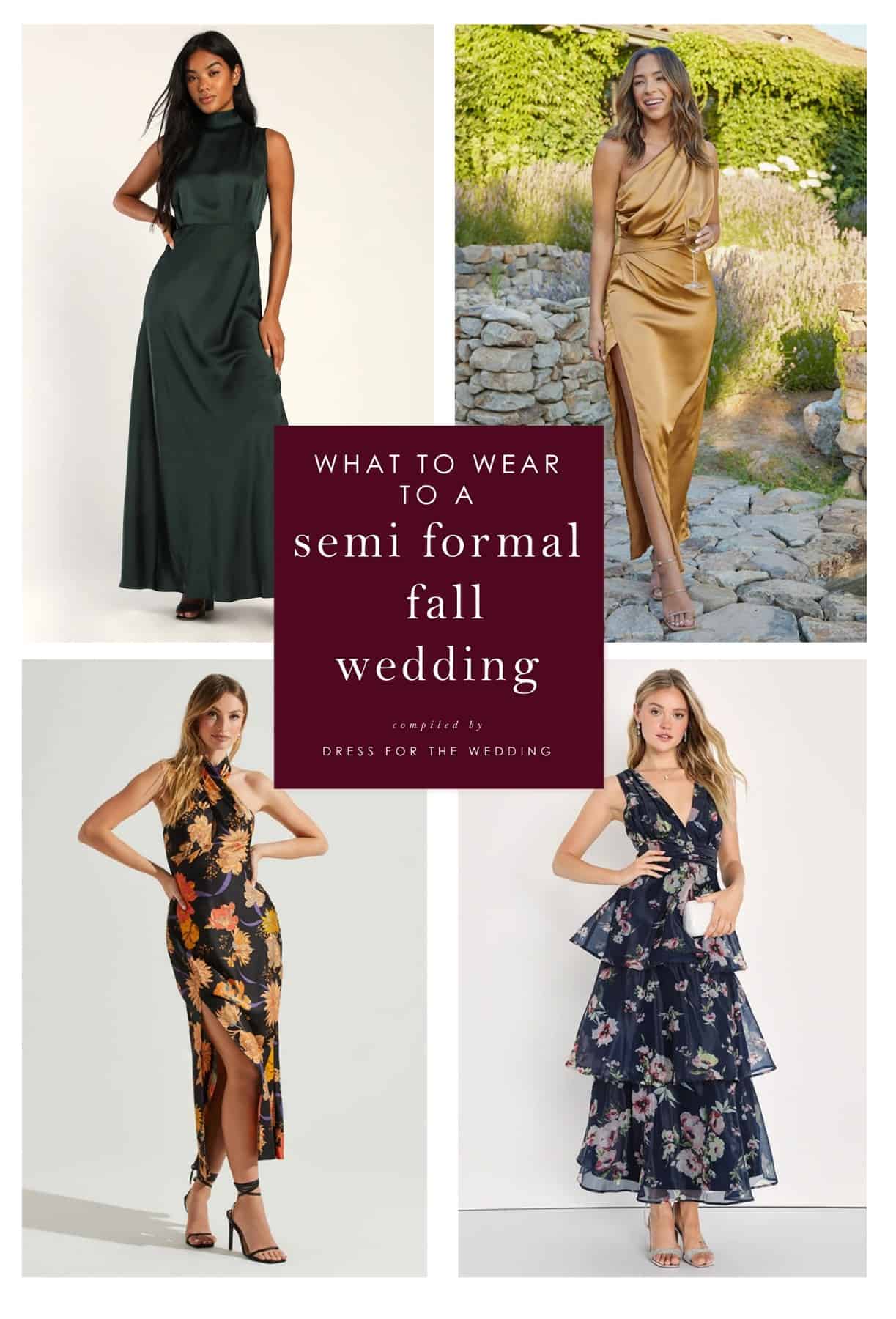
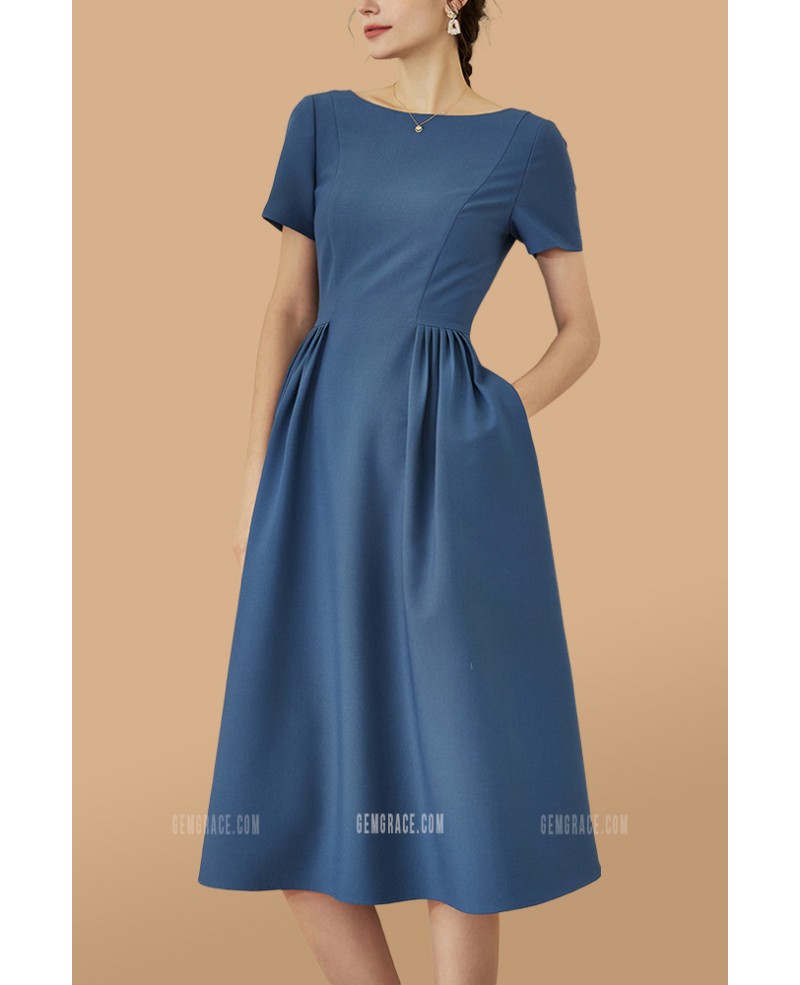
Let’s dissect the anatomy of an ideal semi-formal dress. Objectively, certain design elements consistently align with the code’s requirements. First, length: The most universally accepted length is at or just below the knee. However, contemporary interpretations gracefully accept midi lengths (calf-length) and, for certain trendy events, tasteful shorter hemlines. The key is modesty without frumpiness. Second, silhouette: A-line, fit-and-flare, sheath, and wrap dresses are all excellent foundations. They offer structure and elegance. A bodycon style can venture into semi-formal territory if the fabric is substantial and the overall look is polished, not overtly casual. Third, fabric: This is a critical differentiator. Fabrics like chiffon, lace, satin, crepe, high-quality jersey, and velvet (season-dependent) inherently elevate a garment. They drape well, resist wrinkling, and possess a subtle sheen or texture that reads as “dressed up.” Conversely, everyday cotton, denim, or flimsy polyester often fail to meet the mark. As Tim Gunn, the renowned fashion consultant, famously advocates, it’s about “making it work” with pieces that have integrity and appropriateness for the situation at hand.
Context is King: Occasion-Specific Mastery
The true test of your semi-formal dress prowess is applying it to specific scenarios. For a daytime wedding, especially in a garden or on a beach, lighter fabrics and colors shine. A floral-print midi dress in chiffon is a classic choice. As noted on popular wedding planning sites like The Knot, guests should avoid white or ivory, but can embrace pastels, jewel tones, or sophisticated patterns. For an evening wedding or a cocktail party, the palette can darken and the details can become more dramatic. Think a sleek sheath in emerald green or a lace dress with strategic beading. The setting sun licenses a touch more glamour. The work holiday party or professional gala requires a careful balance. You want to look celebratory without compromising professional dignity. A tailored wrap dress in a rich color or a sophisticated jumpsuit can be perfect. Remember the wisdom from platforms like Quora, where seasoned professionals advise: “When in doubt, err on the side of slightly more formal for work events.” It demonstrates respect for your company and colleagues.
The Strategic Accessory Protocol
Accessories are the punctuation marks of your outfit; they complete the sentence. For a semi-formal look, the goal is cohesive enhancement, not overwhelming distraction. Footwear: Heels are the standard, but the height and style can vary. Elegant block heels, sophisticated sandals (weather permitting), or even pristine, fashion-forward sneakers with a very dressy ensemble can work, as seen on style icons at events like Art Basel. The rule is intentionality. Jewelry: Adopt a focal point strategy. If your dress has a high neckline or intricate detail, statement earrings can be stunning. A simpler dress provides the perfect canvas for a bold necklace. As Coco Chanel’s oft-cited adage suggests, “Before you leave the house, look in the mirror and take one thing off.” This promotes edited elegance. Outerwear: Your coat or wrap must be considered part of the ensemble. A tailored wool coat, a chic leather jacket over a slip dress, or a formal pashmina are all viable options that maintain the dress code’s integrity from the car to the venue.
Building a Cost-Effective Semi-Formal Arsenal: Professional Knowledge Meets Value
Curating a wardrobe of go-to semi-formal dresses need not decimate your budget. The key is strategic investment. Begin with a versatile foundation piece: a little black dress (LBD) in a luxurious-feeling fabric. As famously articulated in film and literature, from Audrey Hepburn in Breakfast at Tiffany’s to the pages of Vogue, the LBD is a sartorial constant because it provides infinite styling possibilities. Next, consider a seasonal color dress in a flattering silhouette. This is where sales and discount retailers are your allies. Websites like Shopbop or Nordstrom Rack often offer previous-season designer pieces at significant markdowns. The professional knowledge here is in fabric assessment: feel the material, check the lining, and examine the stitching. A well-made dress in a classic cut, purchased at a discount, offers far more value and longevity than a cheaply made, trendy item at full price. This approach brings genuine discounted value through informed selection, not just a low price tag.

The Final Fit: Confidence as Your Ultimate Accessory
Ultimately, the most important element of any semi-formal dress is how it makes you feel. The objective guidelines on length, fabric, and context are a framework, but the magic happens when you find a dress that aligns with your personal style and body confidence. A dress that fits impeccably—consider tailoring as a wise investment—will always look more expensive and appropriate than an ill-fitting designer garment. When you step into an event feeling assured and authentic, you have truly mastered the art of semi-formal dressing. It ceases to be a rule to follow and becomes a tool for self-expression within a shared social language. You are no longer just wearing a dress; you are presenting a curated, context-aware version of yourself, ready to engage fully with the occasion at hand.