

Styling Short Dresses for Every Season
The allure of a short dress is timeless and universal. It’s a garment that transcends mere fashion to become a tool for personal expression, adapting with grace to the shifting moods of the calendar. This isn’t about owning a single, perfect dress, but about understanding the versatile language of the short dresses for women. From the crisp air of spring to the deep freeze of winter, a well-considered short dress can be your most reliable and stylish companion. The key lies not in the length alone, but in the fabric, cut, layering potential, and the strategic interplay with accessories. This guide will navigate the sartorial journey through all four seasons, offering objective insights and practical knowledge to build a wardrobe where short dresses are not just for summer, but a foundational piece for every month of the year.
The Spring Awakening: Light Layers and Floral Whispers
Spring fashion is a dialogue between the retreating chill and the promising warmth. This is the season where short dresses for women truly begin to shine, offering a perfect canvas for this transition. The objective here is to select dresses in fabrics that breathe yet provide a modicum of warmth. Cotton poplin, lightweight jersey, and chambray are scientifically ideal; their natural fiber structures allow for air circulation, preventing overheating during warmer afternoon spells, while their inherent weight offers a gentle barrier against morning breezes. A pivotal style for this season is the floral print dress. Its popularity isn’t accidental; it taps into a deep-seated cultural and psychological association with renewal and nature’s bloom, a concept often explored in art history and literature. As noted in analyses of fashion cycles, floral patterns consistently re-emerge each spring, reinforcing a collective, almost subconscious, celebration of the season. The styling trick lies in strategic layering. A denim jacket or a tailored blazer in a neutral tone doesn’t just add warmth; it creates a textural contrast that grounds the femininity of the dress, a technique often highlighted by stylists on platforms like YouTube. For cooler days, opaque tights in a complementary color and ankle boots extend the dress’s wearability seamlessly. The look is finished with a crossbody bag and delicate jewelry, embodying a refreshed and effortless elegance that mirrors the season itself.

Summer’s Spotlight: Breathable Fabrics and Bold Statements
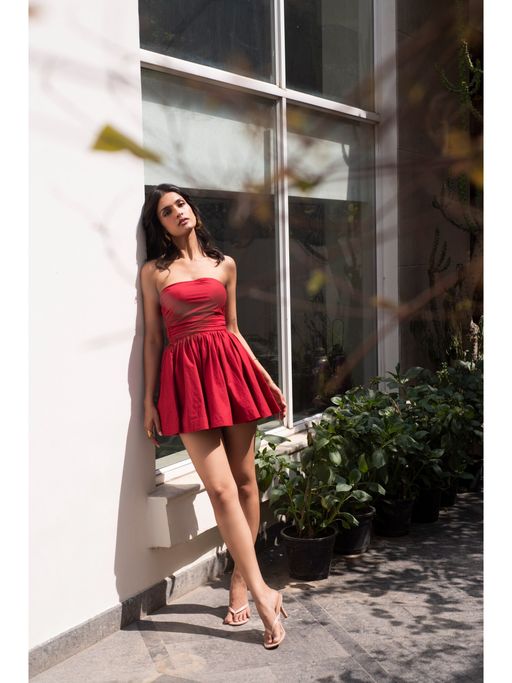
Summer demands a different scientific approach: thermodynamics and comfort. The goal is maximum heat dissipation. This is where fabrics like linen, pure cotton, and rayon come into their own. Linen, made from the flax plant, is renowned for its high moisture-wicking and heat-dissipating properties, a fact frequently cited in textile studies from authoritative institutions. A linen shift or smock dress isn’t just stylish; it’s a practical response to high temperatures. Similarly, cotton allows for evaporation, keeping the body cool. The silhouette also shifts. Flowy A-line cuts, shirt dresses, and relaxed fits promote air circulation, unlike tighter weaves and cuts that trap heat. Summer is also the season for bold statements—vibrant block colors, dramatic stripes, or playful gingham patterns. This aligns with color psychology theories, where bright hues are associated with energy and joy, reflecting the season’s high-energy vibe. Styling is minimalistic to combat the heat. Sandals, whether flat or heeled, are the footwear of choice. A wide-brimmed hat serves a dual purpose: it’s a classic style staple and provides crucial UV protection, a point emphasized by dermatologists and fashion icons alike. Keep accessories to a minimum—perhaps a pair of statement sunglasses and a woven tote. The summer short dresses for women is about embracing ease, color, and the science of staying cool while looking impeccably put-together.
Autumn’s Canvas: Textural Depth and Rich Hues
As the air turns crisp, the short dress evolves from a standalone piece to the central component of a layered ensemble. Autumn styling is an exercise in creating textural depth and visual weight. The dresses themselves transition to heavier fabrics: think wool blends, corduroy, thick knits, and velvets. These materials provide inherent insulation and their tactile surfaces add instant richness to an outfit. The color palette naturally deepens, mirroring the environment. Burgundy, forest green, mustard, and burnt orange dominate, colors often analyzed in design theory for their warmth and grounding properties. The real artistry of autumn lies in the layering. A turtleneck worn underneath a pinafore or slip dress is a classic technique championed by fashion editors from Vogue to Harper’s Bazaar. It adds warmth, a pop of contrast color, and a preppy, intellectual edge. Outerwear becomes integral—a leather moto jacket adds toughness, a trench coat offers timeless polish, and a chunky cardigan provides cozy comfort. On your legs, sheer or patterned tights add both warmth and a detail of interest. Footwear shifts to boots: ankle boots, Chelsea boots, or even knee-highs. This season proves that short dresses for women are not retired but reinvented; they become the versatile middle layer in a sophisticated sartorial equation, offering endless combinations that are as practical as they are stylish.
Winter’s Strategy: Insulating Layers and Defying Expectations
Winter might seem like the natural enemy of the short dress, but with a strategic approach, it can become a powerful tool for defying the dreary winter wardrobe. The challenge is thermal management, and the solution is intelligent layering. Start with a base layer, such as thermal leggings or thin woolen tights, a principle borrowed from outdoor activity apparel. Over this, your dress acts as the insulating mid-layer. Opt for dresses in thick, structured fabrics like wool crepe, tweed, or heavy jersey. A sweater dress, in particular, is a winter powerhouse, combining the comfort of knitwear with a dress’s elegance. The outer layer is critical: a long, insulated coat or a padded parka ensures overall body warmth. The magic trick is in the accessories. Knee-high or over-the-knee boots, preferably with a low block heel for stability on potentially slippery surfaces, provide continuous coverage and a sleek line. They are both fashionable and functional. Don’t underestimate the power of accessories: a substantial scarf, leather gloves, and a beanie hat complete the look while sealing in heat. As many style commentators on platforms like Quora and Twitter note, wearing a short dresses for women in winter creates a striking and confident silhouette—a flash of leg and style against a backdrop of bulky clothing. It’s a bold, modern choice that speaks of planning and panache.

The Universal Principles: Fit, Silhouette, and Personal Alchemy
Beyond seasonal specifics, the enduring success of any short dresses for women hinges on universal principles of fit and silhouette. A well-fitting dress is the non-negotiable foundation. As tailors and fashion theorists often state, the shoulder seam should sit exactly at the shoulder bone, and the waistline should align with your natural waist, regardless of the dress’s intended looseness or tightness. Understanding your body shape (a concept popularized by style systems and supported by countless fashion resources) allows you to choose silhouettes that flatter. An A-line dress skims over the hips, a wrap dress defines the waist, and a shift dress offers a modern, architectural line. The final, and most crucial, element is personal alchemy. Fashion is not a rigid science but a form of self-expression. The references you draw from—be it the minimalist chic of a French New Wave film, the bold patterns of a Yayoi Kusama installation, or the effortless cool of a street-style star—should inform how you wear the dress. This is where you bring professional knowledge to yourself: understanding fabric care, recognizing quality stitching, and knowing how to balance proportions with accessories. And while we discuss the artistry, let’s be practical. Investing in timeless pieces doesn’t mean ignoring value. Look for end-of-season sales, reputable online retailers offering discounts on quality brands, and consider the cost-per-wear of a versatile, well-made dress versus a fast-fashion impulse buy. A classic little black dress from a mid-range brand on sale often offers far better long-term value and style mileage.

The journey through the seasons with a short dress demonstrates its remarkable versatility. It is a garment that refuses to be pigeonholed, adapting through fabric, layer, and accessory to meet the demands of any climate and any occasion. From the floral-printed cotton of spring to the textured wool of autumn, layered over turtlenecks and under trench coats, paired with sandals or boots, the short dresses for women remains a constant in a changing world. It is less about following strict rules and more about embracing a principle of adaptable elegance. By applying a blend of objective textile knowledge, an understanding of color and silhouette, and a dash of personal creativity, you can build a wardrobe where this single item becomes a year-round staple, ensuring you are prepared to express your style with confidence, no matter what the weather forecaster says.