

5 Chic Semi-Formal Dresses for Effortless Style and Versatility
Navigating the world of dress codes can often feel like deciphering a cryptic language. “Semi-formal” or “cocktail attire” frequently appears on invitations, leaving many to wonder about the perfect sartorial choice. The answer, more often than not, lies in a well-curated selection of semi-formal dresses. These garments are the unsung heroes of a versatile wardrobe, bridging the gap between day and night, work and play, with an elegance that feels both intentional and effortless. This isn’t about following rigid rules, but about understanding the principles of design, fabric, and silhouette that create a dress capable of profound adaptability. A true versatile semi-formal dress is an investment in confidence, allowing you to move from a sophisticated afternoon garden party to an intimate evening dinner without a second thought. The magic is in the details—the cut that flatters without constricting, the fabric that drapes without wrinkling, and the color that commands attention without overwhelming. Let’s explore five distinct archetypes of chic semi-formal dresses, each offering a unique path to achieving that coveted blend of style and versatility.
The Timeless Wrap Dress: Engineered for Flattery
The wrap dress stands as a monument to intelligent design in women’s fashion. Its genius lies in a deceptively simple concept: a front closure created by one side of the garment wrapping over the other, typically secured with a tie at the waist. This design creates a V-neckline, a cinched waist, and a flowing skirt—a combination universally acknowledged for its flattering properties. The V-neck elongates the torso and draws the eye vertically, a principle supported by stylists and designers who often use necklines to balance body proportions. The adjustable tie allows for a completely customizable fit, accommodating fluctuations in shape and size, making it a democratic garment. Diane von Furstenberg, who famously proclaimed, “Feel like a woman, wear a dress!”, revolutionized the modern wrap dress in the 1970s, intending it as a symbol of female independence and effortless chic. From a materials science perspective, the ideal wrap dress for versatility is crafted from a jersey or similar knit fabric with excellent recovery. This means the fabric can stretch to fit the body but will return to its original shape, resisting wrinkles and maintaining its form throughout wear. A solid-color wrap dress in a rich hue like emerald green, burgundy, or navy blue transcends seasons and occasions. It can be worn with sleek pumps and statement earrings for a client meeting or a cocktail event, or dressed down with flat sandals and a denim jacket for a sophisticated weekend brunch. Its power is in its architectural certainty; it creates a silhouette that is both powerful and soft.
The Shift Dress: Architectural Minimalism
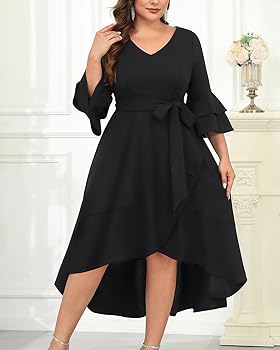
If the wrap dress is a master of soft draping, the shift dress is its counterpart in architectural clarity. Defined by its straight, clean lines that hang from the shoulders without a defined waistline, the shift dress is a study in minimalist sophistication. Its origins are often traced to the 1920s flapper era, but it was designers like Coco Chanel and later, Hubert de Givenchy for Audrey Hepburn, who cemented its status as a timeless icon of elegance. The shift dress operates on the principle of silhouette rather than contour. It offers a modern, sometimes boxy shape that provides comfort and a bold stylistic statement. The versatility of a shift dress is unlocked through fabric choice and detailing. A shift in a luxurious silk crepe or wool blend immediately elevates it to semi-formal territory. The key to avoiding a shapeless look lies in precision tailoring—perfect shoulder seams, a precise neckline (like a boat neck or a modest scoop), and a hemline that hits just above or at the knee. This dress style is exceptionally versatile because it serves as a perfect canvas. Its simplicity allows for dramatic accessories—a chunky necklace, a structured belt to create a waist if desired, or bold, colorful shoes. It pairs impeccably with blazers for a corporate-casual look and stands alone with sheer elegance for an evening event. As fashion critic Sarah Mower has noted, “The best fashion is the kind that doesn’t shout but whispers with confidence.” The shift dress is that whisper. It brings professional polish to a work presentation and understated chic to a gallery opening, demanding attention through its purity of form rather than overt adornment.
The Fit-and-Flare: Celebratory Silhouette
The fit-and-flare dress is the embodiment of joyful elegance. Characterized by a fitted bodice that nips at the waist and a skirt that flares out, this silhouette creates an hourglass figure that has been celebrated in Western fashion for centuries, from Victorian gowns to the iconic designs of Christian Dior’s “New Look” in 1947. The psychological impact of this shape is significant; studies in embodied cognition suggest that clothing that emphasizes the waist can influence perceptions of confidence and femininity. The fit-and-flare is inherently versatile because it balances structure and movement. The fitted top provides a polished, put-together foundation, while the flowing skirt allows for ease and dynamism. For a versatile semi-formal dress in this category, look for materials with body, such as a medium-weight scuba knit, taffeta, or a structured cotton blend. These fabrics hold the flare without adding excessive volume. A fit-and-flare dress in a classic black is a wardrobe staple, but for greater versatility across seasons and moods, consider a jewel tone like sapphire blue or a sophisticated print like a subtle polka dot or a floral pattern scaled for adulthood, not childhood. This dress can transition seamlessly: wear it with a tailored cardigan and low-block heels for a daytime wedding or a festive office party. For evening, remove the cardigan, add strappy heels, and switch to a clutch. Its built-in celebratory nature makes it perfect for occasions where you want to feel special without feeling overdressed, mastering the semi-formal brief with inherent grace.
The Slip Dress: Layering Genius
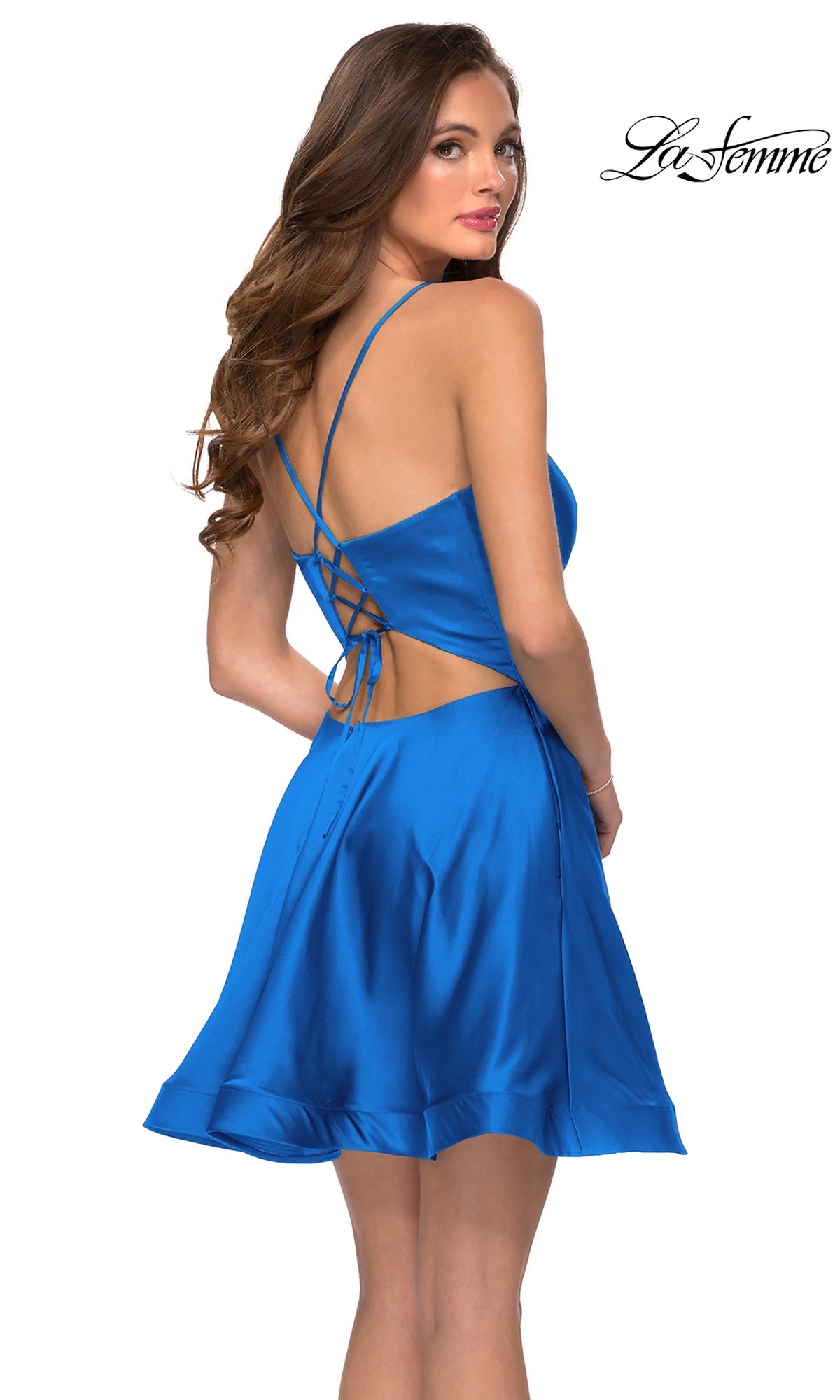
Once relegated to the boudoir, the slip dress was catapulted into the realm of high fashion in the 1990s by icons like Kate Moss and designers at Calvin Klein. Its versatility is almost unparalleled, rooted in its simplicity and its genius as a layering piece. A slip dress is typically cut on the bias (diagonally across the fabric grain), which allows it to drape and cling to the body’s curves in a fluid, sensual manner. It is usually made from slippery fabrics like satin, silk, or chiffon, and features slender spaghetti straps. On its own, a sleek, midi-length slip dress in a solid color is the epitome of minimalist evening wear. However, its true power for the semi-formal realm is unlocked through strategic layering. This is where objective style principles come into play: juxtaposition creates interest. The delicacy of the slip dress is perfectly contrasted by the structure of a tailored blazer or a crisp, oversized white shirt worn unbuttoned over it. In cooler months, a fine-gauge turtleneck worn underneath transforms it completely. This adaptability makes it a cost-effective champion of versatility. As stylist and author Allison Bornstein advocates in her “three-word method” for personal style, a slip dress can easily fit into aesthetic categories like “minimalist, sensual, cool” or “romantic, vintage, ease.” Investing in a high-quality version—paying attention to the weight of the fabric and the finish of the seams—ensures it lays perfectly, whether it’s the star of the show or a foundational layer. It is the ultimate chameleon, capable of projecting a different attitude based on what you pair with it, making it a quintessential versatile piece for the modern wardrobe.
The Midi Shirt Dress: Polished Casualty
The midi shirt dress is the sophisticated evolution of the classic button-down shirt. Falling somewhere between the knee and ankle, this style merges the polished, authoritative feel of tailored suiting with the comfort and ease of a dress. Its versatility is rooted in its hybrid nature. It borrows elements from menswear—the collar, the button placket, the cuff details—which inherently lends it a professional, crisp aura. This makes it an outstanding choice for semi-formal work environments, conferences, or daytime events where intelligence and style must communicate simultaneously. The semi-formal efficacy of the shirt dress is enhanced by its fabric. A crepe, a lightweight wool blend, or a structured cotton poplin will hold its shape and convey quality. The midi length is key for modern versatility; it is conservative enough for professional settings yet fashion-forward and elegant. You can style it precisely as is, belted at the waist with loafers or ankle boots, for a look that is both put-together and accessible. For evening, the transformation is simple: unbutton the collar slightly, swap the loafers for heeled mules or sandals, add bold jewelry, and perhaps trade the belt for a sleek leather one. The shirt dress answers the call for a semi-formal dress that doesn’t sacrifice comfort for style or intelligence for beauty. It is a garment that respects the wearer’s need to move through different facets of life without a complete wardrobe change, embodying a pragmatic yet profoundly stylish approach to dressing.
Curating a wardrobe with these five archetypes of semi-formal dresses is less about accumulation and more about strategic empowerment. Each dress—the flattering wrap, the minimalist shift, the celebratory fit-and-flare, the layered slip, and the polished shirt dress—represents a different philosophy of versatility, united by their ability to meet the semi-formal demand with grace and adaptability. They are tools for self-expression, designed to work across the spectrum of your life’s engagements. By understanding the design principles and material science behind each, you make informed investments that yield endless stylistic returns. The goal is not to own all five, but to select those that resonate with your personal narrative and lifestyle, building a foundation where getting dressed is no longer a challenge but a confident, effortless act of style.
