Mastering Semi-Formal Dresses for Every Occasion
Navigating the world of event attire often feels like walking a sartorial tightrope. You want to look polished and appropriate, but not overly stiff or casual. This is where the semi-formal dress becomes your most versatile ally. It’s not merely a category of clothing; it’s a strategic tool for self-expression and social navigation. This guide moves beyond vague suggestions to provide a concrete, evidence-based framework for selecting and styling semi-formal dresses that empower you for any event on your calendar.
Decoding the Semi-Formal Lexicon: More Than Just “Fancy Casual”
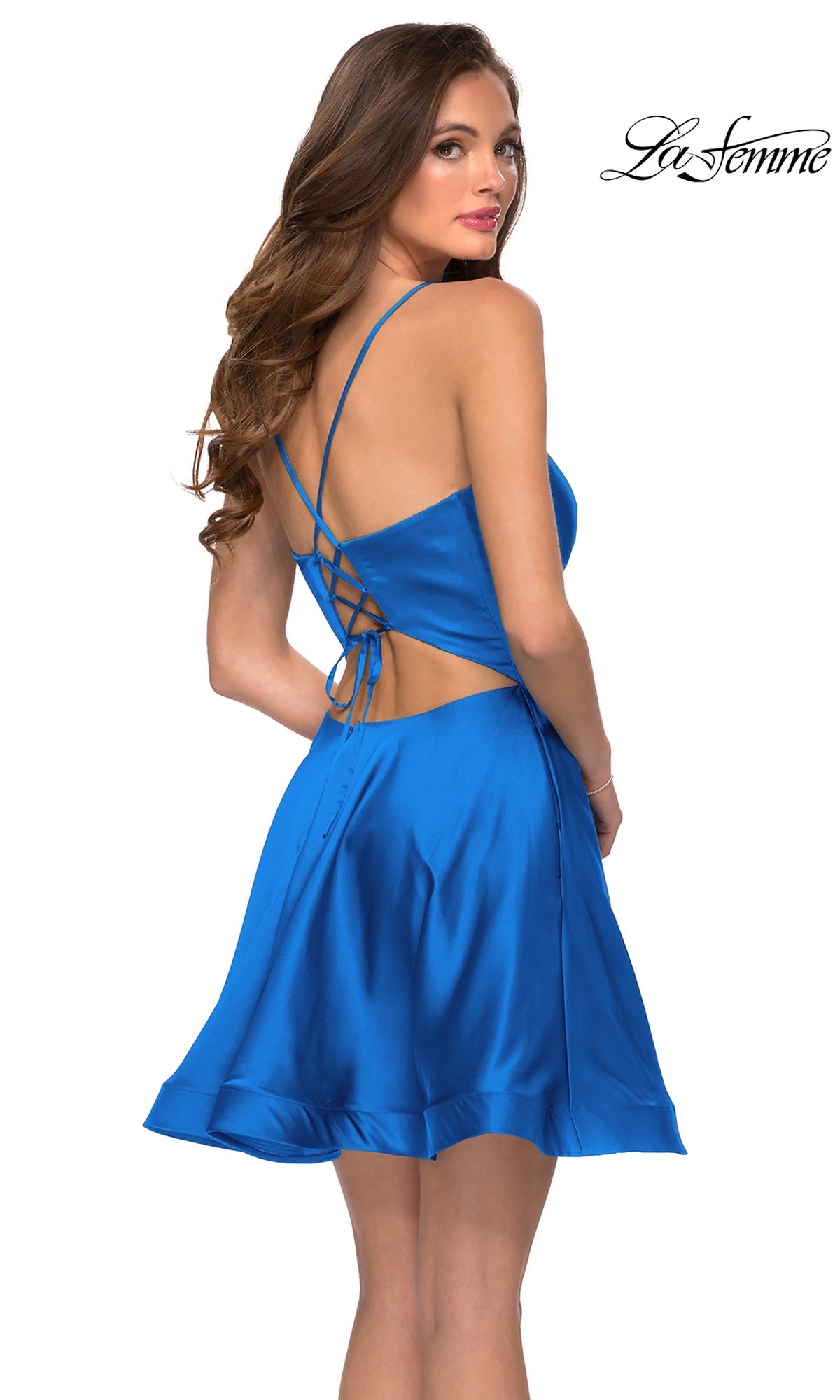
The term “semi-formal” or “dressy casual” often generates confusion, sitting ambiguously between the black-tie grandeur of formalwear and the relaxed nature of business casual. Objectively, semi-formal attire for women typically means a knee-length to midi dress, though a tasteful cocktail-length dress is also perfectly acceptable. Fabrics lean towards elegance—think silk, chiffon, satin, lace, or high-quality jersey—distancing themselves from everyday cotton. The silhouette can range from sleek sheaths to A-lines and fit-and-flare designs. As fashion historian Dr. Valerie Steele of The Museum at the Fashion Institute of Technology has noted, dress codes are a language of social signaling. A semi-formal dress communicates respect for the event and its hosts while allowing significant room for personal style. It signals, “I have made a considered effort,” without stating, “This is the most formal event of my life.” Understanding this nuance is the first step to mastery. The ambiguity is not a flaw but an opportunity; the semi-formal space is where trends from the runway often make their first accessible appearance for everyday glamour.
The Foundation: Silhouettes That Work Universally
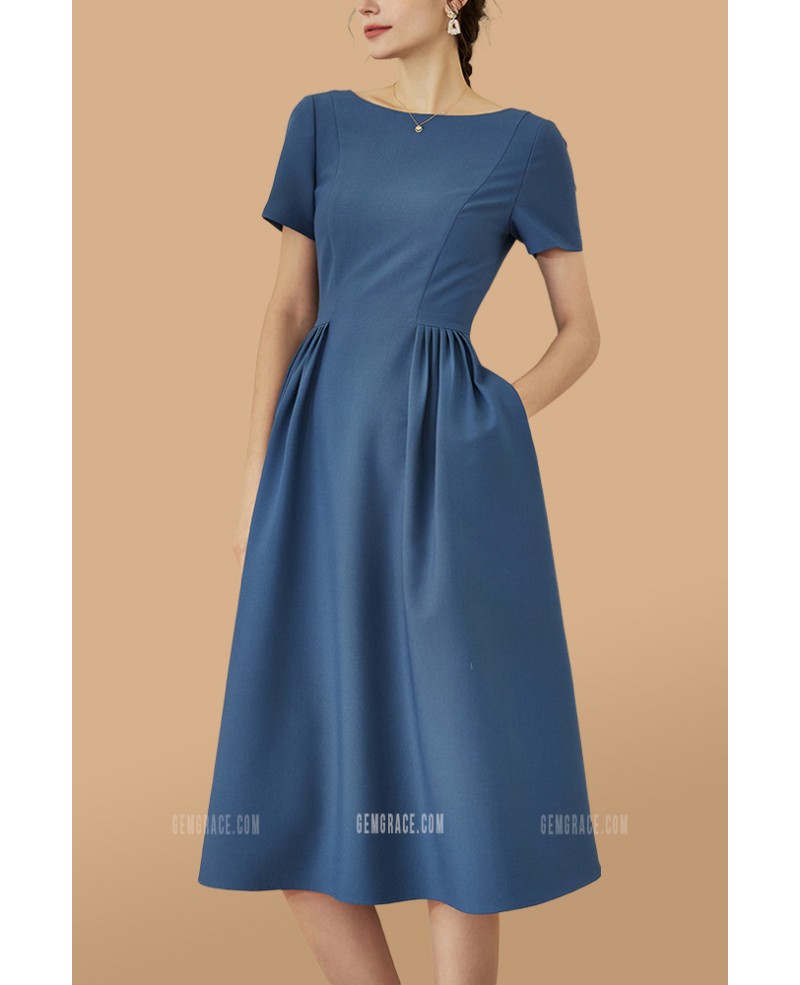
Before considering color or pattern, the foundation of a great semi-formal dress lies in its silhouette. Certain cuts have earned their perennial status through a combination of flattery and adaptability. The sheath dress, for instance, offers a clean, body-skimming line that projects confidence and sophistication. It finds endorsement from style icons like Audrey Hepburn, whose iconic Givenchy dresses often followed this streamlined principle. Conversely, the A-line dress, with its fitted bodice and skirt that flares gently from the waist, is celebrated for its universally flattering shape, accommodating various body types with grace. This design principle echoes the “Golden Ratio” concepts often discussed in art and design theory, creating a balanced visual proportion. Another powerhouse is the fit-and-flare, which emphasizes the waist before releasing into a fuller skirt, offering both structure and movement. When selecting your foundational piece, consider your personal comfort and the event’s physical demands. A garden wedding might call for the breezy movement of an A-line, while a gallery opening might be better suited to the sleekness of a sheath. Investing in one well-constructed dress in a neutral color with one of these silhouettes is more valuable than several trend-driven pieces, as it provides a reliable canvas for endless accessorizing.
The Psychology of Color and Fabric in Context
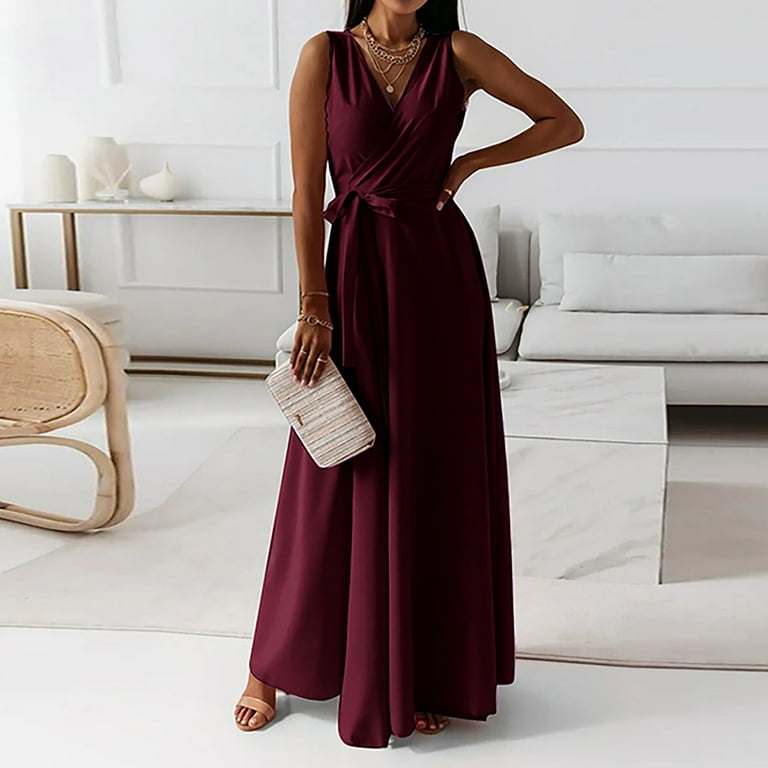
Your choice of color and fabric is not merely aesthetic; it’s a non-verbal communication tool loaded with psychological and cultural meaning. For daytime semi-formal events, such as brunches or afternoon ceremonies, lighter hues like pastels, creams, and soft florals are traditionally aligned with the ambient light and generally more cheerful mood. Darker, richer colors—navy, emerald, burgundy, or classic black—transition seamlessly into evening events, conveying depth and formality. The science of color psychology, as explored by institutions like the Pantone Color Institute, confirms that colors evoke specific responses; blue can communicate trust and calm, while red draws attention and exudes energy. Fabric choice is equally strategic. A silk wrap dress, for example, offers drape and luxury suitable for a dinner party, while a structured lace dress provides modest coverage and intricate texture ideal for religious or conservative ceremonies. As designer Diane von Fürstenberg famously championed, the wrap dress itself is a triumph of semi-formal design because it adapts to the wearer’s body, offering both comfort and tailored elegance. Consider the season and setting: chiffon and linen for summer soirees, velvet and heavier jerseys for winter gatherings. This deliberate selection process ensures your attire is contextually harmonious.

Strategic Styling: The 20% That Changes 100% of the Look
A semi-formal dress is a masterpiece waiting for its final touches. Styling is where you inject personality and perfectly calibrate the formality level. The principle of “cost per wear” from personal finance advice applies beautifully here: a single versatile dress, transformed by different accessories, can feel like multiple outfits. For a modern professional event, pair a simple sheath with a structured blazer and pointed-toe flats or low heels. Swap the blazer for a statement necklace and metallic heels, and you’re ready for a cocktail party. The influence of cinema provides excellent templates. Observe the styling in films like Crazy Rich Asians—the characters’ evening looks often start with an elegant dress elevated by exquisite, bold jewelry and impeccable hair, demonstrating how accessories define the occasion. Footwear is a critical lever: strappy sandals elevate, sleek boots edge, and elegant loafers smart-casualize. A pashmina or tailored jacket isn’t just practical for temperature changes; it adds a layer of sophistication. Your bag should be compact and refined—a clutch or small structured purse. Remember, the goal is cohesion, not clutter. Each added element should serve a purpose, either functional or aesthetic, building a complete sartorial narrative around your core dress.
Navigating Specific Occasions with Evidence-Based Choices
Let’s apply this framework to concrete scenarios. For a wedding, unless specified otherwise, a semi-formal dress is a safe and stylish bet. Avoid white or ivory (to not overshadow the bride, a well-documented Western etiquette rule), and very short or overly revealing cuts. A knee-length lace fit-and-flare or a flowing midi chiffon dress are perennial favorites. For a work holiday party, you’re navigating professional and social spheres. A dress in a festive color like jewel-toned green or silver, with a modest neckline and hemline, strikes the right balance. As suggested by many career advice columns on Forbes or LinkedIn, your office party look should be “one step above” your daily workwear. A cocktail party invitation is the classic domain of the semi-formal dress. Here, you can embrace more playful elements—a metallic thread, a bold pattern, or a unique neckline. The “cocktail attire” definition on platforms like Wikipedia and major fashion retailer sites consistently points to knee-length dresses as the standard. For graduations or gallery openings, where the focus is on celebration and intellect, choose clean lines and sophisticated fabrics. A tailored shift dress or a smart wrap dress communicates respect for the achievement or artistry on display.
Investment Logic: Building a Cost-Effective, Timeless Wardrobe
Building a capsule of go-to semi-formal dresses is an exercise in intelligent consumption. The goal is to acquire pieces with high versatility and longevity, maximizing your cost per wear. Start with two foundational dresses: one in a dark neutral (black, navy, charcoal) and one in a versatile seasonal color (burgundy for fall/winter, sage green for spring/summer). Prioritize quality of construction—check seams, lining, and fabric content—over fleeting trends. Brands that specialize in work-to-evening wear often excel here. This approach is supported by the “capsule wardrobe” philosophy advocated by style experts from France to Japan, which emphasizes fewer, better items that mix and match seamlessly. Once your foundations are set, you can add one “statement” dress every season or two, perhaps following a current trend you genuinely love. Furthermore, knowing where to shop during sales cycles (end-of-season, major holidays) and utilizing price-tracking tools can bring designer-inspired quality within a reasonable budget. This strategy is not about minimalism for its own sake, but about curating a personal arsenal that eliminates outfit anxiety and ensures you are always appropriately, and beautifully, dressed.
Your Curated Style, Confidently Worn
The true mastery of semi-formal dresses culminates not just in the items you own, but in the confidence with which you wear them. This confidence stems from knowing your choices are informed, appropriate, and authentically reflective of your style. You have decoded the dress code, selected a silhouette that flatters and empowers, chosen color and fabric with intention, and styled with strategic precision. This process transforms getting dressed from a chore into an act of self-presentation. Whether you’re toasting at a wedding, networking at a corporate event, or celebrating a personal milestone, your semi-formal dress is more than fabric; it’s your armor and your expression. With this framework, you can step into any semi-formal occasion not with uncertainty, but with the assured knowledge that you are perfectly attired for the moment.