

Mastering Semi-Formal Dresses for Every Occasion
Navigating the world of event attire often feels like deciphering a cryptic code. “Cocktail attire,” “business casual,” “dressy casual”—the terms blur, leaving you staring into a closet full of clothes with nothing to wear. The sweet spot, the versatile hero of modern wardrobes, is the semi-formal dress. It’s not the strict formality of a black-tie gown, nor the relaxed ease of a sundress. It is a deliberate, elegant middle ground that speaks of sophistication and situational awareness. This guide isn’t about rigid rules, but about understanding the principles that make a semi-formal dress your most reliable sartorial partner. We’ll dissect the anatomy of these dresses, explore their application across myriad events, and arm you with the knowledge to select, style, and own this category with confidence, all while considering how to build this versatility into your wardrobe intelligently.
The Anatomy of a Semi-Formal Dress: Decoding the Elements
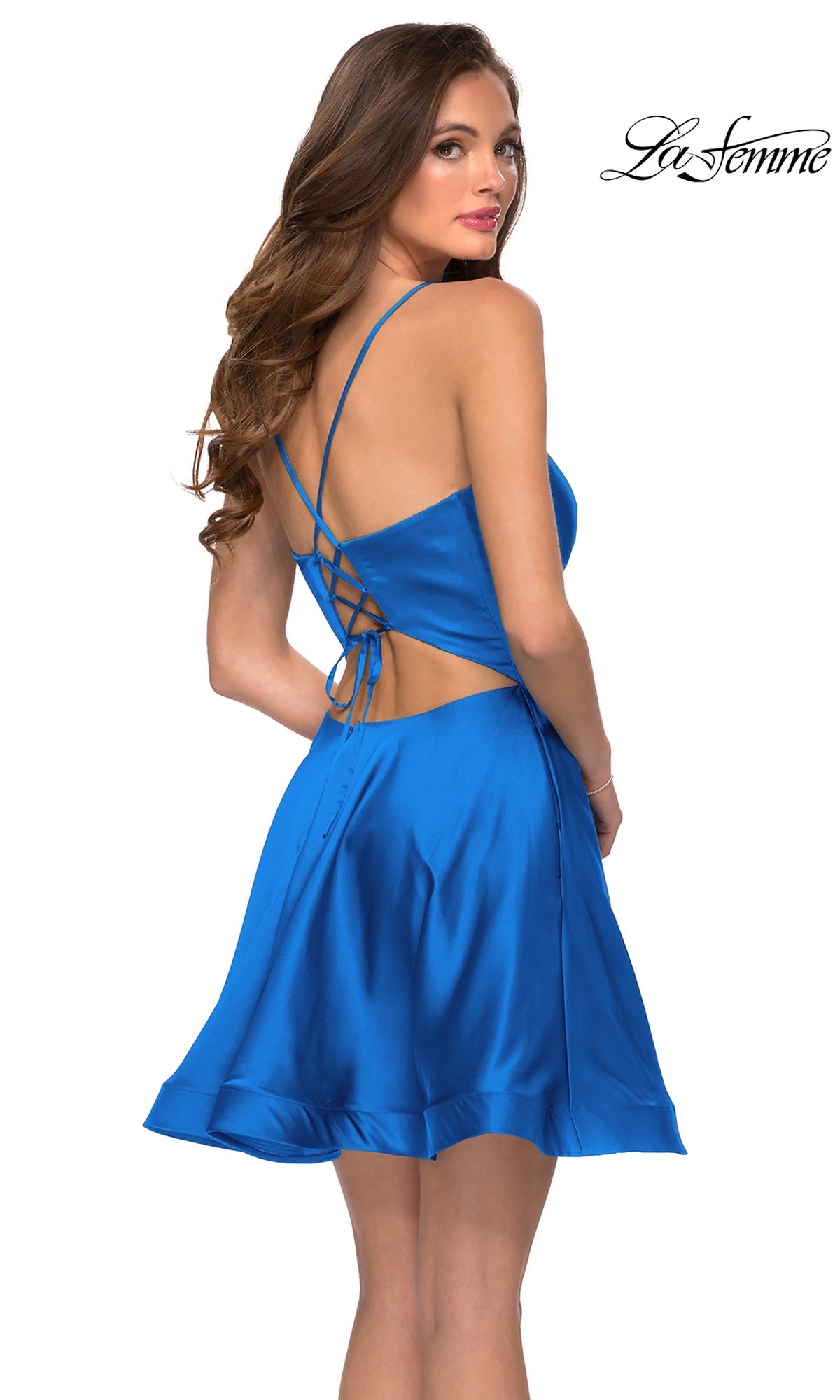
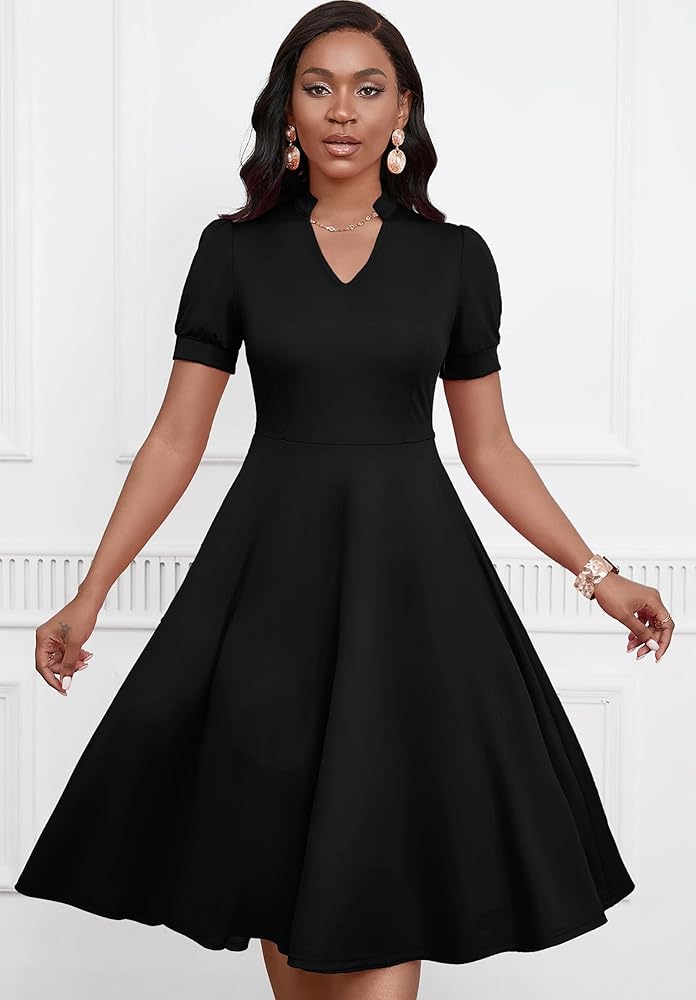
To master something, you must first understand its components. A semi-formal dress is defined by a confluence of specific elements: length, fabric, silhouette, and detailing. The most common and universally accepted length is at or just above the knee, though a tasteful midi length (falling between the knee and ankle) is equally appropriate and has seen a major resurgence. This length inherently balances polish with practicality. Fabric is a primary differentiator. Think substantial materials: silk, satin (especially matte varieties), chiffon, lace overlays, high-quality jersey, or crepe. These fabrics drape elegantly, hold their structure, and avoid the casual connotations of cotton or thin polyester. Silhouette offers the greatest range. The sheath dress, with its clean, body-skimming lines, is a cornerstone. Fit-and-flare styles, which nip at the waist and flow out over the hips, offer a classic, feminine shape. A-line dresses, narrowing at the waist and flaring outward, are universally flattering. Even a slip dress can be semi-formal when rendered in a rich fabric like silk satin and paired appropriately. Detailing should be refined, not overwhelming. Consider a delicate lace panel, a tasteful keyhole back, subtle beading, or strategic draping. The goal is an impression of considered elegance, not theatrical spectacle. As fashion historian Valerie Steele notes in her work for The Museum at the Fashion Institute of Technology, “The post-war era saw the codification of ‘cocktail attire’ as a distinct category, championed by designers like Dior, which explicitly occupied the space between daywear and evening grandeur.” This historical context underscores that semi-formal is a deliberate, established tier of dress, not an afterthought.

Occasion Translation: From Garden Party to Evening Soirée
The true power of a semi-formal dress is its chameleon-like ability to adapt. Let’s translate the dress code into real-world scenarios. For a daytime wedding or a garden party, opt for lighter colors—floral prints, pastels, or soft greens and blues. Fabrics like chiffon or light lace are perfect. A dress with a modest neckline and a flowy skirt aligns with the sun-dappled, celebratory vibe. The key is to look celebratory without outshining the bride; it’s a supporting role, not the lead. Transitioning to an evening cocktail party or a work-related gala, the palette darkens. Embrace jewel tones—emerald, sapphire, ruby—or classic black. A sleek sheath or a velvet midi dress projects confidence and professionalism. Here, the semi-formal dress acts as armor, conveying competence and style. For a sophisticated dinner date or a theater outing, this is your chance to inject personal flair. Perhaps it’s a dress with an interesting architectural neckline, a back detail, or a luxurious texture like faille or duchesse satin. The setting calls for intimacy and allure, and your dress should facilitate that conversation. The common thread is appropriateness; as style authority Tim Gunn often emphasizes, it’s about “appropriate dressing.” You are responding to the environment, the host’s expectations, and the social contract of the event. A well-chosen semi-formal dress does this seamlessly, making you feel a part of the occasion, not apart from it.
The Strategic Wardrobe: Investment vs. Trend
Building a capsule of semi-formal dresses is an exercise in strategic fashion. This isn’t about impulsive buys for one-off events; it’s about curated investment. The first principle is color strategy. Start with a foundational neutral—a perfect black dress is a cliché for a reason. But move beyond to a navy, a charcoal, or a cream. These form your base. Then, add one or two dresses in “power colors” that suit your complexion and make you feel vibrant. A study from the Journal of Fashion Marketing and Management suggests that color significantly impacts perceived personality and situational appropriateness. Next, consider silhouette diversity. Own a tailored sheath for corporate events, a fit-and-flare for weddings, and perhaps a elegant slip dress for more fashion-forward evenings. This covers your stylistic bases. Regarding trends, practice the “one element” rule. Let a current trend—be it puff sleeves, a particular print, or a slit—be the accent on a classic, well-made dress, not its entire identity. This ensures longevity. The financial logic is clear: investing in two or three high-quality, versatile dresses from reputable retailers or direct-to-consumer brands known for craftsmanship often yields a better cost-per-wear and more satisfaction than numerous cheaper, trend-driven pieces. Look for end-of-season sales, sample sales, or members-only discounts from these quality-focused brands to acquire these staples at a more accessible price point, bringing professional-level style within a reasoned budget.
Personal Narrative: The Dress as a Tool of Expression
While rules and strategies provide a framework, the final, most crucial layer is personal expression. A semi-formal dress is a blank canvas upon which you project your identity. The choice of dress communicates before you speak. Are you in a bold, geometric-patterned dress? You might be signaling creativity and confidence. A soft, draped dress in a neutral tone might communicate approachable elegance. This is where accessories become your vocabulary. The same little black dress can tell a hundred different stories: paired with statement art deco jewelry and sleek pumps for a Gatsby-esque feel; with a leather jacket and ankle boots for a downtown edge; or with a delicate pearl necklace and ballet flats for timeless grace. Your comfort in the dress is paramount. If you are constantly adjusting straps or feeling restricted, it will show. The right dress allows you to forget about it and engage fully with the world. As iconic designer Coco Chanel purportedly advised, “Dress shabbily and they remember the dress; dress impeccably and they remember the woman.” The goal of mastering semi-formal dressing is to reach that state of impeccable ease, where the dress serves you, not the other way around. It becomes a tool for navigating social and professional landscapes on your own terms.
Beyond the Purchase: Care, Alteration, and Mindset
Mastery extends beyond the point of sale. To truly own your semi-formal dresses, you must care for them. Adhere to label instructions religiously. Often, gentle hand washing or professional dry cleaning is required to maintain the integrity of delicate fabrics. Proper storage—using padded hangers for straps, garment bags for protection—is non-negotiable. More importantly, embrace the tailor. The single greatest differentiator between an outfit that looks “bought” and one that looks “bespoke” is fit. A tailor can nip in a waist, shorten a hem to the most flattering length for your height, or adjust straps. This customization makes the dress uniquely yours and elevates its appearance exponentially. Finally, cultivate the right mindset. Viewing these dresses as a functional toolkit removes the anxiety from dressing. When an invitation arrives, you can assess the venue, time, and implied formality, then confidently select from your curated collection, knowing you are prepared. This preparedness breeds a quiet confidence that is the ultimate accessory. It’s the knowledge that you have successfully decoded the dress code and presented the most polished, authentic version of yourself for the occasion at hand.

The journey to mastering semi-formal dresses is an ongoing dialogue between external guidelines and internal style. It begins with understanding the objective criteria—fabric, length, cut—that define the category. It expands through the practical application of these principles across the spectrum of social engagements, from afternoon celebrations to evening professional functions. It is solidified through strategic acquisition, focusing on versatile investments over fleeting trends, and enhanced by seeking out quality pieces at advantageous prices through savvy shopping. Ultimately, it culminates in the personalization of these garments, where through fit, accessories, and attitude, a dress transforms from mere attire into an extension of self. This mastery doesn’t confine; it liberates. It provides a reliable sartorial language for the complex, beautiful, and varied performance of modern life.