

Mastering Semi-Formal Dresses for Every Occasion
Navigating the world of dress codes can often feel like deciphering a cryptic language. Among the most versatile yet frequently misunderstood categories is the semi-formal dress. It’s the sartorial sweet spot that bridges the gap between casual comfort and formal grandeur, offering a canvas for personal expression while adhering to a framework of refined elegance. This guide isn’t about rigid rules; it’s about unlocking the principles that make a semi-formal dress the most powerful item in your wardrobe. We’ll move beyond vague definitions to explore the objective elements—fabric, silhouette, and context—that define this category, drawing from design theory, cultural observations, and practical wisdom to equip you with the knowledge to select, style, and own this look for any event life presents.
The Anatomy of a Semi-Formal Dress: Decoding the Elements
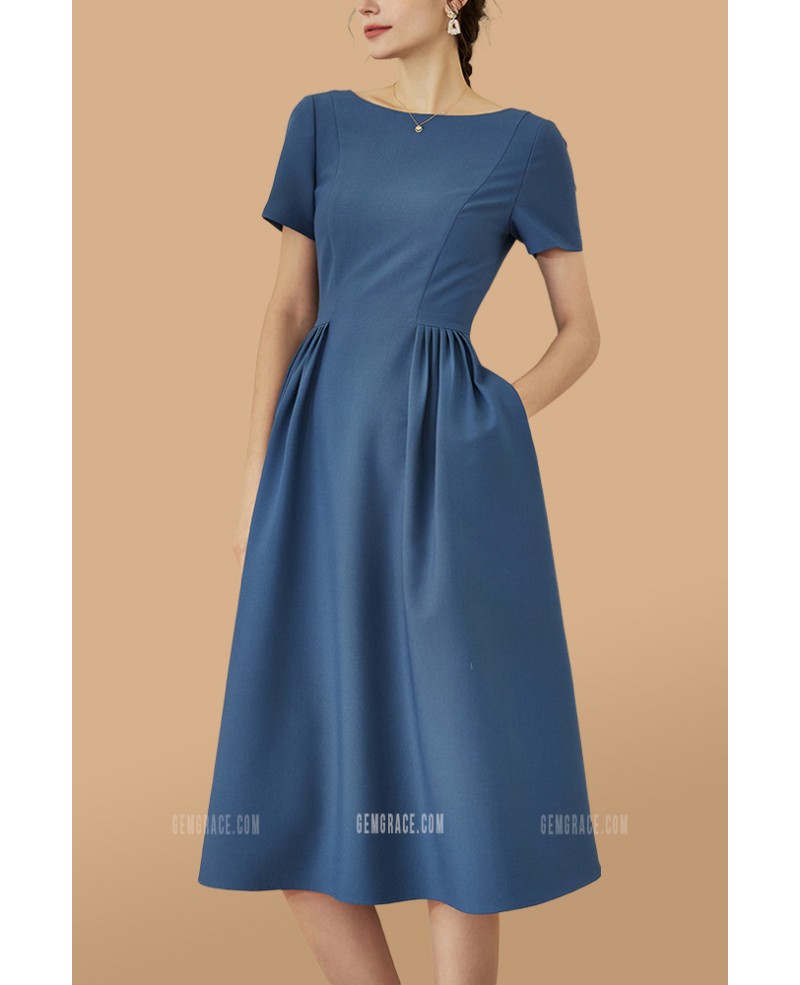
To master the semi-formal dress, one must first understand its constituent parts. This is not merely a “less formal” version of a gown; it operates under its own design logic. Scientifically, our perception of formality is tied to specific visual and tactile cues. According to research in aesthetic psychology, factors like texture, structure, and complexity directly influence our cognitive assessment of an outfit’s appropriateness. A semi-formal dress typically employs mid-weight fabrics such as crepe, satin, jacquard, or high-quality lace—materials that drape well and convey a sense of intentionality without the heavy stiffness of brocade or the sheer volume of taffeta often reserved for black-tie events. The silhouette is paramount. Think knee-length to midi hemlines, though a tasteful tea-length can also qualify. The cut should be refined: a tailored sheath, an A-line skirt, or a fit-and-flare design. As renowned fashion historian Valerie Steele noted in her work for The Museum at the Fashion Institute of Technology, “The 20th-century evolution of the cocktail dress—the quintessential semi-formal dress—was a response to new social spaces that demanded elegance with mobility.” This historical perspective underscores that semi-formal attire is fundamentally linked to modern, dynamic social interaction. Sleeves can vary from cap to full-length, and necklines range from classic V-necks and jewel lines to sophisticated halters, always avoiding extremes of both coverage and exposure. The goal is a polished, put-together appearance that feels special yet effortless.
Context is King: Interpreting the Occasion
The brilliance of the semi-formal dress lies in its chameleon-like ability to adapt, but this requires acute contextual awareness. An outfit perfect for an evening wedding reception may overwhelm a daytime garden party. Let’s break this down objectively. For daytime events—brunches, garden parties, or afternoon weddings—opt for lighter colors, breathable fabrics like linen blends or cotton sateen, and potentially playful prints. The mood is bright and airy. As the sun sets, the palette can deepen. Evening semi-formal events, such as cocktail parties, dinners, or galas, call for richer hues, more luxurious fabrics like velvet or silk, and added sparkle through subtle sequins or metallic threads. Consider the venue with the scrutiny of a location scout. A museum gala demands a different vibe than a rooftop bar gathering. This isn’t guesswork; it’s social semiotics. The setting provides non-verbal cues about expected behavior and attire. To solidify this point, we can look to public figures known for their sartorial precision. Stylist and image architect Law Roach, who dresses Zendaya, often emphasizes narrative dressing: “Every outfit should tell the story of where you’re going.” This philosophy is key for semi-formal mastery. Your dress should converse with its environment, not clash with it. Is the event in a sleek urban loft or a rustic barn? Your fabric choice and aesthetic details should acknowledge that setting, creating harmony between your person and the place.
The Strategic Wardrobe: Building a Versatile Foundation
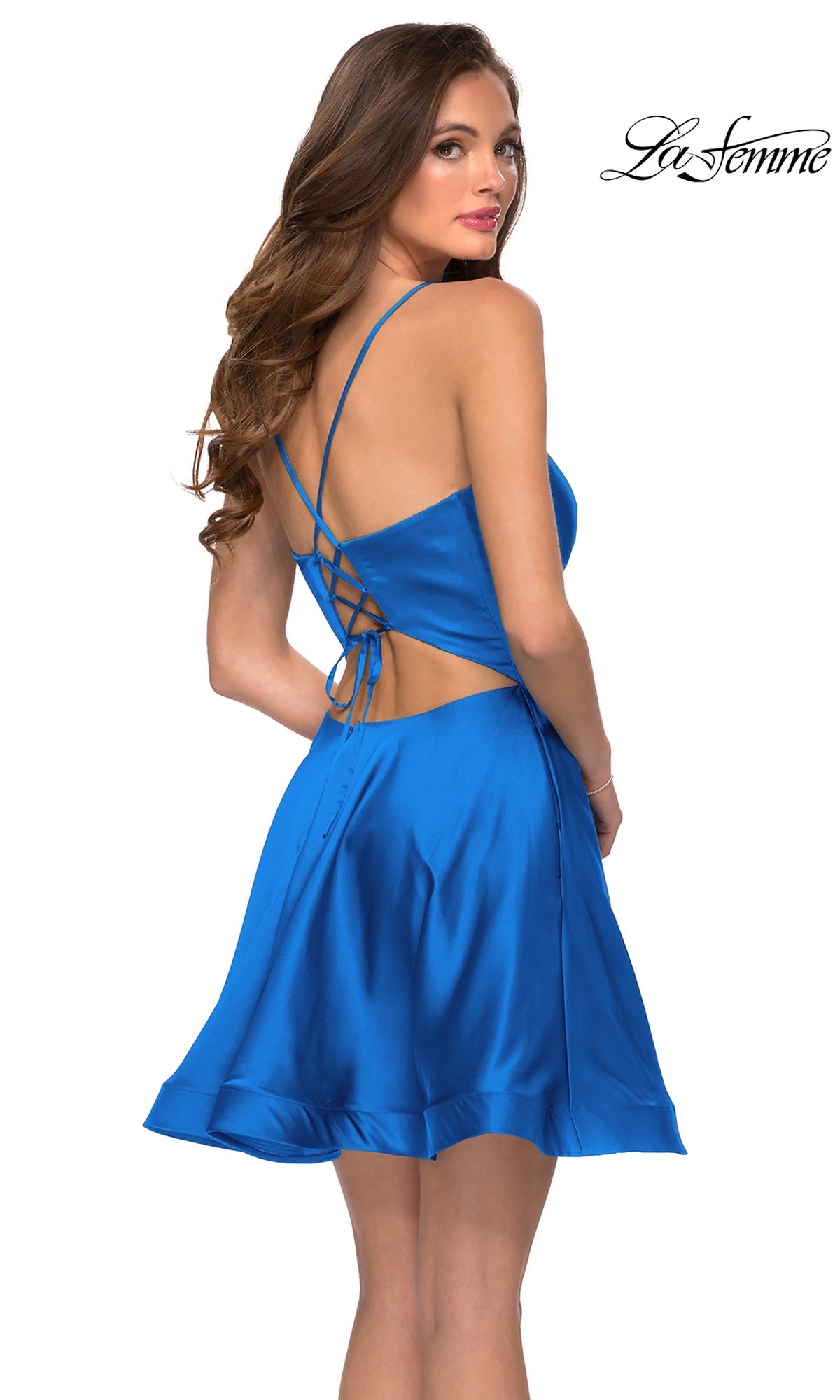
Building a capsule of semi-formal dresses is an exercise in strategic investment. The goal is to acquire pieces that offer maximum versatility through timeless design and high-quality construction. Start with the foundational Little Black Dress, but elevate the concept. Instead of a basic sheath, choose one with interesting architectural details—a strategic cut-out, an asymmetric hemline, or dramatic sleeves. This becomes your reliable anchor. Next, introduce a dress in a jewel tone like emerald, sapphire, or ruby. These colors photograph beautifully and exude confidence, suitable for a wide array of evening events. A third pillar could be a sophisticated print, such as a geometric pattern or a subdued floral, which works wonderfully for daytime-to-evening transitions. The economic principle of cost-per-wear is your ally here. Investing in a well-made dress from a reputable brand that uses quality natural fibers may have a higher upfront cost but delivers superior longevity, fit, and overall value compared to fast-fashion alternatives. This is where professional knowledge meets practical benefit. Look for reinforced seams, lined interiors, and fabric that retains its shape and color after multiple wears and cleanings. This approach not only builds a sustainable wardrobe but also ensures you always have an appropriate, elegant option at the ready, eliminating last-minute outfit panic and the need for repetitive purchases.
Accessorizing with Intention: The Finishing Touch
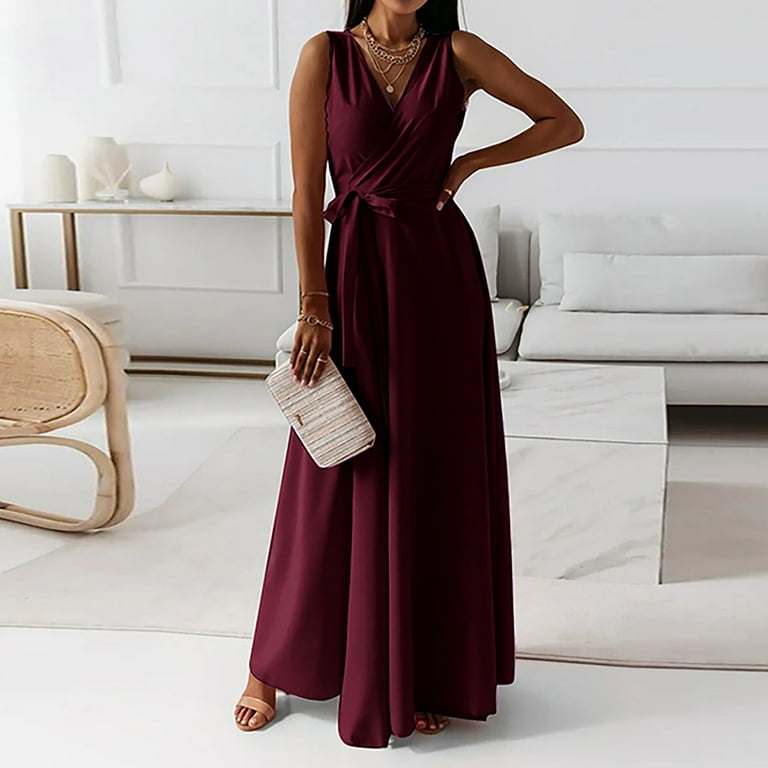
A semi-formal dress provides the foundation, but accessories orchestrate the final symphony. The key is intentional curation, not accumulation. Begin with footwear. A classic pump in a neutral patent leather is a workhorse, while a strappy sandal or a block-heel mule can inject modernity. The height should allow you to move and socialize comfortably—this is not the domain for untested, sky-high stilettos. Handbag selection follows a “less is more” doctrine. A structured clutch or a small, elegant shoulder bag is ideal; it should hold essentials without bulging. Jewelry is where personality shines, but balance is scientific. The concept of visual weight, borrowed from design theory, suggests that if your dress has a high neckline or detailed bodice, opt for statement earrings and forgo a necklace. Conversely, a simple V-neck dress is the perfect canvas for a pendant or layered chains. As Coco Chanel’s often-referenced advice goes, “Look in the mirror and take one thing off.” This timeless tip underscores the elegance of restraint. Finally, consider outerwear. A tailored blazer, a chic leather jacket for cooler evenings, or a elegant wrap can seamlessly transition your look from indoors to outdoors while adding a layer of sophistication. Each accessory should serve a purpose, either functional or aesthetic, contributing to a cohesive and polished whole.
Confidence as the Ultimate Accessory
Ultimately, the most critical element you wear with any semi-formal dress is confidence. This isn’t a platitude; it’s a psychological reality. Studies on enclothed cognition, such as those published in the Journal of Experimental Social Psychology, demonstrate that the symbolic meaning of clothing can systematically influence the wearer’s psychological processes. When you feel your attire is appropriate and flattering, it directly impacts your posture, demeanor, and interpersonal interactions. Choosing a dress that aligns with your personal style—whether minimalist, romantic, or bold—ensures you feel authentic, not costumed. This authenticity is palpable. It’s the difference between wearing a dress and owning it. Your comfort allows you to engage fully with the event, to converse freely, to dance, and to enjoy the moment without constant adjustments or self-consciousness. This inner assurance completes the outfit in a way no accessory ever could. It transforms a beautiful garment into a powerful expression of self, making you not just an attendee at an occasion, but a vibrant part of its atmosphere.
Mastering the semi-formal dress is an empowering journey into mindful dressing. It moves you from following rules to understanding principles—of design, context, and personal expression. By focusing on quality fabrics, intentional silhouettes, and strategic accessorizing, you build a wardrobe that works for you, offering endless versatility for the myriad occasions that shape our lives. Remember, the perfect dress is not the one that merely meets a code, but the one that makes you feel unmistakably, unshakeably yourself.