

Mastering the Versatility of Shift Dresses
In the lexicon of fashion, few garments claim the enduring, transformative power of the shift dress. It is not merely a piece of clothing; it is a sartorial proposition of freedom, a canvas for personal expression that transcends age, occasion, and body type. This exploration is not about following a trend but about unlocking a foundational principle of style. The shift dress offers a unique alchemy of simplicity and statement, a silhouette that empowers the wearer by its very refusal to constrain. To master its versatility is to command a tool that streamlines your wardrobe, clarifies your aesthetic, and delivers unparalleled value, merging professional insight with accessible style.
The Architectural Foundation: Defining the Silhouette
To appreciate the versatility of the shift dress, one must first understand its architectural DNA. Objectively, a shift dress is defined by its straight, clean lines. It typically falls from the shoulders in a relatively unbroken column, with little to no waist definition through darts or seams. This structural simplicity is its greatest strength. As fashion historian Valerie Steele notes in her work for The Museum at the Fashion Institute of Technology, the shift emerged as a radical departure from the cinched, formal silhouettes of the 1950s. It was, in essence, a garment of liberation. This scientific approach to design—prioritizing geometry over contour—creates a universally flattering effect. The lack of constriction means the dress skims rather than clings, creating an elegant, forgiving line that accommodates a wide range of body shapes. From the minimalist wool shifts championed by designers like Givenchy in the early 1960s to the modern interpretations seen today, this core principle remains unchanged. The silhouette acts as a neutral frame, putting the emphasis squarely on the individual—her posture, her confidence, and her chosen accessories.
Beyond the Basic: The Material World of Shift Dresses
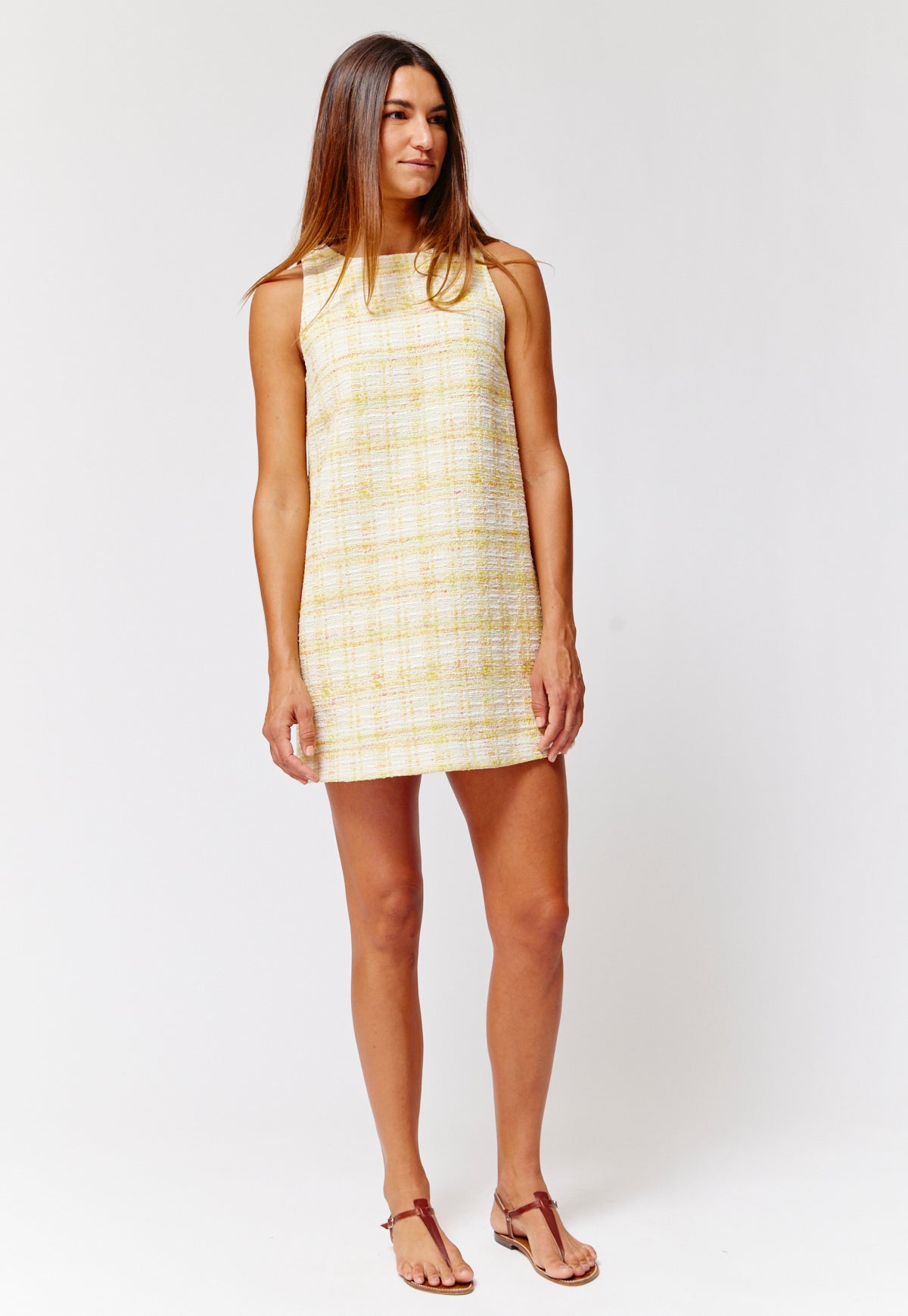
The perceived simplicity of the shift is masterfully complicated by the universe of fabrics from which it can be conjured. This is where objective knowledge becomes crucial for mastering versatility. A shift dress in heavy, structured wool gabardine projects an aura of professional authority and intellectual rigor, akin to the powerful aesthetic cultivated by figures like Christine Lagarde. The fabric itself carries a scientific heft and durability that translates to sartorial confidence. Conversely, the same silhouette rendered in fluid silk charmeuse or delicate chiffon becomes an object of evening elegance and romance, its movement and sheen creating a wholly different emotional and visual impact. Technical fabrics like high-performance cotton blends or innovative knits, as often detailed on authoritative retail engineering sites like The LYCRA Company’s resource pages, offer practical versatility—wrinkle resistance, stretch, and comfort—making the dress ideal for travel or dynamic days. The choice of material fundamentally alters the dress’s dialogue with the world. A tweed shift speaks of autumnal sophistication and texture, while a crisp linen shift whispers of breezy, sun-drenched leisure. Understanding this textile science allows you to select a shift dress not just as a shape, but as a specific tool for a desired effect, ensuring your wardrobe investments are multifaceted and deeply functional.
The Contextual Chameleon: One Dress, Multiverse of Occasions
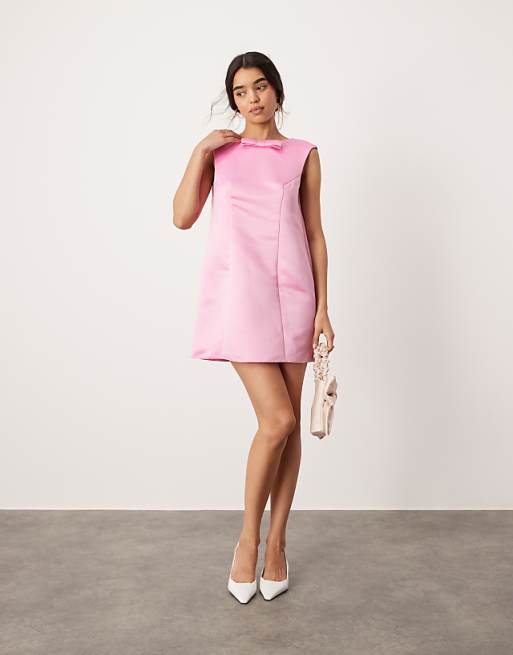
The true mastery of the shift dress lies in its chameleonic ability to adapt to context, a quality supported by countless style philosophies documented everywhere from Vogue’s online archives to Quora style forums. Let us dismantle the myth that this is a one-note garment. For the professional sphere, a shift in a solid, deep hue like navy or black, perhaps with a subtle textural weave, paired with a structured blazer and classic pumps, constitutes a uniform of competence. It echoes the powerful, no-nonsense elegance portrayed by characters like Miranda Priestly in The Devil Wears Prada, where the silhouette communicates focus and authority. Yet, remove the blazer, swap the pumps for sleek sandals or minimalist sneakers, and add a statement necklace, and the same dress is instantly transformed for a sophisticated lunch or gallery opening. The perspective shifts from corporate to cultural. For evening, the equation changes again. A shift in sequins, velvet, or satin—like the pink satin option referenced in our image array—becomes a dazzling party staple. As style icon Iris Apfel has famously opined, “More is more and less is a bore,” but even she would appreciate the impactful simplicity of a brilliantly executed shift. It provides the perfect, uncluttered canvas for bold art jewelry or a dramatic clutch. This seamless transition from boardroom to dinner party to weekend brunch is the core of its economic and stylistic value, offering a high cost-per-wear ratio that is the cornerstone of intelligent, discounted luxury over time.
The Personal Palette: Color, Print, and Identity
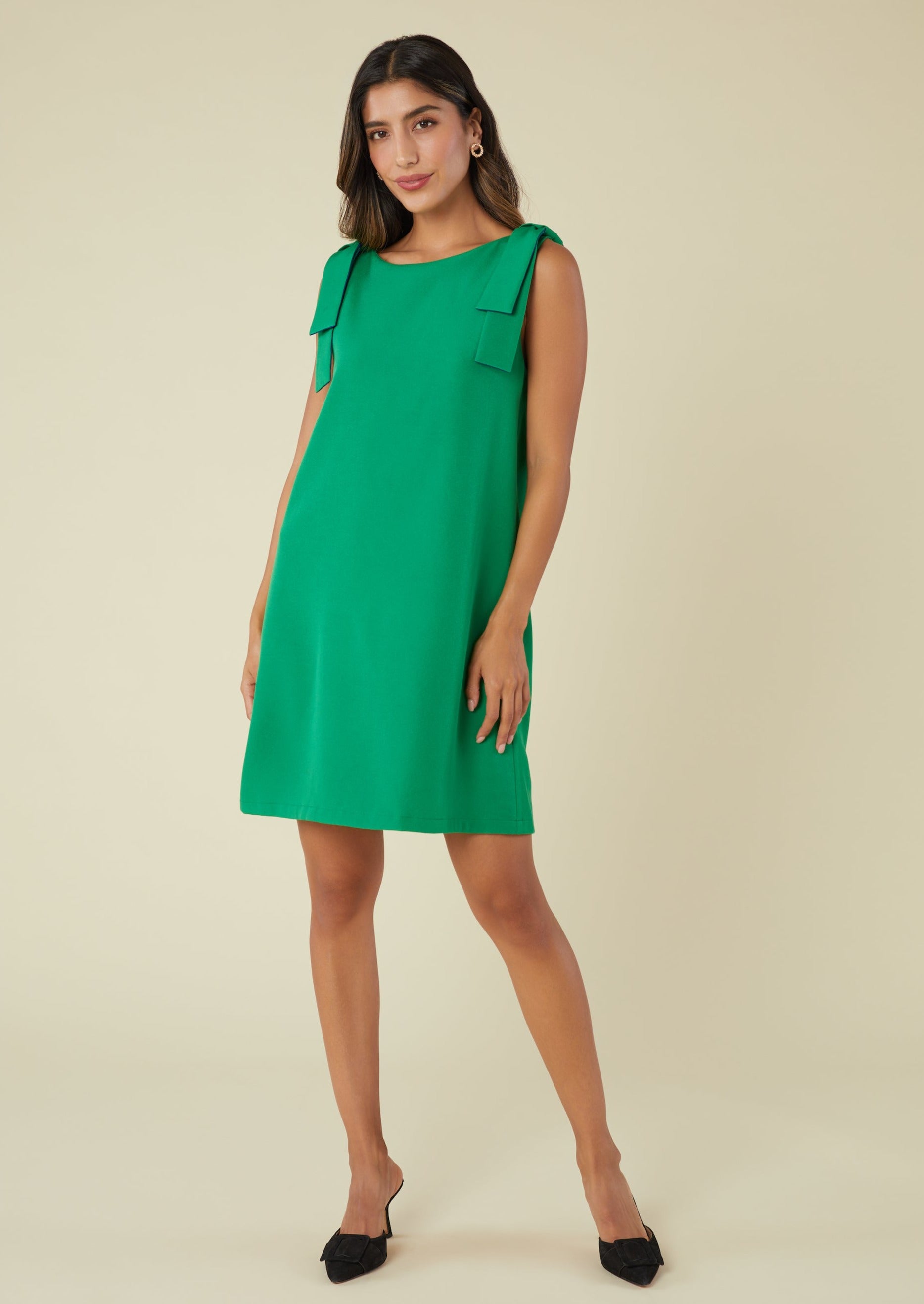
If the silhouette is the sentence and the fabric the grammar, then color and print are the distinctive accent and dialect. This is where you, the wearer, author the narrative. A shift dress provides an ideal format for engaging with color theory. A vibrant, solid-color shift makes a confident, holistic statement. It can communicate energy (red), calm (blue), or optimism (yellow), principles often explored in design psychology literature from institutions like the Savannah College of Art and Design. Conversely, the shift is a legendary host for prints. From the iconic geometric Op-Art prints of the 1960s that made the dress a symbol of mod culture to delicate florals, bold abstracts, or classic stripes, the print transforms the garment’s personality. A shift dress adorned with a large, artistic print becomes a wearable gallery piece, a conversation starter that reflects personal creativity and curatorial taste. The straight lines of the dress provide order and balance to even the most exuberant patterns, preventing visual chaos. This ability to serve as a perfect ground for personal expression—whether through the intellectual choice of a tonal monochrome or the joyful selection of a whimsical print—is what makes the shift a perennial favorite. It is a garment that asks a question of the wearer: “Who do you want to be today?” and then faithfully becomes the answer.
The Strategic Accessory: Curating the Final Equation
Mastery is in the details, and with a shift dress, accessories are not afterthoughts; they are co-pilots. The clean lines of the dress invite strategic augmentation. This is an area where professional styling knowledge delivers immense value, allowing you to multiply the looks from a single foundational piece without multiplying your budget. Consider footwear: ankle boots create an edgy, downtown vibe; classic loafers suggest intellectual polish; strappy heels deliver instant glamour. The neckline of a shift is a prime location for intervention. A simple crew neck can be layered with necklaces of varying lengths, a tactic frequently showcased by stylists on platforms like YouTube, or framed by a dramatic collar or statement earrings. Belts, though not traditionally part of the shift’s architecture, can be introduced to momentarily suggest shape for a different effect, then removed to return to the pure form. Outerwear, from a tailored coat to a leather jacket or a cozy cardigan, further re-contextualizes the dress. Each accessory choice is a variable in a style equation, and the shift dress is the constant that allows for infinite solutions. This strategic approach to dressing is the essence of building a cost-effective, high-impact wardrobe where a few excellent shift dresses become the pillars around which countless outfits are built.
An Enduring Legacy: The Shift in Culture and Continuity
The persistence of the shift dress across seven decades is not a coincidence; it is evidence of a design truth. Its origins are often traced to the “chemise” of the 1920s, but its modern incarnation was crystallized in the 1960s, championed by designers like Mary Quant and André Courrèges. It became the uniform of a youthquake, a symbol of a future-focused, liberated woman. This cultural footprint is documented everywhere from the pages of TIME magazine archives to analyses on fashion history websites. It has been worn by icons of cinema—from Audrey Hepburn’s timeless elegance to the mod energy of Jane Fonda in Barbarella—and by modern power players in politics and tech who favor its message of streamlined capability. The shift dress endures because it solves a fundamental problem: the need for a garment that is both aesthetically pleasing and profoundly practical. It respects the body without confining it, offers a clear aesthetic without imposing one, and provides a reliable starting point for endless creativity. In a world of fast-fashion noise, the shift stands as a testament to slow fashion intelligence—a well-made version is an investment that pays dividends in time saved, confidence gained, and style perpetually renewed.
Therefore, mastering the versatility of the shift dress is an exercise in strategic style. It moves beyond mere possession to a deep understanding of form, fabric, and context. It is about recognizing that this deceptively simple garment is a powerhouse of potential, capable of conveying authority, ease, creativity, and elegance with equal conviction. By applying this knowledge—this fusion of historical context, material science, and styling acumen—you unlock not just a dress, but a system for elegant living. The shift dress ceases to be just an item in your closet and becomes a reliable partner in crafting your presence in the world, proving that true versatility is the most powerful fashion statement one can make.