Styling Semi-Formal Dresses for Every Occasion
Navigating the world of event attire often leads us to the versatile and sometimes ambiguous category of the semi-formal dress. It’s a sartorial sweet spot, bridging the gap between casual daywear and opulent evening gowns. This article isn’t about rigid rules, but about unlocking the potential of your wardrobe. A well-chosen semi-formal dress is a passport to confidence, allowing you to move seamlessly from a garden wedding to a sophisticated dinner party. We’ll dissect the elements that define this dress code, provide actionable styling strategies for diverse settings, and empower you with the knowledge to look impeccably appropriate and uniquely yourself.
Deconstructing the Semi-Formal Dress Code
The term “semi-formal” or “cocktail attire” often sparks more questions than answers. Objectively, it occupies the middle ground on the formality spectrum. According to definitions collated from fashion authorities and university costume studies literature, semi-formal wear for women typically implies a knee-length to midi-length dress, though elegant tea-length or shorter styles can also be appropriate depending on the time and venue. Fabrics lean towards sophistication: think silk, chiffon, lace, satin, or high-quality jersey. Embellishments are welcome but should be refined—subtle beading, elegant embroidery, or tasteful sequins rather than overwhelming glitter. The key scientific principle here is contextual harmony. As style icon Iris Apfel famously quipped, “Fashion you can buy, but style you possess. The key to style is learning who you are.” A semi-formal dress succeeds when it reflects the wearer’s personality while resonating with the event’s ambiance. This isn’t about uniform conformity; it’s about curated expression within a understood framework. The ambiguity is its strength, offering a canvas for personal interpretation.
The Daytime Affair: Garden Parties and Brunches
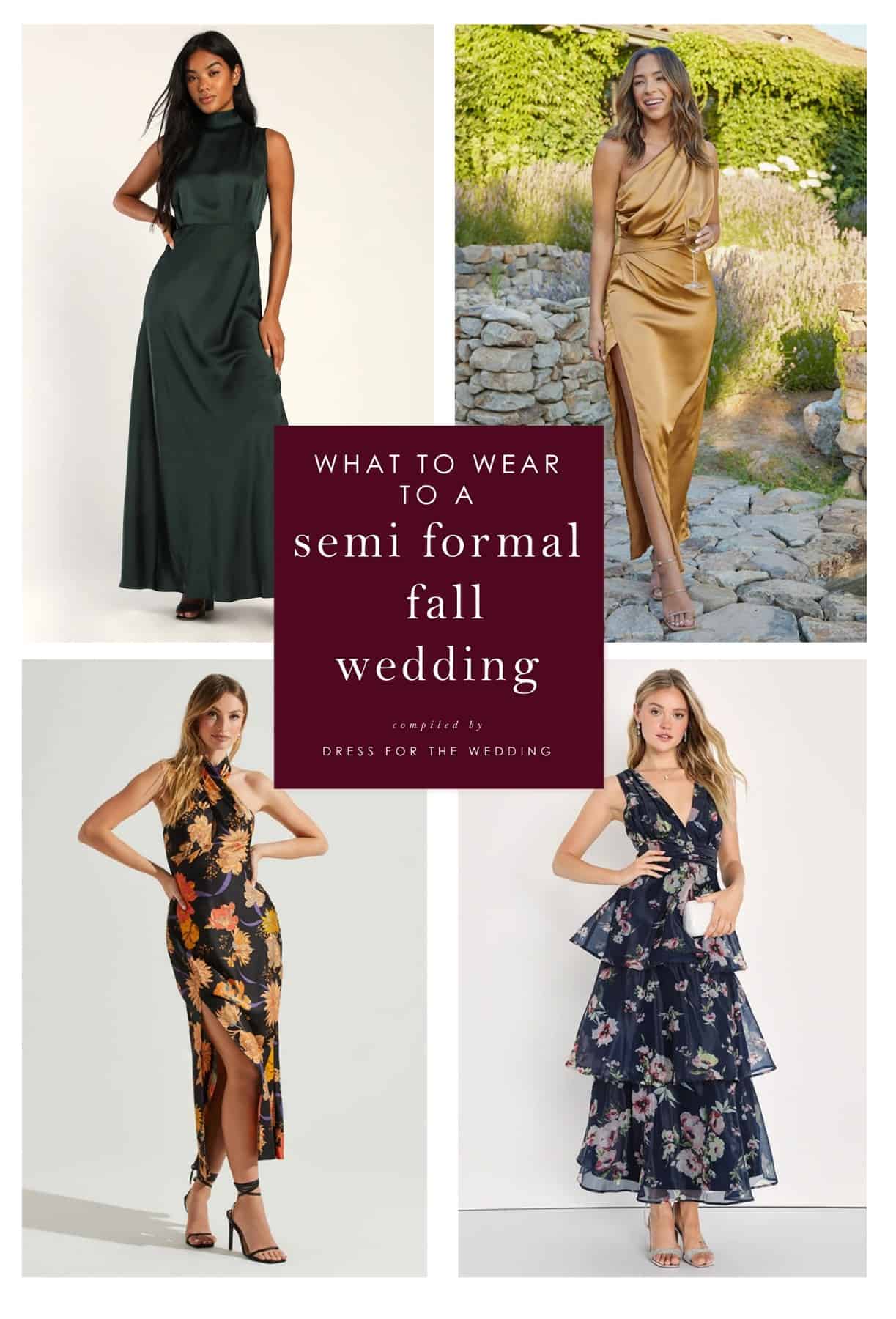
Daytime semi-formal events, like garden weddings, celebratory brunches, or afternoon gallery openings, call for a lighter touch. The science of color psychology plays a role here. Lighter hues, floral prints, and softer pastels align with natural daylight and often joyful atmospheres. A fit-and-flare dress in a vibrant floral print made of breathable chiffon is a quintessential choice. Alternatively, a sleek shift dress in a solid pastel color like mint or blush pink exudes modern elegance. Footwear should prioritize comfort alongside style; a stylish block heel or elegant flat is ideal for navigating grass or standing for extended periods. Accessories can be playful yet polished—a statement straw hat, delicate layered necklaces, or a structured wicker clutch. The goal is to look put-together without appearing as if you’re dressed for a nighttime ball. As noted in numerous style guides on platforms like Quora and fashion blogs, the unspoken rule is to avoid anything too dark, overly sequined, or with a dramatic train during daylight hours. Your semi-formal dress for the day should feel like a natural extension of the sunny, celebratory environment.
The Evening Event: Cocktail Parties and Dinners
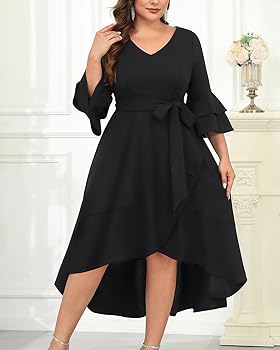
When the sun sets, the semi-formal dress takes on a more glamorous persona. Evening cocktail parties, anniversary dinners, or opening nights demand deeper colors, richer fabrics, and a hint of drama. This is where the “cocktail” in cocktail attire truly shines. A little black dress (LBD) is a perennial powerhouse, but don’t be afraid to explore jewel tones like emerald, sapphire, or burgundy, which are famously flattering under artificial light. Silhouettes can be more daring: a sleek slip dress, a dress with a strategic cut-out, or a tailored wrap style. Fabrics like velvet (for cooler months), heavy silk, or satin-backed crepe add a luxurious weight and sheen appropriate for the evening. As fashion historian and YouTube content creator Amber Butchart often explains in her analyses, evening semi-formal wear allows for more expressive accessories—chandelier earrings, a metallic clutch, or a sleek pair of stiletto heels. The transformation from day to night is often achieved through these accessory choices and a shift towards darker, more saturated palette.

Fabric and Silhouette: The Foundational Science
Understanding fabric and silhouette is akin to understanding the grammar of style. The drape, weight, and behavior of a fabric fundamentally alter a dress’s formality and suitability. For instance, a bodycon dress in a thin cotton jersey leans casual, while the same silhouette in a thick, matte ponte knit appears polished and semi-formal. Similarly, the architectural shape of a dress communicates volume. An A-line skirt, rooted in mid-20th century design principles documented by institutions like the Fashion Institute of Technology, offers timeless elegance and flatters most body types by cinching at the waist and flowing outward. A sheath dress provides a streamlined, modern silhouette that is inherently sophisticated. The choice is deeply personal and should align with both comfort and the desired aesthetic. Authoritative sources from Baidu Baike on garment construction emphasize that the interplay between fabric and cut creates the dress’s “hand” and “fall”—tangible qualities that separate a forgettable garment from a cherished wardrobe staple. Investing in a semi-formal dress with a thoughtful fabric and flattering silhouette is investing in long-term versatility.
Accessorizing with Intent: The Final Alchemy
Accessories are the punctuation marks of an outfit; they complete the sentence. The principle of balance is paramount. A dress with high visual interest—intricate beading, a bold pattern, or a unique neckline—often pairs best with minimalist jewelry. Conversely, a simple, solid-color dress provides the perfect canvas for dramatic accessories. This concept is echoed by countless celebrity stylists on social media platforms like Twitter, where the mantra “one statement piece at a time” is frequently advised. A sophisticated watch, a delicate anklet, or an artisanal hair clip can be that unique touch. Footwear, too, must be chosen with the venue and dress length in mind. The right bag should be proportionate; a tiny clutch for essentials complements an evening look, while a slightly larger structured envelope bag might suit a daytime event. This stage of styling is where your personal narrative shines through. It’s the alchemy that transforms a beautiful dress into a compelling personal statement.
Curating Your Wardrobe: Knowledge as the Ultimate Asset
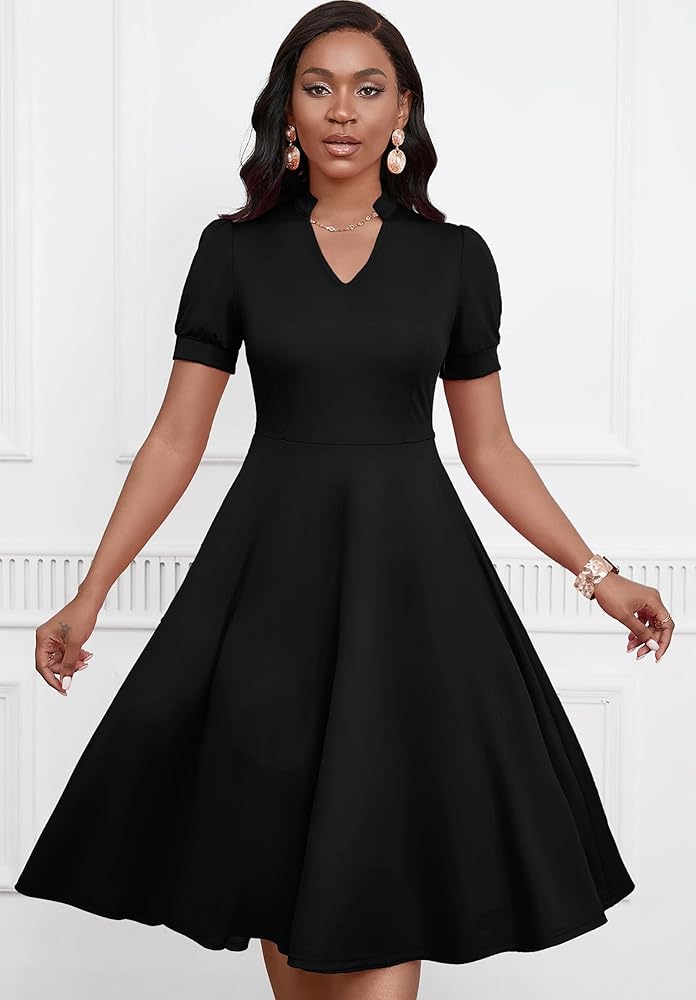
Building a repertoire of go-to semi-formal options is an exercise in smart curation, not endless accumulation. The modern approach values versatility and quality over quantity. Look for dresses with classic lines that can be reinvented with different layers and accessories. A sleeveless sheath can be worn with a tailored blazer for a conference or a sheer lace wrap for a wedding. This mindset brings profound value, effectively offering a “discounted price” per wear as the cost is amortized over numerous events. Professional knowledge here means understanding fabric care to ensure longevity, recognizing timeless cuts that defy fleeting trends, and knowing which colors work in harmony with your complexion. It’s about making informed purchases that serve you for seasons. Resources from authoritative fashion textbooks and museum archives consistently show that the most enduring styles are those rooted in excellent fit and fabric, not in transient gimmicks.
Mastering the art of the semi-formal dress is ultimately about mastering context and self-expression. It’s the confidence that comes from knowing your choices are both appropriate and authentic. Whether you’re interpreting the dress code for a specific invitation or selecting a piece that will become a wardrobe workhorse, let this knowledge guide you. Your perfect dress is out there, waiting to be styled for your next occasion.