

Styling Short Homecoming Dresses for a Memorable Night
The quest for the perfect homecoming look often centers on a single, powerful garment: the short homecoming dress. More than just fabric and thread, it is a statement of personal style, a catalyst for confidence, and the foundation upon which a night of memories is built. While the allure of long gowns is timeless, the short homecoming dress offers a unique blend of youthful exuberance, dynamic movement, and modern sophistication. This article delves beyond mere aesthetics, exploring how to style these dresses to create an unforgettable experience, underpinned by objective insights into fashion psychology, cultural trends, and practical elegance.
The Psychology of the Short Silhouette: Confidence and Movement
Why does a short homecoming dress hold such appeal? The answer lies at the intersection of psychology and social dynamics. From a psychological perspective, clothing is a form of “enclothed cognition,” a term explored by researchers like Hajo Adam and Adam D. Galinsky in their seminal work. Their studies suggest that the symbolic meaning of clothing and the physical experience of wearing it systematically influence the wearer’s psychological processes. A short dress, often associated with vibrancy, freedom, and assertiveness, can actively shape the wearer’s mindset, fostering a sense of boldness and approachability. Culturally, figures like Audrey Hepburn in “Funny Face” or Leslie Caron in “Gigi” immortalized the chic, liberated spirit of the shorter cocktail dress, setting a precedent for its association with joyful, pivotal social events. On platforms like Quora and YouTube, style psychologists frequently note that garments allowing for ease of movement—like a short homecoming dress—can reduce social anxiety by making the wearer feel physically unencumbered and ready to engage. This isn’t about length for its own sake; it’s about the kinetic energy and self-assured presence it enables. You are not just wearing a dress; you are adopting a posture of readiness for fun, for dance, and for connection.

Architecting Your Look: The Pillars of Cohesive Styling
Styling a short homecoming dress is an exercise in balanced composition. The first pillar is proportion and silhouette. An A-line dress, like the classic styles reminiscent of 1950s fashion, creates a balanced, feminine hourglass. Pairing it with a sleek heel elongates the leg, a principle often cited in fashion literature from institutions like the Fashion Institute of Technology. Conversely, a bodycon or sheath short homecoming dress offers a modern, streamlined profile. Here, the styling focus shifts to seamless undergarments and perhaps a statement blazer for a touch of tailored contrast. The second pillar is textural dialogue. A sequined or beaded dress speaks a language of glamour. As fashion historian Valerie Steele notes in her publications for The Museum at FIT, sparkle has historically denoted celebration and status. To ground this, one might choose matte accessories—suede pumps, a velvet clutch—to create visual interest without competition. A satin or chiffon dress invites texture play through lace-trimmed wraps or delicate, layered necklaces. The third pillar is color theory and personal palette. Resources from Pantone and art schools often explain how color influences perception. A jewel-toned dress (sapphire, emerald) conveys richness and depth, while a pastel (blush, lavender) offers soft, romantic appeal. Your choice should resonate with your personal coloring and the emotional tone you wish to set.

Footwear and Finishing Touches: The Details That Narrate
The journey from a dressed individual to a styled icon is completed in the details, with footwear leading the narrative. The choice of shoe can redefine a short homecoming dress. A classic stiletto pump, as championed by style icons from Christian Dior to modern influencers on Twitter, offers timeless polish and height. However, the current fashion landscape, documented on sites like Vogue Runway, celebrates diversity. A chunky platform sandal or a stylish block heel provides stability for dancing, merging retro appeal with contemporary comfort—a nod to the 1990s resurgence seen on runways. For a truly avant-garde twist, a sleek ankle boot under a tulle skirt creates an unforgettable fashion-forward statement. Beyond shoes, accessories are your punctuation marks. A delicate pendant necklace draws the eye upward, while statement earrings frame the face—a technique often recommended by celebrity stylists on YouTube channels. Your clutch or mini-bag should be functional but fabulous; consider it a piece of moving art. Finally, hair and makeup must converse with the dress, not shout over it. An updo or sleek blowout complements an off-the-shoulder neckline, while a soft, wavy style pairs beautifully with strapless designs. Makeup should highlight one feature—a bold lip with a simple eye, or a smoky eye with a nude lip—ensuring the overall look remains harmonious and intentionally crafted.
The Expert Lens: Voices on Style and Substance
To ground our styling philosophy, we turn to authoritative voices. Fashion is not created in a vacuum; it is a dialogue. Tim Gunn, renowned educator and co-host of “Project Runway,” famously emphasizes the importance of “make it work” and editing. He advocates for a cohesive head-to-toe vision, advice that directly applies to styling a short homecoming dress: every element must serve the whole. Similarly, the late fashion editor Diana Vreeland’s maxim, “The eye has to travel,” speaks to the need for dynamic interest in an outfit. A short dress with a keyhole back or an interesting hemline ensures the eye does just that. From the digital sphere, popular fashion analysts on Quora often reference the “rule of thirds” from visual arts to explain balanced outfit composition, which is easily achieved with the right short homecoming dress and proportional styling. Even in academic circles, papers from the University of Oxford’s Department of Sociology have examined fashion as a social language, indicating that a well-styled outfit for an event like homecoming is a form of non-verbal communication, signaling identity, belonging, and intention to one’s peers.
“Fashion is part of the daily air and it changes all the time, with all the events. You can even see the approaching of a revolution in clothes. You can see and feel everything in clothes.” — Diana Vreeland

Curating Your Moment: Practical Knowledge and Access
Understanding style principles is one thing; executing them within a budget is another. This is where professional knowledge meets consumer savvy. First, fabric knowledge is power. A dress in quality polyester chiffon or stretch crepe will drape better and last longer than one in cheap acetate, a fact corroborated by textile guides from sources like Wikipedia and fabric wholesalers. Look for lined dresses for structure and comfort. Second, know your discounts. Many reputable retailers offer student discounts, early-bird specials for seasonal events, or bundle deals on accessories. Signing up for newsletters can unlock private sales. Third, consider the cost-per-wear model. A slightly more expensive, versatile short homecoming dress in a neutral color or classic cut that can be re-worn with different accessories for other occasions is a smarter investment than a ultra-trendy piece worn once. Finally, don’t underestimate the power of alteration. A simple hem adjustment or taking in the straps can transform an off-the-rack dress into a custom-fit masterpiece, maximizing both comfort and visual impact. Bringing this professional knowledge to your search empowers you to make informed, elegant choices without compromising financial sense.
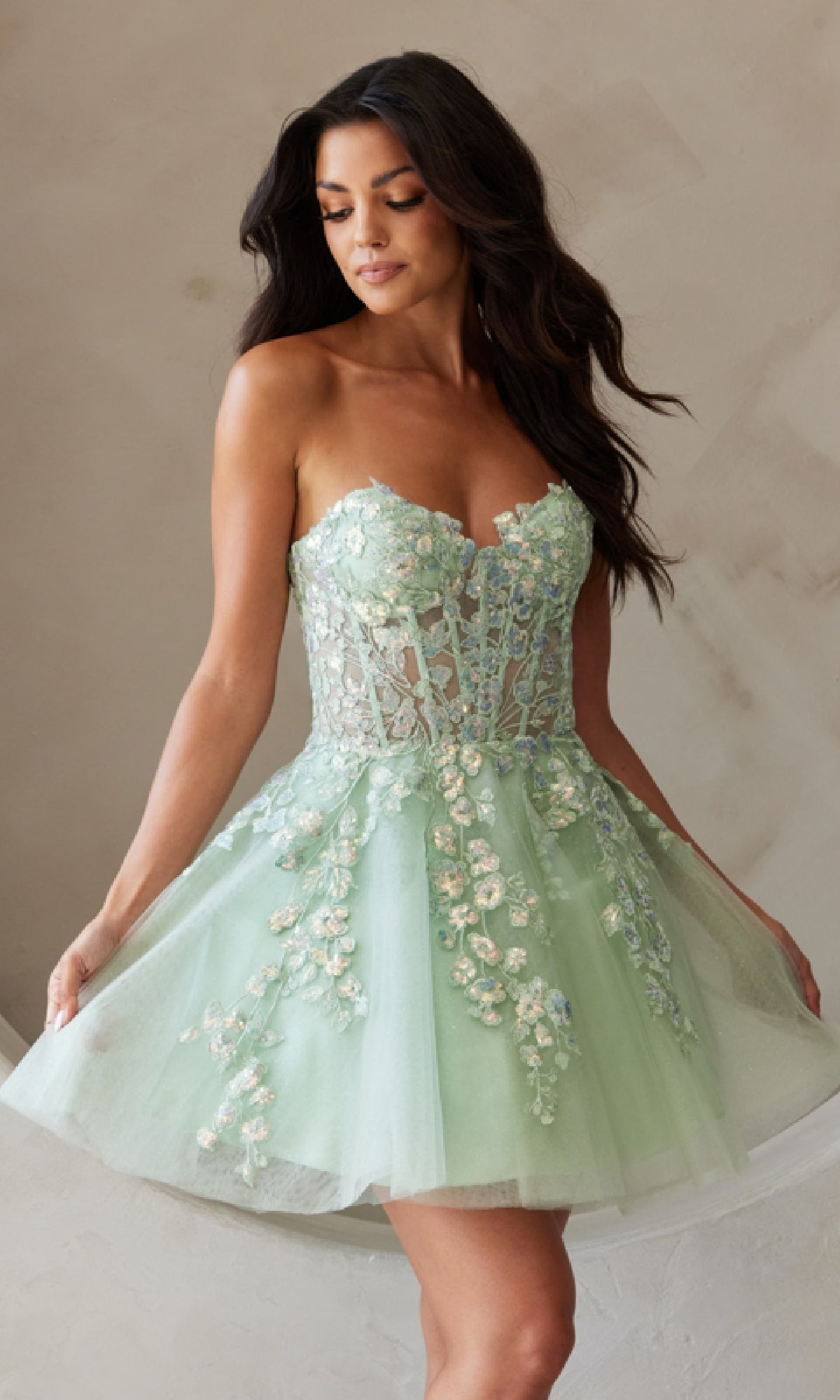
Your homecoming night is a canvas, and your styled short homecoming dress is the first, most vivid stroke of paint. It is an expression of who you are in this moment—playful, sophisticated, bold, or romantic. By understanding the psychology behind the silhouette, mastering the architectural pillars of styling, heeding the wisdom of experts, and applying practical knowledge to your acquisition, you move beyond getting dressed to crafting an experience. The goal is not just to look beautiful in photographs, but to feel utterly yourself—confident, joyful, and free to move through the evening’s magic. That feeling, more than any trend, is what truly makes the night memorable.