

Styling Your Revolve Dress for Every Occasion
In the landscape of contemporary fashion, few garments offer the transformative versatility of a well-chosen dress. Among these, the revolve dress stands out not merely as an item of clothing but as a sartorial chameleon, capable of adapting its character to the demands of any event on your calendar. This isn’t about owning a closet full of one-time-wear outfits; it’s about mastering the art of styling a single, pivotal piece. A revolve dress, by its very design ethos, invites reinvention. Its power lies in its foundational cut, fabric, and detail—elements that serve as a blank canvas for your personal expression. Whether you’re navigating a corporate environment, attending a garden wedding, or enjoying a casual weekend brunch, the right styling techniques can make your dress evolve seamlessly with you. This guide moves beyond superficial tips, delving into the principles of color theory, silhouette manipulation, and accessory psychology to equip you with a professional toolkit. We’ll integrate objective insights from design theory and cultural commentary, proving that strategic styling is both an art and a science, one that brings not just aesthetic rewards but practical and financial wisdom to your wardrobe.
The Foundation: Understanding the Revolve Dress Silhouette
Before embarking on styling adventures, one must first comprehend the architectural foundation of the garment. The term “revolve dress” often refers to designs that feature a balanced, often universally flattering silhouette—think wrap styles, shirt dresses, or sleek midi cuts. These are not avant-garde, trend-dependent pieces but rather modern classics. As fashion historian Dr. Valerie Steele, Director of The Museum at the Fashion Institute of Technology, notes in her publications, “The endurance of a style is often tied to its ability to flatter a variety of body types while maintaining a clear, recognizable identity.” This is the core of a revolve dress: a recognizable identity built on clean lines. From a scientific perspective, the appeal of certain silhouettes can be linked to the Golden Ratio, a mathematical ratio of approximately 1.618, often found in nature and art, which is perceived as aesthetically pleasing. Many successful dress designs intuitively or deliberately create visual proportions that approach this ratio, balancing the torso against the skirt length or defining the waistline. Understanding your specific dress’s silhouette—whether it’s an A-line, sheath, or fit-and-flare—allows you to work with its inherent proportions. You are not fighting the design but amplifying its best features. This foundational knowledge is the first step in transforming a simple garment into a multifunctional asset, ensuring that every subsequent styling choice feels intentional and harmonious, rather than haphazard.
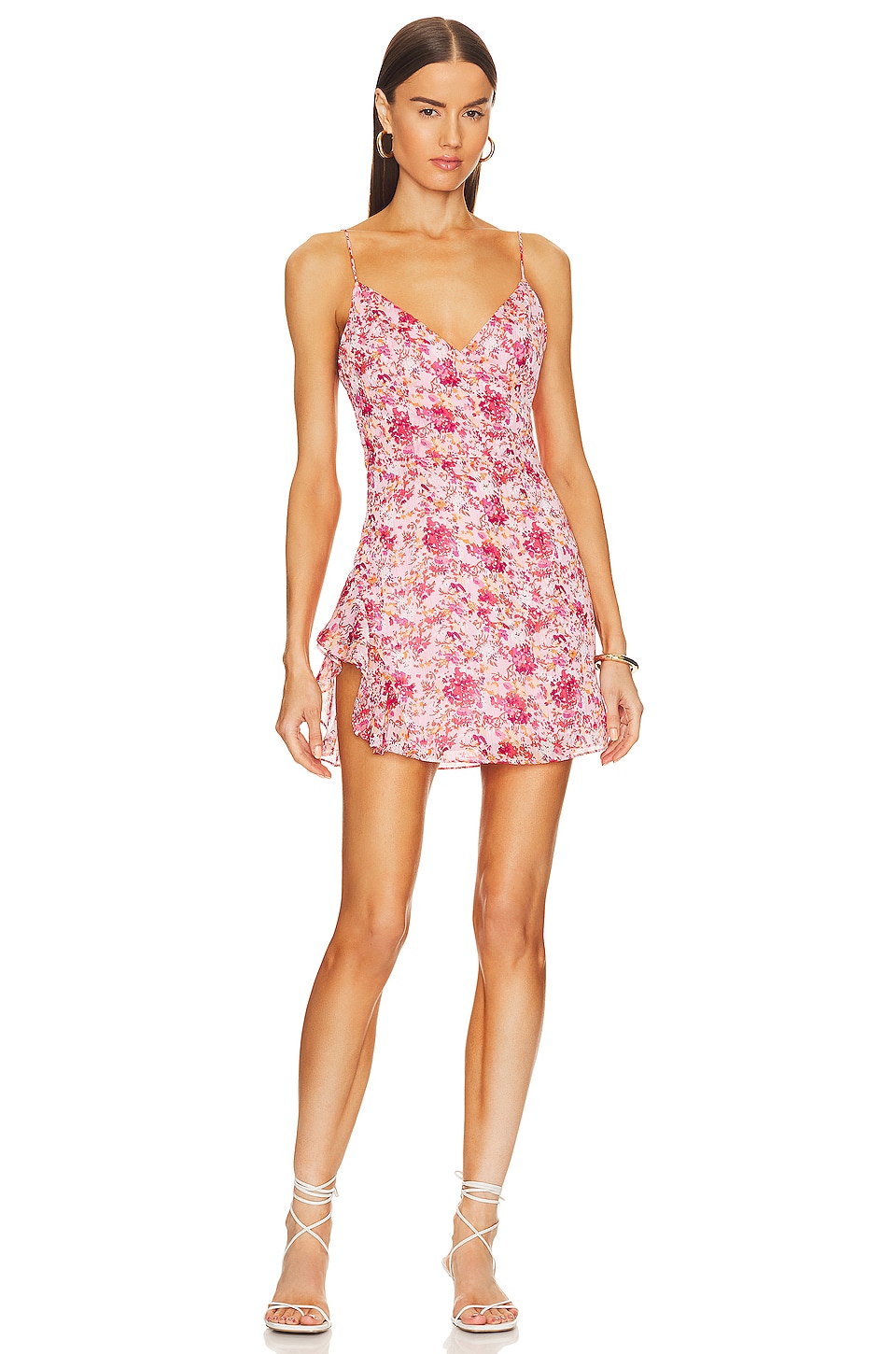
Office Ready: From Professional to Powerful
The transition of a dress from a social context to a professional one hinges on the principles of structure and subtlety. A revolve dress in a solid color like navy, black, or charcoal grey is your strongest ally here. The goal is to project competence and confidence, which studies in organizational psychology, such as those cited in the “Journal of Applied Psychology,” link to well-defined, tailored attire. To achieve this, begin with layering. A structured blazer in a complementary fabric—say, a wool blend over a ponte knit dress—immediately creates a visual uniform of authority. The key is in the fit; the blazer should be tailored, not boxy. Footwear shifts from playful to pragmatic: closed-toe pumps or sophisticated loafers in leather ground the look. Accessories must be deliberate and minimal. A statement watch, a single delicate necklace, or a pair of small stud earrings communicate attention to detail without distraction. Consider the insights from influential figures like former Vogue editor-in-chief Diana Vreeland, who famously asserted, “The eye has to travel.” In an office setting, you want the eye to travel over a cohesive, polished landscape, not get caught on jarring elements. A tote bag in a luxurious material replaces a casual crossbody, carrying both your essentials and an air of preparedness. This application of styling isn’t about concealing the dress’s personality but about channeling it into a lexicon of professional power, demonstrating how a single piece can form the backbone of a credible work wardrobe.
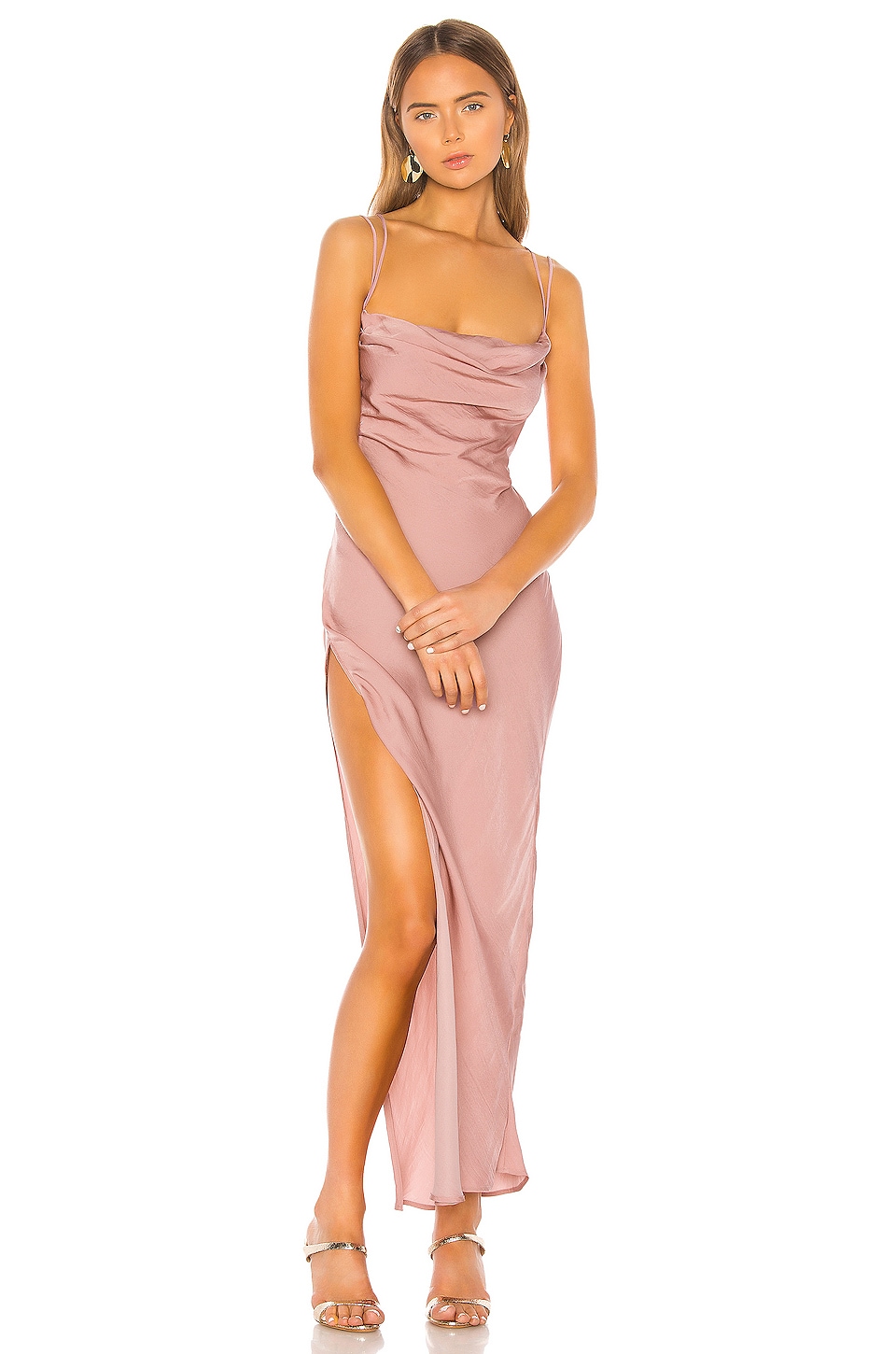
Cocktail Hour: Effortless Evening Glamour
As the sun sets, the same dress that anchored your day must now capture the sparkle of evening. This transformation is achieved through the alchemy of metallics, texture, and strategic revelation. The foundational dress becomes a backdrop for drama. Begin by swapping daytime layers for evening ones: a faux fur stole, a sleek leather moto jacket, or a delicate lace bolero instantly redirects the garment’s narrative. Footwear undergoes its most dramatic change—strappy sandals with a heel, perhaps in satin or adorned with subtle embellishments, elongate the silhouette and introduce a note of celebration. Jewelry is where you can embrace the philosophy of Coco Chanel, who advised to look in the mirror and remove one piece before leaving the house. The evening calls for intentional boldness: a cuff bracelet, chandelier earrings, or a layered necklace set can become the focal point. The psychology here, as explored in works like “The Language of Clothes” by Alison Lurie, ties shine and sparkle to celebration and attention, cues deeply embedded in social rituals. A clutch replaces the daytime bag, its compact form emphasizing that this is a time for socializing, not labor. Makeup and hair complete the metamorphosis; a bolder lip or an updo can redefine your entire look. This styling approach proves that a revolve dress is not a limiting factor but a liberating one. You invest in the dress’s quality, then spend creatively on accessories that feel current, allowing you to participate in trends without committing to a whole new expensive outfit for every event.
Weekend Ease: Mastering Casual Chic
The true test of a garment’s versatility is its ability to look impeccably appropriate while feeling utterly comfortable. For weekend endeavors—be it a farmer’s market stroll, a gallery visit, or a casual lunch—styling a revolve dress revolves around the concept of “elevated ease.” This is where texture and relaxed layers come into play. Start by softening the dress’s formality. Layer a simple cotton or linen button-down shirt underneath a sleeveless dress, or knot a lightweight sweater around your shoulders. This technique, a staple of classic French girl style as often depicted in films like “Breathless” or embodied by figures like Jane Birkin, adds a nonchalant, intellectual air. Footwear shifts to flat or low-heel options: classic white sneakers, leather sandals, or ankle boots, depending on the season. The choice of bag is crucial; a roomy canvas tote or a crossbody bag in a neutral shade prioritizes function without forsaking style. The color palette can become more playful here. If your dress is neutral, introduce a pop of color through a scarf or your shoe choice. The underlying principle is balance—mixing one polished element (the dress) with several casual ones (denim jacket, sneakers) to create a look that is thoughtfully assembled, not sloppy. This approach brings profound practical knowledge: it extends the life and context of your wardrobe staples, ensuring you get maximum wear and value from each piece, a cornerstone of intelligent, sustainable fashion consumption.
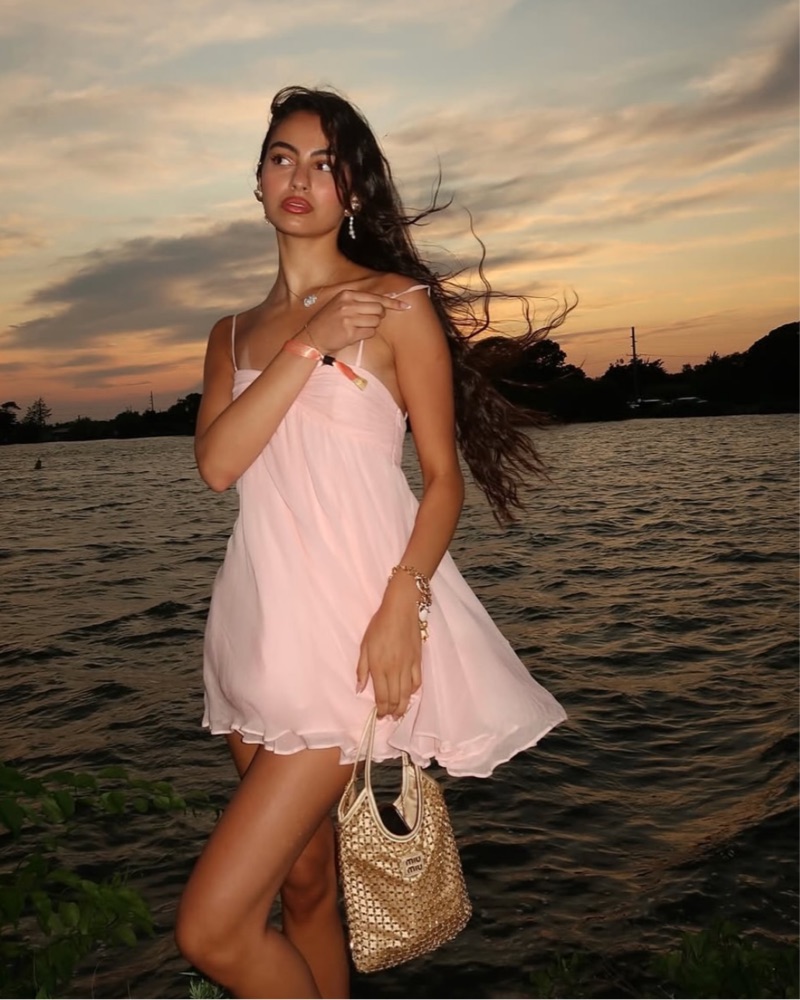
The Finishing Touch: Psychology of Accessories and Color
Styling mastery is in the details, governed by the psychological impact of accessories and color. These are not mere decorations but tools for non-verbal communication. Color theory, a science with roots in the work of Isaac Newton and later expanded by Johannes Itten at the Bauhaus, provides a framework. Analogous colors (those next to each other on the color wheel) create serene, comfortable designs, while complementary colors (opposites) offer vibrant contrast. A blue revolve dress paired with orange-toned accessories creates dynamic energy, perfect for a social event. Conversely, pairing it with tones of grey and silver evokes calm sophistication. Accessories carry their own symbolic weight. As style commentator Tim Gunn often emphasizes, they are the “exclamation point” of an outfit. A wide belt doesn’t just define the waist; it commands attention to it, altering the perceived silhouette. A silk scarf, as famously demonstrated by style icons from Grace Kelly to Queen Elizabeth II, can signify elegance, heritage, or playful flair depending on its pattern and tie. Even your choice of hosiery or lack thereof sends a message about the formality of the occasion. Understanding this language allows you to style with intention. You are not just putting on clothes; you are crafting a narrative for the day, using your revolve dress as the central theme upon which you build chapters of meaning through every chosen piece.
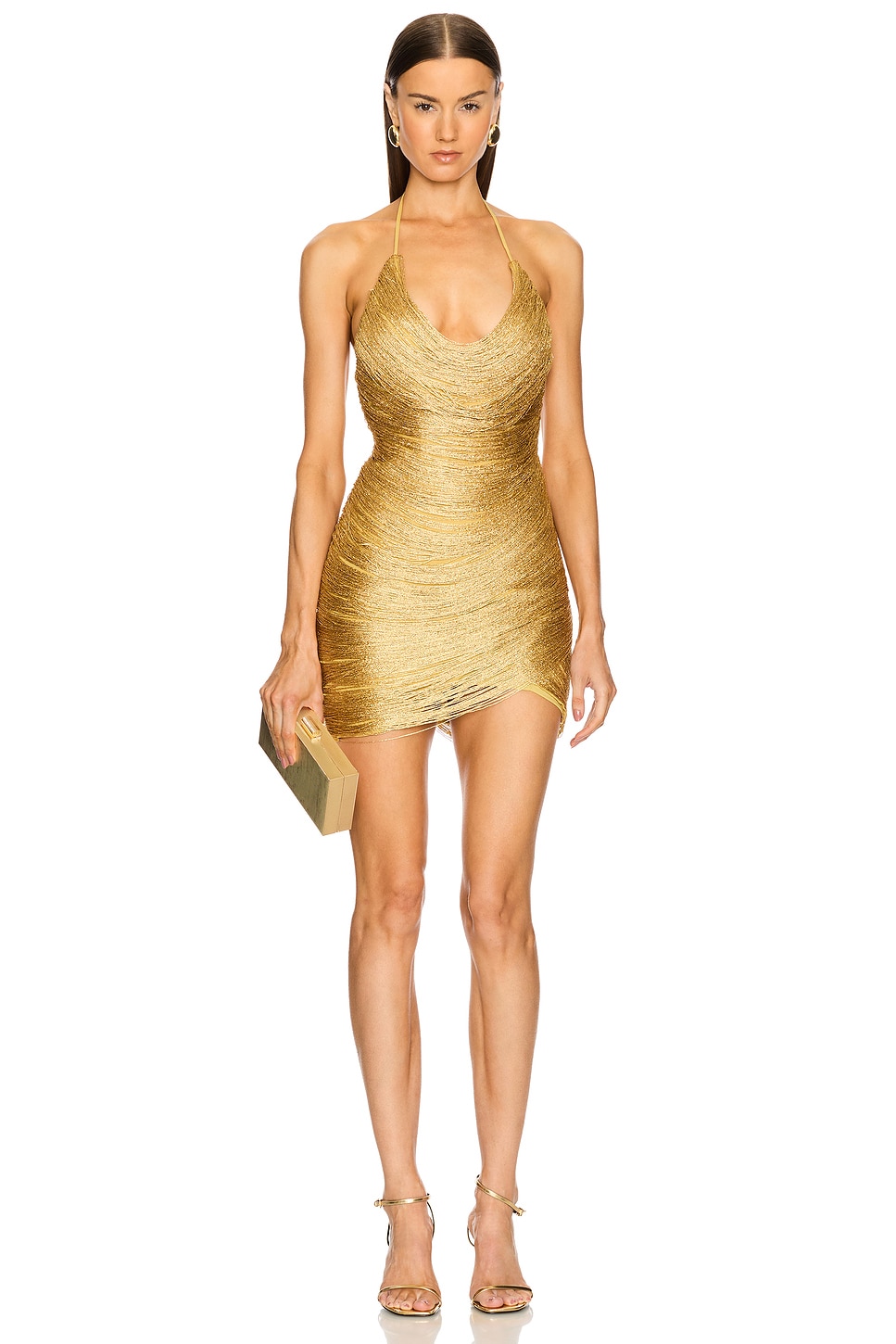
The journey through styling a single dress for myriad occasions reveals a broader truth about modern dressing: intelligence trumps inventory. A revolve dress is more than fabric and thread; it is a platform for creativity, a lesson in design principles, and a smart financial choice. By applying the professional knowledge of silhouette, color, and accessory psychology, you unlock exponential possibilities from a minimalist wardrobe core. This approach brings the ultimate discount—not a temporary price reduction, but a lasting devaluation of the cost-per-wear, maximizing the return on your sartorial investment. Your wardrobe becomes a curated collection of possibilities, with you as the stylist, capable of meeting any occasion not with panic, but with the confident knowledge that you already own the perfect canvas. The true style revolution begins not in the store, but in your own closet, with the pieces you choose to revolve around.