The Perfect Semi-Formal Dress for Every Occasion
Navigating dress codes can often feel like deciphering a cryptic language. “Semi-formal” stands as one of the most common yet frequently misunderstood directives, floating ambiguously between the grandeur of black-tie and the ease of casual. The quest isn’t for the most extravagant gown or the simplest sundress, but for that singular, versatile piece—the perfect semi-formal dress. This article demystifies the code, arguing that with informed choices rooted in objective style principles, one can cultivate a wardrobe cornerstone that transitions seamlessly across weddings, cocktail parties, evening dinners, and professional gatherings. We move beyond subjective taste to explore the architecture of the semi-formal, providing you with the knowledge to invest wisely in dresses that offer both timeless elegance and practical versatility.
Decoding “Semi-Formal”: A Historical and Contextual Framework
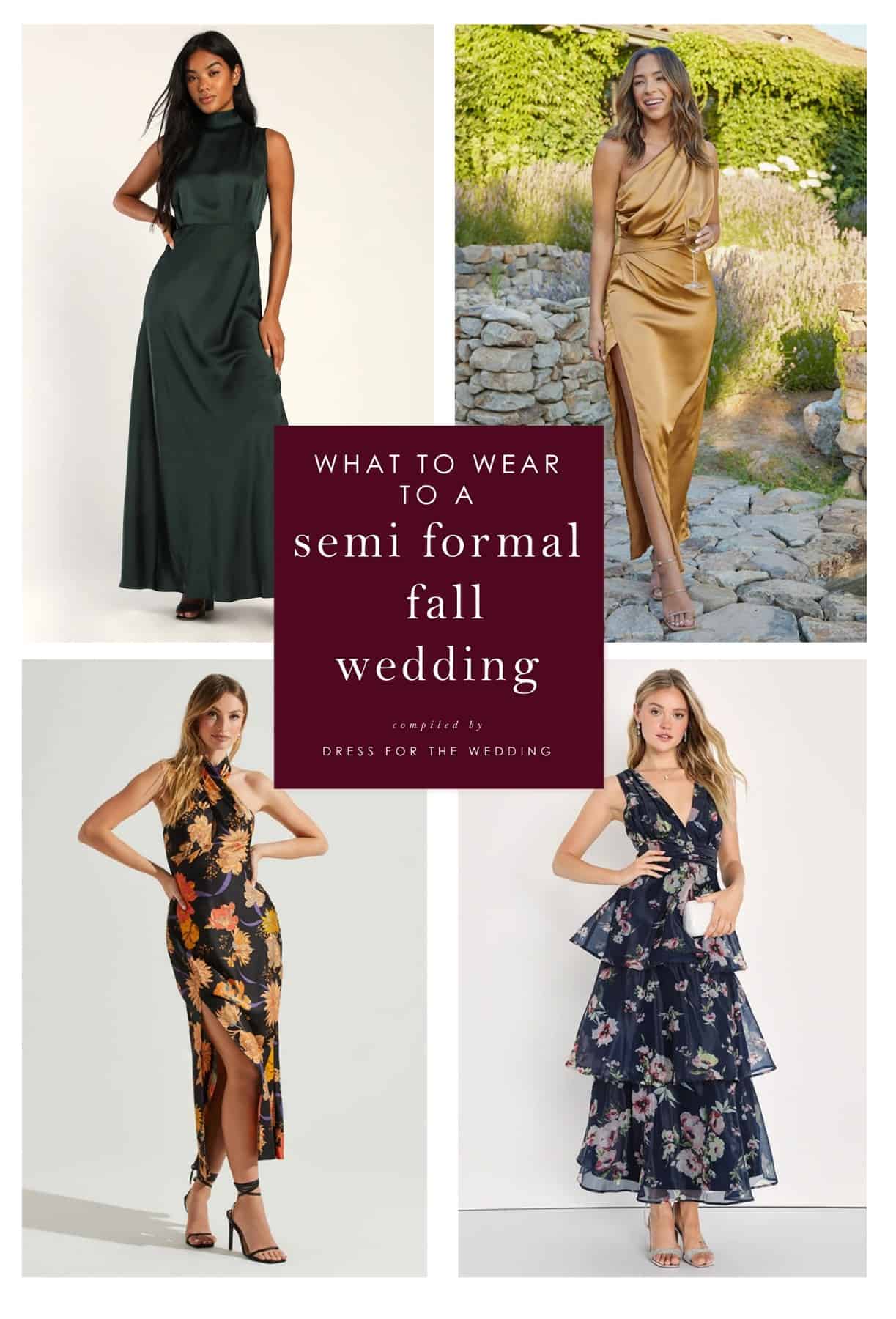
The term “semi-formal” in Western dress codes, particularly for women, evolved as a pragmatic response to the rigid formality of the early 20th century. As social structures shifted post-World War II, so did attire, creating a need for clothing that was refined yet adaptable to less ceremonial events. According to resources like Wikipedia on “Evening gown” and “Cocktail attire,” the cocktail dress emerged in the 1920s-1950s as the quintessential semi-formal garment, pioneered by designers like Coco Chanel who championed shorter, less restrictive dresses for evening socializing. This historical pivot established the core tenet: semi-formal is characterized by a deliberate balance. It is more polished than daywear but less ornate than full formalwear. The objective definition hinges on several key, scientific-style parameters: hemlines typically range from just above the knee to tea-length (mid-calf), avoiding both mini and full-floor lengths; fabrics lean towards luxe materials like silk, chiffon, lace, or high-quality synthetics (e.g., ponte, crepe), distinguishing themselves from casual cotton or denim; silhouettes can vary from sheaths to A-lines, but maintain a defined structure; and ornamentation is present but restrained—think strategic beading, a tasteful slit, or elegant draping rather than overwhelming sequins or volume. Understanding this framework is the first step in identifying a true semi-formal dress, moving it from a vague idea to a tangible set of design features.
The Architectural Elements of a Versatile Semi-Formal Dress
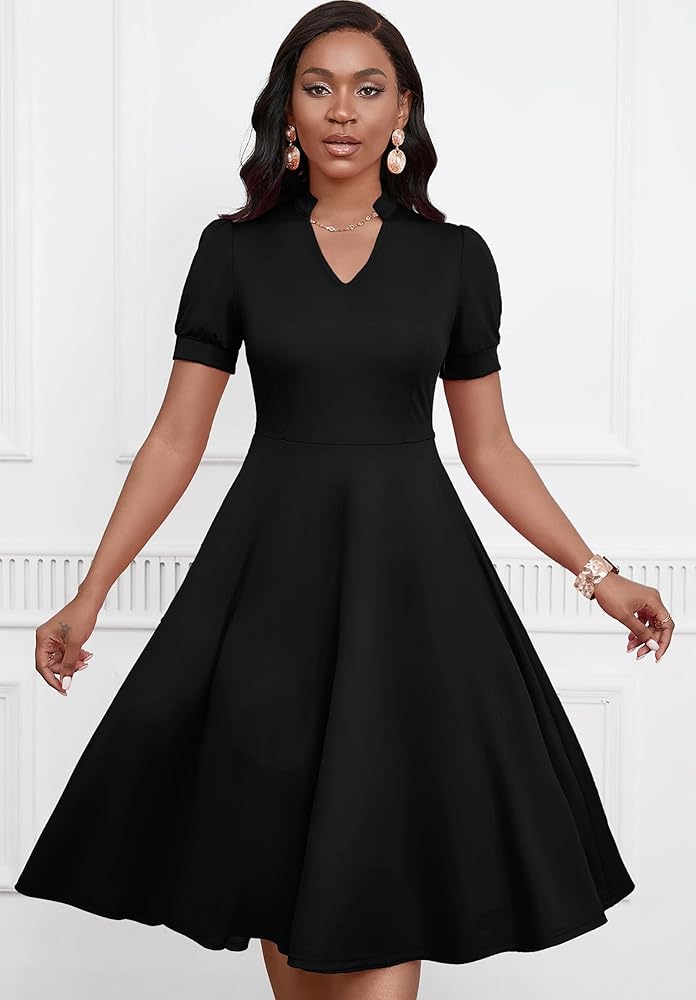
If a dress is to serve multiple occasions, its architecture must be sound. This involves a deliberate selection of color, silhouette, and detail that maximizes adaptability. From a third-person perspective, the most successful dresses are those designed with intentionality. First, consider color psychology and versatility. While black remains a staple for its slimming effect and evening appropriateness, as noted in numerous fashion psychology texts, expanding one’s palette to include navy, burgundy, emerald green, or metallic shades like champagne can increase an outfit’s range. A study from the University of Nottingham’s Department of Color Science suggests certain hues evoke specific perceptions—navy conveys trust and authority, deep jewel tones suggest luxury—making them ideal for diverse settings. Second, the silhouette must flatter without confining. The fit-and-flare, for instance, cinches at the waist and flows over the hips, suiting most body types and offering a classic, feminine shape suitable for both weddings and garden parties. The sheath dress, often hailed by style authorities like Vogue as a “wardrobe workhorse,” provides a sleek, modern line that transitions effortlessly from a daytime conference (with a blazer) to an evening dinner. The key is a clean line that doesn’t rely on extreme trends. Third, strategic detailing is crucial. A dress with a simple V-neckline and three-quarter sleeves, for example, is inherently more versatile than one with a dramatic cold-shoulder or off-the-shoulder design, which may not be appropriate for all professional or conservative family events. The perfect semi-formal dress is a masterclass in balanced design.

From Wedding Guest to Evening Soirée: The Chameleon Dress in Action
Let’s translate theory into practice. Imagine you own a midi-length, sleeveless dress in a rich navy crepe. This single semi-formal dress can be the foundation for at least four distinct occasions. For a daytime semi-formal wedding, you might pair it with delicate pearl jewelry, a pastashaded pashmina, and block-heeled sandals. The look is celebratory yet respectful, adhering to the common advice from wedding planning sites like The Knot, which emphasizes elegance without upstaging the bride. For a cocktail party, the transformation begins: swap the pashmina for a statement metallic clutch, add bold geometric earrings, and change into strappy stilettos. Suddenly, the dress feels more dynamic and night-appropriate. For a professional awards dinner, layer a tailored, structured blazer in a contrasting color over the dress, opt for closed-toe pumps, and choose minimalist jewelry. This ensemble, as business literature from Harvard Business Review often implies, communicates professionalism and polished competence. Finally, for a theater date or anniversary dinner, you might introduce an element of glamour with a faux fur stole, dramatic smokey eye makeup, and elegant updo. The dress itself hasn’t changed, but its context and accessories have, proving its immense utility. This chameleon-like quality is the hallmark of a wisely chosen piece, saving you from the perpetual “I have nothing to wear” dilemma and reducing the need for costly, single-use outfits.
Investing Wisely: Quality, Cost-Per-Wear, and Smart Acquisition
The initial price tag of a well-made dress can give one pause. However, adopting an investment mindset, championed by style icons like Tim Gunn and the ethos of “slow fashion,” reveals the true value. The concept of cost-per-wear is a powerful, objective metric. A $300 dress worn once costs $300 per wear. That same $300 dress, as your versatile semi-formal solution worn across ten occasions over several years, costs $30 per wear—a figure that soon rivals that of many casual items. The investment shifts from the garment itself to the freedom and confidence it provides. To acquire these pieces wisely, one must become a discerning shopper. Look for quality construction: fully lined fabrics, secure zippers, French seams, and ample seam allowances that allow for alterations. These are hallmarks of durability, often found in brands that specialize in workwear or classic elegance rather than fast fashion. Furthermore, leverage technology to find discounts. Set price alerts on retailer websites, shop end-of-season sales for timeless colors and styles, and consider reputable consignment or sample sale platforms where high-quality semi-formal dresses from previous seasons can be found at a significant fraction of their original price. The goal is to bring professional knowledge of fabric and construction to bear on the purchasing decision, ensuring you pay for longevity, not just a label.
“Style is primarily a matter of instinct. But a good sense of style requires a good sense of yourself—and an understanding of the basics. A simple, well-cut dress in a solid color is the canvas. You are the art.” — A sentiment often echoed by fashion educators, reflecting the philosophy that knowledge empowers personal expression.
The Final Analysis: Beyond the Garment, A Tool for Confidence
Ultimately, the pursuit of the perfect semi-formal dress transcends mere clothing acquisition. It is an exercise in personal branding and psychological preparedness. When you understand the rules—the hemline, the fabric, the silhouette—you gain the confidence to occasionally bend them with purpose. You are no longer a passive recipient of a dress code but an active participant in your own presentation. This dress becomes a reliable tool in your arsenal, eliminating anxiety and decision fatigue when invitations arrive. It allows you to focus on the experience of the occasion itself—the conversation, the celebration, the professional connection—rather than worrying about your attire. In a world of endless sartorial noise, having that one, two, or three perfectly curated semi-formal options is an act of strategic simplicity. It is an affirmation that true style lies not in the volume of one’s closet, but in the intelligence behind its contents. The right dress doesn’t just fit your body; it fits your life, enabling you to step into any room with assured elegance, ready for whatever the occasion may bring.