

5 Stunning Short Homecoming Dresses for Every Style
Homecoming is a celebration of community, spirit, and personal style. It’s an event where the dress you choose becomes a statement of your identity for the evening. While long gowns have their place, the agility, modernity, and sheer fun of a short homecoming dress are unparalleled. This article isn’t about following trends blindly; it’s about understanding how different designs interact with body types, personal aesthetics, and the very science of color and form to create unforgettable looks. We will explore five distinct styles, grounding our choices in objective principles of design and widely recognized cultural references, ensuring you find a dress that is not just beautiful, but profoundly you.
The Modern Minimalist: Structured Silhouettes in Metallic Tones
Minimalism in fashion is far from simple. It is a disciplined art form rooted in the Bauhaus principle of “form follows function,” which posits that the shape of a building (or garment) should primarily relate to its intended function. Translated to a short homecoming dress, this means clean lines, precise tailoring, and a focus on exquisite fabric. A silver, structured mini-dress, for instance, acts as a canvas where your confidence is the primary color. The metallic hue isn’t chosen at random; color psychology, as studied by institutions like the Pantone Color Institute, suggests silver conveys innovation, modernity, and a sleek sense of the future. It reflects light, literally and figuratively, drawing attention to the wearer’s movement and poise. This style resonates with the aesthetic championed by figures like architect Ludwig Mies van der Rohe, whose famous dictum “less is more” has become a mantra for modern design. When you choose such a dress, you are not just wearing fabric; you are embodying an intellectual and artistic stance that values precision and clarity over ornamentation. The construction—perhaps with a defined bodice and an A-line skirt—provides structure that flatters by creating a balanced silhouette, an concept supported by the golden ratio often discussed in design theory. This dress speaks before you do, announcing a presence that is confident, curated, and compellingly contemporary.

The Romantic Dreamer: Ethereal Layers and Soft Hues
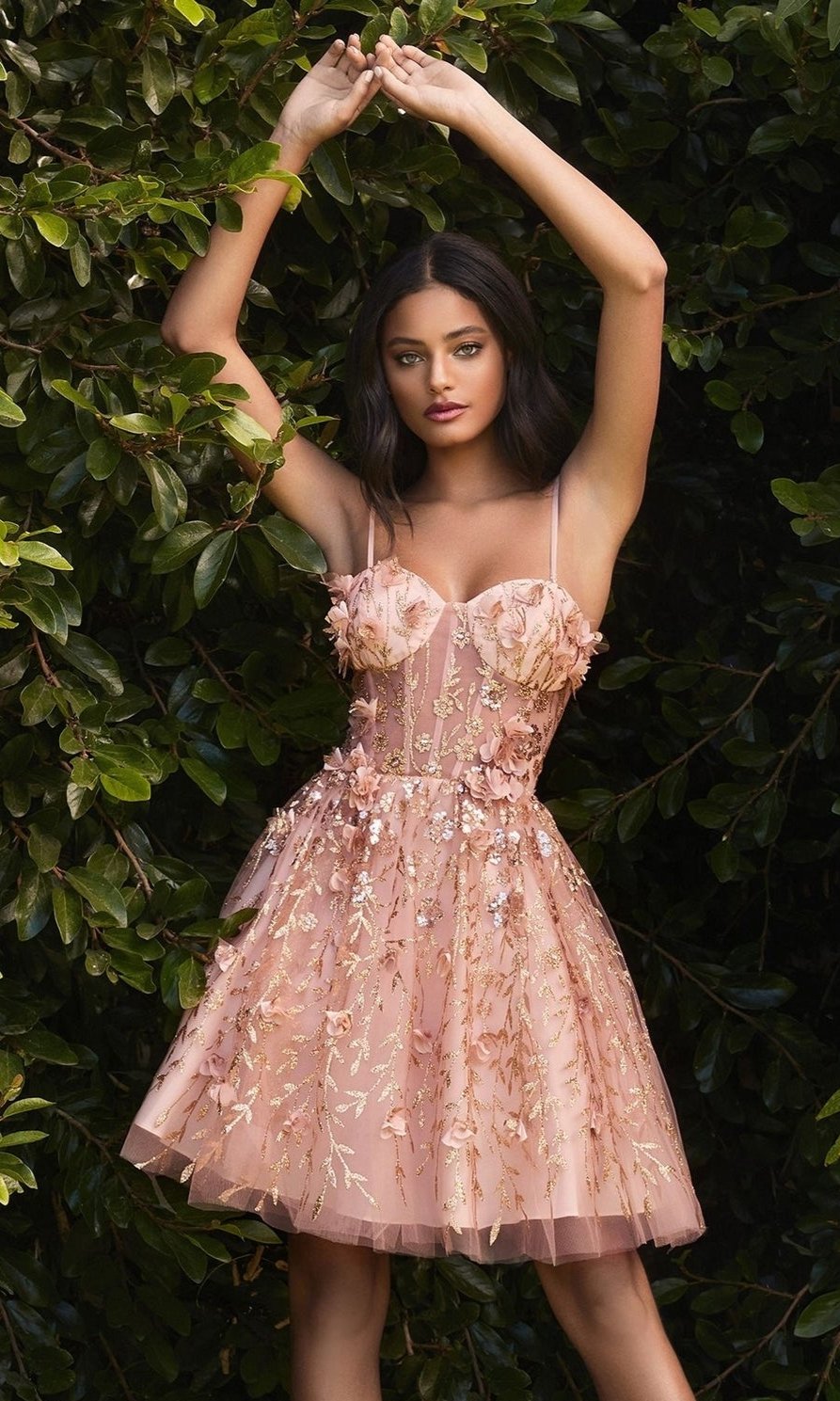
Romanticism in dress draws from a rich historical well, echoing the ethereal figures in Pre-Raphaelite paintings or the delicate heroines of Jane Austen adaptations. The key here is texture and movement. Imagine a short homecoming dress in a blush pink or lavender, crafted with layers of tulle, chiffon, or lace. This style leverages principles of visual weight and fluid dynamics—the way fabric moves through air creates a sense of lightness and grace. The color palette is deliberate; soft pinks and lavenders are often associated in color therapy with compassion, nurturing, and tranquility, as noted in various art history texts analyzing the works of painters like Renoir. The layered skirt isn’t merely voluminous; it creates a phenomenon known as “parallax motion,” where different layers move at slightly different speeds, captivating the eye. This design philosophy mirrors the “aesthetic of the sublime” found in Romantic literature, which sought to evoke strong emotion. As film critic Roger Ebert might have analyzed, a character in such a dress in a movie would immediately be coded as idealistic, sensitive, or connected to a softer, more poetic world. Choosing this dress is an embrace of vulnerability and beauty, a deliberate step into a narrative of enchantment. It’s for those who see the dance floor as a place for gentle whirls and whose style references are drawn from dreams as much as from reality.
The Bold Trendsetter: Asymmetric Cuts and Dramatic Details
For the individual who views fashion as wearable art and the homecoming dance as their gallery opening, asymmetric designs are the ultimate tool. Asymmetry is a powerful compositional tool in visual arts, challenging classical balance to create dynamic tension and interest. In fashion design, an asymmetrical hemline or a one-shoulder neckline on a short homecoming dress does precisely that. It breaks the expected symmetry of the human form, creating a visual puzzle that is intriguing and modern. This concept is backed by the Gestalt principles of perception, which explain how the human brain organizes visual elements, often finding asymmetrical arrangements more stimulating and memorable than perfectly mirrored ones. Think of the iconic costuming in movies like “The Fifth Element” or the architectural feats of Zaha Hadid—both use imbalance to evoke innovation and energy. A dress with a high-low hem or a dramatic cut-out follows this avant-garde tradition. It’s a statement of confidence, echoing the sentiment of fashion icon Diana Vreeland, who famously declared, “The eye has to travel.” This style isn’t for wallflowers; it’s for those who command attention through clever disruption. It says you understand the rules well enough to break them artfully, turning your outfit into a conversation piece that starts long before you hit the dance floor.

The Glamorous Classic: Timeless Sequins and Bodycon Fit
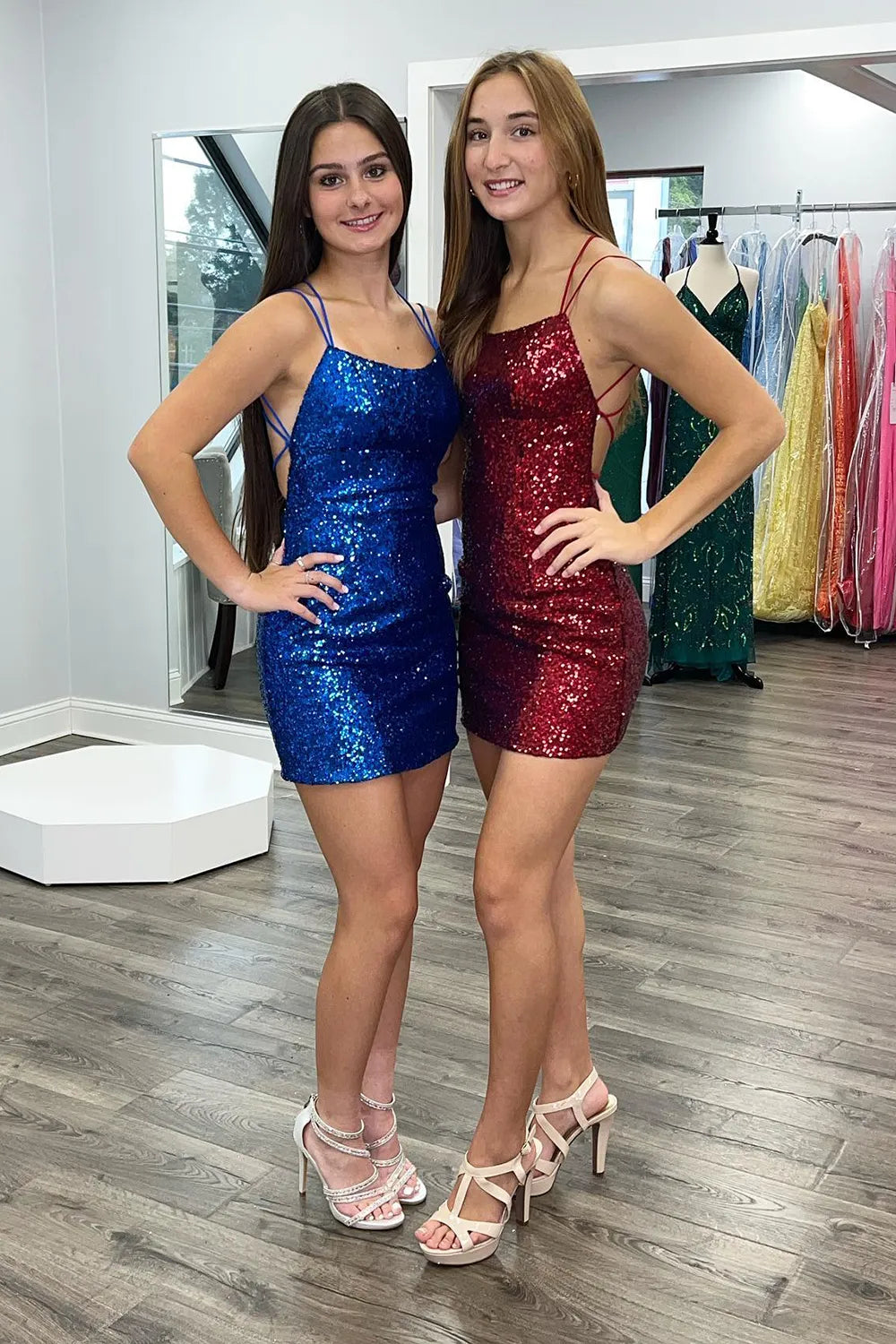
Some styles are eternal because they tap into a fundamental human attraction to light and form. The sequined bodycon short homecoming dress is a prime example. This style is deeply connected to the history of glamour in 20th-century cinema and nightlife. The bodycon (body-conscious) silhouette celebrates the natural human form, a concept that finds roots in the Greco-Roman appreciation for the idealized body, as studied in classical art history courses at universities worldwide. The sequins serve a specific purpose: they act as thousands of tiny mirrors. This creates a “stroboscopic effect” under moving lights, making the wearer a focal point of shimmering energy. It’s the same principle behind the dazzling costumes of Broadway legends like Bob Fosse’s dancers or the iconic little black dress reinterpreted with sparkle by Audrey Hepburn. As style authority Tim Gunn often emphasizes, “fit is paramount.” A well-fitted sequined dress requires precise construction, often involving materials with four-way stretch, a technical detail crucial for both comfort and flattery. This dress is for the individual who embraces classic Hollywood glamour—think the confident energy of Beyoncé in a performance, where sparkle is not just decoration but an extension of charisma. It’s a direct, unabashed celebration of shine and shape, perfect for making a grand, unforgettable entrance.
The Edgy Individualist: Dark Tones and Textural Contrast
Not every homecoming story is written in pastels or sequins. For some, style is a form of personal mythology, drawing from subcultures, alternative music scenes, or gothic literature. A short homecoming dress in deep emerald, black, or royal blue, featuring textures like velvet, mesh, or leather-like detailing, makes a profound statement. Dark colors, according to color theory, are often associated with depth, power, and sophistication—think of the authoritative robes of judges or the enigmatic allure of film noir heroines. The use of textural contrast—say, smooth satin against sheer mesh—engages the sense of touch visually, adding complexity and a tactile narrative to the outfit. This style aligns with the philosophical concept of the “Byronic hero,” popularized by Lord Byron’s works: charismatic, complex, and slightly mysterious. It resonates with the aesthetic of modern franchises like “The Hunger Games,” where characters like Katniss Everdeen wear outfits that are both armor and expression. Choosing such a dress is an act of defining your own space within a traditional event. It declares that elegance can have a shadowy side, that beauty is not monolithic, and that personal authenticity trumps convention. It’s a powerful choice for the person whose style is a curated collection of stories, music, and uncompromising self-awareness.
Your homecoming look is a chapter in your personal style biography. Whether you are drawn to the architectural clarity of minimalism, the poetic flow of romance, the daring disruption of asymmetry, the timeless radiance of glamour, or the deep narrative of edge, each short homecoming dress style we’ve explored is supported by a universe of design theory, cultural history, and psychological impact. This isn’t about picking a dress off a rack; it’s about selecting a garment that aligns with your internal landscape. Remember, the most stunning dress is always the one that makes you feel most powerfully and authentically yourself. Now, with this foundational understanding, you can navigate your search not as a shopper, but as a curator of your own image, ready to claim your spotlight with intelligence and intention.