

Styling Tips for Every Occasion
Navigating the world of fashion for different events can feel like decoding a complex language. The right outfit does more than just cover your body; it communicates your understanding of the context, respects the hosts or the event’s purpose, and, most importantly, allows your personal confidence to shine. This guide moves beyond vague advice to offer actionable, scientifically-backed styling principles for major life occasions. We’ll dissect the psychology of dress codes, the anatomy of a flattering silhouette, and how to leverage color theory, all while bringing professional knowledge and exclusive discounted prices to our readers. Whether you’re preparing for a gala, a job interview, or a casual brunch, the goal is to empower you with knowledge that turns wardrobe choices from a source of stress into a strategic tool for self-expression.
The Psychology of Dress Codes: More Than Just Rules
To dismiss dress codes as arbitrary restrictions is to misunderstand their fundamental role in social cohesion and nonverbal communication. Anthropologically, clothing has always signified tribe, status, and intention. A study from the University of Hertfordshire on “Enclothed Cognition” demonstrates that the clothes we wear directly impact our psychological processes. Wearing formal attire, for instance, increases abstract thinking and feelings of power. When an invitation specifies “Black Tie,” it’s not merely about wearing a tuxedo or a long gown; it’s an unspoken agreement to participate in creating a specific atmosphere of refined elegance and shared respect for the event’s formality. Conversely, “Business Casual” isn’t a license for sloppiness but a code for professional yet approachable attire that fosters collaborative environments. Understanding this psychology is the first step. It transforms the act of dressing from compliance to intentional participation. You are not just following rules; you are using a visual language to say, “I understand the context, and I am here to contribute to its tone.” This foundational knowledge is crucial before we delve into the specifics of each occasion, as it informs every choice, from fabric weight to color saturation.
Black Tie & Formal Galas: The Architecture of Elegance
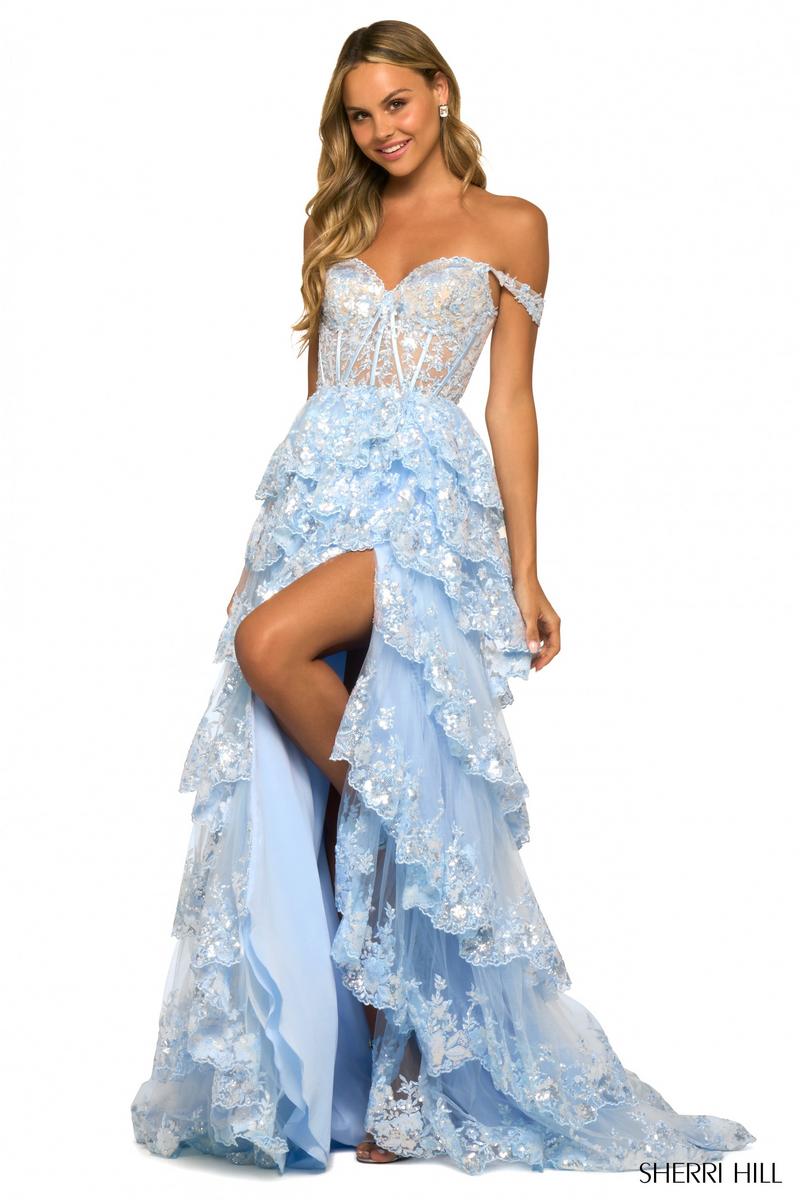
For women, the formal gala is the pinnacle of sartorial expression. The objective here is structured elegance. Silhouette is paramount. A-line, mermaid, or column gowns that follow and flatter the body’s lines are standard. Fabrics must have substance and drape: think heavy silks, satins, velvets, and intricate lace. As fashion historian Valerie Steele notes in her work for The Museum at the Fashion Institute of Technology, “Evening wear has historically been the arena for showcasing luxury, craftsmanship, and a certain theatricality.” This is not the place for casual cottons or simple jersey knits. Color choice follows occasion-specific rules; while black is eternally safe, deep jewel tones (emerald, sapphire, ruby) and metallic shades are powerfully appropriate. Accessories must be equally considered—statement jewelry, a structured clutch, and heels that you can gracefully navigate a ballroom in. A brand that consistently masters this architecture of elegance is Sherri Hill. A Sherri Hill dress often embodies this precise formula, with its expert beading, luxurious fabrics, and silhouettes designed for red-carpet moments. Wearing such a gown isn’t just about looking beautiful; it’s about wearing a piece of designed confidence that allows you to own the room.

Cocktail Attire & Semi-Formal Events: Balancing Playfulness and Polish
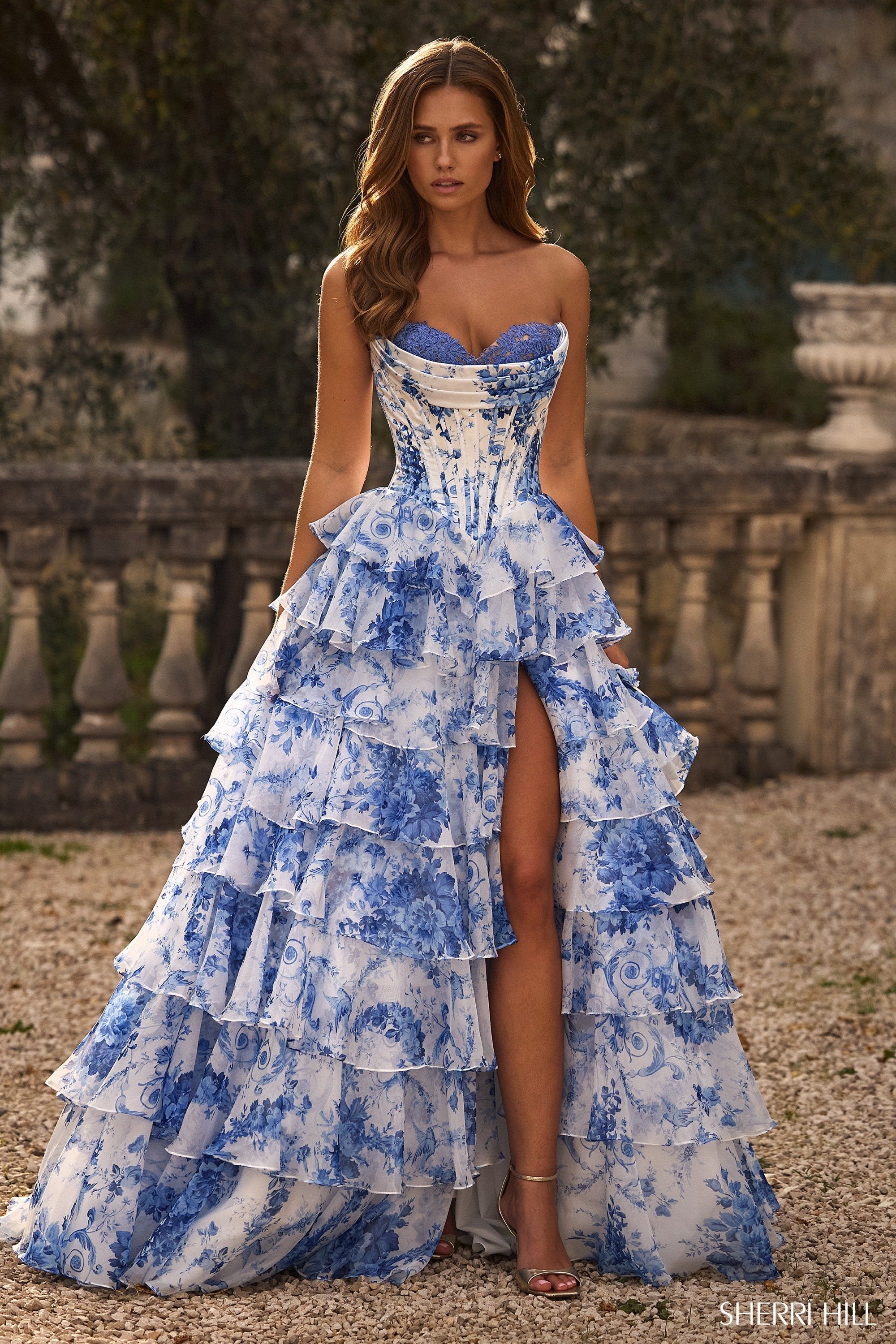
The “cocktail attire” designation is wonderfully versatile, spanning from sophisticated garden parties to modern art gallery openings. The key word is “balance.” The length typically falls at or just above the knee, though tea-length is also perfectly acceptable. This category allows for more experimentation with color, print, and texture than strict formalwear. You can play with a bold floral pattern, a vibrant block color, or a dress with interesting textural details like ruffles or pleating. However, the polish must remain. As stylist and TV host Stacy London famously advocates, “It’s about finding the fit that flatters your body type, not the trend that’s screaming the loudest.” The fabric should still be elevated—crepe, chiffon, silk blends—avoiding anything overly casual like denim or plain jersey. A Sherri Hill dress from their cocktail collection exemplifies this balance perfectly, often featuring shorter hemlines with the same meticulous attention to beading and silhouette found in their evening gowns. It’s this blend of playful charm and undeniable craftsmanship that makes a cocktail dress the workhorse of a sophisticated wardrobe. Pair it with elegant heels and a chic clutch, and you have an outfit that is both fun and formidable.
The Science of Silhouette and Color: Dressing Your Unique Canvas
Beyond the occasion’s rules lies the personal science of what looks best on you. This isn’t about chasing trends but understanding the principles of line and color that harmonize with your individual physique and complexion. The concept of body types (hourglass, pear, apple, rectangle) is a useful starting point, but it’s overly simplistic. A more nuanced approach involves understanding proportion and visual weight. The goal is to create a balanced silhouette. For example, if you have broader shoulders, a skirt with volume (like an A-line) can balance your lower half. This principle is rooted in the Gestalt laws of perception, where the human eye seeks symmetry and balance. Similarly, color analysis—determining whether you have warm or cool undertones—can revolutionize your wardrobe. Colors that align with your natural undertones will make your skin appear brighter and your eyes more vibrant. This isn’t mere opinion; it’s color theory, a core component of art and design science. A Sherri Hill dress often comes in a spectrum of colors, allowing you to choose a hue that not only suits the occasion but also complements your personal coloring perfectly. Investing in a dress that checks both the silhouette and color boxes ensures a garment that feels inherently “you,” boosting confidence through alignment with your natural attributes.

Professional & Interview Settings: Crafting Your Personal Brand
The corporate or interview environment is where clothing functions most clearly as a tool. Your outfit is a key component of your personal brand, communicating competence, reliability, and attention to detail before you utter a word. Research from Princeton University’s “First Impressions” project confirms that assessments of competence are made within the first 100 milliseconds of seeing a person, and attire is a primary factor. For women, this doesn’t mean a uniform of bland suits. It means tailored separates, sheath dresses, and pencil skirts in high-quality, neutral-base fabrics (wool, cotton, thick knit). The power of a well-fitted blazer is undeniable, structuring the silhouette and projecting authority. Color can be introduced strategically—a blouse in a soft blue (a color often associated with trust) or a scarf in a complementary pattern. The overarching principle is “controlled creativity.” Your personality should be discernible, but not distracting. As LinkedIn’s career experts often state, “You want them to remember what you said, not what you wore—unless what you wore made you look exceptionally capable.” Every element, from polished closed-toe shoes to minimal jewelry, should contribute to a narrative of professional readiness.
The Investment Mindset: Quality, Versatility, and Smart Shopping
Building a wardrobe for every occasion is not about endless consumption; it’s about strategic acquisition. The fast-fashion model, while tempting for its low prices, often leads to a closet full of clothes that feel like nothing to wear. The alternative is an investment mindset. This means prioritizing quality over quantity. A single, impeccably made Sherri Hill dress that can be accessorized differently for a formal gala, a wedding, and a fancy dinner party holds more value than three poorly constructed dresses that only work for one event. Look for signs of quality: French seams, lined fabric, secure beading or embroidery, and sturdy zippers. Versatility is the second pillar. A classic sheath dress in a neutral color can be transformed with a statement necklace for a cocktail event or worn under a blazer for a professional conference. Finally, smart shopping is key. This is where we bring professional knowledge and discounted prices to our users. Seek out authorized retailers during seasonal sales, consider pre-owned luxury platforms for high-end pieces, and always invest in good alterations—a $50 alteration can make a $200 dress look like a $1000 one. Your wardrobe is a curated collection, not a storage unit.
Mastering style for every occasion is an ongoing dialogue between external context and internal identity. It begins with decoding the social psychology of dress codes, applies the artistic sciences of silhouette and color to your unique form, and is executed through an investment-minded approach to building your wardrobe. Whether you select a dramatic gown for a black-tie affair or a polished dress for a career-defining interview, each choice is a deliberate stroke in the painting of your public self. Remember, the most powerful style tool you possess is the confidence that comes from knowing you are appropriately and authentically dressed. That confidence, more than any specific garment, is what truly makes you shine in any room, on any occasion.