

5 Sexy Cocktail Dresses That Will Steal the Spotlight
When the invitation arrives for a gala, a sophisticated soirée, or a night where the champagne flows as freely as the conversation, the quest for the perfect ensemble begins. It’s not merely about finding a dress; it’s about discovering an armor of allure, a statement piece that commands the room before you utter a single word. The sexy cocktail dress occupies a unique sartorial space—bridging the formality of evening wear with an intimate, personal expression of confidence. This isn’t about fleeting trends but about understanding the architectural and psychological elements that make a dress unforgettable. We’re moving beyond subjective taste into a realm where design principles, cultural history, and the science of perception converge to create true spotlight moments. Here, we dissect five archetypes of the sexy cocktail dress, each a masterclass in leveraging silhouette, texture, and color to captivate an audience.
The Sculptural Sheath: Architecture in Motion
The sheath dress is the epitome of minimalist seduction. Its power lies not in excess fabric or overt embellishment, but in the precision of its cut. This is a dress that follows the natural lines of the body with a tailored exactness that borders on the scientific. The term “sheath” itself, derived from Old English scǣþ, meaning a close-fitting case, perfectly encapsulates its function: to encase and reveal the figure in a single, uninterrupted line. From a design perspective, it employs principles of columnar structure, creating a vertical illusion that elongates the silhouette. Fashion historian Dr. Valerie Steele, director of The Museum at the Fashion Institute of Technology, has often noted in her lectures that the modern sheath’s lineage can be traced to the post-war designs of Christian Dior’s “New Look” and the subsequent minimalist revolution of the 1960s. It represents a shift in the locus of sexiness from external decoration to the celebration of the body’s own form. The sexiness of a well-executed sheath is intellectual; it whispers rather than shouts. It demands a specific kind of confidence—one that is comfortable in its own skin, without needing to hide behind ruffles or layers. When you choose a sculptural sheath, you are aligning yourself with a legacy of iconic women, from Audrey Hepburn’s Givenchy to the modern red-carpet elegance of Amal Clooney. It is a dress that speaks of controlled power and sophisticated self-awareness.

The Draped Goddess: Liquid Elegance
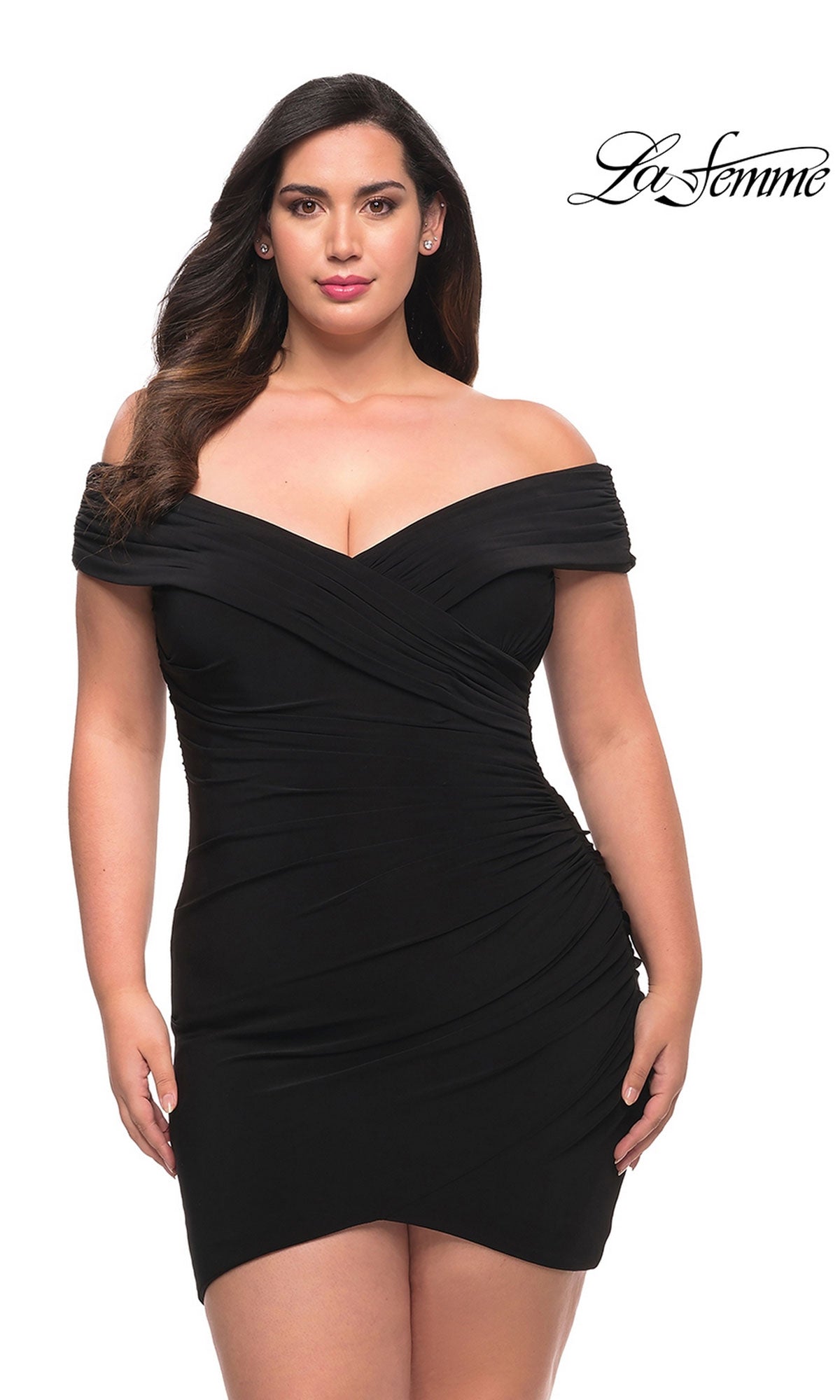
If the sheath is architecture, the draped dress is liquid sculpture. This style utilizes the fluidity of fabric—often bias-cut satin, silk charmeuse, or soft jersey—to create a cascade of folds that both conceal and reveal the body in a dynamic, ever-changing way as you move. The technique of draping is one of the oldest in fashion, with roots in the ancient Greek chiton and Roman stola, garments that used the body itself as a mannequin for fabric to flow over. This historical connection imbues the draped cocktail dress with a timeless, goddess-like quality. The science here is in the physics of the fabric’s drape and the mathematics of the bias cut (cut at a 45-degree angle to the weave), which allows the material to stretch and cling in a uniquely flattering manner. As the legendary designer Madame Grès, a master of drapery, once stated, “The material must be alive on the body. It must move with it.” This viewpoint underscores that the sexiness of a draped dress is kinetic and organic. It doesn’t sit statically; it lives and breathes with the wearer. It’s forgiving yet form-fitting, creating soft shadows and highlights that play with perception. Choosing a draped goddess dress is an embrace of romanticism and sensual movement. It suggests a comfort with softness and fluidity, an allure that is both ancient and utterly modern, perfect for an event where grace and a touch of drama are paramount.

The Daring Lace Illusion: Strategic Revelation
Lace, with its intricate patterns and transparent panels, operates on the powerful principle of the illusion. A sexy cocktail dress employing lace or sheer inserts engages in a sophisticated game of peek-a-boo, masterfully balancing coverage with exposure. This plays directly into psychological concepts of curiosity and reward. The brain is drawn to patterns and the promise of revelation, making a lace dress inherently fascinating. From a cultural standpoint, lace has a complex history, evolving from a symbol of immense wealth and status in the 16th century to a staple of lingerie and, eventually, a bold statement in outerwear. Websites like The Metropolitan Museum of Art’s Heilbrunn Timeline of Art History detail this evolution, showing how designers like Yves Saint Laurent and Dolce & Gabbana later weaponized lace for overt, powerful femininity on the eveningwear stage. The key to a successful lace illusion dress is in the craftsmanship—the quality of the lace itself (whether Chantilly, Guipure, or Leavers) and the strategic placement of opaque underlays. It’s about framing the body’s landscape. A dress might feature a sheer bodice with lace appliqués over key areas, or a sheer skirt overlay with a solid slip beneath. This style doesn’t just reveal skin; it frames it, making the revealed areas seem more precious and intentional. It’s a dress that communicates confidence and a nuanced understanding of allure. It says you know the rules of the game and are adept at playing them, offering glimpses of personality as much as physique.
The High-Low Dynamo: Structural Playfulness
Defying a single, traditional silhouette, the high-low hemline (shorter in the front, longer in the back) is a study in contrast and dynamism. This design creates immediate visual interest by breaking the expected line of a hem, engaging the viewer’s eye in a journey around the garment. It’s a relatively modern innovation in formalwear, gaining massive popularity in the 21st century as a symbol of playful, youthful energy meeting formal occasion dressing. From a functional standpoint, it offers the best of both worlds: the ease of movement and leg-flattering appeal of a shorter dress in the front, combined with the dramatic, elegant sweep of a train or longer back. This structural playfulness taps into a broader cultural trend of “hybridization” in fashion, where categories are blended to create new expressions. It’s a dress that doesn’t take itself too seriously, yet can be rendered in luxurious fabrics like taffeta or sequins for undeniable impact. The sexiness here is energetic and approachable. It suggests a wearer who is fun, confident, and unafraid to mix conventions. It’s a dress for making an entrance and for dancing the night away, its changing hemline creating a sense of perpetual motion. When you opt for a high-low dynamo, you’re signaling a vibrant, modern sensibility—one that respects tradition but isn’t bound by it.
The Bold Color Block & Slit: Geometric Confidence
This style leverages two of the most potent tools in a designer’s arsenal: color theory and strategic negative space. A color-blocked dress uses large, solid panels of contrasting colors to create a graphic, modern effect that can visually sculpt the body. A high leg slit, meanwhile, introduces a vertical line of negative space that elongates the leg and introduces an element of daring movement. The impact is rooted in basic visual perception. High-contrast color blocking can highlight or minimize areas, drawing the eye to specific points (like the waist or shoulders). The leg slit, a feature with origins in the practical need for movement in ancient Chinese and Southeast Asian garments, was popularized in Western eveningwear by mid-20th century screen sirens and is now a red-carpet staple. As stylist and fashion commentator Law Roach has famously said on platforms like YouTube, “A strategic slit isn’t just about showing leg; it’s about creating a line, a moment of surprise in the silhouette.” This combination—graphic color and strategic opening—creates a sexy cocktail dress that is both intellectually striking and physically arresting. It’s a look that commands attention through bold, clear statements rather than subtle nuance. It speaks of a wearer with decisive taste and the confidence to carry a look that is inherently dramatic and geometrically precise.

Beyond the Silhouette: The Professional Edge
Understanding these five archetypes empowers you to make a choice that aligns with your personal narrative for the evening. But knowledge of style must be paired with knowledge of value. The construction of a standout sexy cocktail dress involves specific markers of quality: fully lined interiors, secure closures (like robust zippers and hooks), French seams for a clean finish, and fabric with substantial weight and sheen. These are not mere details; they are the engineering that ensures the dress moves with you and maintains its shape throughout the night. Investing in these elements often means the dress becomes a versatile staple in your wardrobe, capable of being accessorized differently for multiple events. Fortunately, acquiring this level of quality doesn’t always necessitate a stratospheric price tag. End-of-season sales, trunk shows, and reputable online retailers often offer significant discounts on designer and well-constructed contemporary pieces. The key is to prioritize fit and fabric over the immediacy of a trend. A perfectly fitted dress in a luxurious material, even if purchased at a discount, will always outshine a poorly made, on-trend item at full price.
The right dress is a catalyst. It’s not an outfit you wear, but an experience you step into. Whether you are drawn to the architectural purity of the sheath, the liquid romance of the drape, the tantalizing game of lace, the playful dynamism of the high-low, or the graphic boldness of color and slit, each choice is a declaration. These five categories of the sexy cocktail dress are more than just styles; they are strategies for self-presentation, grounded in design history and perceptual science. They offer a framework for you to not just enter a room, but to own the narrative of your entrance, ensuring the spotlight finds you and, more importantly, stays with you.