

A dress with thin shoulder straps has quietly become one of the most versatile wardrobe pieces a woman can own. Whether you call it a strap dress, a camisole dress, or simply a spaghetti-strap number, this minimalist silhouette transcends seasonal trends and age groups. The beauty of the strap dress lies in its simplicity: clean lines, bare shoulders, and a cut that flatters virtually every body type when chosen thoughtfully. In this guide, we will walk through everything you need to know about finding, styling, and confidently wearing a strap dress for any occasion — from casual weekend brunches to black-tie galas.
The Historical Roots of the Strap Dress
The origins of the strap dress trace back to the 1920s, when flappers began shedding the restrictive corsets and heavy layers that had dominated women’s fashion for centuries. According to historical fashion archives documented on Wikipedia, the post-World War I era brought unprecedented social freedom for women, and clothing design reflected that shift. The slip dress — a close relative of today’s strap dress — emerged as an undergarment-inspired piece that women began wearing as outerwear. By the 1990s, designers like Calvin Klein and Kate Moss had cemented the strap dress as a high-fashion staple, proving that less truly could be more. This historical trajectory reveals something important: the strap dress was never merely a trend. It was a statement of liberation, and that DNA persists in every modern iteration you will find on the market today.
What makes this history relevant to your wardrobe choices is the understanding that a strap dress carries cultural weight. When you wear one, you are participating in a lineage of women who chose comfort without sacrificing elegance. Fashion historians at institutions like the Victoria and Albert Museum in London have dedicated entire exhibitions to the evolution of women’s undergarments becoming outerwear, and the strap dress sits at the center of that narrative. Knowing this context helps you appreciate why a simple garment with two thin straps can feel so empowering — it is not just fabric; it is a piece of social history draped over your shoulders.
Understanding the Different Types of Strap Dresses
Not all strap dresses are created equal, and knowing the distinctions will save you from purchasing the wrong style for your body type or occasion. The classic spaghetti strap dress features ultra-thin straps — often no wider than a shoelace — that create a delicate, almost invisible shoulder line. This style works beautifully on women with narrower shoulders or a petite frame, as the thin straps do not overwhelm a smaller silhouette. On the other end of the spectrum, the wide-strap dress employs bands of fabric that are one to two inches thick, offering more support and a sportier aesthetic that suits athletic body types particularly well. The single-strap dress, sometimes called the one-shoulder design, creates an asymmetrical look that draws attention to the collarbone and neckline — a favorite choice for cocktail events and red carpet appearances.
Then there are variations like the adjustable-strap dress, which features sliding hardware that lets you customize the fit across the bust and torso. This is especially valuable for women whose measurements fall between standard sizing categories. The tie-strap dress replaces fixed straps with fabric ties that you can knot or bow at the shoulders, adding a playful, customizable element to an otherwise simple garment. Understanding these distinctions matters because the wrong strap type can create discomfort, poor fit, or a look that does not align with your personal style. When shopping for a strap dress, always consider the strap width, adjustability, and how the strap placement interacts with your shoulder width and bust size before making a purchase decision.
How to Choose the Right Strap Dress for Your Body Type
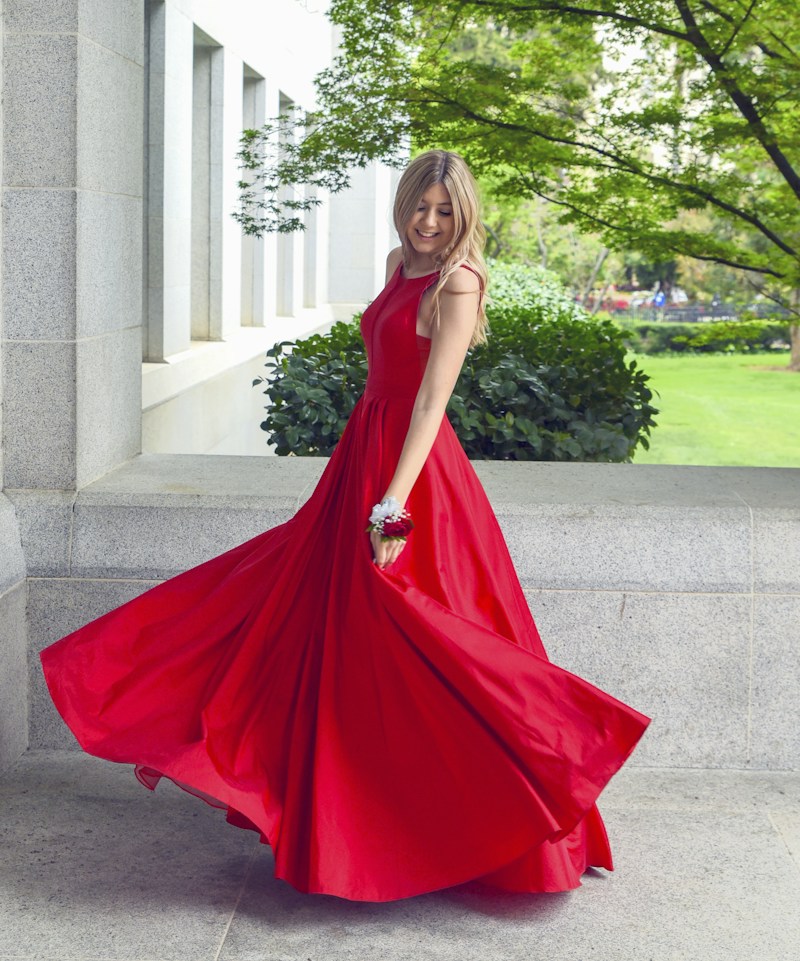
Body type plays a crucial role in determining which strap dress will make you look and feel your absolute best. If you have an hourglass figure — characterized by a well-defined waist with balanced bust and hip measurements — you want a strap dress that cinches at the waist and allows your natural curves to shine. A fit-and-flare silhouette with thin straps will accentuate your waist while the flared skirt skims over your hips, creating a balanced, flattering line. For women with a pear-shaped body, where the hips are wider than the shoulders, the goal is to draw attention upward. A strap dress with embellished straps, a boat neckline, or a bold pattern on the upper half will create visual interest at the shoulders and balance the lower body proportionally.
Apple-shaped women, who tend to carry weight in the midsection, should look for strap dresses with an empire waist or A-line cut that flows away from the body rather than clinging to it. A V-neck strap dress creates a vertical line that elongates the torso, while darker colors on the lower half can minimize the appearance of the midsection. Rectangle-shaped bodies — where the bust, waist, and hips are roughly the same width — benefit from strap dresses that create the illusion of curves. Look for designs with ruffle details, peplum hems, or belted waistlines that introduce dimension and shape. As fashion stylist Rachel Zoe once noted in an interview with Vogue magazine, the right dress does not change your body — it celebrates it. The key is understanding your proportions and selecting a strap dress that works with your natural shape rather than against it.
Styling a Strap Dress for Every Season and Occasion
The remarkable versatility of the strap dress means it can transition seamlessly across seasons when you know how to layer and accessorize appropriately. In spring and summer, a strap dress speaks for itself — pair it with strappy sandals, a woven crossbody bag, and minimal jewelry for a look that feels effortless and appropriate for almost any daytime event. For beach vacations or resort wear, choose a lightweight cotton or linen strap dress in a bright color or tropical print, and throw on a wide-brimmed hat for sun protection that doubles as a style statement. The bare shoulders and open neckline of a strap dress make it the ideal canvas for layered necklaces — try a delicate choker paired with a longer pendant for visual depth without overwhelming the clean lines of the garment.
When autumn arrives and temperatures drop, your strap dress does not need to retire to the back of your closet. Layer a fitted turtleneck underneath for a preppy, modern look that fashion editors have been championing since the early 2010s. Alternatively, drape a chunky knit cardigan over your shoulders or pair the strap dress with a leather or denim jacket for a casual-cool aesthetic that works for coffee dates, shopping trips, or casual Friday office environments. In winter, the strap dress transforms into an elegant base layer under a tailored coat — imagine a satin slip-style strap dress paired with opaque tights, knee-high boots, and a wool overcoat. This layered approach is endorsed by numerous style experts on platforms like Instagram fashion communities, where outfit layering with slip dresses has become a dominant cold-weather trend. The strap dress proves year-round that minimalism and adaptability are the foundations of a truly functional wardrobe.
Fabric Choices and What They Mean for Your Strap Dress
The fabric you choose for a strap dress fundamentally determines how the garment hangs on your body, how comfortable it feels throughout the day, and how appropriate it is for different settings. Silk and satin strap dresses offer a luxurious drape that catches light beautifully, making them ideal for evening events, date nights, and formal occasions. The natural sheen of silk creates an elevated look that requires minimal accessorizing — a pair of simple heels and understated earrings are often enough to complete the ensemble. However, silk requires delicate care: hand washing or dry cleaning is recommended, and these garments are susceptible to snagging on rough surfaces, so they demand mindful wear and proper storage on padded hangers.
Cotton strap dresses, by contrast, are the workhorses of casual fashion. Breathable, machine-washable, and available in virtually every color and pattern imaginable, cotton is the ideal fabric for everyday wear, summer vacations, and outdoor activities where comfort trumps formality. Jersey knit strap dresses offer a stretchy, forgiving fit that moves with your body throughout the day — perfect for women who prioritize comfort without wanting to sacrifice style. For those seeking an eco-conscious option, organic cotton and TENCEL™ (lyocell) strap dresses are increasingly available from sustainable fashion brands. TENCEL™, derived from sustainably sourced wood pulp, offers the softness of silk with the durability of cotton, and its production process uses significantly less water than conventional textile manufacturing. Understanding the properties of each fabric type empowers you to make informed purchasing decisions that align with both your lifestyle needs and your personal values around sustainability and quality.
Common Mistakes to Avoid When Wearing a Strap Dress
Despite their simplicity, strap dresses present several fit and styling pitfalls that can undermine an otherwise polished look. The most common mistake is choosing a strap dress with straps that are too long, causing the bust line to sit too low and creating an ill-fitting, sloppy appearance. Always check the strap length before purchasing — adjustable straps are your friend if you are between sizes or have a shorter torso. Another frequent error is neglecting the importance of proper undergarments. A strap dress requires either a strapless bra, adhesive cups, or fashion tape to keep everything secure and invisible. Going without appropriate support can lead to constant adjusting throughout the day, which defeats the purpose of wearing an easy, elegant garment in the first place.
Over-accessorizing is another trap that many women fall into with strap dresses. Because the neckline and shoulder area are exposed, there is a temptation to layer on multiple necklaces, statement earrings, and bold bracelets simultaneously. The result often looks cluttered rather than curated. A good rule of thumb is to choose one focal point: if you are wearing a statement necklace, keep earrings minimal; if you opt for dramatic earrings, skip the necklace entirely. Additionally, be mindful of the dress code for the event you are attending. A strap dress with a plunging neckline or a mini length may not be appropriate for conservative workplaces or formal religious ceremonies. When in doubt, carry a lightweight blazer, pashmina, or structured cardigan that you can drape over your shoulders to adjust the formality level as needed. These small considerations make the difference between looking thoughtfully dressed and looking like you did not consider the context.
The Future of the Strap Dress in Modern Fashion
The strap dress is not going anywhere — if anything, its relevance is growing as fashion continues to gravitate toward minimalism, versatility, and sustainability. Modern designers are experimenting with innovative strap designs: architectural wide straps that create geometric lines across the shoulder, asymmetrical single-strap placements that add avant-garde flair, and convertible strap systems that allow the wearer to switch between spaghetti straps, halter necks, and one-shoulder configurations in a single garment. These innovations suggest that the strap dress is evolving from a basic wardrobe staple into a customizable fashion platform that adapts to the wearer’s mood, body, and occasion. Fashion weeks in Paris, Milan, and New York have consistently featured strap dress variations on their runways for the past five seasons, confirming that industry professionals view this silhouette as a permanent fixture rather than a passing trend.
The sustainability movement is also reshaping how strap dresses are produced and consumed. Consumers are increasingly demanding garments made from recycled materials, ethical labor practices, and transparent supply chains. Brands that respond to these demands are seeing loyalty and growth, while fast-fashion alternatives face growing criticism for their environmental and social impact. When you invest in a well-made strap dress from a responsible brand, you are making a statement about the kind of fashion industry you want to support. The strap dress, with its inherently simple construction and timeless design, is perfectly positioned to lead this shift — it is a garment that needs no seasonal reinvention, no trend-driven modifications, and no planned obsolescence. It simply works, season after season, year after year, which is precisely what conscious consumers are looking for in their wardrobe investments.
At lovingclothing.com, you will find a carefully curated selection of strap dresses in various styles, fabrics, and colors — from casual cotton day dresses to elegant satin evening pieces. Whether you are building a capsule wardrobe or searching for the perfect outfit for a specific event, our collection is designed to help you find a strap dress that fits your body, your budget, and your personal style. Browse our strap dress collection today and discover why this timeless silhouette continues to be a favorite among women worldwide.