

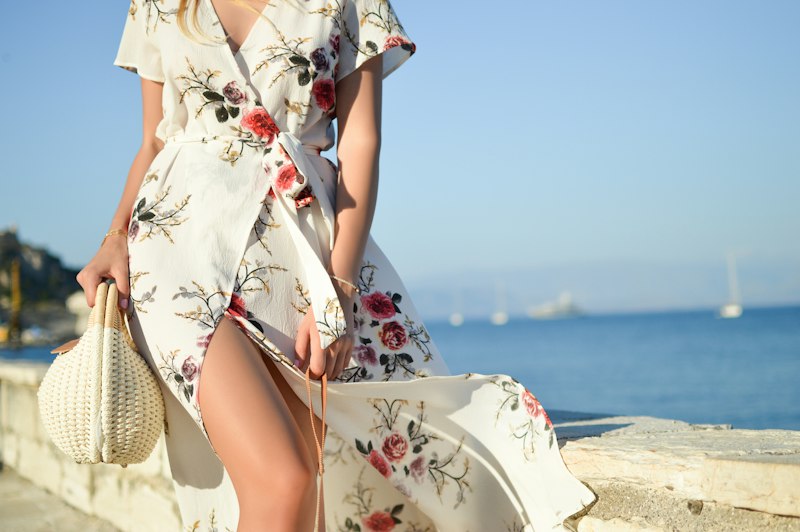
What Makes a Yellow Dress So Unforgettable
There is something undeniably magnetic about a dress in the color yellow. It catches the eye before you even process why. Yellow is the warmest hue on the visible spectrum, sitting between green and orange, and it hits the retina with more energy than any other color. Psychologists have documented this effect for decades — yellow triggers the release of serotonin in the brain, creating feelings of warmth, optimism, and joy. When you wear a yellow dress, you are not just making a sartorial choice; you are projecting an emotional state that other people instinctively respond to. The science behind color psychology is well established, and the research conducted by the Color Research Institute at the University of Sussex has consistently shown that yellow is the most visible color at a distance, which explains why a woman in a yellow dress becomes the focal point of any gathering without trying. That visibility is precisely what makes a yellow dress both intimidating and irresistible — it demands attention, but rewards that attention with pure, effortless charm.
The cultural history of yellow in fashion is equally compelling. During the Victorian era, yellow was associated with wealth and status because the natural dyes required to produce a true golden yellow were expensive and difficult to source. Saffron, weld, and turmeric were among the few botanical sources capable of producing a colorfast yellow, and garments dyed with these materials were reserved for the upper classes. Fast forward to the 20th century, and yellow underwent a democratization process that mirrored broader social changes. By the 1960s, synthetic dyes had made bright yellow accessible to every budget, and designers like Emilio Pucci began featuring bold yellow pieces in their collections as symbols of post-war optimism. Today, a yellow dress occupies a unique position in the fashion hierarchy — it is neither as safe as navy nor as dramatic as red. It sits in that sweet spot of confident elegance that tells the world you know who you are and you are comfortable being seen.
Choosing the Right Shade for Your Skin Tone
Not all yellows are created equal, and this is the single most important factor to consider before purchasing a yellow dress. The shade that looks radiant on someone else may wash you out entirely, and the difference often comes down to a matter of degrees on the color wheel. If you have warm undertones — meaning your veins appear greenish and gold jewelry flatters you more than silver — then lean toward mustard, marigold, and goldenrod. These deeper, richer yellows complement warm skin beautifully and create a harmonious visual effect that enhances your natural coloring. On the other hand, if your undertones are cool — bluish veins, silver jewelry looking better — then opt for lemon, buttercup, or pale primrose. These cooler, lighter yellows with hints of green or white will harmonize with your complexion rather than competing against it. Neutral undertones have the luxury of wearing virtually any yellow shade, though mid-tones like daffodil and sunshine tend to be the most universally flattering across the board.
The lighting environment matters just as much as the shade itself. Indoor lighting can dramatically alter how a yellow dress appears — fluorescent office lighting tends to flatten yellow tones and make them look harsher, while warm incandescent or natural daylight enhances the warmth and depth of the fabric. This is why many fashion stylists recommend trying on a yellow dress under multiple lighting conditions before making a final decision. Step outside into natural light, check the appearance under store fluorescents, and if possible, see how it looks in the kind of environment where you plan to wear it most. A yellow dress that glows under sunlight but looks sallow under office lights may still be worth purchasing, but you will want to be strategic about when and where you reach for it. Understanding this interplay between shade, skin tone, and lighting will save you from buyer’s remorse and ensure that every time you wear your yellow dress, it looks exactly as stunning as you hoped.
Styling Your Yellow Dress for Every Occasion
A yellow dress is remarkably versatile, and its styling potential extends far beyond what most people initially imagine. For daytime casual, pair a light yellow sundress with flat leather sandals, a woven tote bag, and minimal gold jewelry. The key here is restraint — let the dress do the talking. A yellow dress already makes a statement, so adding bold accessories can create visual competition rather than complement. For brunch dates or garden parties, a fitted yellow midi dress with block heels and a delicate pendant necklace strikes the perfect balance between polished and approachable. Add a wide-brimmed straw hat and you have a look that photographs beautifully and feels appropriate for virtually any daytime social event.
Evening occasions call for a different approach entirely. A structured yellow cocktail dress or an elegant yellow maxi dress paired with strappy heels and statement earrings transforms the color from cheerful to commanding. The trick is to incorporate darker or more saturated elements — a black clutch, nude or metallic shoes, perhaps a bold lip in coral or even a deep plum — to ground the brightness and add sophistication. Professional settings require yet another calibration. A mustard or ochre yellow sheath dress with a tailored blazer in navy or charcoal projects confidence without crossing into anything inappropriate for the workplace. The yellow becomes a subtle differentiator in a sea of neutral-toned colleagues, signaling creativity and warmth while maintaining professional credibility. This adaptability is what makes a yellow dress a genuinely useful garment rather than a novelty piece that sits unworn in your closet after one event.
Seasonal Considerations and Fabric Choices
The season dictates not only how you style your yellow dress but also which fabrics work best for the color. In spring and summer, lightweight materials like cotton, linen, and chiffon are ideal because they allow the yellow to breathe and move with you. Cotton poplin in a bright yellow creates a crisp, clean aesthetic that feels fresh and modern. Linen blends offer a slightly more relaxed texture with natural wrinkles that add character and prevent the look from feeling too polished or manufactured. Chiffon and silk chiffon give the yellow a luminous, almost translucent quality that catches light beautifully — particularly effective in outdoor settings where natural illumination enhances the fabric’s inherent glow. A yellow dress in chiffon worn on a warm summer evening has an almost cinematic quality that few other color-fabric combinations can replicate.
Autumn and winter do not require you to abandon yellow entirely. In fact, a well-chosen yellow dress in the colder months can be a powerful antidote to the seasonal tendency toward dark, muted wardrobes. Heavier fabrics like wool crepe, velvet, and structured jersey work exceptionally well with deeper yellow tones. A mustard yellow velvet dress for a holiday party or a dark goldenrod wool dress for autumn office wear projects warmth and confidence when everyone else is reaching for black and burgundy. The contrast effect is real — a bright or deep yellow dress against a backdrop of winter neutrals creates an immediate visual impact that is hard to ignore. Layering becomes essential in colder weather: add tights in a complementary shade, a long coat in camel or navy, and perhaps a silk scarf at the neckline to add texture without overwhelming the dress itself. With the right fabric and styling adjustments, a yellow dress is genuinely a year-round proposition.
The Psychology of Wearing Yellow in Public
There is a reason that wearing a yellow dress feels different from wearing any other color — and that feeling is not entirely in your head. Studies in environmental psychology and behavioral economics have repeatedly shown that color influences not only how others perceive us but also how we perceive ourselves. The phenomenon, known as enclothed cognition, was first documented in research published by the Psychological Science journal in 2012, and subsequent studies have confirmed that clothing color can measurably affect mood, confidence, and cognitive performance. When you put on a yellow dress, you are not just changing your outward appearance — you are engaging in a form of self-suggestion that can genuinely shift your emotional baseline toward optimism and openness.
This psychological effect has practical implications for how you navigate social situations. Wearing a yellow dress to a networking event, for instance, can make you more memorable and approachable. People are more likely to initiate conversations with someone who looks vibrant and inviting, and yellow accomplishes this without the aggressive edge that red can sometimes carry. In romantic contexts, a yellow dress signals warmth and emotional availability — qualities that many people find deeply attractive but cannot always articulate. The key is to be intentional about when you choose to wear yellow. If you are feeling low or withdrawn, a yellow dress can serve as a mood catalyst. If you are already feeling confident, it amplifies that energy and projects it outward. Either way, the color works in your favor, making the yellow dress not just a piece of clothing but a genuine tool for emotional and social navigation.
Common Mistakes to Avoid with a Yellow Dress
Despite its many virtues, a yellow dress can go wrong in specific ways that are worth understanding. The most frequent error is pairing it with clashing colors. Yellow and certain greens can create an unintended Easter-egg effect, while combining yellow with neon pink or electric blue produces a look that is more costume than chic. Stick with complementary and neutral pairings — navy, white, black, camel, and soft metallics all work beautifully. Another common pitfall is choosing a yellow shade that is too close to your skin tone, which can create a washed-out appearance. Always hold the fabric near your face before purchasing, and if possible, try it on with your usual makeup to see the full effect. Over-accessorizing is a third frequent mistake. Because yellow already commands attention, layering on chunky jewelry, busy patterns, or competing colors dilutes the dress’s natural impact rather than enhancing it.
Fabric quality is another area where people cut corners with yellow dresses, often with disappointing results. Cheap synthetic fabrics in bright yellow tend to look garish under direct light and can appear almost fluorescent in an unflattering way. Investing in a yellow dress made from quality natural fibers — cotton, silk, linen, or a well-constructed blend — makes a dramatic difference in how the color is perceived. The weave and weight of the fabric affect how light interacts with the yellow, and quality materials absorb and reflect light in ways that create depth and richness rather than a flat, artificial glow. Finally, be mindful of fit. A yellow dress that is too tight or too loose draws attention to the wrong things. The color already ensures you will be noticed — the fit should ensure that what people notice is your confidence and style, not the garment’s shortcomings.
Why Yellow Belongs in Every Wardrobe
Every woman’s closet has its safe choices — the black dress for emergencies, the navy blazer for meetings, the little white shirt for everything. But a wardrobe composed entirely of safe choices is a wardrobe that never surprises, never delights, and never fully expresses who you are. A yellow dress fills that gap. It is not a replacement for your wardrobe staples; it is the counterweight that gives them context and meaning. Without the occasional bold choice, even the most carefully curated collection of neutrals starts to feel like a uniform rather than a personal expression of style. The yellow dress is the piece that says you are not afraid to be seen, not afraid to stand out, and not afraid to feel good about the way you look.
Building a relationship with the color yellow in your wardrobe takes time, but it is worth the effort. Start with one well-chosen yellow dress in a shade and silhouette that works for your body and your lifestyle. Wear it, learn how it makes you feel, notice how people respond to it. From there, you may find yourself naturally gravitating toward other yellow pieces — a blouse, a scarf, perhaps even yellow shoes. The color has a way of growing on you, not because it follows trends but because it speaks to something fundamental about human psychology and social connection. In 2026, with fashion continuing to embrace individuality and personal expression over conformity, a yellow dress is not just a style choice — it is a declaration that you are ready to be exactly who you are, in full color.