

Why the Tiered Skirt Is the Most Effortlessly Romantic Wardpiece You’ll Ever Own in 2026
When it comes to wardrobe pieces that manage to look both effortlessly chic and quietly dramatic, nothing quite compares to a well-crafted tiered skirt. This multi-layered silhouette has been quietly dominating street style feeds, runway shows, and everyday wardrobes across the globe — and for good reason. The tiered skirt is one of those rare garments that somehow flatters every body type, transitions seamlessly from season to season, and pairs with everything from cropped tees to structured blazers. If you’ve been scrolling through fashion content lately and noticing the same flowing, cascading hemline popping up everywhere, that’s not a coincidence. The tiered skirt has arrived — and it’s here to stay.
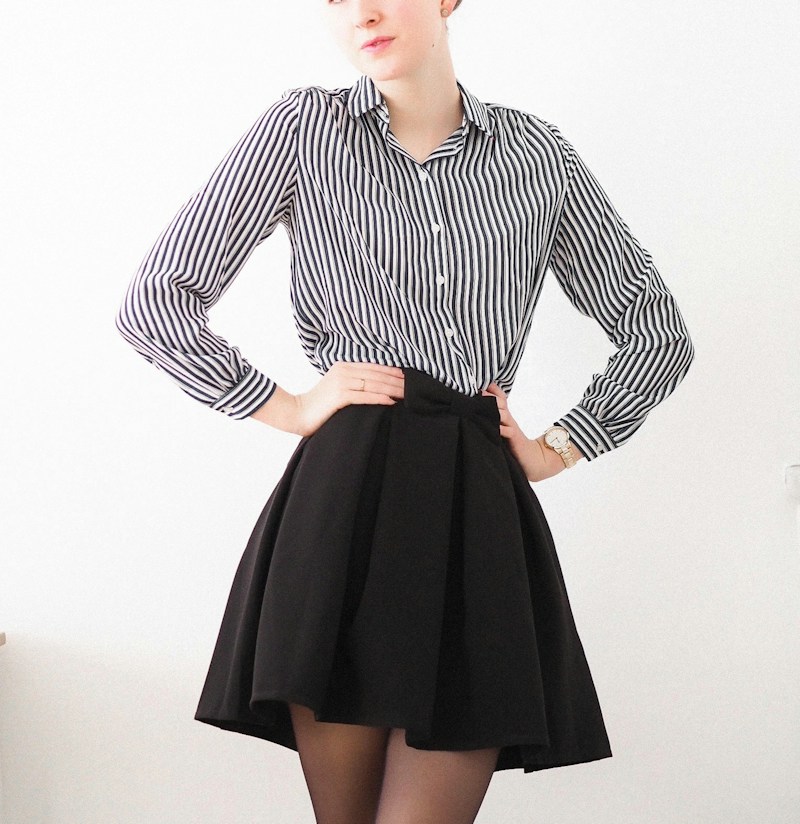
The History and Cultural Roots of Tiered Skirt Design
The tiered skirt is far from a modern invention. Its origins can be traced back to the layered folk skirts worn by women across Eastern Europe and the Balkans during the 18th and 19th centuries. These garments featured horizontal panels stitched together to create volume and movement — the same principle that defines tiered skirts today. In Mexico, the iconic Tehuana skirts worn by the indigenous women of the Isthmus of Tehuantepec featured multiple tiers of ruffled fabric that became a powerful symbol of feminine strength and cultural identity. Frida Kahlo herself frequently wore these tiered designs, cementing their place in art and fashion history. You can learn more about this cultural heritage on Wikipedia’s entry on Tehuanas.
Fast forward to the 1970s, when the bohemian movement resurrected the tiered silhouette as a symbol of freedom and rebellion against structured, constrictive fashion. Prairie dresses with cascading tiers became the uniform of music festivals and counterculture gatherings. Today, designers from Zimmermann to Sézane have reimagined the tiered skirt for the modern woman — keeping its romantic soul while refining the proportions, fabrics, and styling possibilities. What makes the tiered skirt particularly interesting from a fashion history perspective is its cyclical relevance: every few decades, it resurfaces in a slightly new form, proving that some silhouettes are truly timeless.
The V&A Museum’s collection of historical costume includes several examples of tiered garments from different eras and cultures, demonstrating how this construction technique transcends geographic and temporal boundaries. When you look at a tiered skirt, you’re not just looking at a trendy piece — you’re looking at a design language that women across the world have been speaking for centuries.
What Makes a Tiered Skirt Different From Other Skirt Styles
At its core, a tiered skirt is constructed from two or more horizontal bands of fabric stacked and sewn together, with each tier typically slightly wider than the one above it. This construction method creates a graduated, cascading effect that adds natural volume and movement without the need for petticoats or crinolines. Unlike A-line skirts that flare from a single seam, or circle skirts that achieve volume through radial cutting, tiered skirts build their shape incrementally — panel by panel — giving designers enormous control over the final silhouette.
The number of tiers is a key design variable. A two-tier skirt offers a subtle, almost minimalist interpretation — think of a midi with a single horizontal seam breaking up the line. Three-tier designs are the sweet spot for most occasions, offering enough visual interest without overwhelming the frame. Four or more tiers push into the bohemian and maxi territory, creating sweeping, dramatic hemlines that practically demand movement and sunlight. The beauty of this construction is that it works across fabrics: a cotton tiered skirt reads casual and summery, while the same silhouette in silk or satin transforms into evening-appropriate elegance.
Understanding the difference between tiered skirts and ruffle skirts is also worth noting. While both feature horizontal fabric elements, ruffle skirts attach decorative frills to a base garment, whereas tiered skirts are built entirely from the tiers themselves — each panel is structural, not merely ornamental. This distinction matters because it affects drape, weight, and how the garment moves with your body throughout the day. A well-constructed tiered skirt should feel like it’s floating around you, not weighing you down.
How to Choose the Right Tiered Skirt for Your Body Type
One of the greatest strengths of the tiered skirt is its universal flattery, but different tier configurations work better for different body types, and knowing what to look for can make the difference between a good purchase and a great one. For petite frames, the key is proportion control. A skirt with fewer, wider tiers — ideally two or three — will elongate the silhouette rather than chopping it into segments. High-waisted cuts are particularly effective here, as they raise the visual starting point of the skirt and create the illusion of longer legs. The ideal length for petite women falls just above the ankle or at mid-calf, avoiding the maxi length that can overwhelm a smaller frame.
For curvier body types, a tiered skirt with a defined waistband and gradual volume increase is ideal. The tiers should start below the hip line rather than at the natural waist, which prevents adding unnecessary bulk to the hip area. A-line tiered skirts — where the tiers widen progressively — create a balanced, hourglass-enhancing silhouette. For pear-shaped bodies, the volume of a tiered skirt can actually work to your advantage by creating proportion with the upper body. Pair it with a fitted top or a tucked-in blouse, and the result is a perfectly balanced look that draws the eye to your smallest point — the waist.
Tall women can go bold with multi-tier maxi designs that would overwhelm shorter frames. Four or more tiers create a dramatic, flowing effect that looks particularly stunning in motion. For athletic or rectangular body types, the natural volume of a tiered skirt adds curves where they may be desired, creating the illusion of an hourglass shape. The key is to define the waist — either through the skirt’s own construction or with a belt — to prevent the look from becoming shapeless.
Styling a Tiered Skirt: From Casual to Formal
The versatility of the tiered skirt is genuinely remarkable, and the styling possibilities are limited only by your imagination. For a casual daytime look, pair a cotton or linen tiered skirt with a simple fitted t-shirt or tank top. The contrast between the relaxed, flowing bottom and the streamlined top creates a balanced silhouette that looks intentional without being try-hard. Slide into leather sandals or white sneakers, add a crossbody bag, and you’ve got an outfit that works for farmers markets, brunch, or casual office environments with a relaxed dress code.
When the occasion calls for something dressier, the tiered skirt transforms beautifully. A satin or chiffon tiered skirt paired with a structured blazer and heeled sandals creates a look that’s equally appropriate for a gallery opening, a dinner date, or a semi-formal event. The trick here is in the fabric choice — luxe materials elevate the casual silhouette instantly. A silk tiered skirt in a deep jewel tone like emerald, burgundy, or navy, worn with a fitted turtleneck and pointed-toe pumps, is the kind of outfit that earns compliments without feeling over-styled.
For the transitional seasons — spring and fall — layering becomes your best friend. A tiered midi skirt works beautifully with chunky knit sweaters, ankle boots, and a long coat. The contrast between the heavy, textured top half and the light, flowing bottom creates a visually interesting juxtaposition that fashion editors love. In winter, pair your tiered skirt with tights, knee-high boots, and a wool coat for a look that’s both warm and undeniably stylish. The tiered silhouette actually looks particularly good under longer coats, where the movement of the hem peeks out with every step.

The Best Fabrics for Tiered Skirts and When to Wear Them
Fabric choice is arguably the single most important decision when selecting a tiered skirt, because the material determines everything from drape to seasonality to formality. Cotton and linen are the go-to fabrics for warm-weather tiered skirts. They’re breathable, easy to care for, and have just enough weight to hang beautifully without adding bulk. A cotton tiered skirt in a floral print or gingham check is practically a summer uniform — wear it to beach towns, garden parties, or weekend getaways.
Silk and satin tiered skirts occupy the elevated end of the spectrum. These fabrics catch light beautifully and create a liquid, flowing effect that’s hard to replicate with other materials. They’re ideal for evening occasions, date nights, or any situation where you want to look polished without sacrificing comfort. The downside is that silk requires more careful maintenance — dry cleaning is usually recommended, and wrinkling can be an issue. But for special occasions, the investment in a silk tiered skirt pays dividends in versatility and visual impact.
Chiffon and georgette offer a lighter, more ethereal alternative. These fabrics are semi-sheer, incredibly lightweight, and move beautifully in the breeze. A chiffon tiered skirt layered over a slip or shorts is a go-to look for resort wear and vacation wardrobes. Viscose and rayon blends strike a nice middle ground — they drape well, resist wrinkles better than silk, and are more affordable while still looking polished. For cooler months, consider wool-blend or velvet tiered skirts, which add warmth and texture while maintaining the signature tiered silhouette.
Where the Tiered Skirt Trend Is Heading in 2026
The tiered skirt trend in 2026 shows no signs of slowing down, but the specific iterations gaining traction are evolving. Designers are experimenting with asymmetrical tiering — where the tiers are cut at angles rather than horizontally — creating a more dynamic, modern interpretation of the classic silhouette. Mixed-media tiered skirts that combine different fabrics within the same garment are emerging as statement pieces for fashion-forward wardrobes. Color-blocking within tiers is another trend worth watching: each tier in a different shade of the same color family creates a gradient effect that’s subtle but striking.
Sustainability is also reshaping the tiered skirt market. As consumers become more conscious about the environmental impact of their wardrobes, brands are responding with organic cotton tiers, recycled polyester linings, and natural dye processes. The tiered skirt’s construction — which historically relied on using up fabric scraps in a creative way — aligns naturally with zero-waste design philosophies. Some independent designers are even creating made-to-order tiered skirts that are cut from deadstock fabrics, combining the romantic aesthetic of the tiered silhouette with the environmental responsibility that modern shoppers demand.
According to recent trend analysis published by Vogue Business on sustainable fashion practices, the demand for thoughtfully constructed, long-lasting garments like the tiered skirt is only going to grow. Consumers are moving away from disposable fast fashion toward pieces that combine beauty with purpose — and the tiered skirt fits that bill perfectly. You can read more about this movement on Vogue Business.
Investment-Worthy Tiered Skirts: What to Look For
When building a wardrobe that lasts, investing in a quality tiered skirt makes financial and stylistic sense. Look for construction details that indicate quality: flat-felled or French seams at the tier junctions, a properly finished waistband with interfacing for structure, and hem widths that are proportional to the overall design. A well-made tiered skirt should hang evenly when standing still and move fluidly without twisting or bunching when walking.
Price doesn’t always correlate with quality, but extremely low prices often signal shortcuts in construction. Fast-fashion tiered skirts often use thin fabrics that lack the weight needed for proper drape, and the tier seams may be unfinished or serged rather than properly seamed. A mid-range investment — typically between $60 and $150 from a reputable brand — will usually yield a skirt that looks significantly better and lasts for years rather than a single season. When shopping online, pay close attention to product photos that show the interior seams and the waistband construction, as these are the areas where quality differences are most apparent.
Color selection is another factor in long-term value. Neutral tones — cream, navy, black, olive — offer maximum versatility and can be worn across multiple seasons and occasions. If you’re drawn to a bold print or vibrant color, consider whether it complements your existing wardrobe before committing. A well-chosen tiered skirt in a versatile color can replace three or more single-season purchases, making it one of the highest-return items you can add to your closet.
Final Thoughts: Why the Tiered Skirt Deserves a Permanent Place in Your Wardrobe
The tiered skirt occupies a rare position in fashion — it’s simultaneously romantic and practical, dramatic and understated, vintage and modern. It’s the kind of piece that makes getting dressed feel less like a chore and more like an act of self-expression. Whether you’re reaching for a breezy cotton version on a warm morning or slipping into a silk iteration for an evening out, the tiered skirt adapts to your life rather than demanding that you adapt to it.
In an era where fashion is increasingly about individuality and personal style rather than following rigid trends, the tiered skirt offers a canvas for creative expression. Style it casually, dress it up, layer it, belt it, pair it with sneakers or heels — the possibilities are genuinely endless. And with so many iterations available across price points, fabrics, and colors, there’s a tiered skirt for every woman, every budget, and every occasion. If there’s one piece worth adding to your wardrobe this season, this is it.