

There is a specific kind of autumn morning when nothing in the wardrobe seems willing to cooperate. The summer dresses feel too thin, the heavy wool feels like a promise you cannot keep yet, and the light outside is grey enough to make every loud colour look slightly wrong. This is the exact moment a skirt earns its place, and more precisely the moment a pleated midi skirt stops being a nice-to-have and becomes the thing you reach for without thinking. You pull it on, add a knit, pull on boots, and the whole argument about what to wear is over in less than a minute. The pleated midi skirt does not shout about being clever, but it quietly solves the two problems that ruin autumn dressing — changeable weather and changeable light — at the same time, which is more than most single garments ever manage.
What follows is not a trend report and it is not a shopping list. It is a practical look at why one folded, knee-to-ankle hemline collects more wear than almost anything else in a working wardrobe, how the folds are actually engineered, why the midi length flatters so many people, how to choose the version that suits you, how to style it from the first cool week of September through to the depths of winter, what the search and sales data really shows about its staying power, and how to look after it so the pleats stay crisp for years. By the end you should be able to buy and wear a pleated midi skirt with the confidence that comes from understanding exactly what it is doing for you, rather than simply hoping it works.
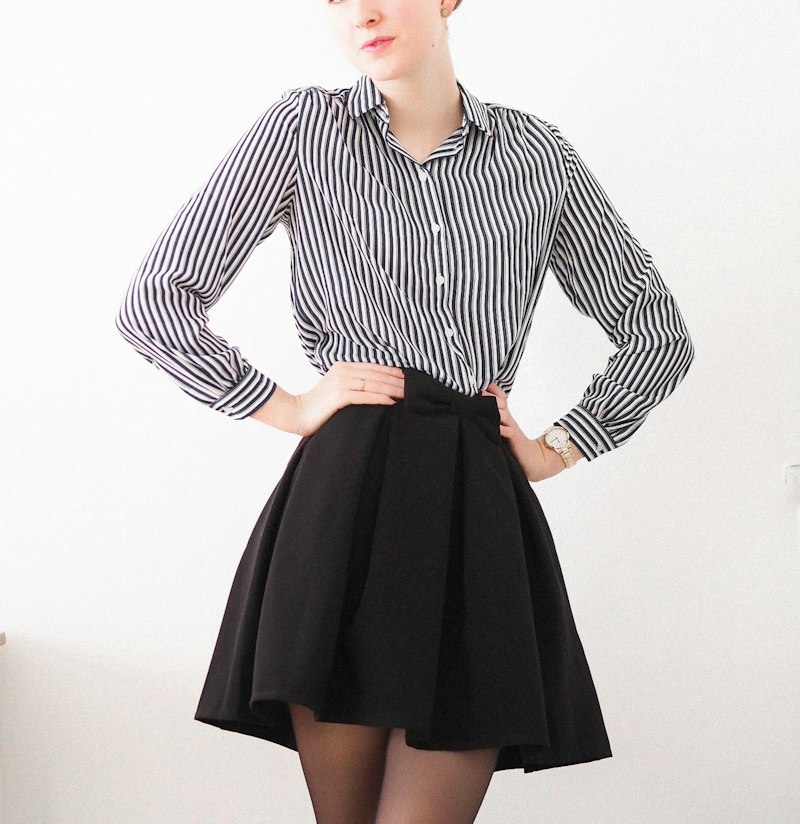
Why the Pleated Midi Skirt Beats Every Other Autumn Hemline
The first reason is range, and range is the single most valuable quality a garment can have in a transitional season. A pleated midi skirt can be worn with bare legs and flat sandals in early September when the afternoons are still warm, then with tights and ankle boots in October, then layered over a fine knit with a heavy coat and a scarf by December. Few other pieces span that much weather without looking out of place at either end. Mini skirts surrender too early to the cold and read as summer the moment the leaves turn; floor-length skirts can feel heavy before the temperature justifies them; tailored trousers, for all their practicality, rarely deliver the same movement or the same easy elegance. The pleated midi skirt sits exactly in the middle of the season and the middle of the wardrobe, which is why it ends up being the item you wear on the days you did not plan ahead.
The second reason is forgiveness. Pleats are one of the few structural details in clothing that actively work in your favour. Because the folds move with the body rather than pulling across it, they disguise the exact places people worry about most — the line of the thigh, the width of the hip, the softness of the stomach — while still giving the silhouette shape. A straight-fitting midi skirt can be unforgiving; a pleated midi skirt flatters almost by default, because the eye reads the vertical lines of the folds rather than the outline of the body beneath them. Vertical lines have long been used by designers precisely because they make a figure look taller and cleaner, and pleats are simply vertical lines that move.
The third reason is tone. Pleats add texture without adding pattern, which means a pleated midi skirt can carry the visual interest of the outfit while still functioning as a neutral base. You can wear the same pleated midi skirt under a plain cream knit, a dark blazer or an oversized sweater, and because the texture does the work, the outfit never looks flat or lazy. That combination — texture in the skirt, simplicity everywhere else — is one of the most reliable formulas in modern dressing, and it is the reason the pleated midi skirt keeps reappearing in capsule wardrobes and in the seasonal edits published by every serious fashion title.
How Pleats Actually Work: The Quiet Engineering of an Unbroken Line
To understand why a pleated midi skirt behaves so well, it helps to understand what a pleat physically is. As the reference material on pleats and their construction sets out, a pleat is a fold in fabric that is secured so the material is gathered into a smaller width than it would otherwise occupy, releasing into volume when the garment moves. That single principle is responsible for everything pleats do. The fabric is wider than the skirt’s finished width, and the excess is trapped in the folds; when you walk, sit or turn, the folds open and the skirt breathes. The result is a garment that looks neat and controlled when you are still and becomes generous and fluid when you are not, which is exactly the behaviour you want in the changeable weeks of autumn.
There is a vocabulary behind pleats, and knowing it makes choosing far easier. Knife pleats are sharp, uniform folds all pressed in the same direction, giving a crisp, formal, almost architectural look that is ideal for structured outfits and office dressing. Box pleats fold outward in alternating directions to form flat panels, producing a more tailored, vintage-leaning silhouette with real weight. Accordion pleats are narrow and tightly spaced, creating a fine, almost metallic texture that reads as elegant and moves dramatically. Sunray or sunburst pleats widen as they fall from the waist, giving the fullest, most theatrical swing. And an inverted pleat is a single deep fold worked into the centre or sides of an otherwise plain skirt, offering just enough structure without the full pleated effect. Each of these changes the character of the garment without changing its basic usefulness.
The engineering matters because it explains durability. A pleat is not simply a fold; it is a fold that has been set through heat, moisture and pressure so the fibre learns to remember its new shape. This is why well-made pleats survive wear and movement instead of collapsing into flat cloth, and it is also why pleats are vulnerable to careless laundering — the very heat-and-moisture process that set them can be undone by the wrong cycle or an iron run across the grain. When you understand that the fold is a trained shape rather than a permanent one, the care advice later in this piece stops feeling like fussiness and starts feeling like common sense: a pleated midi skirt is a piece of small craftsmanship, and it rewards being treated as one.
Why Midi Length Is the Hardest-Working Hemline in a Wardrobe
Length is the quiet variable that decides whether a skirt becomes a favourite, and the midi — falling roughly between the knee and the lower calf — is the length that works hardest across a real year. The most common definition of the midi skirt places its hemline in that middle zone, and the reason it has endured is simple: it is long enough to feel grown-up, warm and appropriate in almost any setting, and short enough to stay light and easy on the body. It covers the knees, which makes it wearable for work and for anything smart, while sitting above the ankle so it never drags or catches underfoot. Nothing about it is extreme, and that is precisely its strength — it asks for no special occasion and offers no reason to be put away.
The midi length also gives you a level of control that shorter and longer hemlines cannot. Because it ends in the mid-calf zone, it leaves room for the two styling moves that make a winter outfit work: layering tights underneath, and switching boots into shoes as the weather shifts. You can wear a pleated midi skirt with a slim ankle boot so the hem falls cleanly over the shaft, with a knee-high boot that disappears entirely beneath it, or with a heel that lifts the line for an evening look. That flexibility is why the pleated midi skirt is so often described as the piece that solves the awkward half-season, when it is too cool for bare legs and too warm for full winter dressing.
Finally, the midi length is the most democratic hemline in fashion, because it flatters a genuinely wide range of heights and shapes with only minor adjustment. Petite frames simply want the hem a touch above the mid-calf and a higher waist to keep the proportions long, while taller frames can carry a fuller, lower-slung pleat and a longer hem without losing their balance. The pleated midi skirt is forgiving in the same way a well-chosen coat is forgiving: it provides coverage and structure in equal measure, so it never feels like a garment that is fighting the body. That neutrality is the reason it survives every seasonal reset and every change of trend-cycle, and it is why a single good pleated midi skirt often outperforms three trendier skirts that only suit one kind of day.
Choosing a Pleated Midi Skirt: Pleat Type, Fabric, and Fit
The first choice is the pleat itself, and it should follow the way you actually want to look. If you want sharp and professional, choose sharp knife pleats in a fabric with a little body, which hold their edge and read as deliberate and tailored. If you want soft and romantic, choose fine accordion or sunray pleats in a fluid fabric, which move and catch the light and give the skirt a lighter, more feminine character. If you want something between the two, box pleats or an inverted pleat deliver structure with a vintage tone. The pleat is not a small detail; it decides whether the pleated midi skirt reads as office wear, weekend wear or evening wear, so choose it before you choose the colour.
The second choice is fabric, and it matters even more than usual because pleats need material that can hold a trained fold. A heavier crepe, a wool blend, a firm satin or a mid-weight polyester will all hold pleats well and give the skirt enough drape to swing cleanly. Very thin, very soft cottons and limp jerseys tend to hold pleats poorly and can look shapeless after a few washes. Shiny fabrics, by contrast, make pleats look more formal because the folds catch light on every edge, which is why pleated satin is a classic evening choice and pleated wool a classic day choice. If you want a single pleated midi skirt to work across autumn and winter, a matte mid-weight fabric is the safest investment, because it holds its folds, hides minor creasing and behaves in almost any light.
The third choice is fit, and here the goal is a waist that sits exactly where you want it and a length you have tested both standing and sitting. Because pleats add volume as they fall, a pleated midi skirt should be fitted and clean through the waistband, so the volume begins at the waist rather than the hips. Look for a waistband that does not gape when you move, a zip or elastic you cannot see through the fabric, and a hem that finishes where you intended once you are wearing the shoes you plan to wear. Try the skirt on with the boots or heels you will pair it with, because the pleated midi skirt is one of the few garments whose final look is decided by what is on your feet as much as by the skirt itself.
Styling a Pleated Midi Skirt From September to Deep Winter
In the early weeks, when the days are still warm, treat the pleated midi skirt as the light, moving half of a simple outfit. A plain white or cream T-shirt tucked in, flat leather sandals or clean sneakers, and a woven bag give you a relaxed look that still reads as put-together, because the pleats carry all the texture the outfit needs. If the mornings are cool, add a light cardigan or an unbuttoned shirt over the top and roll the sleeves; the skirt keeps the line and the layered top keeps you warm. Keep colours quiet here — two or three soft tones together look far more expensive than a bright accent dropped against a pleated skirt, which tends to make the pleats look busy rather than elegant.
As autumn settles in, build the outfit around contrast in weight rather than contrast in colour. A chunky knit, a fitted blazer or an oversized sweater worn with the pleated midi skirt uses the difference between a soft, heavy top and a light, moving skirt to make the whole silhouette feel intentional. Add tights when the mornings bite and switch to ankle boots, letting the hem fall cleanly over the shaft. This is also the moment a Hepburn-style pleated skirt comes into its own, because its structured A-line pleating holds a crisp line under a heavier top and under a coat, keeping the outfit sharp as the layers get thicker. For a smarter version, pair the skirt with a slim fine-knit roll-neck, a tailored coat and simple leather boots; the pleated midi skirt becomes the quiet panel of texture in an otherwise clean, dark look.
For the deepest part of winter, the trick is layering under and over without losing the pleats. Wear thermal tights or fine leggings beneath, add a slim knit tucked in, then a long wool coat or a padded jacket that stops short of crushing the pleats at the back. Choose boots you are happy to see a lot of, because in cold weather the boots and the hem together define the outfit. The pleated midi skirt is one of very few pieces that can look dressy with a heel and practical with a boot in the same season, so treat it as two garments in one: your daytime version, and your evening version with a silkier top and a slimmer shoe. Either way, the vertical folds keep the line long and the look deliberate, which is what carries an outfit through a grey week.
What the Search and Sales Data Actually Says About Pleated Skirts
It is tempting to treat the pleated skirt as a personal preference, but the demand behind it is unusually well documented, and the data supports what the wardrobe already knows. Fashion search platforms that track millions of queries, and market researchers such as Statista, have repeatedly shown that skirts and knee-to-calf lengths outperform other women’s categories in online and cross-border clothing retail, with search interest steadily concentrated on versatile, trans-seasonal pieces rather than one-season novelties. In plain terms, the pleated midi skirt is not a flash trend that a single season invented; it is a shape that keeps being searched for, and kept in stock, because people replace it as it wears out rather than tires of it.
The reason the data behaves this way is behavioural rather than aesthetic. Shoppers who buy a garment they can wear for multiple occasions return to that category, and shoppers who buy a garment they can only wear once do not. Because the pleated midi skirt works for work, weekends, dinners and travel, and because it can be worn across three seasons with nothing more than a change of shoes and knitwear, it generates repeat demand in a way a summer-only or occasion-only piece never can. Marketing analysts describe this as a piece with a long wear cycle, and a long wear cycle is exactly what turns a skirt from a purchase into a habit — the point at which the item stops competing with other pieces and starts replacing them.
There is also a cultural layer the numbers quietly reflect. The midi length and the pleated skirt both carry long histories — pleats appear again and again across centuries of dress because they are the most efficient way to add volume and movement without weight — and shoppers gravitate to pieces that feel both contemporary and rooted. That combination of new and familiar is why the pleated midi skirt stays in every serious fashion edit while the more extreme shapes come and go, and why the people who track this category consistently describe it as a wardrobe base rather than a seasonal accent. The data does not tell you what to wear, but on this particular question it is very clear about which shape keeps earning its place.
Caring for a Pleated Midi Skirt So the Pleats Stay Sharp
A pleated midi skirt is one of the few garments that ages visibly well if you look after it and visibly badly if you do not, so the care routine deserves real attention. The first rule is to wash it as little as possible and as gently as possible. Pleats are set with heat and moisture, and both of those things will relax them over time, so every wash is an opportunity to undo a little of the shape you paid for. Spot-clean where you can, air the skirt between wears, and only wash it when it genuinely needs it — a pleated midi skirt in a dark colour can go several wears between washes without anyone noticing, which means the pleats stay crisp for longer.
When you do wash it, choose cold water, a gentle cycle and a mesh bag if you have one, and never use hot water or a hot dryer, both of which are the fastest way to flatten pleats for good. Avoid fabric softener, which coats the fibre and can make pleats droop, and never wring or twist the skirt, since that presses new creases into the very folds you are protecting. Hang or lay the skirt flat to dry, checking the pleats while it is damp and gently re-folding any that have shifted, then let it dry fully before storing. If the pleats have softened with wear, a light steaming — never a heavy iron pressed flat across the fabric — will loosen and reset them without risk of melting fibre or shining the surface.
Storing is the last and most overlooked step. Hang a pleated midi skirt from the waistband by its clips or its waist, not slung over a hanger bar, and give it enough space that the pleats are not crushed by neighbouring clothes; if the fabric is fine or heavy, folding it along the existing pleats and laying it flat is often better still. Keep it away from prolonged direct sunlight, which fades colour, and away from rough edges that can catch and pull a fold out of line. Treat it as you would any small piece of craftsmanship and it will reward you for years, because the pleated midi skirt is not really a seasonal purchase. It is a base piece, and base pieces are the ones a wardrobe is genuinely built on — the reason you will reach for this one long after the trend pieces have been cleared out, and the reason it deserves to be bought, and kept, well.