

How to Style a Retrofete Dress for Effortless Vintage Glamour
In a world where fashion cycles with increasing velocity, the allure of vintage glamour remains a constant, a sartorial anchor to eras defined by meticulous craftsmanship and unabashed femininity. Achieving this aesthetic, however, need not involve scouring vintage archives; it can be found in the contemporary magic of a retrofete dress. This is not about costume or mere replication. It is about harnessing the spirit of decades past—the drape of the 30s, the silhouette of the 50s, the sparkle of the 70s—and wearing it with the ease and confidence of today. The retrofete dress serves as the perfect vessel for this translation, offering designs that are inherently nostalgic yet resolutely modern. The journey to effortless vintage glamour is one of intentional styling, where every accessory, fabric choice, and attitude coalesces around the central piece. Let’s move beyond understanding and into the art of becoming.
The Retrofete Philosophy: Where Archival Inspiration Meets Modern Sensibility
To style a retrofete dress authentically, one must first appreciate the brand’s foundational ethos. Retrofete, a name blending “retro” and “fête” (French for celebration), is built on the principle of “nostalgia reimagined.” It does not simply copy vintage patterns; it deconstructs the emotional and visual codes of bygone glamour and reconstructs them for the contemporary woman. This philosophy finds resonance in broader design theory. As design critic Alice Rawsthorn notes in her book “Hello World: Where Design Meets Life,” the most successful nostalgic designs are those that engage in a “critical dialogue with the past,” rather than passive homage. Retrofete operates within this dialogue. A dress may feature the precise beadwork reminiscent of a 1920s flapper gown, but its cut is minimalist, its length perhaps more versatile. This duality is key. When you select a retrofete dress, you are not choosing a period piece; you are choosing a lens through which vintage elegance is filtered and refined for present-day narratives. The glamour is inherent in the design—through luxe fabrics like silk chiffon, intricate sequin embroidery, and bias-cut silhouettes that celebrate the female form—freeing you to focus on personalization.
Silhouette as Your Starting Point: Defining Your Vintage Era
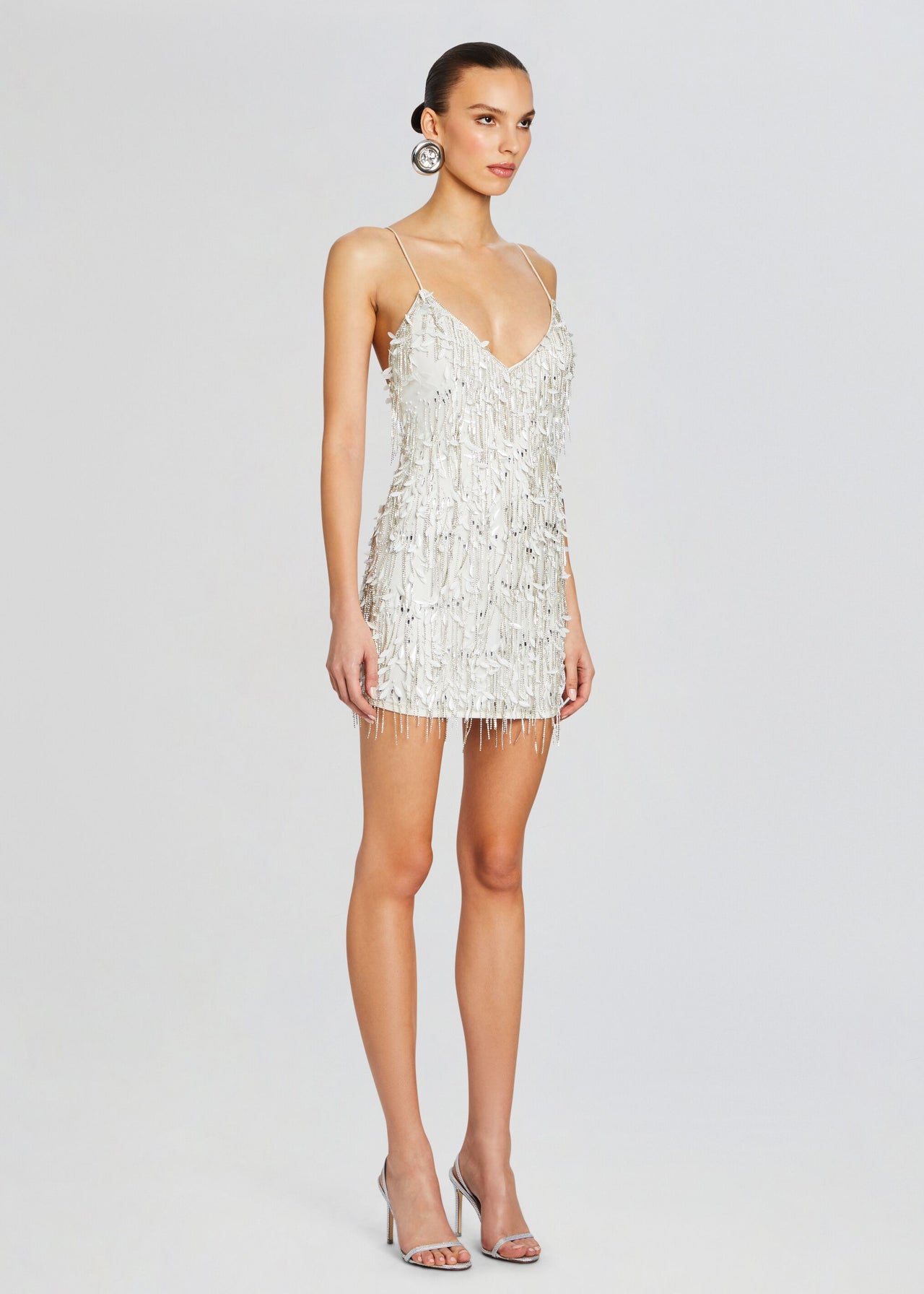
The most powerful element of a retrofete dress is its silhouette, which immediately cues a specific vintage vibe. Identifying this is the first step in coherent styling. Is it a slip dress, with its delicate straps and fluid column shape, echoing the minimalist sensuality of the 1990s (which itself was a revival of 1930s lingerie styling)? This silhouette demands a specific approach—perhaps a structured blazer for contrast, or layered fine gold necklaces to accentuate the neckline without overpowering its simplicity. Conversely, a dress with a full, tulle skirt and a fitted bodice directly channels the iconic New Look silhouette pioneered by Christian Dior in 1947. As described in the Victoria and Albert Museum’s fashion archives, Dior’s post-war design emphasized a “cinched waist and a voluminous skirt,” creating an hourglass figure that symbolized opulence and renewal. Styling such a dress is about honoring that architecture. A foundational garment like a well-designed waist cincher or corset (prioritizing comfort, not restriction) can enhance the intended shape. The choice of shoe further defines the era: a pointed-toe stiletto for a 1950s precision, or a delicate silk pump for a more romantic, early-60s Jacqueline Kennedy feel. The silhouette whispers a decade; your styling choices should answer in a clear, complementary voice.
The Alchemy of Accessories: Curating, Not Crowding
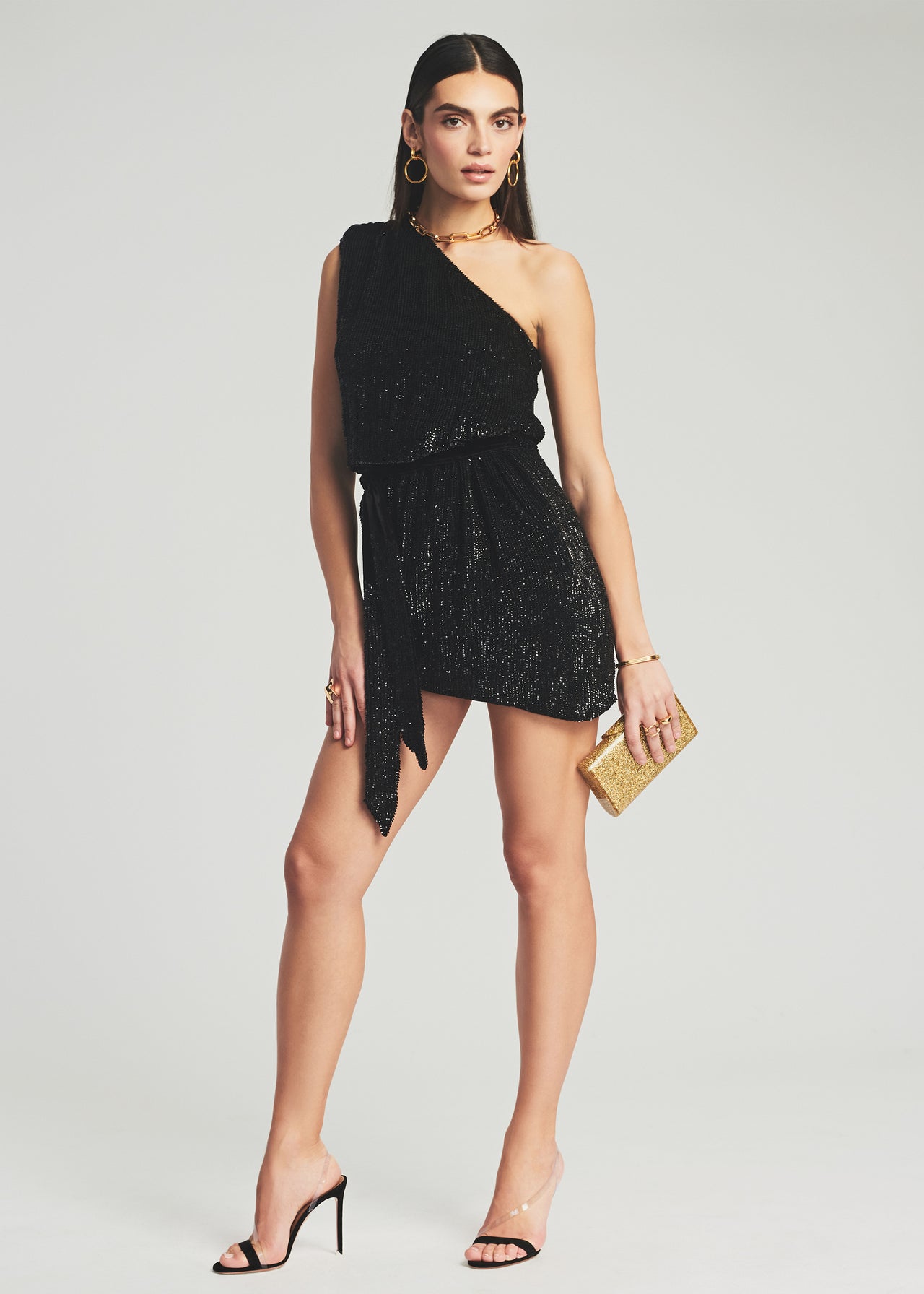
Accessories are the punctuation marks of an outfit, and with a statement piece like a retrofete dress, they must be chosen with grammatical precision. The golden rule is curation over accumulation. A dress already rich in detail—be it sequins, lace, or a bold print—requires a minimalist accessory strategy. Here, the viewpoint of stylist and editor Kate Young, frequently shared in interviews with Vogue, is instructive. She advocates for the “one statement accessory” rule when the dress is loud, allowing the garment to shine. This could mean a single, exquisite piece of vintage jewelry, like a cameo brooch or a cocktail ring from the Art Deco period, which carries its own historical weight and creates a layered narrative. For a simpler dress, accessories provide the vintage character. Consider gloves: opera-length leather gloves instantly evoke 1960s chic, as seen on icons like Audrey Hepburn in “Breakfast at Tiffany’s,” while short, lace-trimmed gloves suggest a 1950s sweetness. Handbags are equally era-defining. A structured box clutch in patent leather or embellished fabric is a hallmark of mid-century elegance, a fact well-documented in fashion historian Judith Clark’s analyses of accessory evolution. The goal is a symbiotic relationship where accessories and dress converse, not compete, crafting a cohesive story of vintage glamour that feels personally authored and effortlessly worn.
Footwear and Foundations: The Unseen Architecture of Glamour
True effortlessness is built on a foundation of intentional choices, many of which remain unseen. The right footwear and undergarments are the architectural supports for your vintage look. Footwear extends the silhouette’s language. A sleek, sandal-heel with a delicate ankle strap complements the grace of a bias-cut 1930s-style gown, a connection famously illustrated by the footwear of screen goddess Jean Harlow. Conversely, a chunky, platform Mary Jane might be the perfect, slightly subversive contrast to a prim 1940s shirtwaist dress, injecting a modern, playful edge—a styling trick often employed by contemporary fashion icons like Dita Von Teese, who stated in a YouTube interview, “It’s about finding the balance between authentic vintage inspiration and what makes you feel powerful now.” Beneath it all, foundational garments are non-negotiable for achieving that polished, period-appropriate silhouette. A seamless, well-fitted slip can prevent clinging and ensure the fabric of your retrofete dress drapes as intended. For styles that demand a smooth, cinched waist, modern shapewear offers solutions far more comfortable than their historical counterparts. This attention to the unseen is what transforms a costume into a lived-in, believable persona. It provides the physical comfort and confidence that allows the glamour to appear effortless, as if it simply emanates from you, rather than being painfully constructed.

Beauty and Hair: The Finishing Historical Notes
Your beauty look is the frame for the masterpiece that is your styled dress. Coherence here is what seals the vintage transformation. A bold, red lip—precisely defined—is arguably the most iconic beauty signature of the 20th century, from the Hollywood starlets of the 1940s to the sophisticated elegance of the 1950s. It pairs impeccably with the bold glamour of many Retrofete designs. This isn’t merely anecdotal; cosmetic historians like Gabriela Hernandez, founder of Bésame Cosmetics, have written extensively on how specific red lipstick formulas and shades were developed for and popularized by different eras. Hairstyle offers another powerful temporal anchor. Soft, victory rolls or pin curls immediately reference the 1940s, while a sleek, low chignon or bouffant volume speaks to the 1960s. These styles don’t need to be period-perfect; a modern, “undone” version of a chignon maintains the vintage allusion while feeling contemporary. The key is to view makeup and hair as extensions of the dress’s narrative. A sequined, disco-era dress might call for shimmering eyelids and tousled, voluminous hair, channeling the energy of Studio 54 as captured in books like “The 70s: Photographs by Arthur Elgort.” This holistic approach ensures every element, from the hem of your dress to the curve of your eyeliner, works in concert to create a fully realized vision of vintage glamour that is stunningly authentic yet uniquely yours.

From Occasion to Everyday: Integrating Vintage Glamour into Your Modern Wardrobe
The final, and perhaps most crucial, step is liberating the retrofete dress from the sole domain of special occasions. Effortless glamour is most potent when it feels like a natural part of your identity, not a disguise for a gala. This is where styling intelligence truly shines. A dazzling sequined mini can be tempered with a simple, oversized denim jacket and white sneakers for a striking daytime contrast, a style frequently showcased by street-style stars outside fashion weeks. A sleek satin midi dress can be transformed into sophisticated office wear when layered under a sharp, tailored blazer, with the jacket’s severity playing against the dress’s fluidity. This practice of “elevated juxtaposition” is a cornerstone of modern personal style, as discussed on platforms like Quora and in the essays of style thinkers such as Vanessa Friedman of The New York Times. It democratizes glamour. Furthermore, investing in a Retrofete piece is an investment in versatility and longevity. The brand’s commitment to quality fabrics and construction, often highlighted in reviews on sites like The Luxe Lend, means these dresses are designed to transcend fleeting trends. By learning to style one dress multiple ways—from a wedding guest outfit to a dinner date look to a bold brunch ensemble—you extract maximum value and integrate vintage glamour into the very fabric of your daily life, making it a sustainable and personal expression rather than a rare spectacle.

Vintage glamour, therefore, is not a relic to be observed but a spirit to be embodied. It lives in the choice to wear a dress that tells a story, to pair it with intention, and to carry it with the innate confidence that comes from cohesive, thoughtful styling. The retrofete dress is more than a garment; it is an invitation to this ongoing dialogue between past and present. By starting with its inherent narrative, building upon it with precise accessories and beauty choices, and finally, weaving it into the tapestry of your everyday life, you achieve a glamour that is both profound and seemingly effortless. It ceases to be a “look” you put on and becomes a facet of how you move through the world—a little sparkle, a lot of grace, entirely your own.