

Mastering the Versatility of Shift Dresses
In the lexicon of fashion, few garments promise and deliver liberation quite like the shift dress. It is not merely a piece of clothing; it is a sartorial proposition of ease, a canvas for personal expression, and a testament to intelligent design that transcends decades. This exploration is not about following a trend but about unlocking a foundational principle of modern dressing. The shift dress offers a unique alchemy of structure and simplicity, a silhouette that demands nothing yet accommodates everything—your mood, your schedule, your body, your era. To master its versatility is to arm yourself with a tool of unparalleled efficiency and style, moving beyond basic understanding to a fluent, personal application.
The Architectural Foundation: Defining the Silhouette
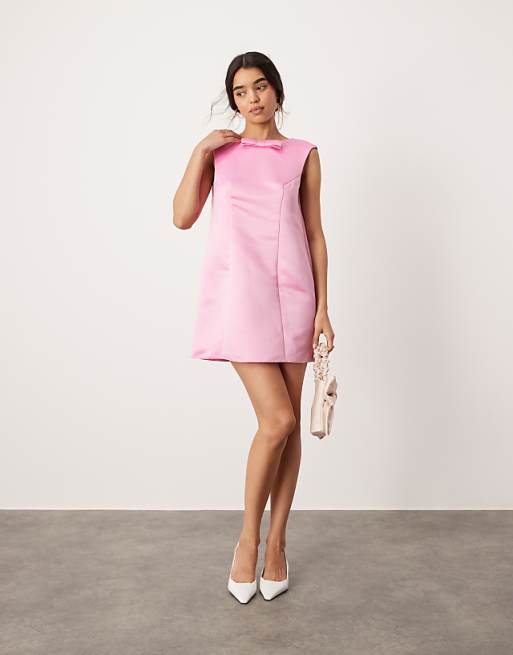
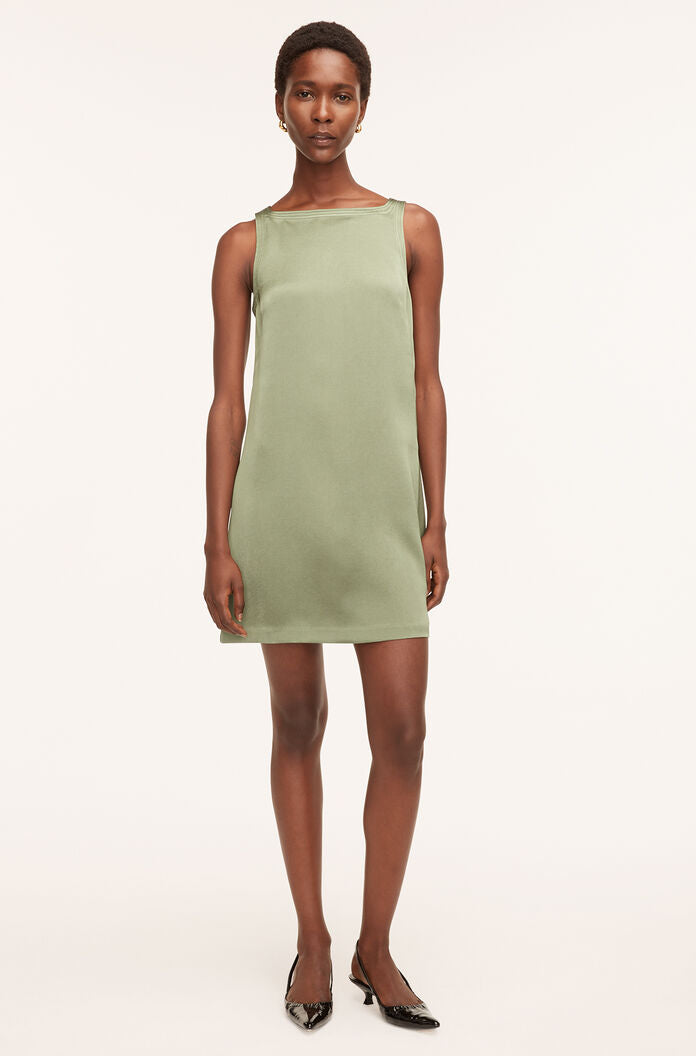
To appreciate the versatility of the shift dress, one must first deconstruct its architecture. Objectively, a shift dress is defined by its straight, clean lines. It typically falls from the shoulders in a relatively unbroken column, with minimal shaping at the waist. This is not an absence of design; it is design in its most distilled form. The silhouette creates a deliberate space between the garment and the body, a concept rooted in modernist principles. As fashion historian Valerie Steele notes in her work for The Museum at the Fashion Institute of Technology, the shift of the 1960s represented a radical departure from the cinched waists and full skirts of the previous decade, embodying a new, youthful sensibility focused on freedom and movement. This architectural foundation is the core of its versatility. Because it does not cling or constrict, it becomes adaptable. It can conceal or reveal, depending on fabric and fit; it can be a minimalist statement or a bold graphic canvas. The scientific principle at play is one of negative space—the dress creates a shape of its own, independent of the wearer’s exact contours, allowing for a universal fit and a multitude of stylistic interpretations. This foundational design, as documented in resources from authoritative institutions like the Victoria and Albert Museum, liberated women from complex underpinnings and offered a democratizing ease that remains its most powerful asset.
The Chameleon Fabric: Material as the Catalyst for Change
If the silhouette is the skeleton, the fabric is the soul of the shift dress’s transformative power. The choice of material is the primary lever by which you dictate the dress’s function and character. Consider a shift dress rendered in crisp, double-faced wool. Immediately, it assumes an air of professional authority, its structured drape conveying competence and polish. This aligns with the findings of social psychologists like Dr. Adam Galinsky, whose research on “enclothed cognition” suggests our clothing’s symbolic meaning and physical experience directly impact our psychological processes. A wool shift can literally shape a more confident mindset. Conversely, take the same silhouette in fluid, lightweight silk charmeuse. The dress is instantly transmuted into an object of evening elegance, catching light and moving with a sensual grace that belies its simple cut. A sturdy cotton poplin or linen shift speaks of casual, sun-drenched weekends, its breathable practicality perfect for a brunch or a gallery visit. Technical fabrics like performance knits or scuba material introduce a futuristic, athletic edge, making the shift dress suitable for dynamic, modern living. This material versatility is not anecdotal; it is a principle leveraged by designers from Miuccia Prada to Rei Kawakubo, who use fabric manipulation to challenge and redefine familiar forms. The lesson here is direct: you do not need a new silhouette for every occasion. By curating a small collection of shift dresses in divergent fabrics, you build a capsule wardrobe of immense scope.

Strategic Accessorization: The Personal Signature
The true mastery of the shift dress is demonstrated in the art of accessorization. The dress’s simplicity is its greatest strength, providing a neutral backdrop upon which you can project your identity. This is where you move from wearing a dress to crafting a look. Begin with footwear. A pair of stark white sneakers instantly grounds a sleek shift in contemporary, off-duty cool. Swap them for razor-sharp stilettos, and you have engineered a powerful evening ensemble. Ankle boots with a block heel introduce a downtown, artistic vibe. The principle extends to layers. A tailored blazer thrown over the shoulders introduces sharp, professional angles. A chunky, oversized knit sweater worn over the dress creates a textural, cozy contrast perfect for transitional weather—a styling trick frequently seen in the pages of Vogue and on street style icons. Jewelry dramatically alters the message. A single, substantial modernist necklace can fill the neckline with artistic intent. A cascade of delicate gold chains offers a bohemian femininity. Even a belt, though seemingly counter to the shift’s waist-avoidant philosophy, can be used strategically. A wide obi belt worn high creates an entirely new, avant-garde silhouette, while a thin leather belt at the natural waist can provide just a hint of definition for those who desire it. As fashion influencer and consultant Grece Ghanem often demonstrates on her platforms, the accessory is the exclamation point to the shift dress’s declarative sentence.
The Contextual Transformer: From Boardroom to Bar
The ultimate test of a garment’s versatility is its ability to navigate disparate social arenas seamlessly. The shift dress passes this test with distinction. Let us follow a single dress through a day. Imagine a midi-length shift in a neutral hue—say, navy blue—made of a substantial ponte knit. At 9 AM, you wear it to the office paired with a structured tote, pointed-toe flats, and minimalist stud earrings. You project an image of composed capability. The dress’s clean lines are inherently authoritative, a visual cue of efficiency noted in management literature on professional presence. For a post-work dinner or a client cocktail hour, the transformation begins. You remove the tote and flats. You add statement earrings that catch the light, a sleek clutch, and perhaps a bold red lipstick. You switch the flats for heels with a metallic finish. Instantly, the same dress becomes sophisticated and evening-appropriate. The dark hue, which read as professional earlier, now provides a perfect, slimming backdrop for glittering accessories. There is no need for a complete change, no frantic rush home. This fluidity is the practical magic of the shift. It respects your time while honoring the demands of different social contexts. It is the embodiment of the “capsule wardrobe” philosophy championed by experts from Anuschka Rees to the editors of Who What Wear, proving that strategic pieces yield maximum stylistic return.
An Investment in Style Economics: Quality and Value
Engaging with the versatility of the shift dress is not merely an aesthetic choice; it is a sound economic strategy for your wardrobe. In an era of conscious consumption, the cost-per-wear calculation becomes paramount. A well-constructed shift dress from a reputable brand, perhaps secured during a seasonal sale or through a members-only discount, represents a high-value investment. Unlike a fleeting trend piece that may be worn once or twice, a classic shift in a quality fabric and a flattering cut will be summoned from your closet dozens of times a year, across seasons and occasions. This is the application of professional knowledge: understanding that a higher initial investment in superior materials (like Italian wool, Japanese cotton, or French linen) and construction (fully lined, French seams, secure zippers) pays dividends in longevity, drape, and overall satisfaction. Brands like Theory, Vince, and even higher-fast-fashion entities like & Other Stories often offer these quality benchmarks. By seeking out these pieces—especially during promotional periods—you are building a wardrobe of heroes, not extras. Each dress becomes a workhorse, reducing the “I have nothing to wear” paradox and the subsequent panic-buying of inferior items. The dress pays for itself through repeated, versatile use, freeing up both mental energy and financial resources.
The Eternal Frame: A Silhouette Beyond Time
Finally, the versatility of the shift dress is cemented by its enduring relevance—it is a silhouette that exists outside the frantic cycle of trends. Its modern incarnation was born in the 1960s, popularized by designers like Courrèges and, most iconically, Hubert de Givenchy for Audrey Hepburn in films like Breakfast at Tiffany’s. Yet, its roots are far older, echoing the simple, tubular dresses of the 1920s flapper era. It has been reinterpreted by every subsequent generation: the power-shift of the 1980s, the minimalist shift of the 1990s championed by Calvin Klein and Jil Sander, and the contemporary versions seen today on runways from Proenza Schouler to Khaite. This longevity is not an accident. It is evidence of a design so fundamentally right that it becomes a perennial tool. As the writer and fashion critic Vanessa Friedman has observed, the best fashion provides a form of armor and identity. The shift dress does exactly that, offering a clean, confident shell that allows the individual within to shine. It adapts to the cultural moment—shorter hemlines, longer lengths, bold prints, solid colors—while its essential character remains unchanged. To wear a shift dress is to connect with this lineage of effortless chic, to choose a garment that has proven its worth across decades.
The journey with a shift dress begins with a single, simple garment, but it opens into a landscape of endless possibility. It is a lesson in editing, a exercise in personal creativity, and a strategy for intelligent living. By focusing on cut, leveraging fabric, commanding accessories, and investing in quality, you transform this humble silhouette into the most reliable and expressive ally in your closet. The goal is not to own many dresses, but to own the right ones—those capable of shapeshifting to meet your life, on your terms. This is the mastered versatility: not just wearing a dress, but wielding it.