

5 Stunning Ways to Style Your Sherri Hill Dress for Any Occasion
Owning a Sherri Hill dress is like possessing a canvas of exquisite craftsmanship; the real artistry lies in how you accessorize and style it to reflect the moment. These gowns, renowned for their meticulous beading, luxurious fabrics, and figure-flattering silhouettes, are designed to make a statement. Yet, their versatility is often underestimated. The same dress can radiate different energies—from gala-ready grandeur to sophisticated soirée charm—based on your styling choices. This guide moves beyond the conventional, offering five transformative approaches to ensure your Sherri Hill dress is not just worn but is masterfully presented for any event on your calendar.
1. The Modern Minimalist: Let the Dress Speak
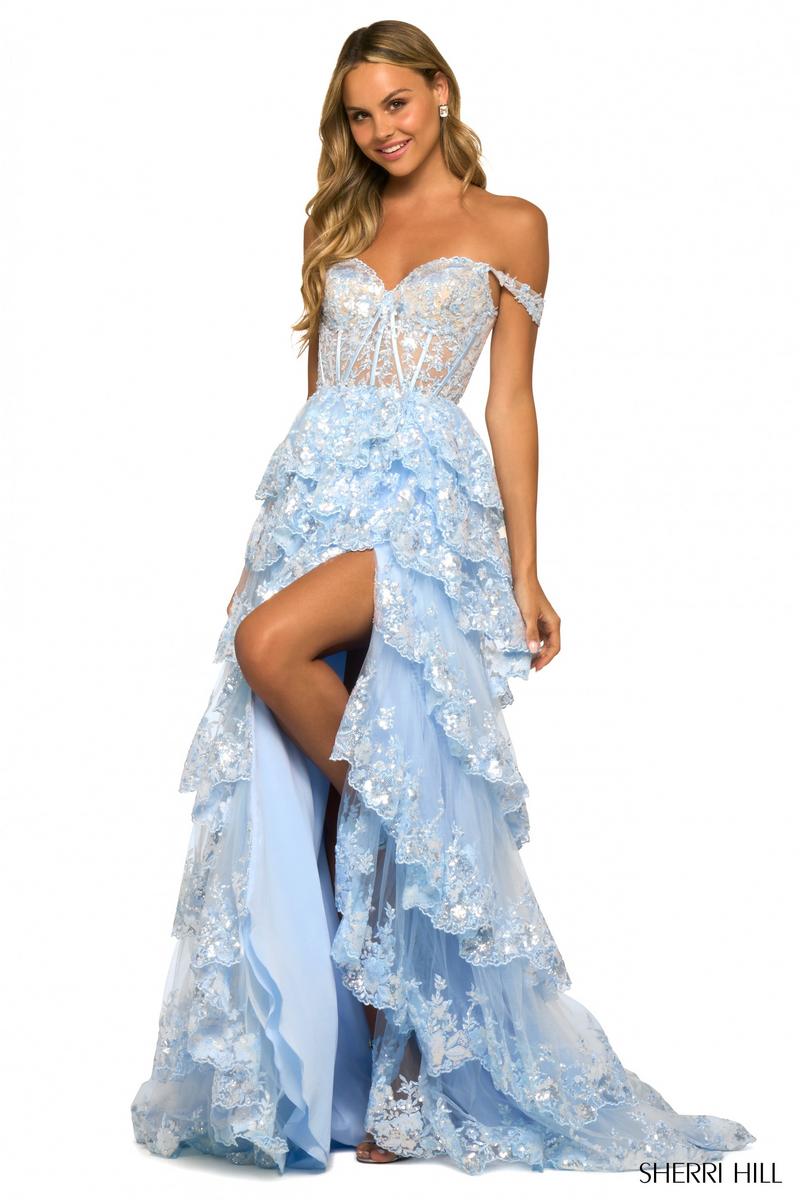
In an era where maximalism often dominates formalwear, adopting a minimalist approach can be the most powerful statement of all. This style philosophy, rooted in the principle that “less is more,” draws from architectural and design movements that prioritize function and pure form. When applied to a Sherri Hill gown, which may already feature intricate beading or bold color, minimalist styling aims to create a harmonious balance, allowing the dress’s inherent design to be the undisputed focal point. The key is strategic subtraction. Instead of a statement necklace that competes with a beaded bodice, opt for delicate, almost invisible jewelry. Think single, fine diamond studs or a slim, elegant pendant that rests just above the neckline. As renowned fashion editor Diana Vreeland once noted, “The eye must travel,” and in this case, you want it to travel uninterrupted across the craftsmanship of your dress. Footwear should be clean and classic—a simple pointed-toe pump in a nude or metallic shade that elongates the leg line without introducing a distracting new color or texture. Your clutch should be sleek, perhaps in a matte finish that complements rather than shines against the dress’s fabric. Hairstyling leans towards polished simplicity: a low, tight chignon or sleek, straight hair. This approach doesn’t diminish the dress’s impact; it amplifies it through curated silence, proving that a Sherri Hill dress possesses enough narrative on its own.
The Science of Visual Focus
From a cognitive psychology perspective, this styling method leverages the Gestalt principle of “figure-ground” organization. The dress becomes the clear “figure” against the “ground” of your minimalist accessories and environment. Research in aesthetic perception, such as that cited in journals from institutions like the Savannah College of Art and Design, suggests that reducing visual clutter enhances the viewer’s ability to appreciate the complexity and detail of a primary object. By eliminating competing elements, you guide the observer’s gaze directly to the precise pleating, the gradient of sequins, or the architectural cut of your Sherri Hill gown. This creates a more memorable and sophisticated impression than an ensemble where every item shouts for attention. It’s a lesson in confidence—trusting that the dress’s quality, from its fabric drape to its structural seams, is compelling enough to carry the entire look.
2. The Vintage Vanguard: Infuse Retro Glamour
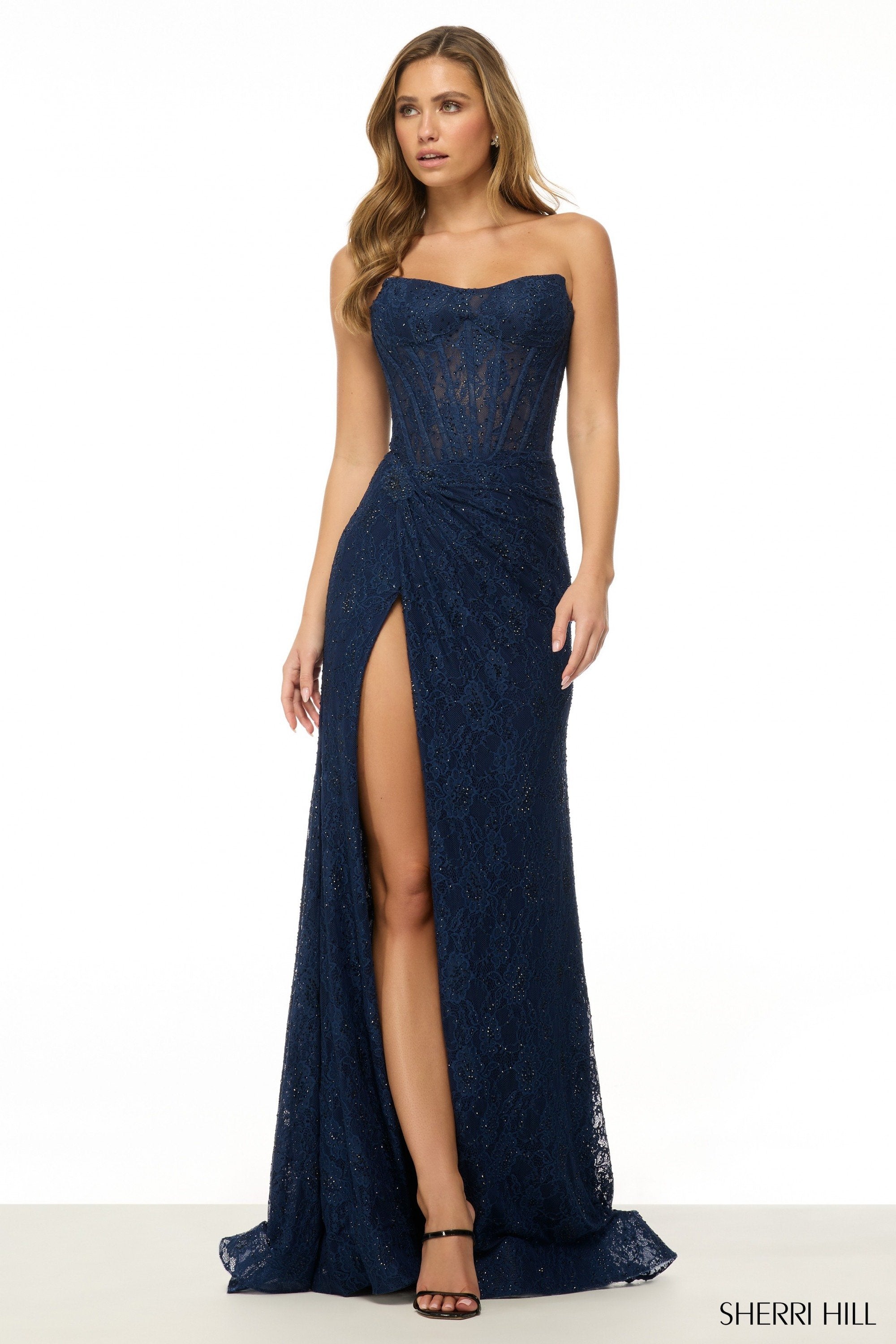
Transform your contemporary Sherri Hill dress into a timeless piece of living history by infusing it with deliberate vintage accents. This is not about costume play, but about creating a dialogue between modern design and classic elegance. The success of this style hinges on selecting a specific era as your muse. For a dress with a full tulle skirt or a fit-and-flare silhouette, the 1950s Hollywood starlet look is a perfect match. This would involve accessories like opera-length gloves, a structured box clutch, and vintage-inspired jewelry featuring pearls or intricate filigree. As style icon Audrey Hepburn demonstrated, elegance is often found in defined silhouettes and polished details. If your dress is a sleek column gown or has art deco-inspired beading, the 1920s flapper era offers rich inspiration. Think a feathered headband, a long strand of pearls, and a bejeweled mesh clutch. The goal is to create a cohesive narrative. Sourcing these pieces doesn’t require a fortune; many online retailers and vintage shops offer affordable replicas or authentic finds. Platforms like Etsy or even curated sections on major shopping sites provide access to these specialized accessories at discounted prices, allowing you to build a unique vintage capsule without overspending. This approach showcases your fashion literacy and creativity, setting you apart in a sea of conventionally styled gowns.
Cultural Resonance and Authenticity
Drawing from vintage styles is more than aesthetic borrowing; it’s connecting to cultural moments defined by specific attitudes towards glamour and femininity. Academic literature on fashion history, such as works from the Fashion Institute of Technology, analyzes how post-war 1950s fashion emphasized structured, ultra-feminine shapes as a societal reset, while the 1920s silhouettes reflected a newfound freedom and rebellion. By thoughtfully integrating elements from these periods, you are not just accessorizing; you are layering your outfit with historical context. This adds depth and intelligence to your presentation. When you wear a modern Sherri Hill dress with a vintage twist, you demonstrate an understanding of fashion as an evolving language, paying homage to the past while firmly standing in the present. It’s a style choice that often garners appreciative comments and shows a level of sartorial effort that goes beyond the ordinary.
3. The Bold Contrastor: Play with Color and Texture
For the fashion adventurer, the most exciting way to style a Sherri Hill dress is to embrace dramatic contrast. This method actively plays with complementary colors, clashing textures, and unexpected accessories to create a look that is uniquely personal and dynamically modern. If your dress is in a solid, jewel-toned color like emerald or sapphire, introduce a pop of a complementary or even contrasting hue through your accessories. A fuchsia clutch, citrine-yellow heels, or a bag in a bold animal print can transform the entire energy of the outfit. This technique is grounded in color theory, a scientific framework used by artists and designers. The color wheel, a fundamental tool, shows that colors opposite each other (like purple and yellow) create maximum contrast and visual vibration when paired. Fashion websites like Who What Wear frequently highlight celebrities and stylists who master this art, using it to create red-carpet moments that are photographed and remembered. Texture mixing is equally important. Pair a sleek, satin Sherri Hill dress with a faux fur stole or a metallic, mesh jacket. Style a heavily beaded gown with minimalist, matte leather accessories for a striking balance. This approach requires a confident eye, but the rules are meant to be interpreted. The objective is to create intentional tension that feels exciting, not chaotic.

Psychological Impact of Color
The power of this styling choice is not merely visual; it’s psychological. Studies in color psychology, referenced in resources from authoritative universities, indicate that color combinations can evoke specific emotional responses. A monochromatic look might convey sophistication and calm, while a high-contrast ensemble projects energy, creativity, and confidence. By consciously choosing to contrast, you are actively managing the non-verbal message you send. It says you are bold, unafraid of attention, and creatively in control. When you walk into a room wearing a classic Sherri Hill gown made utterly contemporary through a vibrant, contrasting accessory, you command a different kind of attention—one that acknowledges your role as a co-creator of the look, not just a wearer of a beautiful dress.
4. The Architectural Editor: Focus on Structure and Line
Some Sherri Hill dresses are marvels of construction, with sculptural bodices, dramatic cut-outs, or geometric lace patterns. For these gowns, the most flattering styling approach is to extend and complement their architectural lines. This perspective views fashion as wearable sculpture, where every addition should enhance the built form. Begin by analyzing the dress’s key structural elements. Does it have a sharp V-neckline? Extend that line with a long, linear pendant necklace. Does it feature a defined waist or hip accentuation? A slim, structured belt in a matching or tonal leather could underscore that feature. Footwear becomes part of the architecture; strappy sandials with clean geometric lines or severe pointed-toe boots (for an edgier formal event) can continue the visual language of the gown. This style often borrows from the aesthetics of modern art and design movements like Bauhaus, which prized functionality and clear form. Your hairstyle should be equally considered—a sharp bob, a geometric undercut, or a severely slicked-back style can act as the crowning architectural element. The overall effect is one of powerful, intentional elegance, where every component feels integral to a singular, striking vision.

Form and Function in Design
This method aligns with the core principles of industrial and architectural design, where form follows function, and beauty is derived from purity of line and intentional structure. When you style a dress with this philosophy, you are engaging with it on a designer’s level. You are recognizing the thought that went into its darts, seams, and proportions, and you are choosing to honor and amplify that thought. Resources like the Metropolitan Museum of Art’s Costume Institute archives show how designers from Balenciaga to McQueen used structure as their primary tool of expression. By adopting an architectural editing approach to your Sherri Hill dress, you participate in that elevated dialogue. It is a look that conveys intellectual engagement with fashion, an appreciation for construction, and a modern, almost avant-garde sensibility that is perfect for contemporary galas, awards ceremonies, or high-fashion events.
5. The Bohemian Rhapsodist: Soften with Romantic Flow
Not every formal occasion calls for rigid glamour. Garden parties, destination weddings, and artistic evening gatherings often embrace a softer, more romantic aesthetic. A Sherri Hill dress, even one with sequins or beading, can be beautifully adapted to this vibe through strategic styling that introduces flow, texture, and organic elements. The goal is to soften the dress’s formality and inject a sense of effortless, romantic ease. This can be achieved by layering delicate, ethereal pieces over or alongside the gown. A sheer, embroidered kimono or a lace shawl draped over the shoulders instantly adds a bohemian touch. Jewelry should be layered and personal: multiple thin gold chains, stacked rings, and bracelets with natural stones or charms. Instead of a structured clutch, opt for a woven leather bag or an embellished fabric pouch. Floral crowns or fresh flowers woven into loose, waves or braids complete the transformation. This style channels a free-spirited elegance, reminiscent of the fashion embraced by figures like Stevie Nicks or the imagery in films like “A Midsummer Night’s Dream.” It proves that a Sherri Hill dress can be the foundation for a look that is as whimsical and personal as it is beautiful.

The Ethos of Romanticism
This styling approach taps into the enduring cultural ethos of Romanticism, which values individuality, emotion, and a connection to nature over strict formalism. In fashion, this translates to looks that appear collected rather than contrived, personal rather than perfect. Fashion sociologists, in publications accessible through university databases, discuss how “bohemian” style operates as a sartorial rejection of mainstream, corporate fashion, favoring uniqueness and artisan details. By styling your formal Sherri Hill dress in this way, you are subtly aligning with this philosophy. You are personalizing a mass-produced (though high-end) item, making it tell your specific story of romance and ease. It’s a particularly effective way to make a formal dress feel uniquely “you” and perfectly suited to less conventional, more atmospheric venues and events.
Your Sherri Hill dress is a masterpiece waiting for its final touches—touches that you provide. Whether through minimalist refinement, vintage homage, bold contrast, architectural highlighting, or bohemian softening, the power to redefine its character for any occasion rests in your hands. These are not just styling tips; they are frameworks for creative expression. By understanding the principles behind each approach—from color theory to fashion history—you move from simply wearing a gown to curating an experience. So, see your dress not as a finished product, but as the central element in your own sartorial narrative, ready to be written anew for every event on your horizon.