

Mastering the Art of the Shift Dress for Every Season
Imagine a single garment, a silhouette so pure in its line and so generous in its function, that it becomes the quiet, confident anchor of your entire wardrobe, regardless of the weather outside your window. This is not a fantasy of minimalist dogma but the practical reality of the shift dress. Its genius lies not in ornate detail or restrictive tailoring, but in its architectural simplicity—a clean, often sleeveless, column of fabric that hangs straight from the shoulders, offering unparalleled freedom and a canvas for infinite personal expression. To master the shift dress is to master a form of sartorial intelligence, understanding how this foundational piece can be modulated, layered, and accessorized to navigate the full spectrum of seasons with grace, authority, and effortless style. It is the uniform for the pragmatist and the playground for the creative, a democratizing force in fashion that, when understood, unlocks a year-round strategy for looking impeccably composed.
The Architectural Foundation: Deconstructing the Shift Silhouette
Before we orchestrate its seasonal transformations, we must first appreciate the inherent design principles of the shift dress. Objectively, its definition is sartorially precise. As described by the Victoria and Albert Museum in London, a leading authority on the history of art and design, the shift dress is characterized by its “simple, straight cut” and its origin in the 1920s, where it represented a radical departure from the corseted, hourglass figures of the previous era. This was not merely a change in style but a social revolution, mirroring the newfound freedoms for women. The silhouette’s lack of a defined waist—its refusal to cinch or constrain—is its most revolutionary and enduring feature. Scientifically, this design aligns with principles of ergonomic comfort and visual perception. The straight line from shoulder to hem creates a vertical axis that the human eye reads as streamlined and efficient. From a materials science perspective, the cut minimizes stress points on the fabric, allowing it to drape and move with the body rather than against it, a concept supported by textile engineering literature from institutions like the Fashion Institute of Technology. This foundational understanding is crucial: the shift dress is a tool for living, its value derived from its structural integrity and adaptive potential, not from transient decorative elements.
Spring: The Awakening of Layers and Lightness
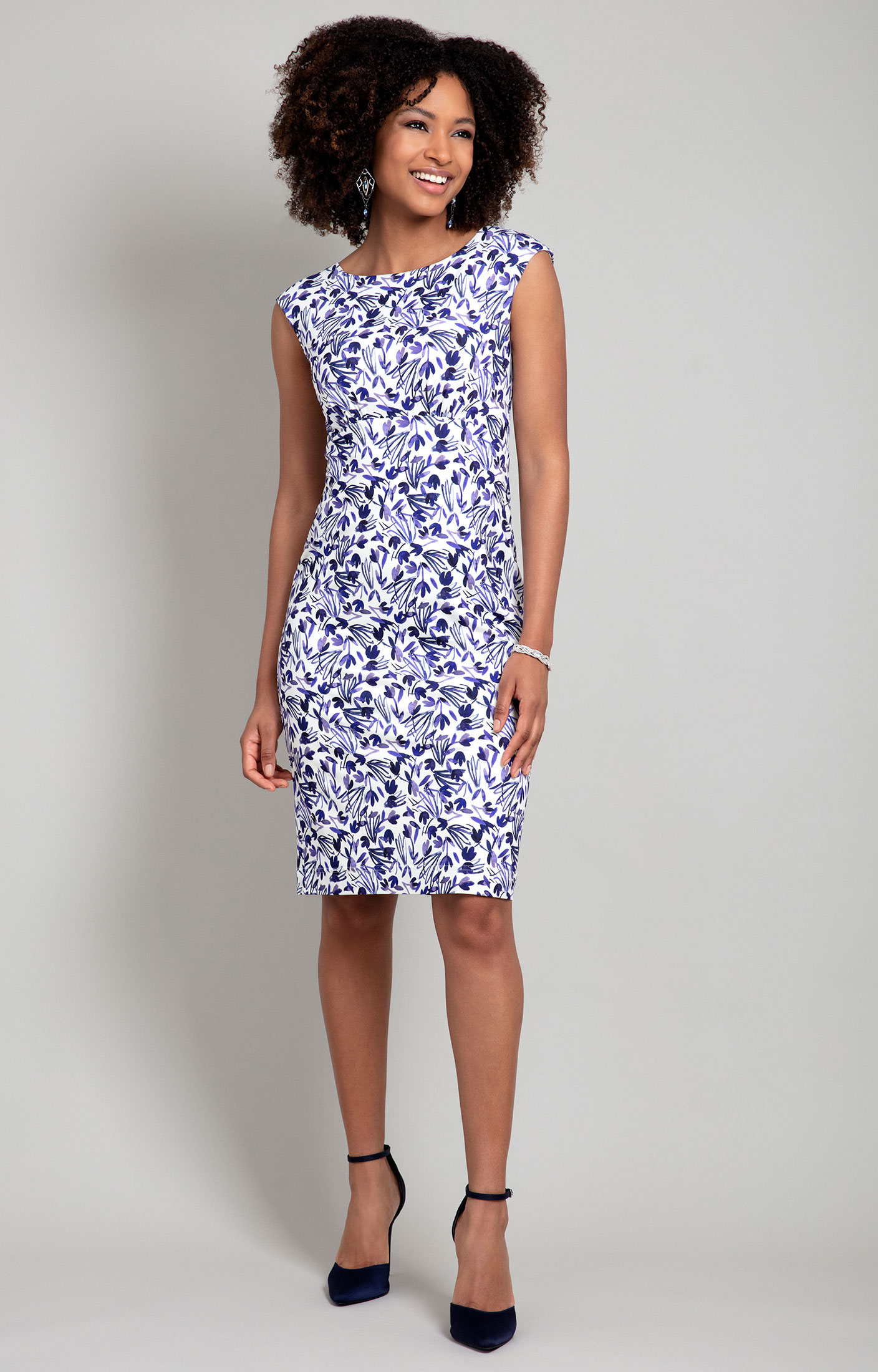
As the first thaw sets in and the world tilts back towards the sun, your approach to the shift dress should mirror nature’s own transition. This is the season for strategic layering and a palette that breathes. Begin with the dress itself in a mid-weight fabric like a soft cotton poplin or a fine-gauge merino knit—materials that provide substance without weight. The key scientific principle at play here is thermal regulation through layering, a concept well-documented in outdoor apparel research. A sleeveless shift dress acts as your perfect base layer. Over this, the artful application of a tailored blazer in a complementary pastel or a structured denim jacket not only adds warmth but also creates dynamic visual texture. The viewpoint of influential stylist and editor, whose advice is frequently cited in publications like Vogue and Harper’s Bazaar, often emphasizes the power of the “third piece”—the jacket, the scarf, the vest—to complete an outfit. In spring, this third piece is non-negotiable. Consider the testimony of countless style forums on platforms like Quora, where users extol the virtues of a lightweight trench coat belted over a shift for unpredictable April days. Footwear shifts from sealed boots to open-toe block heels or sleek leather sneakers, signaling the change underfoot. The final, vital layer is one of color psychology: embracing hues like sage green, sky blue, or a soft daffodil yellow can actively influence mood and perception, a field studied extensively in both marketing and design psychology, suggesting these colors convey freshness, clarity, and optimism perfectly suited to the season’s spirit.
Summer: The Zenith of Minimalism and Material Intelligence
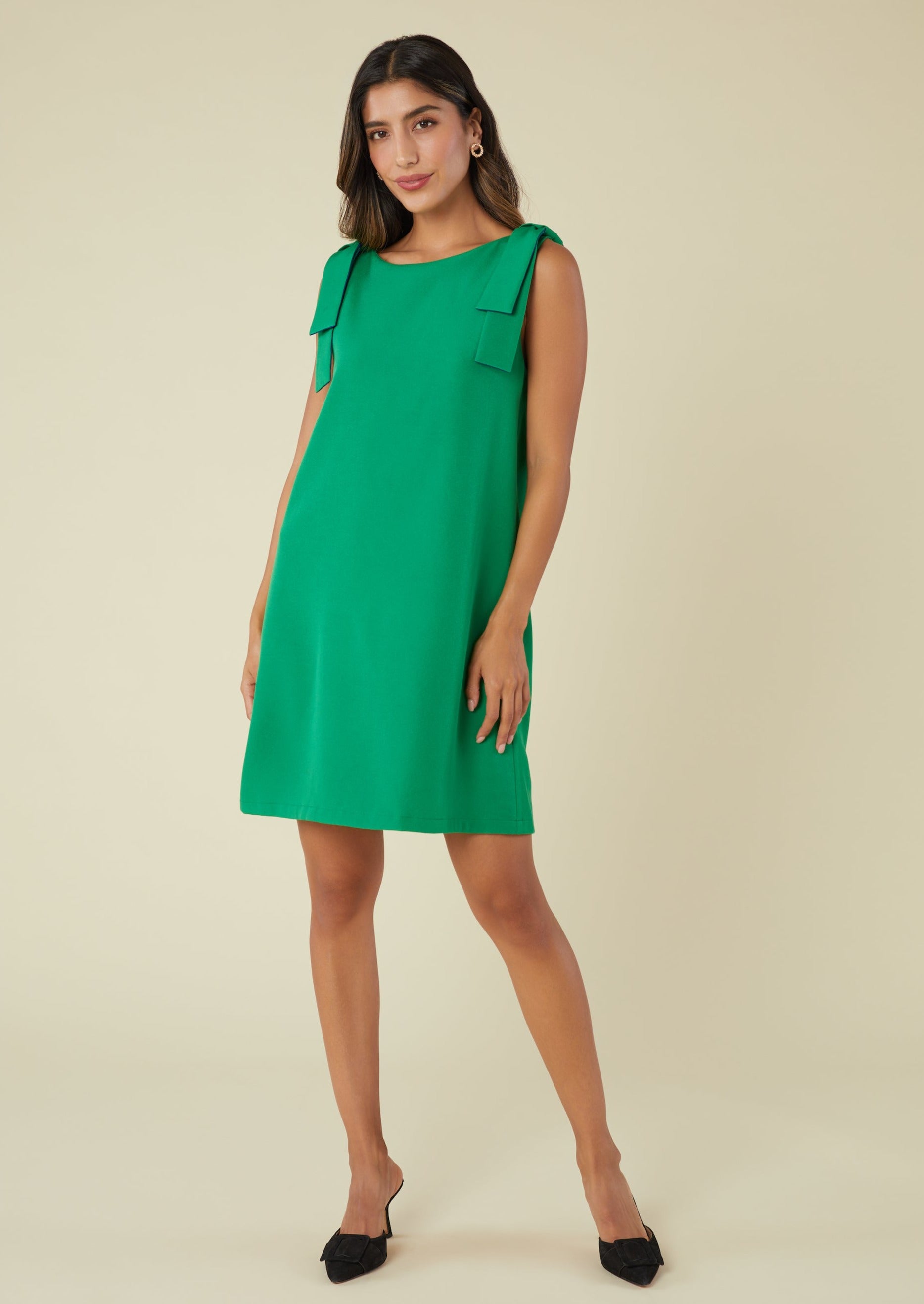
Summer demands a doctrine of reduction, and the shift dress rises to this challenge with peerless elegance. Here, the garment stands alone, celebrated in its unadorned form. The critical variable shifts from layering to material intelligence. Your selection must be guided by objective textile properties: breathability, moisture-wicking, and UV protection. Linen, a cellulose fiber derived from the flax plant, is championed for its high porosity and ability to absorb moisture without holding sweat against the skin, as outlined in textile science resources. Similarly, high-quality cotton seersucker or lightweight chambray, with their textured weaves, promote air circulation. The perspective of sustainable fashion advocates on platforms like YouTube, such as those with certifications in ethical manufacturing, consistently highlight these natural fibers for their comfort and lower environmental impact during hot-weather wear. A shift dress in a bold, graphic print or a vibrant solid becomes a complete statement. As the iconic designer Diane von Fürstenberg, creator of the legendary wrap dress, once stated in an interview archived by the CFDA, “Style is something each of us already has, all we need to do is find it.” The summer shift is that vessel for finding it—effortless, cool, and definitive. Accessories are pared down to oversized sunglasses, a wide-brimmed hat for sun protection (a non-negotiable based on dermatological advice), and perhaps a single piece of statement jewelry. The goal is a cool, collected silhouette that prioritizes comfort without sacrificing an iota of polish, proving that in the height of heat, less is profoundly more.
Autumn: The Symphony of Texture and Tone
Autumn is fashion’s richest movement, a time when the shift dress evolves from a standalone piece to the core component of a layered composition. This is where your expertise in texture and tonal layering is paramount. Start with the dress in a fabric that speaks of the season: wool crepe, heavy silk, or a fine-knit tweed. These materials provide inherent warmth and a tactile richness. Over this, the layering game becomes more complex and rewarding. A chunky knit cardigan, a sleek leather moto jacket, or a sophisticated wool blazer are not just functional additions; they are stylistic counterpoints that create depth. This approach finds resonance in the principles of “capsule wardrobing” popularized by style experts, where a few core items are mixed to create numerous outfits, maximizing value and style—a concept that brings both professional knowledge and the practical benefit of a discounted price per wear to your wardrobe economics. The color palette deepens to reflect the changing landscape: think burnt orange, forest green, charcoal grey, and camel. As the renowned author and style observer in her seminal book on French style notes, “Elegance is refusal.” Autumn styling with a shift dress is an exercise in refined refusal—opting for a single, beautiful textural combination rather than many competing elements. Tights or sleek leggings in opaque black or a complementary hue reintroduce leg coverage, while ankle boots or loafers ground the look. The result is an outfit that feels as crisp and layered as the autumn air itself.
Winter: The Masterclass in Strategic Insulation
Conquering winter with a shift dress is the ultimate test of sartorial ingenuity, transforming a seemingly summery item into a bastion of warmth. This requires a shift in perspective—viewing the dress not as outerwear but as a sophisticated middle layer in a strategic insulation system. Begin with a base layer of thermal or silk long underwear, a technique borrowed directly from high-performance outdoor gear. The shift dress, now in a substantial fabric like a dense wool melton, a velvety corduroy, or a cashmere-blend knit, forms the insulating core. The outer shell becomes critical: a long, tailored wool coat, a padded parka with a sleek silhouette, or a shearling-lined jacket. The scientific principle here is trapped air insulation, where layers of fabric and air between them create a barrier against the cold. Footwear must be pragmatic yet polished—knee-high boots with a low heel or insulated leather ankle boots. Accessories are functional armor: a substantial scarf, leather gloves, and a beanie or beret. The viewpoint from Scandinavian style blogs, where surviving winter in style is a daily practice, consistently showcases this very formula: a simple, elegant dress peeking out from under monumental outerwear. It’s a look that speaks of confidence, of someone who understands that warmth and style are not mutually exclusive but can be synthesized through intelligent design and layering logic. The winter shift ensemble is a powerful rebuttal to the bulky, shapeless cold-weather uniform, offering a blueprint for looking razor-sharp even in the deepest freeze.

The Eternal Frame: Beyond the Fabric, The Philosophy
The true mastery of the shift dress transcends the tactical advice for each season. It resides in embracing the philosophy it represents—one of clarity, efficiency, and self-defined elegance. This garment has been a constant on the world’s stages, worn by figures from Audrey Hepburn, who epitomized minimalist chic, to modern innovators like a tech CEO delivering a keynote, symbolizing focused intelligence. Its endurance is evidence of its foundational rightness. In a world of fast fashion and fleeting trends, the shift dress is an antidote, a permanent staple that rewards investment. By choosing quality materials and timeless cuts, you engage in a more sustainable and economically savvy approach to dressing, effectively bringing a form of discounted luxury—cost per wear—into your life. It teaches editing, encouraging you to build outfits around a perfect line rather than distracting details. It is a garment that listens to you, adapting to your mood, your climate, and your life, never dictating but always enabling. To make the shift dress your own is to declare independence from the superfluous and to champion a style that is intelligent, adaptable, and eternally relevant. It is not merely a piece of clothing; it is a tool for crafting your presence in the world, one seamless, confident season at a time.