

How to Style Shift Dresses for Every Season
The shift dress stands as a sartorial chameleon, a garment whose deceptive simplicity belies its immense versatility. Its defining characteristic—a straight, often loose cut from the shoulders to the hem—liberates it from the constraints of the body’s contours, offering a canvas for personal expression that transcends seasonal whims. This is not merely about wearing a dress; it is about mastering a foundational piece that, when understood and manipulated through fabric, color, layer, and accessory, can articulate your style narrative through the frost of winter, the bloom of spring, the blaze of summer, and the rustle of autumn. Let’s dismant the notion that the shift is a one-note wonder and reconstruct it as the cornerstone of a dynamic, year-round wardrobe.
The Architectural Foundation: Understanding the Shift Dress
To wield a tool effectively, one must first comprehend its mechanics. The shift dress emerged as a sartorial revolution in the 1960s, championed by designers like Hubert de Givenchy and popularized by icons such as Audrey Hepburn. Its historical significance is rooted in a deliberate departure from the cinched waists and voluminous skirts of the previous decade. As fashion historian Valerie Steele notes in her work for The Museum at the Fashion Institute of Technology, this silhouette represented a move towards modernity, ease, and a new kind of feminine elegance that prioritized comfort and freedom of movement. Structurally, it is defined by its lack of defined waistline; it “shifts” with the body rather than constraining it. This architectural neutrality is its superpower. From a textile science perspective, the drape, weight, and hand-feel of the fabric chosen for a shift dress will dictate its behavior and seasonal suitability. A heavy wool tweed will fall with a rigid, architectural grace suited to winter, while a lightweight linen or silk will possess a fluid, breezy drape perfect for summer. Understanding this interplay between form (the unchanging silhouette) and material (the variable element) is the first step to seasonal mastery.
Winter: The Art of Insulation and Texture
Winter styling for the shift dress is an exercise in strategic layering and textural contrast, transforming it from a standalone piece into the central layer of a sophisticated ensemble. The objective is to create warmth without sacrificing the dress’s clean lines. Begin with the dress itself: opt for fabrics with inherent substance. Think wool crepe, thick jersey, bouclé, or tweed. These materials provide thermal insulation, a principle well-documented in textile science where fabric density and fiber type trap air, creating a barrier against the cold. A bright pink wool-blend shift, for instance, acts as a vibrant beacon against grey skies. The layering strategy is paramount. A fine-gauge turtleneck in a complementary color worn underneath adds a core layer of warmth and a pop of contrasting detail at the neckline. This “dress-over-top” technique was a signature of the mod style in the 1960s and remains a timeless winter hack. Over the dress, structured outerwear is key. A tailored wool coat in a classic camel or charcoal grey that hits at or just above the dress’s hem maintains proportion. For footwear, the choice is between sleek knee-high or over-the-knee boots, which extend the leg line and provide additional insulation, or opaque tights paired with ankle boots. Accessories should be substantial: a wide-brim felt hat, a chunky scarf in cashmere, and structured leather gloves. The final look is one of curated cohesion, where the shift dress is the colorful, textured heart of a protective, stylish shell.

Spring: A Dialogue of Layers and Renewal
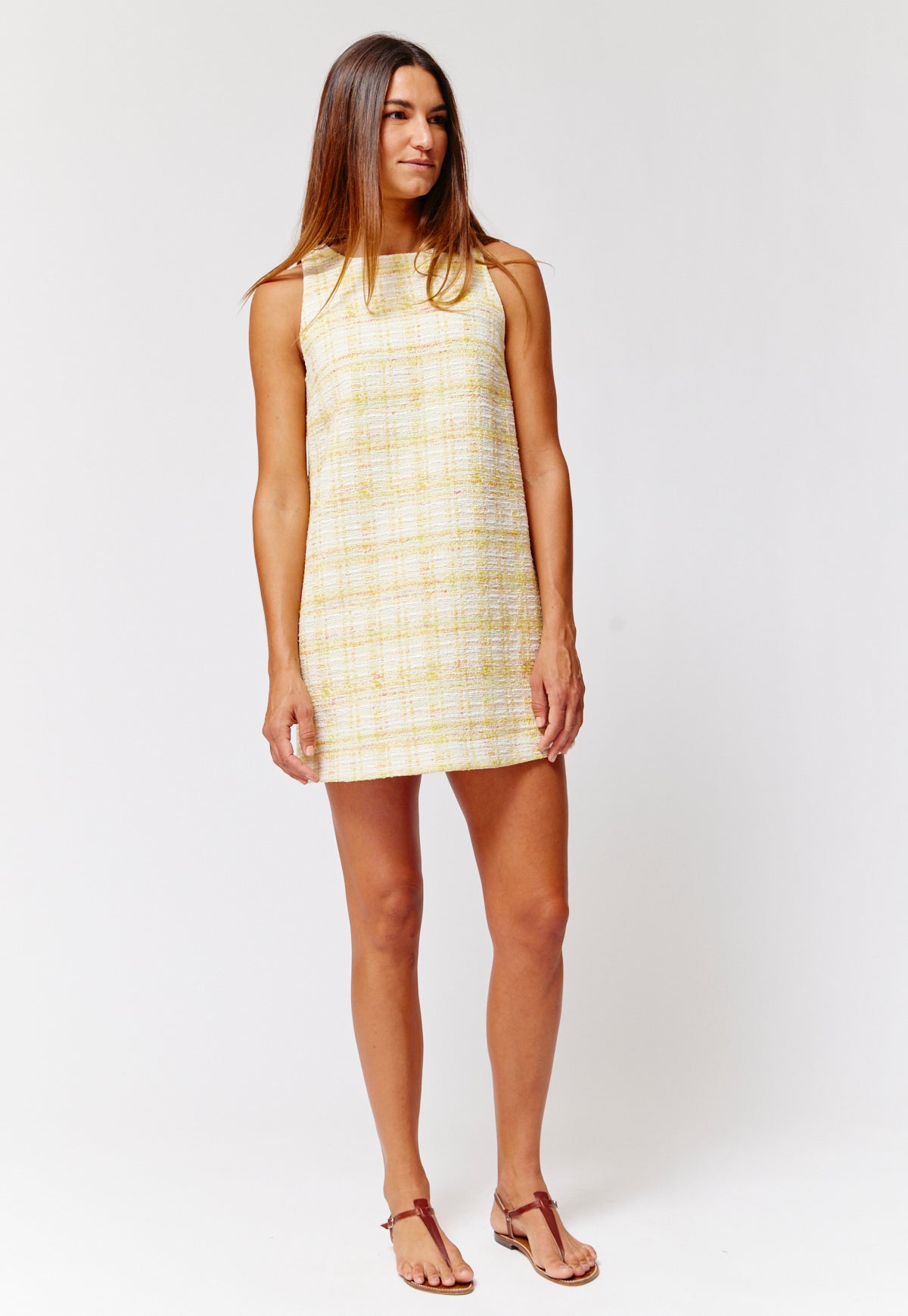
Spring is a season of transition, and styling your shift dress should reflect that dynamic interplay between lingering chill and emerging warmth. This is the season for lighter fabrics and the art of the removable layer. Your dress fabric should shift (pun intended) towards mid-weight cottons, denim, light wool blends, or textured jacquards. A sleeveless shift in a yellow tweed jacquard, for example, offers visual interest and just enough weight for a cool morning. The quintessential spring layer is the tailored blazer or a structured leather jacket. Thrown over the dress, it creates a powerful, modern silhouette that is both polished and practical. As the day warms, the jacket can be removed, revealing the dress in its entirety. This adaptability is core to building a functional wardrobe. Another brilliant strategy is the use of lightweight knitwear—a fine cardigan buttoned over the dress or a cropped sweater tied over the shoulders adds a preppy, effortless touch. Footwear transitions from boots to transitional options like loafers, ballet flats, or low-block heeled pumps, often paired with sheer or patterned tights initially, then bare legs as temperatures rise. Accessories should speak of renewal: a silk scarf tied at the neck or on a handbag, a trench coat belted over everything, and statement earrings that catch the lengthening light. The spring shift dress outfit is inherently optimistic, built for the unpredictable and celebrated for its easy versatility.
Summer: Celebrating Minimalism and Breathability
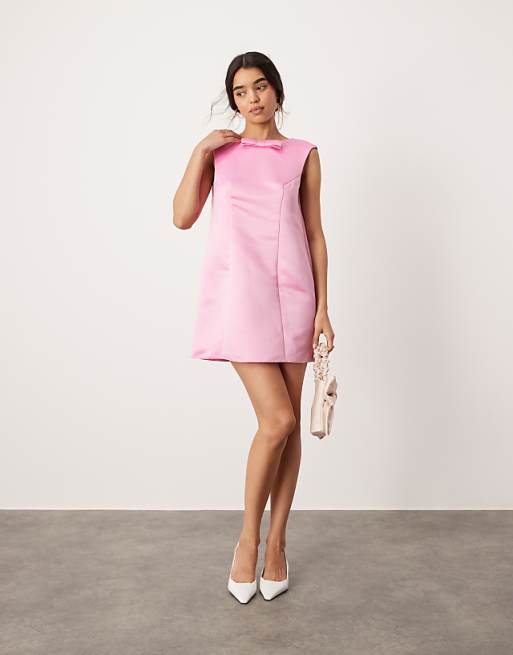
In summer, the shift dress reaches its purest, most essential form. The goal is maximum coolness and ease, making fabric choice the absolute dictator of comfort. Linen, cotton poplin, chambray, lightweight silk, and breezy rayon are your allies. These natural fibers possess high moisture-wicking and breathability properties, allowing for air circulation and evaporation of perspiration—a key factor in physiological comfort in heat, as outlined in textile performance studies. A structured satin mini shift in a bright hue embraces the season’s energy while the fabric’s smoothness feels cool against the skin. Styling is beautifully minimal. Let the dress speak for itself. The lack of need for heavy layers is the luxury. Footwear should be airy: sleek sandals, espadrilles, or minimalist white sneakers. The accessory palette is light and functional: oversized sunglasses, a wide-brimmed straw hat for sun protection, a woven tote, and perhaps a single, bold piece of jewelry. A denim jacket or lightweight shawl can be kept on hand for cooler evenings. The summer shift is about embracing the dress’s architectural form in its most unadorned state, proving that simplicity, when executed with attention to quality fabric and cut, is the ultimate sophistication. It’s the uniform for al fresco dinners, gallery visits, and sunny weekends, offering an effortless chic that feels as good as it looks.
Autumn: The Symphony of Texture and Tone
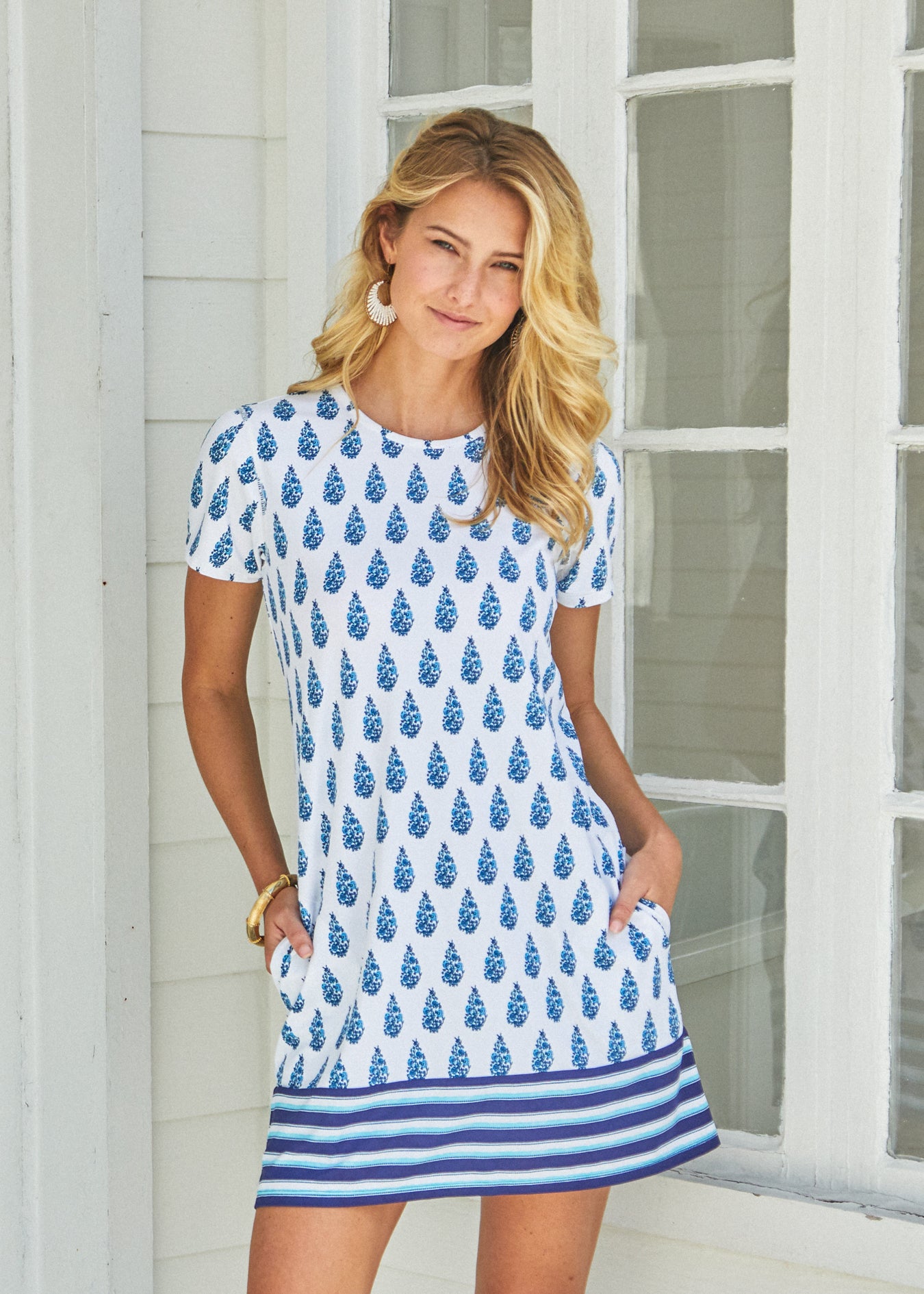
Autumn invites a richer, more tactile approach to dressing, and the shift dress is the perfect base for this textural symphony. Fabrics become more substantial and inviting: corduroy, velvet, suede-cloth, heavier cotton sateen, or wool blends in the season’s deep, earthy palette—ochre, burgundy, forest green, charcoal. A short-sleeve shift in a deep, autumnal print or solid tone sets the stage. Layering in autumn is about creating depth and interest. A chunky knit sweater, loosely worn over the shoulders or tied around the waist, adds a casual, collegiate vibe. Tights become essential again, moving from sheer to opaque or even textured. Footwear shifts to ankle boots in leather or suede, or closed-toe loafers. The outerwear narrative is particularly exciting here. A shearling gilet, a tailored trench in leather, or a long-line cardigan worn as a coat can be stunning over a shift dress. As stylist and author Allison Bornstein often discusses on her platforms, the “third piece” rule is key to creating a complete look; in autumn, that third piece is often a textural layer like a scarf or a hat. Think felt fedoras, leather gloves, and layered necklaces. The autumn shift dress ensemble is warm, enveloping, and intellectually stylish, mirroring the season’s own complexity and beauty.
Beyond the Seasons: The Shift Dress as a Wardrobe Philosophy
Mastering the seasonal styling of the shift dress ultimately points to a larger philosophy of intelligent dressing. This garment teaches the value of investment in versatile, well-constructed basics over fleeting trends. By focusing on one adaptable silhouette, you streamline decision-making, reduce wardrobe clutter, and increase the cost-per-wear of each piece—a principle advocated by sustainable fashion experts and economists alike. The knowledge of how to manipulate this single item through the year empowers you to build a smaller, more potent wardrobe. It encourages mindfulness about fabric, color psychology, and personal expression. Whether you’re adapting it for a professional setting with a blazer and pumps, or dressing it down for weekend leisure with sneakers and a crossbody bag, the shift dress remains your constant, your canvas. Its legacy, from the ateliers of Paris to the streets of today, is one of liberation and timeless style. It is not just a dress for every season; it is a foundational tool for a coherent and confident personal aesthetic, proving that true style isn’t about having countless options, but about knowing how to brilliantly work the ones you have.