

Mastering Semi-Formal Dresses for Every Occasion
Navigating the world of event attire often feels like deciphering a cryptic code. “Semi-formal” stands as one of the most frequent, yet most misunderstood, directives on an invitation. It occupies the elegant middle ground between the strictness of black-tie and the casualness of everyday wear, offering a canvas for personal style within a framework of refined expectation. This guide is designed to demystify the semi-formal dress, transforming it from a source of anxiety into an opportunity for sartorial confidence. We will dissect its core elements, explore its application across varied settings, and arm you with the knowledge to select, style, and own this versatile category of attire, all while considering how to acquire these pieces with both expertise and value in mind.
The Anatomy of a Semi-Formal Dress: Beyond the Buzzword
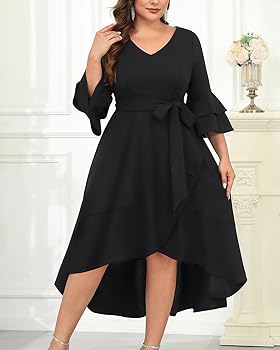
To master the semi-formal dress, one must first define it. Objectively, semi-formal, or “cocktail attire” as it is often interchangeably called, is a dress code that calls for polished, sophisticated, and intentionally curated clothing suitable for events that commence after 6 p.m., though it has gracefully expanded into daytime weddings and upscale gatherings. The scientific explanation lies in social semiotics—the study of how clothing functions as a sign system. A semi-formal dress communicates specific social signals: respect for the host and occasion, an understanding of social norms, and a cultivated personal aesthetic. According to research from institutions like the Fashion Institute of Technology, the parameters often include knee-length to midi hemlines (though elegant tea-length is equally acceptable), luxurious fabrics like silk, chiffon, lace, or high-quality synthetics, and a cut that is refined without being overly revealing. It is a deliberate step above a casual sundress but does not require the full-length formality of a gown. As style authority Tim Gunn often emphasized, it’s about “making it work” within a framework, where the individual’s personality shines through the accepted code.
Decoding the Invitation: Context is King
The perfect semi-formal dress is not chosen in a vacuum; it is a direct response to the context of the event. A semi-formal summer garden wedding demands a different interpretation than a semi-formal winter charity gala. For a daytime event, lighter colors, florals, and airy fabrics are scientifically aligned with environmental psychology, promoting a sense of lightness and joy. An evening event calls for deeper hues, richer textures, and perhaps a touch of sparkle, adhering to the traditional association of darkness with formality and glamour. Consider the venue—a museum, a hotel ballroom, a rustic barn transformed for a wedding. Each space has its own aesthetic language. Quora threads and wedding planning websites like The Knot are replete with debates on this very topic, underscoring that while the core definition is stable, its application is fluid. The viewpoint from countless fashion editors, echoed on platforms from Vogue to YouTube style channels, is consistent: when in doubt, it is always preferable to be slightly overdressed than underdressed. A well-chosen semi-formal dress provides that safe, elegant middle ground.
The Occasion Spectrum: From Weddings to Galas
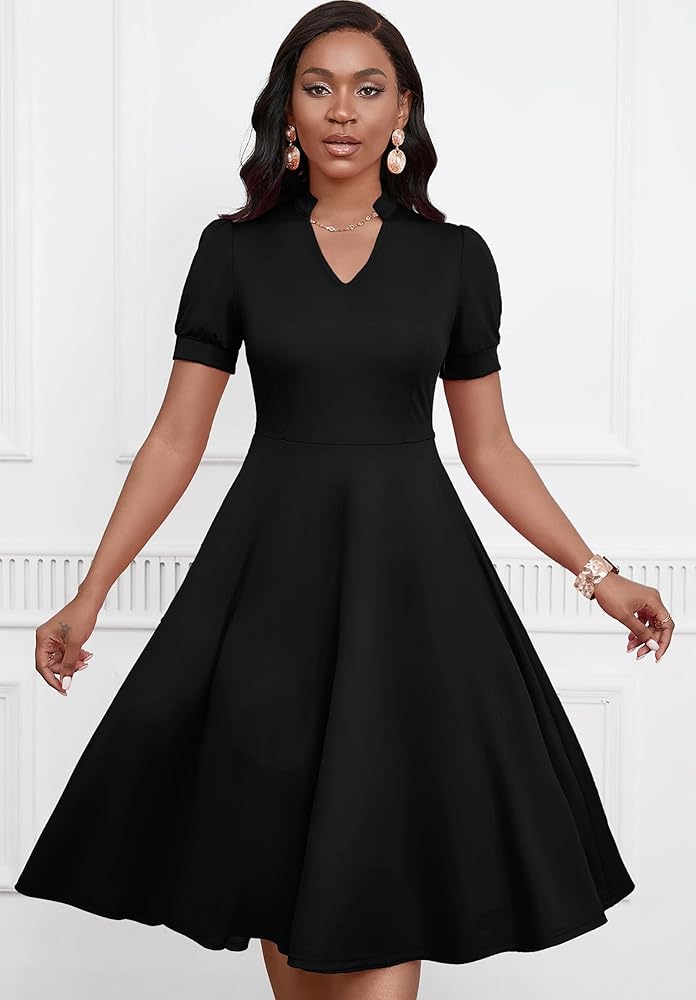
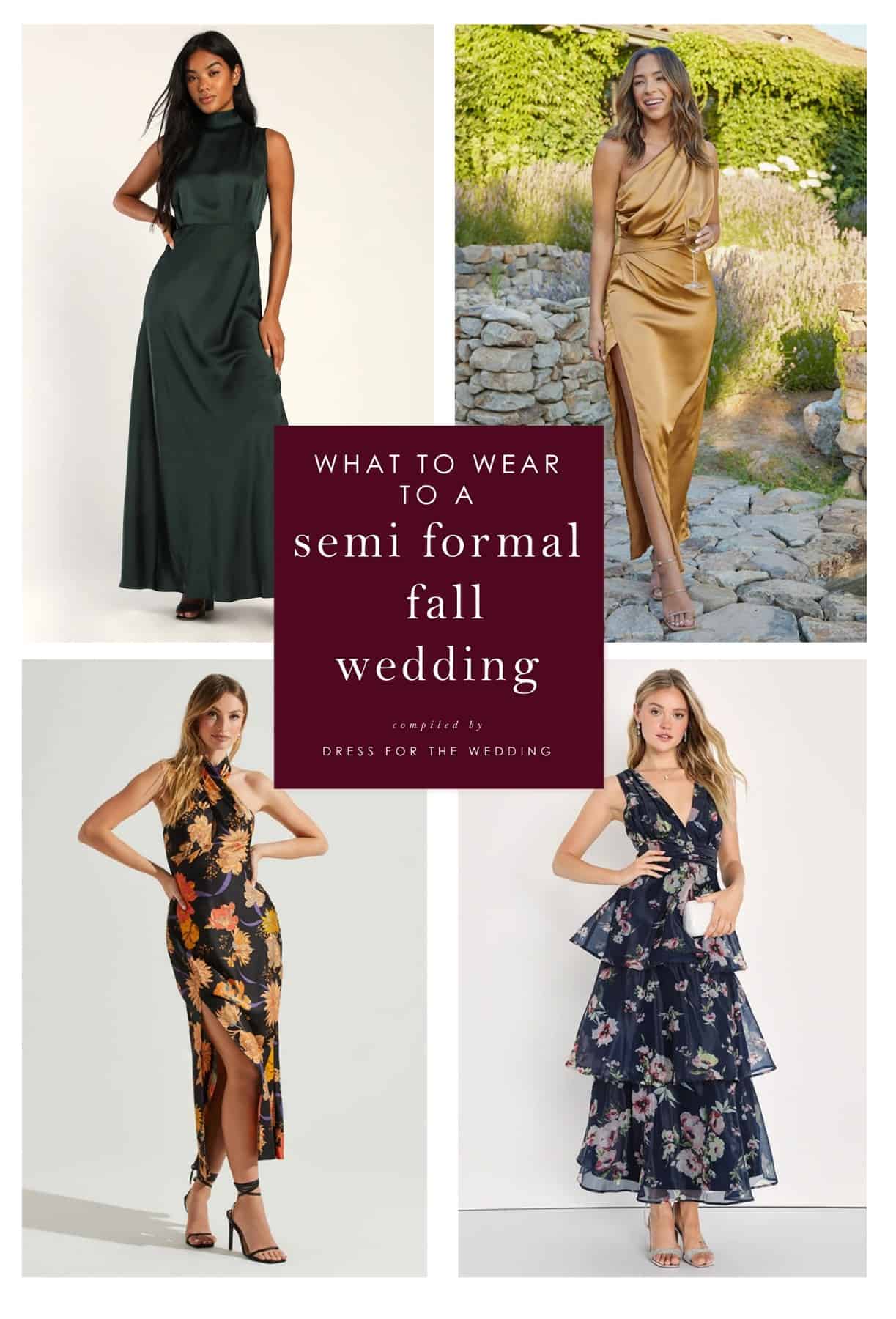
Let us apply this knowledge across a spectrum of common occasions. First, the wedding, perhaps the most common battleground for dress code confusion. A semi-formal wedding invitation is a gift of flexibility. For guests, it opens up a world of options from sleek sheaths to playful fit-and-flares. The key is to avoid white (the universal bride’s color), overly casual fabrics like jersey, and anything that could be mistaken for bridal wear itself. Second, the work-related gala or holiday party. Here, your attire balances professionalism with celebration. A dress in a solid, rich color or a subtle pattern, with a conservative yet stylish cut, projects competence and taste. Third, the upscale dinner party or theater opening. This is where personal style can take a front seat—think architectural details, unique textures, or a statement sleeve. As Audrey Hepburn’s iconic Givenchy little black dress in “Breakfast at Tiffany’s” demonstrated, simplicity, cut, and exquisite fit often trump overt embellishment in the semi-formal realm.
Fabric, Fit, and Silhouette: The Scientific Trifecta
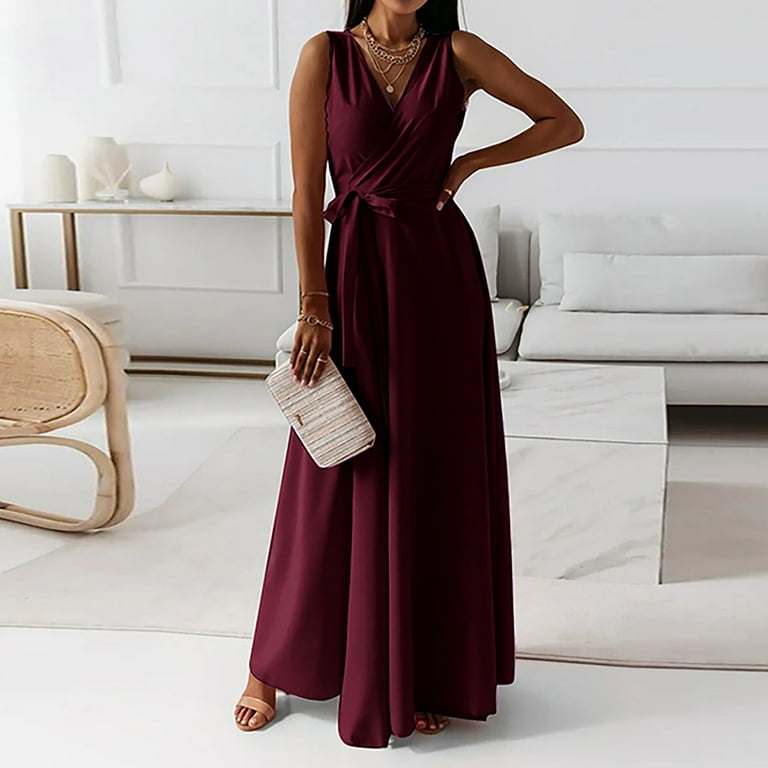
The science of looking impeccable in a semi-formal dress rests on three pillars: fabric, fit, and silhouette. Fabric dictates drape, movement, and perceived quality. Natural fibers like silk and wool crepe breathe and hang elegantly, but advanced synthetic blends can offer wrinkle resistance and affordability without sacrificing look. The fit is non-negotiable. A dress that fits perfectly through the shoulders, bust, and waist—even if it requires minor alterations—will always look more expensive and intentional than a designer dress in the wrong size. Silhouette is about understanding your body geometry. A-line dresses universally flatter by cinching at the waist and flowing over the hips. Sheath dresses offer a streamlined, modern look. Empire waists can create a graceful, elongating line. Literature from authoritative sources like the “The Fashion Book” (Phaidon) breaks down these silhouettes, not as rules, but as tools for self-expression. The goal is to find the intersection where the dress’s architecture complements your own.
The Professional’s Lens: Knowledge and Value
Mastery is not merely about selection, but also about acquisition. Bringing professional knowledge to the user means understanding the market. High-quality semi-formal dresses can be found across a wide price spectrum. The key is knowing what to look for: secure stitching, lined interiors, quality zippers, and fabric that feels substantial. Discounted prices are often accessible through strategic shopping—end-of-season sales, reputable online retailers with frequent promotions, and even consignment shops for barely-worn designer pieces. The viewpoint from financial and style experts on platforms like YouTube often highlights “cost per wear.” A slightly more expensive, classic dress worn to multiple events over years offers far greater value than a cheap, trendy piece worn once. Investing in timeless elements—a great black dress, a elegant navy wrap style—builds a versatile core wardrobe. Then, incorporate seasonal trends through accessories, which are far less costly to update.
In the Words of Icons: A Style Epilogue
Sometimes, the most potent guidance comes not from a rulebook, but from a well-articulated philosophy. The perspectives of style icons cut through the noise and remind us of the deeper purpose of dressing well.
“Fashion is part of the daily air and it changes all the time, with all the events. You can even see the approaching of a revolution in clothes. You can see and feel everything in clothes.” — Diana Vreeland
This statement underscores that your semi-formal choice is a response to the “event in the air.” Similarly, the pragmatic wisdom of Coco Chanel—
“Dress shabbily and they remember the dress; dress impeccably and they remember the woman.”
—serves as the ultimate goal. The perfect semi-formal dress should frame you, not eclipse you. It is the armor of confidence for the modern social landscape, a tool for making a memorable impression defined by your presence, not just your apparel.
Therefore, consider this not a conclusion, but an commencement. The world of semi-formal dressing is one of liberated sophistication. With an understanding of its foundational principles—the objective definition, the critical importance of context, and the science of fabric and fit—you are now equipped to navigate any invitation. Combine this knowledge with a savvy approach to value, and you build not just an outfit, but a repertoire. The next time “semi-formal” appears on an invitation, see it not as a constraint, but as a curated space for your individuality to shine through elegance. Your confidence will be the most compelling accessory you wear.