

How to Style Sexy Cocktail Dresses for Every Occasion
Navigating the world of evening wear can be a delightful yet daunting task. The sexy cocktail dress stands as a sartorial cornerstone, a garment designed to command attention while exuding sophistication. Its power lies not merely in revealing skin, but in the masterful interplay of silhouette, fabric, and personal expression. This guide moves beyond superficial styling tips, delving into the objective principles of design, the psychology of color, and the strategic application of accessories to transform a single dress into a versatile arsenal for your social calendar. We will dissect the anatomy of the perfect cocktail look, providing you with the knowledge to feel confident and captivating, whether you’re at a gallery opening, a rooftop soiree, or an intimate dinner party.
The Foundation: Deconstructing the Sexy Cocktail Dress
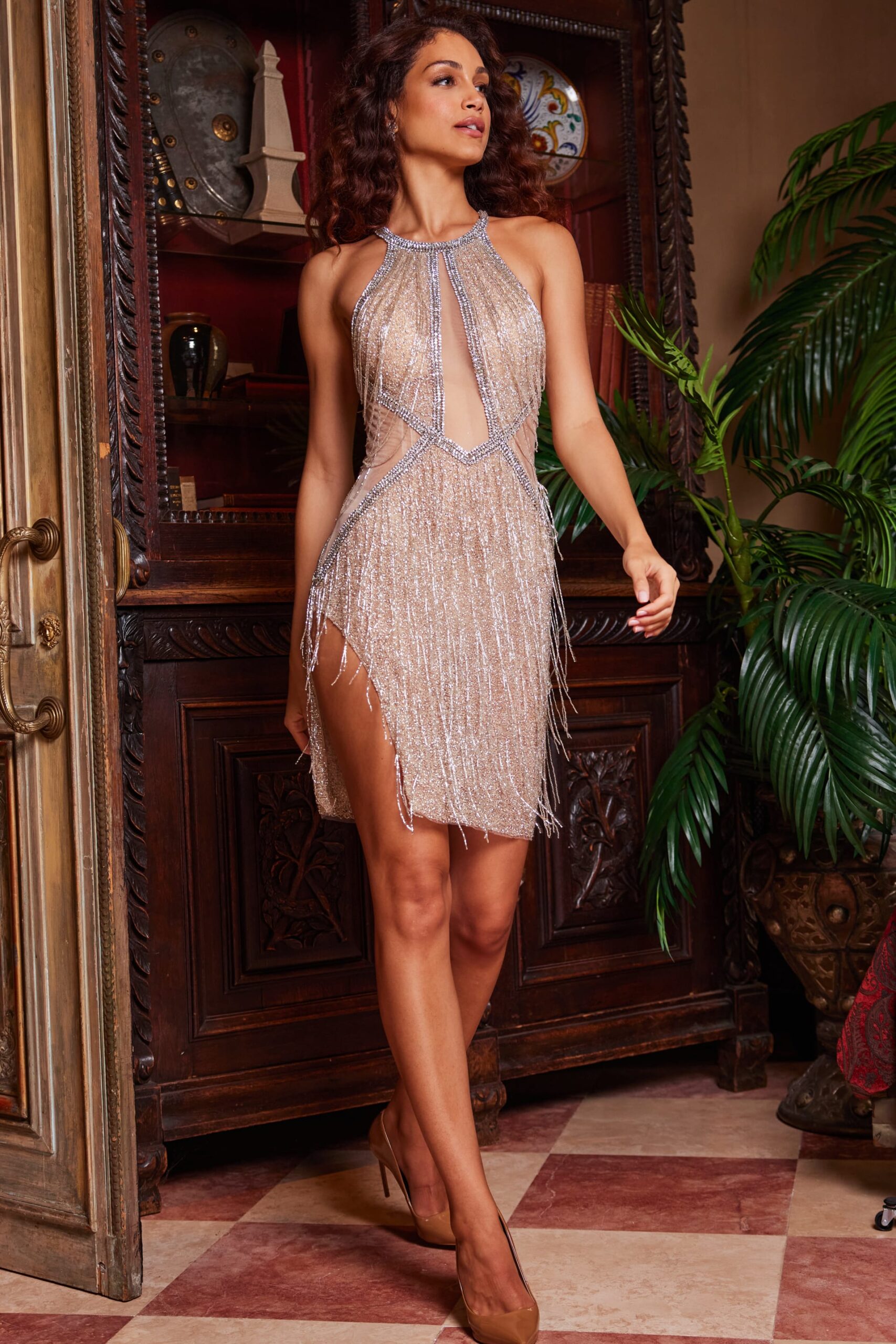
Before styling, one must understand the object itself. A cocktail dress, by its historical definition originating in post-war 1950s America, is attire suitable for semi-formal events typically held in the late afternoon or early evening, often where cocktails are served. The adjective “sexy” introduces a dimension of allure, which is scientifically and artistically nuanced. From a design perspective, sexiness in fashion is rarely about maximum exposure; it’s about strategic suggestion. This aligns with the concept of “peek-a-boo” allure discussed by psychologists like Dr. Justin Lehmiller on platforms like Psychology Today, where mystery and the hint of what’s concealed can be more powerful than full revelation. A sexy cocktail dress often employs elements like a cinched waist to reference the hourglass figure—a shape cross-culturally associated with fertility and attractiveness, as noted in evolutionary aesthetics research. Fabric plays a crucial role: the liquid drape of silk satin, the structured hold of a boned bodice, or the playful shimmer of sequins each communicate a different kind of confidence. Therefore, selecting your dress is the first act of styling. Consider the architectural lines: a sheath dress offers sleek, modern minimalism, while a fit-and-flare silhouette provides a classic, feminine drama. The neckline—be it a daring plunge, a sophisticated halter, or a delicate off-the-shoulder style—frames your face and dictates your accessory strategy.
Occasion Alchemy: Transforming Your Dress from Day to Night
The true test of a wardrobe staple is its adaptability. A single, well-chosen sexy cocktail dress can be the canvas for multiple personas. For a sophisticated garden party or a daytime wedding, the key is to temper the “sexy” with elements of softness and polish. Layer a tailored, cropped blazer in a complementary pastel or a stark white over a sleek slip dress. This juxtaposition, a technique often celebrated by style icons like Olivia Palermo, balances allure with authority. Swap stilettos for elegant block heels or embellished flats, and choose a structured clutch over a metallic minaudière. Your jewelry should whisper rather than shout: think delicate layered necklaces or simple pearl studs. Conversely, for an evening gala or a trendy nightclub, you are free to amplify the dress’s inherent drama. This is where the science of color psychology becomes your ally. As documented on authoritative educational sites like Berkeley’s Greater Good Science Center, colors evoke specific responses. A crimson red, long associated with confidence and passion (a link explored in films like Pretty Woman during the iconic opera scene), can be electrifying. Pair it with statement metallics—a gold cuff, a silver mesh clutch—and sky-high heels. A little black dress, the ultimate blank slate per Coco Chanel’s immortal endorsement, can be transformed with textural contrast: add a faux fur stole, intricate beaded jewelry, and smoky eye makeup. The goal is intentional modulation, using your dress as the constant in an equation where variables like outerwear, footwear, and accessories change the final sum.

The Architecture of Accessories: Building a Complete Look
Accessories are not afterthoughts; they are the load-bearing elements of your style architecture. The wrong choice can collapse the elegance of your ensemble, while the right one elevates it to art. Let’s begin with footwear, the foundation of your posture and silhouette. Nude pumps are a universally lengthening option, a trick consistently cited by stylists on fashion hubs like Who What Wear. However, for a sexy cocktail dress with a high slit, a strappy sandal that elongates the ankle can be profoundly impactful. Consider the words of legendary shoe designer Manolo Blahnik: “Shoes are the final touch, the punctuation mark of an outfit.” Your handbag should be proportional and practical; a clutched envelope style maintains clean lines. Jewelry requires a rule of focus. If your dress features intricate beading or a bold neckline, opt for dramatic earrings and forgo a necklace. This “one statement piece” philosophy is a cornerstone of modern styling, preventing visual clutter. Finally, consider the often-overlooked layer: shapewear. High-quality shaping garments are not about constriction but about creating a seamless canvas, allowing the dress to hang as the designer intended. As an industry insider, I can attest that investing in a seamless, breathable piece from brands like Spanx or Skims is as crucial as the dress itself, providing comfort and confidence that radiates outward.
Color, Fabric, and You: The Personal Palette
Beyond occasion, the most powerful styling tool is self-knowledge. A dress can be objectively stunning but fail to resonate if it doesn’t harmonize with your personal coloring and comfort. The seasonal color analysis theory, popularized in the 1980s and still utilized by personal stylists today, suggests that individuals have undertones (warm, cool, or neutral) that interact best with specific color families. While the science behind this is more art than hard physics, the perceptual effect is real. A cobalt blue sexy cocktail dress might make one person’s eyes sparkle while washing out another. Fabric choice is equally personal and situational. As the Metropolitan Museum of Art’s Costume Institute archives demonstrate, fabric dictates movement and mood. A heavy velvet dress conveys winter opulence, while a chiffon or silk georgette dress speaks of breezy summer elegance. Furthermore, your comfort is paramount. A dress you are constantly adjusting is a dress that wears you. The most captivating style is worn with forgetful ease—a principle echoed by fashion luminaries from Audrey Hepburn to Meghan Markle, who prioritize fit and feel over fleeting trends. When you feel physically at ease, your body language opens up, projecting an authentic and magnetic confidence that no accessory can buy.

Expert Voices and Timeless Inspiration
Styling is a dialogue between personal instinct and inherited wisdom. Looking to the masters provides a invaluable shortcut. Film is a rich repository of cocktail dress iconography. The emerald green satin dress worn by Keira Knightley in Atonement is a masterclass in color-driven, character-defining elegance. The sleek, minimalist dresses of Carolyn Bessette-Kennedy, as archived in university fashion literature from FIT or Parsons, demonstrate how simplicity, perfect fit, and impeccable posture create an unforgettable impression. On social media platforms like YouTube, certified stylists like Ashley Weston (who works with Hollywood A-listers) offer tangible advice on tailoring and proportion. She often states, “The difference between a good outfit and a great outfit is often just a quarter-inch of tailoring.” Similarly, on Twitter, editors from Vogue and Harper’s Bazaar frequently dissect red-carpet looks, providing a real-time education in what works. These perspectives are not rules to be followed slavishly, but lenses through which to refine your own eye. They teach us that a sexy cocktail dress is more than attire; it is a tool for non-verbal communication, a way to project narrative, mood, and intention before you utter a single word.
Smart Shopping: Investing in Your Style Arsenal
Building a versatile collection of go-to dresses doesn’t require limitless funds—it requires strategy. The cornerstone is investment in one or two impeccably made dresses in neutral or versatile colors (black, navy, a rich jewel tone). These are your wardrobe workhorses. For trend-driven pieces or more specific occasions, the savvy shopper looks to discount outlets, end-of-season sales, and reputable online retailers. Many high-street brands now produce exceptional quality “occasion wear” that mirrors designer aesthetics at a fraction of the cost. A key professional tip is to pay attention to fabric composition; a dress made of natural fibers like silk or high-quality polyester blends will drape better and last longer than one made entirely of cheap synthetics. Furthermore, consider the cost-per-wear. A $300 dress worn ten times is a better investment than a $100 dress worn once and forgotten. Keep an eye on flash sale sites and sign up for newsletters from your favorite brands to get alerts on promotions. Remember, the goal is a curated selection where each dress feels special and serves a distinct purpose, ensuring you are perpetually event-ready without last-minute panic or repetitive outfits.

Mastering the art of the sexy cocktail dress is an exercise in empowered self-presentation. It begins with understanding the garment’s design language, extends through the strategic application of color and accessory science, and is perfected by aligning these choices with your personal comfort and the demands of the moment. This knowledge liberates you from the anxiety of “what to wear,” replacing it with the creative joy of “how to express.” Your dress is your ally, a second skin of confidence. With these principles in hand, you can walk into any room, from the most subdued gallery to the most vibrant party, knowing your style is not just seen, but understood.