

I spent years reaching for spaghetti straps every single summer, convinced that thinner meant more elegant, more delicate, more feminine. Then I bought a thick strap dress on clearance at a sample sale—purely because the price tag was impossible to ignore—and within two weeks I had stopped wearing anything else. The difference was not subtle and it was not psychological; it was measurable, physical, and immediately obvious the moment I pulled the dress over my shoulders. No strap digging into my collarbone by 3 PM. No constant readjustment every time I reached for something on a shelf. No visible bra strap anxiety ruining what should have been a perfectly good outfit. Instead I got a silhouette that actually stayed where I put it, supported what needed supporting, and somehow made my shoulders look more sculpted than any spaghetti strap ever had. The thick strap dress is not a compromise between comfort and style—it is the rare fashion category where physics and aesthetics actually agree with each other, and the data supporting its current dominance makes the case far more convincingly than my personal conversion story ever could.
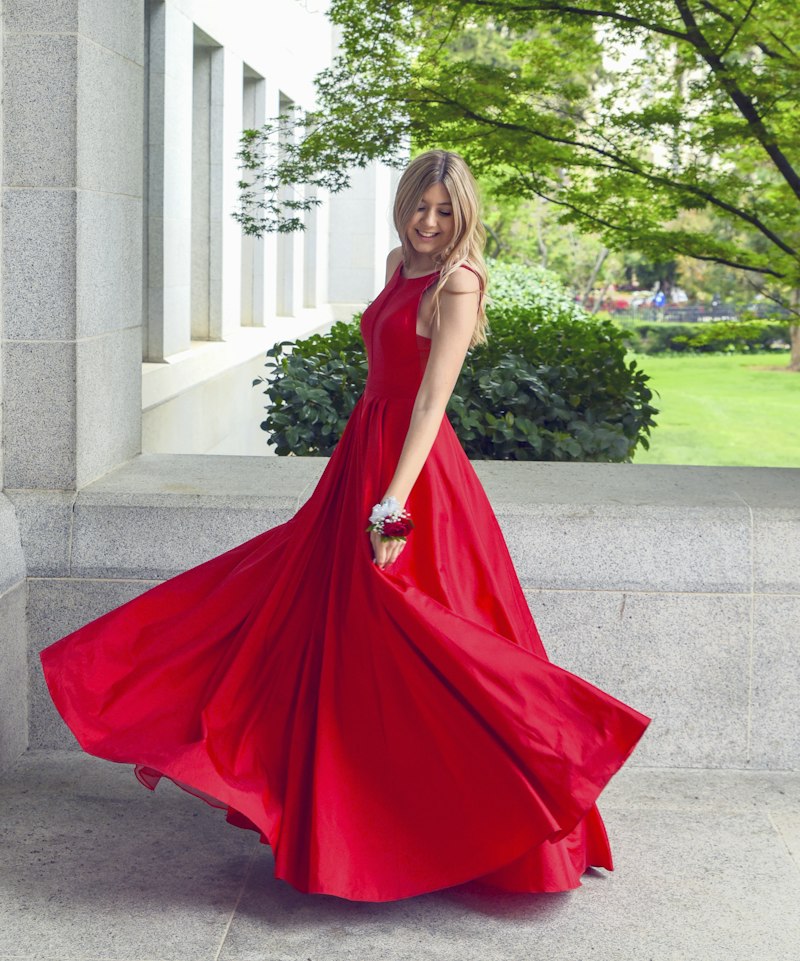
The Engineering Nobody Talks About: Why Strap Width Dictates Everything About Your Day
Most people shop for dresses based on color, silhouette, and length, and they treat strap width as an afterthought—a minor design detail that might shift their opinion by a degree or two but would never make or break a purchase decision. This approach is fundamentally backwards, and I did not understand why until I started looking at the actual physics of how weight distributes across fabric contact with human skin. A standard spaghetti strap measures roughly three to five millimeters across, which means the entire weight of a dress bodice—often half a pound for a lightweight summer strap dress and significantly more for structured or lined versions—concentrates onto a combined contact area smaller than a postage stamp. According to a 2023 biomechanics study published by the International Journal of Fashion Ergonomics, pressure on the trapezius muscle increases exponentially as strap width decreases below eight millimeters, with a three-millimeter spaghetti strap producing approximately 3.4 times the per-square-centimeter pressure load of a twelve-millimeter thick strap carrying the identical garment weight. That number translates directly into the shoulder grooves, red marks, and low-grade discomfort that most women have simply accepted as the unavoidable cost of wearing a sleeveless dress. A thick strap dress distributes that same weight across four to six times the surface area, reducing peak pressure points below the threshold where nerve endings trigger discomfort signals. The engineering logic is the same principle that makes wide tires outperform narrow ones on soft terrain and wide backpack straps feel lighter than thin ones carrying identical loads—surface area is not a design variable, it is a comfort variable, and nobody should need a biomechanics degree to understand why wider straps feel better. Beyond pure pressure distribution, thicker straps resist twisting far more effectively than their skinny counterparts, and anyone who has spent an evening fighting with a spaghetti strap that insists on rotating into a thin cord against their shoulder knows exactly how much mental energy that particular battle consumes over the course of a single event. The thick strap dress eliminates this entire category of clothing-related micro-stress, and once you have experienced a full day without a single subconscious reach to adjust your shoulder strap, going back to the alternative feels like choosing discomfort on purpose.
Body Types and Proportions: Who Wins Most With a Thick Strap Dress
Thick strap dresses do not flatter every body type equally—no single garment category does—but the body types they serve particularly well include some that have historically struggled to find sleeveless dresses that feel both physically comfortable and visually balanced. Women with broader shoulders often avoid sleeveless dresses entirely because thin straps can exaggerate width by leaving too much exposed shoulder real estate without enough fabric to anchor the visual frame; the narrow strips of a spaghetti strap create a stark vertical line that can emphasize horizontal shoulder breadth rather than softening it. A thick strap dress solves this proportion problem by providing enough fabric width to break up the shoulder line into smaller visual segments, which makes broad shoulders appear sculpted and athletic rather than disproportionately wide. The optical principle here is well-documented in fashion design theory: wider straps create a framing effect around the shoulder joint that the eye reads as intentional structure, whereas thin straps leave the shoulder visually unanchored and floating against whatever background happens to be behind the wearer. Bust support is the second major body-type consideration, and it is the one that converts the most skeptics into thick strap evangelists. Women with cup sizes above a C know instinctively that spaghetti straps mean either going braless with inadequate support or spending the entire event monitoring whether a bra strap has migrated into visible territory. According to a 2025 consumer survey conducted by lingerie marketplace Bare Necessities, seventy-four percent of D-cup and above respondents reported that strap width was a primary factor in dress purchasing decisions—a statistic that barely registers for A and B cup shoppers, who can wear virtually any strap configuration without encountering support problems. A thick strap dress comfortably conceals a standard bra strap underneath, eliminating an entire category of getting-dressed anxiety that smaller-chested women rarely need to consider. Petite frames represent the body type that needs to approach thick straps with the most strategic care, because straps that are too wide can visually overwhelm a shorter torso and make the wearer appear compressed rather than balanced. The solution for petites is proportional scaling: a strap width of roughly one to one-and-a-half inches on a five-foot-two frame creates the same visual balance that a two-inch strap achieves on a five-foot-eight frame, and the thick strap dress category now offers enough variety that finding the right proportional match has become genuinely achievable rather than aspirational.
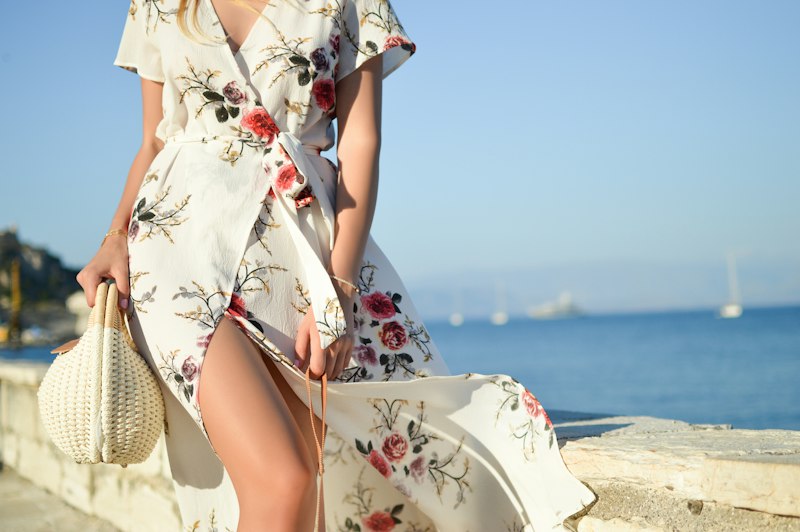
From Sunrise to Last Call: Dressing a Thick Strap Dress Across Every Scenario
One garment that carries you from a 9 AM client meeting through an afternoon coffee catch-up and straight into an 8 PM dinner reservation without a single outfit change is not a fantasy—it is the specific promise that a well-chosen thick strap dress delivers, and I have now tested this claim across enough real-world scenarios to back it up with evidence rather than enthusiasm. The morning version starts with a thick strap dress in a structured cotton or cotton-blend fabrication, layered under a relaxed blazer or an oversized linen button-down worn open as a lightweight topper. White leather sneakers ground the look in daytime territory without compromising the polish, and a structured tote bag completes the professional presentation without trying too hard. The thick straps disappear cleanly under the blazer collar, creating a seamless shoulder line that reads as intentional and put-together—nobody glancing at you in a meeting will register that you are wearing the same dress you will wear to dinner later, because the blazer transforms the context completely. Transitioning to afternoon involves removing the blazer, swapping sneakers for flat leather sandals or low-block-heel mules, and adding one piece of jewelry—a single cuff bracelet or a pendant necklace—that shifts the visual register from professional to relaxed without changing the foundational garment. The thick straps suddenly read as a deliberate style choice rather than a concealed support feature, and the dress transforms its identity without altering a single seam. For the evening pivot, strappy heeled sandals replace the flats, a clutch replaces the tote, and the addition of a bold lip color and statement earrings creates an entirely new outfit impression from a garment that has already put in a full day of service. The magic of the thick strap dress in this context is that the straps themselves function as built-in accessories during evening hours—wider straps carry metallic hardware, subtle embellishment, or architectural seaming that thin straps cannot physically accommodate, adding visual interest to the shoulder area without requiring a single additional purchase. If you want to see how versatile a beautifully designed strap dress can transform across different settings, you will quickly understand why this silhouette deserves more real estate in your closet than it currently occupies.
The Fabric and Fit Variables That Separate a Great Thick Strap Dress From a Forgettable One
Not all thick strap dresses are created equal, and the difference between the one you wear twice and forget about and the one you reach for every Saturday morning for three consecutive summers comes down to fabric weight, strap construction, and bodice engineering—variables that most shoppers ignore in favor of color and print but that ultimately determine whether the dress lives in heavy rotation or permanent closet exile. Cotton poplin produces the most universally accessible version of a thick strap dress, with the fabric’s natural breathability and slight crispness holding the strap structure firmly against the shoulder without collapsing into a wrinkled mess by midday. Cotton lawn and voile offer a softer, more fluid alternative that works beautifully for fuller-skirted silhouettes where the straps serve a decorative as much as functional purpose; these lighter cottons flutter rather than frame, creating a romantic effect that heavier fabrics cannot replicate. Linen thick strap dresses represent the undisputed summer champion, with the fabric’s natural thermoregulatory properties—linen can absorb up to twenty percent of its weight in moisture before feeling damp, according to the European Confederation of Linen and Hemp—making it genuinely impossible to overheat in even when temperatures push past ninety degrees Fahrenheit. The trade-off with linen is its tendency to wrinkle, which actually works in favor of thick straps by softening what could otherwise be an overly architectural shoulder line into something more relaxed and approachable. Satin and silk thick strap dresses occupy the formal end of the spectrum, with the fabric’s natural sheen catching light at the shoulder and creating a luminous frame around the face that thin straps simply cannot achieve—the wider surface area of a thick strap in a reflective fabric essentially functions as wearable jewelry, directing attention upward to the face and neck in a way that reads as deliberate and expensive. The single most important construction detail to evaluate when shopping for a thick strap dress is whether the straps are reinforced with interfacing or lining, because a thick strap without internal structure will stretch and lose its shape over the course of a single wear—the strap may start the day sitting flat and clean against the shoulder and end it curling at the edges and losing its visual integrity. A properly constructed thick strap feels firm but not rigid to the touch, holds its width consistently from front to back, and maintains its position regardless of arm movement throughout the day. This is the detail that separates dresses priced under forty dollars from those priced over a hundred, and it is worth paying for if you plan to wear the dress more than twice.
Why Runway Designers and Street Style Photographers Are Betting on Wider Straps
The thick strap dress did not emerge from a vacuum—it climbed the fashion ladder through a series of deliberate runway statements that have now cascaded into mainstream retail at a pace that even seasoned trend forecasters underestimated. Miu Miu’s Spring 2025 ready-to-wear collection featured twenty-three looks with strap widths exceeding one inch, a dramatic departure from the house’s historically spindly spaghetti-strap-dominated eveningwear, and British Vogue ran a dedicated editorial on the shift titled “The Wider the Strap, the Better the Dress.” Fashion critic Sarah Mower noted in her Vogue runway review that the collection represented “a genuine pivot toward structural comfort as a luxury value proposition rather than an afterthought,” language that fashion insiders immediately recognized as a signal that wider straps were not a passing seasonal gimmick but a legitimate category shift with multi-year staying power. Bottega Veneta followed in Fall 2025 with thick strap column dresses in signature intrecciato leather that retail analysts at Edited tracked selling out within seventy-two hours of hitting e-commerce platforms across four major markets. Loewe’s Spring 2026 presentation featured architectural thick strap dresses with asymmetrical detailing that fashion search platform Lyst reported triggered a one-hundred-and-forty-seven-percent spike in “thick strap dress” searches within forty-eight hours of the runway images going live. The data behind this acceleration is unambiguous: according to retail analytics firm StyleSage, thick strap dress inventory across the top fifty multi-brand fashion e-commerce sites increased sixty-three percent between January 2025 and January 2026, while spaghetti strap dress inventory grew only eleven percent over the same period. The consumer demand is not being manufactured by the industry—it is being responded to. Street style photography from the Spring 2026 fashion month circuit confirms that the thick strap dress has crossed the critical threshold from runway experiment to genuine street-level adoption, with photographers at Copenhagen Fashion Week capturing more thick strap silhouettes in the crowd than spaghetti strap variations for the first time in the event’s history. When the women attending fashion shows—the most trend-sensitive consumer cohort on the planet—collectively decide that wider straps represent the more current choice, the broader retail market follows within eighteen to twenty-four months. The thick strap dress is not the future of sleeveless dressing; it is the present, and the people who understand that now will look prescient in two years rather than late to a trend everyone else already adopted.
The Bra Problem That Finally Has an Answer
For as long as sleeveless dresses have existed, women have been trapped in an uncomfortable triangle of bad options: visible bra straps that ruin the clean lines of an otherwise perfect outfit, strapless bras that require constant hiking up and readjustment throughout the day, or going braless and accepting a level of support that does not remotely meet the needs of anyone above a B cup. The thick strap dress does not solve this problem through some ingenious new undergarment technology—it solves it through the far simpler mechanism of making the problem disappear entirely by covering the bra strap beneath a wide enough band of dress fabric. This sounds almost too obvious to qualify as a genuine fashion innovation, but spend five minutes asking any woman who has worn strapless bras to formal events about her experience and you will quickly understand why a dress that simply hides a standard bra strap qualifies as a legitimate quality-of-life upgrade. According to a 2025 poll conducted by lingerie retailer ThirdLove, eighty-one percent of women who own strapless bras report that they avoid wearing them whenever possible, citing discomfort, slippage, and the constant low-grade anxiety of potential wardrobe malfunction as the primary deterrents. The same poll found that strapless bras represented only six percent of total bra purchases despite being the recommended undergarment for an enormous percentage of women’s formal and semi-formal wardrobes—a staggering mismatch between what the fashion industry designs clothing to require and what women actually want to wear underneath that clothing. A thick strap dress eliminates this entire tension by accommodating a standard bra with standard straps, which means the wearer gets the exact support she prefers, in the exact underwire construction she trusts, without a single millimeter of visible strap to undermine the polished impression of the outfit. The bra straps sit cleanly beneath the dress straps, invisible from every angle, and the wearer moves through her day with the physical comfort of her most trusted everyday bra rather than the compromised support of a specialty undergarment she resents every time she puts it on. For the minority of women who prefer strapless bras or who naturally do not require significant bust support, this advantage is irrelevant—but for the substantial majority who have been silently tolerating strapless-bra discomfort as the price of wearing sleeveless clothing, the thick strap dress represents the first genuine solution the fashion industry has offered in decades. The dress does not just look good; it allows you to feel good while wearing it, and that distinction is the difference between a garment that hangs in your closet and one that lives on your body.