

5 Chic Semi-Formal Dresses for Effortless Style
Navigating the world of dress codes can often feel like deciphering a cryptic language. “Semi-formal” stands as one of the most frequently encountered yet ambiguously defined terms, leaving many to wonder about the perfect ensemble. The quest isn’t for the overtly casual or the strictly black-tie, but for that sweet spot of polished ease—effortless style. This article curates five distinct categories of semi-formal dresses that serve as sartorial solutions, blending aesthetic appeal with practical intelligence. We will dissect the very fabric of semi-formal attire, grounding our exploration in objective definitions and cultural references, while providing you with the knowledge to build a versatile and confident wardrobe.
Decoding “Semi-Formal”: More Than Just a Dress Code
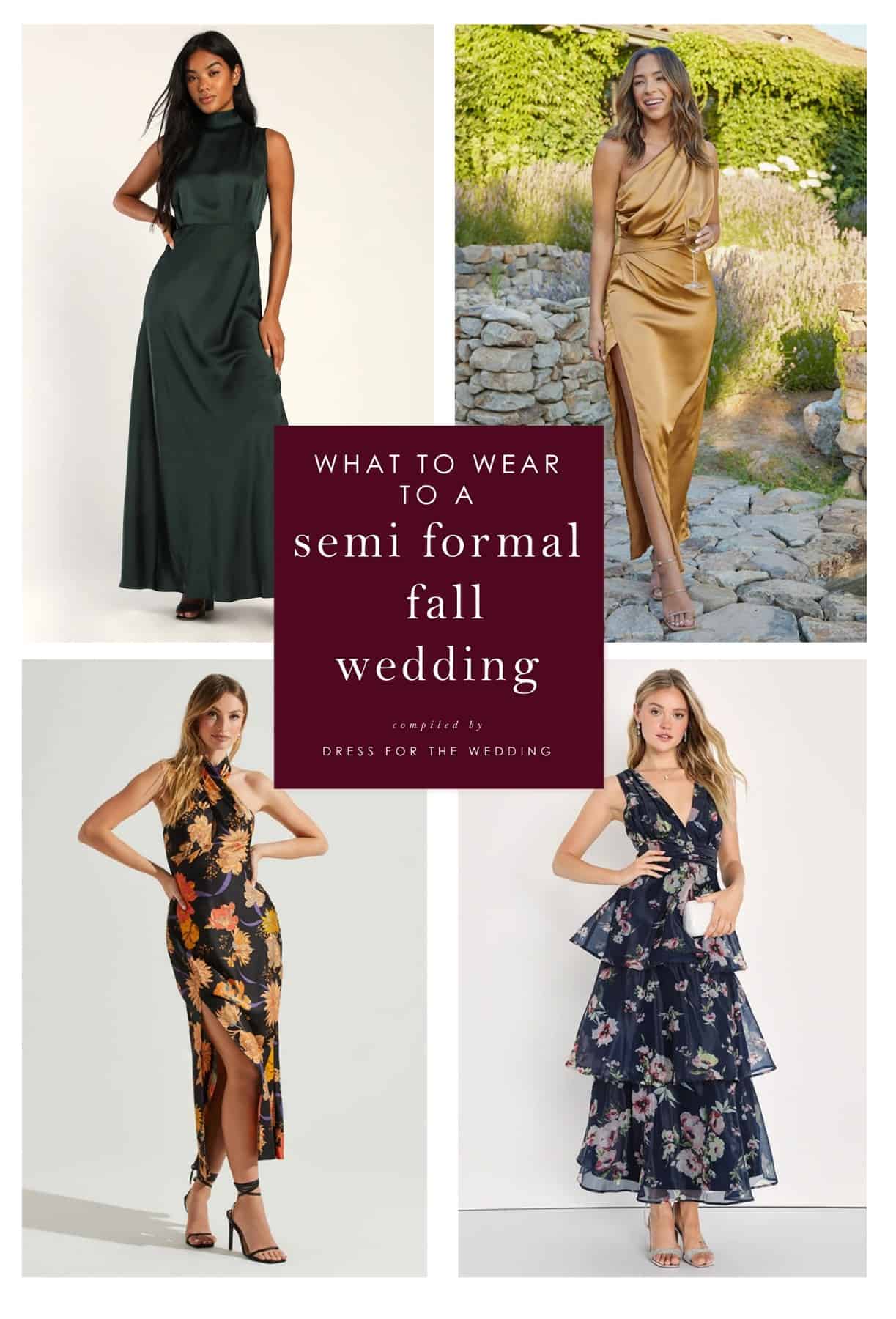
Before delving into specific styles, establishing a clear, evidence-based understanding of “semi-formal” is crucial. Unlike black-tie, which has rigid rules documented by authorities like Emily Post, or casual, which is broadly interpretable, semi-formal occupies a middle ground often described as “dressy casual” or “cocktail attire.” According to Wikipedia’s entry on Western dress codes, semi-formal for daytime events may equate to a lounge suit, but for evening events, particularly for women, it aligns closely with cocktail attire—dresses that are knee-length to tea-length. This definition is echoed across platforms like Quora, where fashion consultants emphasize that semi-formal dresses should be elegant but not overly ornate, suitable for events like garden parties, sophisticated dinners, or evening weddings. The renowned fashion historian and director of the Museum at the Fashion Institute of Technology, Valerie Steele, has often noted in interviews that post-war fashion saw the rise of the cocktail dress as a distinct category, embodying the semi-formal spirit by offering a bridge between daywear and grand evening gowns. Therefore, the core of a semi-formal dress lies in its intentional design: it is considered, refined, and context-aware, allowing the wearer to feel appropriately elevated without sacrificing comfort or personal expression.
The Timeless Wrap Dress: Engineered for Elegance
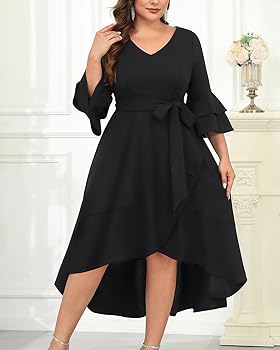
First on our list is the wrap dress, a design immortalized by Diane von Fürstenberg in the 1970s. Its genius lies not merely in its appearance but in its democratic and flattering architecture. The defining feature—a front closure formed by wrapping one side of the dress across the other and tying it at the waist—creates a universally appealing V-neckline and a cinched silhouette that adapts to various body shapes. From a scientific perspective, this design utilizes principles of visual perception; the deep V-neck elongates the torso and draws the eye vertically, while the defined waist creates an hourglass illusion, a silhouette often associated with classical beauty standards across cultures. A wrap dress in a solid jewel tone or a subtle abstract print fits the semi-formal bill perfectly. It’s sophisticated enough for a gallery opening or a dinner date yet avoids the formality of sequins or heavy beading. As von Fürstenberg herself famously stated, “I didn’t really know what I wanted to do, but I knew the woman I wanted to be.” The wrap dress became a tool for that becoming—a symbol of effortless power and grace. For the modern wearer, it offers a one-step solution; there are no complex fastenings, and the adjustable fit accommodates minor fluctuations, making it a reliable staple. Pair it with block-heel sandals and a structured clutch, and you achieve a look that is both put-together and inherently comfortable.
The Modern Midi Slip Dress: Minimalist Sophistication
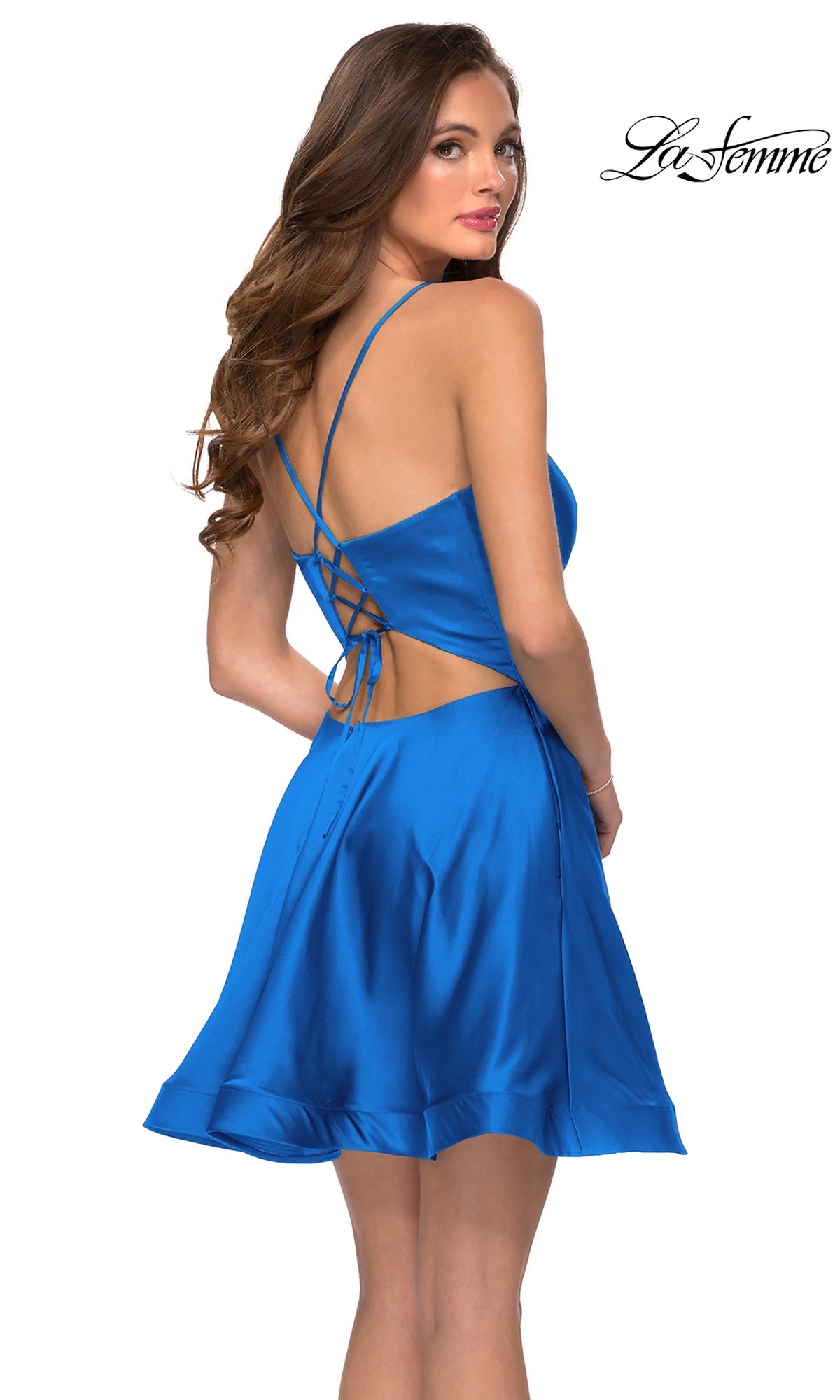
Emerging from the lingerie-inspired trends of the 1990s, the slip dress has been reinvented for the semi-formal arena in its midi-length iteration. This style champions the beauty of minimalism. Typically crafted from fluid fabrics like satin, charmeuse, or silk, it drapes the body with a soft, sensual ease. The simplicity of its lines—often just slender straps and a clean, columnar or slightly A-line skirt—demands confidence, as the focus shifts entirely to the quality of the fabric and the wearer’s posture. This aligns with the minimalist philosophy in design, which, as articulated by architect Ludwig Mies van der Rohe, follows the mantra “less is more.” In fashion, this translates to garments where cut and material are paramount. A satin semi-formal dress in this vein, in colors like champagne, slate grey, or deep emerald, exudes quiet luxury. It avoids the extravagance of a ballgown but possesses an inherent evening-appropriate sheen. The key to keeping it semi-formal rather than purely casual lies in styling and context. As noted by editors at Vogue and Harper’s Bazaar, the modern slip dress is often layered with a tailored blazer for daytime events or worn alone with fine jewelry for evening. Its versatility is its strength; it serves as a canvas. For a contemporary twist, look for styles with a subtle high-low hem or delicate lace trim at the bust, which adds detail without complicating the minimalist ethos.
The Structured Shirt Dress: Polished Androgyny
For those who gravitate towards clean lines and a sharper silhouette, the structured shirt dress is a paramount choice for semi-formal occasions, especially daytime or business-adjacent events. This style borrows elements from menswear—the collar, the button placket, the potential for a tie belt—and reinterprets them through a feminine lens. The structure comes from tailored seams, darts, and often a slightly stiffened fabric like cotton poplin, faille, or a lightweight wool blend. This creates a architectural quality that feels authoritative and polished. The psychological impact of “enclothed cognition,” a concept studied by researchers like Hajo Adam and Adam D. Galinsky at Northwestern University, suggests that the clothes we wear can influence our psychological processes. A structured garment like a shirt dress can actually enhance feelings of competence and confidence. For a semi-formal setting, the ideal shirt dress falls at or just below the knee and features refined details: French cuffs, a back vent for ease of movement, or pleating at the shoulders. It moves away from the casual, relaxed fit of a weekend shirt dress. Styling it with heeled loafers or ankle-strap pumps and a statement leather tote bridges the gap between corporate and cocktail. This dress proves that effortless style can be rooted in precision and thoughtfulness, offering a powerful alternative to more traditionally feminine silhouettes.
The Floral Tea-Length Dress: Romantic Nuance
When the occasion carries a note of romance or celebration—such as a spring wedding, a garden party, or a festive brunch—a floral tea-length dress is an impeccable semi-formal selection. The tea-length, which falls between the mid-calf and ankle, is historically resonant, evoking the feminine elegance of the 1950s. This length is inherently graceful, allowing for movement while maintaining a formal modesty. The floral pattern connects to a long tradition in art and fashion, from William Morris’s textiles to the dreamy prints of designers like Erdem. The choice of floral is critical for the semi-formal tier: opt for prints that are artistic and scaled appropriately, such as painterly watercolor blooms, delicate ditsy florals, or sophisticated dark florals on a muted background, rather than bold, cartoonish prints suited for daytime casual. The dress might feature design elements like a sweetheart neckline, cap sleeves, or a fit-and-flare skirt that adds volume without the weight of a full ballgown. As Audrey Hepburn’s iconic garden party styles in films like Funny Face demonstrate, this look balances charm with composure. It’s a semi-formal dress that speaks a language of refined joy. Styling should complement, not compete; think nude pumps, a simple clutch, and perhaps a single strand of pearls to anchor the romanticism in classic elegance.
The Luxe Knit Midi Dress: Contemporary Comfort
Finally, we embrace the modern innovation of the luxe knit midi dress. This category shatters the old notion that knitwear is solely for casual comfort. Advances in textile manufacturing have given rise to knits made from fine-gauge merino wool, silk blends, or high-quality viscose that drape like liquid and possess a sleek, polished finish. The appeal here is twofold: unparalleled comfort and a modern, minimalist aesthetic. The fabric moves with the body, offering a sense of ease that structured wovens sometimes cannot, making it ideal for longer events where you want to feel at home in your outfit. From a materials science perspective, these advanced knits offer excellent breathability, shape retention, and a wrinkle-resistant quality, as highlighted in textile studies from institutions like the Royal College of Art. A body-skimming ribbed knit dress in a dark hue or a turtleneck midi dress in a cashmere blend redefines what a semi-formal dress can be. It is understated, intelligent, and deeply contemporary. This style resonates with the “quiet luxury” trend championed by brands like The Row and Khaite, which prioritize exquisite material and cut over overt branding. Style it with sleek knee-high boots for fall or minimalist sandals for summer, adding a tailored coat or a fine gold chain necklace. It proves that effortlessness can be the highest form of luxury, bringing professional-level sophistication to your wardrobe at a range of price points, with many high-street brands now offering excellent quality knit options that make this look accessible.
Curating Your Effortless Arsenal
The journey through these five styles—the wrap, the slip, the shirt, the floral tea-length, and the luxe knit—reveals that effortless style is not about a lack of effort, but about strategic choices that yield maximum impact with perceived ease. Each dress type serves as a tool for different facets of the semi-formal spectrum, grounded in historical precedent, psychological effect, and material science. The objective is to build a capsule where these semi-formal dresses operate as reliable anchors. When shopping, prioritize fabric quality and fit over fleeting trends; these are the elements that confer longevity and true elegance. Remember, the goal is to own pieces that make you feel authentically powerful and appropriately adorned for life’s nuanced social landscapes. With these five chic templates in mind, you are equipped to navigate any “semi-formal” invitation with confidence, proving that personal style, when informed by knowledge, is the most effortless thing of all.