

5 Chic Short Dresses Every Woman Needs This Season
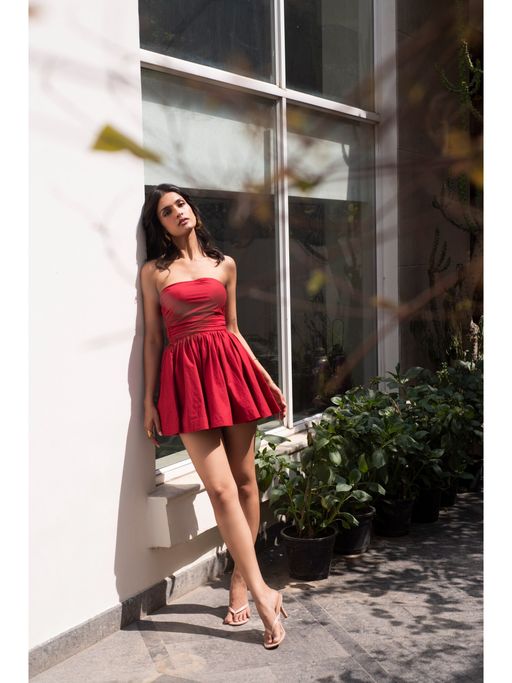
As the seasons shift, so does the sartorial landscape. This season isn’t about a complete wardrobe overhaul, but a strategic curation of pieces that offer maximum versatility, style, and confidence. At the heart of this curated collection lies a singular, powerful item: the short dress for women. More than just a garment, it is a tool for self-expression, a canvas for personal style, and a testament to practical elegance. Forget fleeting micro-trends; we are focusing on five foundational silhouettes of short dresses for women that are rooted in design principles, backed by cultural and fashion historiography, and essential for navigating the social and professional spheres of the coming months with unparalleled chic.
The A-Line Shift: Architectural Simplicity
The A-line shift dress, characterized by its clean lines that fall straight from the shoulders, subtly flaring out to form an “A” shape, is a masterpiece of architectural fashion. Its origins are often traced to the 1960s, a era defined by designers like Mary Quant and André Courrèges who championed a liberation from the restrictive silhouettes of the past. As the Victoria and Albert Museum notes in its fashion archives, this shift represented a “youthquake” in style, moving towards simplicity and freedom of movement. Scientifically, its appeal lies in its universal flattery. The silhouette creates a vertical line that elongates the body, while the gentle flare from the chest down helps to balance proportions, making it an objectively sound choice for a wide range of body types. From a first-person perspective, slipping into a crisp cotton or linen A-line shift is an exercise in effortless dressing. It requires no second-guessing; it is a complete outfit in one piece. You can accessorize minimally with a statement necklace and block heels for a gallery opening, or pair it with sleek sneakers for a weekend brunch that transitions seamlessly into errands. Its simplicity is its strength, offering a blank slate that allows your personality to take center stage. For the professional woman, a shift in a wool-blend or structured ponte fabric becomes a powerful alternative to the suit, projecting competence and modern sophistication.

The Wrap Dress: Engineered Flattery
No discussion of essential short dresses for women is complete without paying homage to the wrap dress, a design so ingeniously flattering it borders on democratic. Its most famous proponent, Diane von Fürstenberg, did not merely create a dress; she engineered a phenomenon. In her own words, documented in interviews and her book “The Woman I Wanted to Be,” she set out to create “a dress that was like a jersey T-shirt… but a dress.” The result was a garment that wrapped and tied, eliminating the need for zippers or buttons and, most importantly, adapting to the individual wearer’s form. The objective science here is in the customizable fit. The deep V-neckline elongates the torso and draws the eye vertically, while the wrap cinches at the smallest part of the waist, creating an hourglass illusion. The skirt portion, often cut on the bias, drapes and moves with the body. This isn’t just anecdotal praise; the principles of optical illusion in fashion design, as taught in institutions like the Fashion Institute of Technology, support these effects. When you, the wearer, tie that sash, you are quite literally tailoring the dress to your body in that moment. It is a second-skin confidence booster, perfect for a date night where you want to feel irresistibly polished, or a client dinner where perceived confidence translates to professional credibility. Available in endless prints from classic leopard to bold florals, the wrap dress is a perennial workhorse in the wardrobe of the modern woman.
The Shirt Dress: Polished Androgyny
Borrowed from the boys but perfected for the feminine form, the shirt dress is the epitome of polished androgyny. Its lineage is directly tied to the utilitarian work shirts of the early 20th century, evolving through the decades to become a symbol of intelligent, relaxed style. Think of iconic figures like Katharine Hepburn, who championed trousers and shirtwaists, embodying a blend of sharp tailoring and innate grace. The shirt dress operates on a principle of structured ease. It typically features a collar, a button-down front, and a defined waist—often with a belt—creating a silhouette that is both authoritative and approachable. From a third-person perspective, a woman in a well-fitted shirt dress communicates a specific ethos: she is put-together without being fussy, capable, and creatively minded. The beauty of this style of short dress for women is in its transformative ability. Cuff the sleeves, leave a few buttons undone, and pair with rugged ankle boots for a look that channels a creative director at a flea market. Belt it tightly, add pearl earrings and loafers, and you have an outfit suitable for a non-profit board meeting. The fabric choices further dictate its role: a crisp poplin for office-ready sharpness, a soft chambray for weekend ease, or a flowing satin for an unexpectedly elegant evening look. It is a dress that respects tradition while allowing for substantial personal reinterpretation.

The Slip Dress: Layering Foundation
Once the most intimate of undergarments, the slip dress was catapulted into the spotlight in the 1990s, worn as outerwear by style icons like Kate Moss and Carolyn Bessette-Kennedy. This evolution, chronicled in fashion retrospectives from Vogue to academic papers on 90s minimalism, speaks to a cultural shift towards underwear-as-outerwear and a celebration of delicate, body-conscious silhouettes. Objectively, the slip dress is a study in minimalism and line. Cut from bias silk, satin, or fine jersey, it is designed to skim the body’s contours. Its scientific—or rather, artistic—merit lies in its role as the perfect layering piece. On its own, a simple black slip dress is the pinnacle of effortless evening wear, a concept echoed by designers like Calvin Klein, whose 90s collections championed this “less is more” aesthetic. However, its true genius for the contemporary wardrobe is revealed in its layering potential. This is where you, the style architect, can build. Layer it over a fine-gauge turtleneck for a Parisian-inspired fall look. Throw it under a chunky knit sweater, allowing only the delicate straps and hem to peek out, adding a touch of feminine contrast to a cozy outfit. Wear it with a crisp white T-shirt underneath for a playful, modern take. The slip dress is not a solitary item; it is a foundational component, a versatile short dress for women that multiplies the possibilities of your entire closet.

The Fit-and-Flare: Timeless Femininity
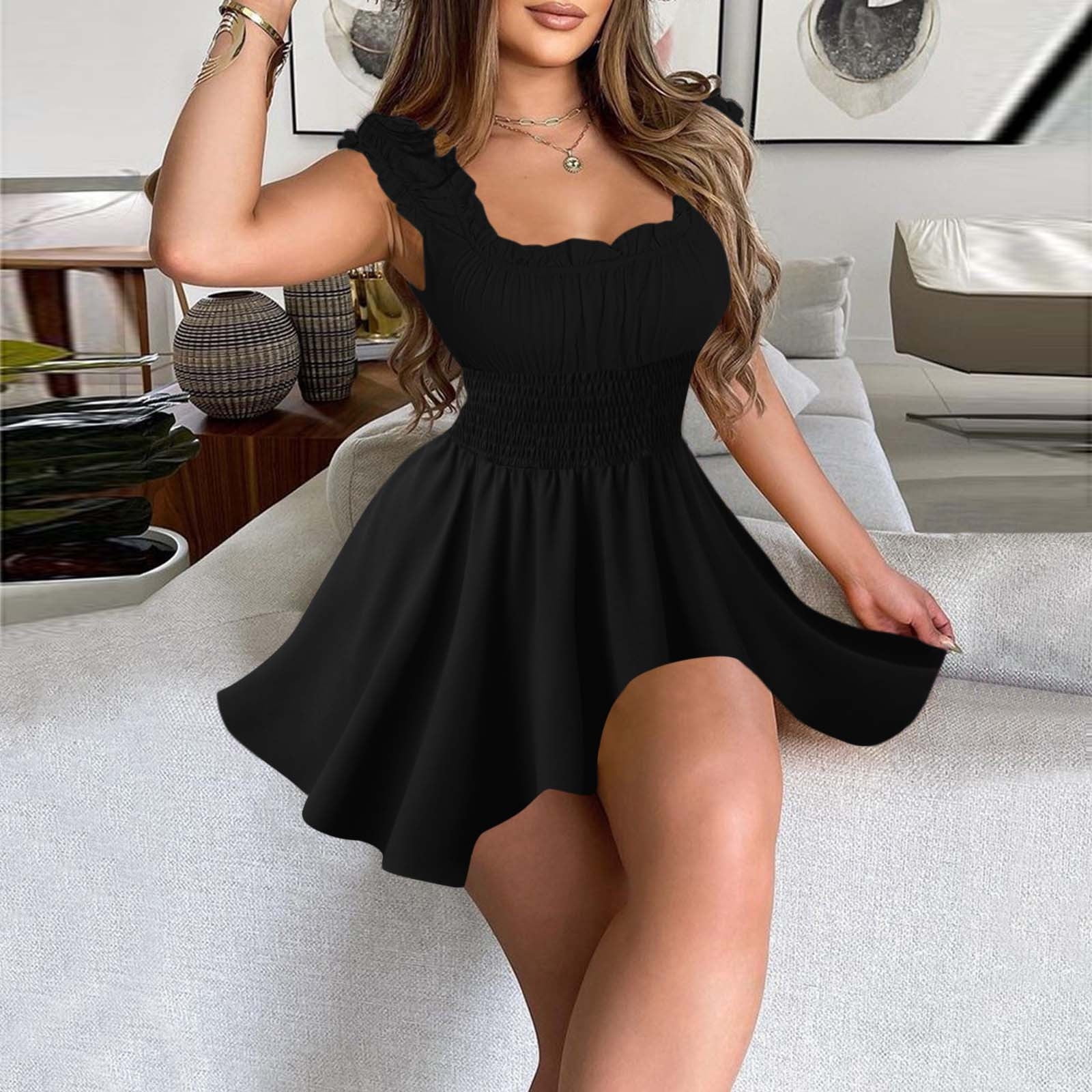
For a silhouette that speaks directly to a classic, joyous femininity, the fit-and-flare dress is non-negotiable. With a fitted bodice that cinches at the waist and a skirt that “flares” out generously, this design has roots in the post-war New Look by Christian Dior, which celebrated a return to overtly feminine, luxurious shapes after years of austerity. The psychological impact of this silhouette, as discussed in forums like Quora and style analyses on platforms like Who What Wear, is often one of feeling “pretty” and “celebratory.” There’s a reason it’s a go-to for garden parties, weddings, and dates: it creates a dynamic, moving shape that feels special. The fitted top provides structure and definition, while the flared skirt introduces movement and volume, a combination that is objectively balanced and visually engaging. When you spin in a fit-and-flare, you experience a small moment of pure, unadulterated delight—a feeling famously captured in films like Pretty in Pink or the twirling scenes in countless classic Hollywood musicals. For everyday wear, a fit-and-flare in a mid-weight cotton or jersey strikes the perfect balance between comfort and polish. It is a dress that doesn’t require you to sacrifice a sense of occasion for practicality. It is, in essence, the most overtly romantic of the essential short dresses for women, yet when rendered in a geometric print or a dark, solid color, it loses none of its sophistication.
Building Your Season on a Foundation of Style
Curating a wardrobe is an exercise in intentionality. The five silhouettes outlined—the A-Line Shift, the Wrap Dress, the Shirt Dress, the Slip Dress, and the Fit-and-Flare—are not mere suggestions but foundational pillars. Each is supported by decades of design evolution, cultural significance, and principles of flattering fit. They transcend the capricious nature of trends, offering instead a lexicon of style from which you can build infinite expressions of yourself. Investing in quality versions of these short dresses for women means investing in versatility, confidence, and a streamlined approach to daily dressing. Look for natural fibers, impeccable stitching, and cuts that honor your unique proportions. With these five dresses as your core, you are not just following a seasonal guide; you are assembling a toolkit for a stylish, adaptable, and empowered presence, ready for whatever the season brings your way.