

Mastering the Art of Shift Dresses for Every Season
In the ever-evolving landscape of fashion, few garments offer the timeless versatility and effortless elegance of the shift dress. Its deceptively simple silhouette—a straight cut that hangs from the shoulders, typically without a defined waist—belies a profound capacity for adaptation. This article is not merely about wearing a dress; it is about cultivating a sartorial philosophy centered on one of the most democratic and enduring pieces in modern womenswear. We will dissect its anatomy, explore its seasonal metamorphosis, and arm you with the knowledge to build a capsule wardrobe that is both intellectually curated and viscerally satisfying, blending professional insight with strategic acquisition.
The Architectural Foundation: Deconstructing the Shift Dress
To master the shift dress, one must first understand its architectural DNA. Originating in the 1920s, it was a sartorial rebellion against the restrictive corsets and complicated layers of the previous era. Designers like Coco Chanel and Jean Patou championed this relaxed, tubular silhouette, which allowed for unprecedented freedom of movement. As the Victoria and Albert Museum notes, this was not just a change in style but a reflection of the seismic social shifts post-World War I, as women entered the workforce and demanded practical, yet chic, clothing. The core principle is its lack of waist definition; it skims rather than clings, creating a clean, graphic line from shoulder to hem. This very absence of structure is its greatest strength, serving as a blank canvas. The fabric becomes paramount—a stiff brocade will create a boxy, architectural form, while a fluid silk charmeuse will drape and flow, suggesting the body beneath without contouring it. The neckline (boat, scoop, or V), sleeve length (from cap to long), and hemline (mini to midi) are the variables that inject personality. This foundational understanding allows us to move beyond seeing it as a simple garment and to appreciate it as a tool for self-expression, one that can be strategically deployed across the calendar.

Spring: The Awakening in Blossoms and Pastels
As the frost recedes and the first buds appear, the spring shift dress embodies renewal. This is the season for playfulness and optimism. The objective here is to capture the lightness of being. Opt for dresses in natural fibers like cotton poplin or lightweight linen, which offer breathability as temperatures fluctuate. The color palette should draw from the awakening garden: soft lavender, mint green, sky blue, and pale yellow. Floral prints, particularly large-scale, artistic botanicals, are a quintessential choice. As style icon Iris Apfel once quipped, “More is more and less is a bore,” encouraging a joyful embrace of pattern. A midi-length shift in a vibrant floral print, perhaps with a delicate puff sleeve, strikes the perfect balance between coverage and breeziness. The key scientific consideration is layering for microclimates. A sleeveless shift dress becomes a versatile base. Pair it with a tailored, unlined blazer for professional settings or a lightweight cashmere cardigan for cooler evenings. Footwear shifts from booties to slingback flats or low-block heels in a complementary neutral. The look is intentionally fresh, signaling a shedding of winter’s weight both physically and metaphorically. It’s about presenting a version of oneself that is open, bright, and ready for the gentle adventures of spring.
Summer: The Zenith of Effortless Cool
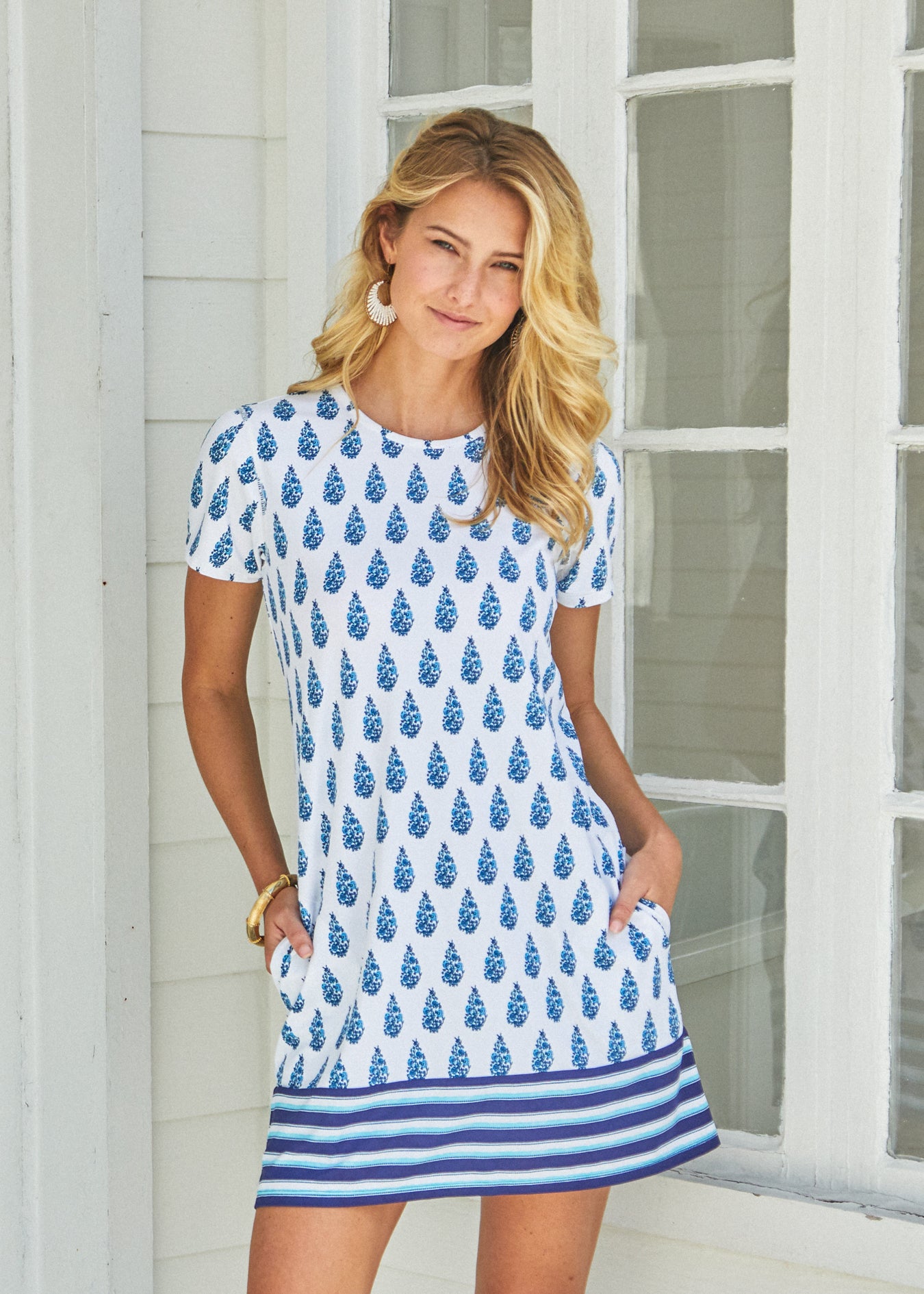
Summer demands a uniform of ease, and the shift dress rises to the occasion as the ultimate heat-wave hero. The guiding principles are ventilation, sun protection, and chic simplicity. Fabrics must be supremely breathable: think linen, cotton voile, or Tencel™ lyocell, a scientifically engineered fiber from sustainable wood pulp known for its moisture-wicking properties. Silhouettes can be shorter, with hemlines sitting above the knee to maximize airflow. Sleeveless or short-sleeved designs dominate. Solid colors in stark white, navy, or bold citrus tones make powerful statements, while graphic stripes or abstract prints channel a Riviera-inspired nonchalance. The late designer and minimalist pioneer Phoebe Philo, during her tenure at Céline, mastered this art of “effortless” luxury, often using clean-lined shifts that implied a sophisticated, off-duty sensibility. The summer shift is the epitome of this philosophy—it looks deliberate yet requires minimal thought. Style it with leather sandals, a wide-brimmed hat, and oversized sunglasses. For an evening transition, swap sandals for metallic slides and add statement earrings. Its beauty lies in its resilience; it can be packed without fear of crushing, worn from a beach lunch to a sunset cocktail, and washed with ease, making it the workhorse of the seasonal wardrobe.
Autumn: The Layered Narrative in Texture and Tone
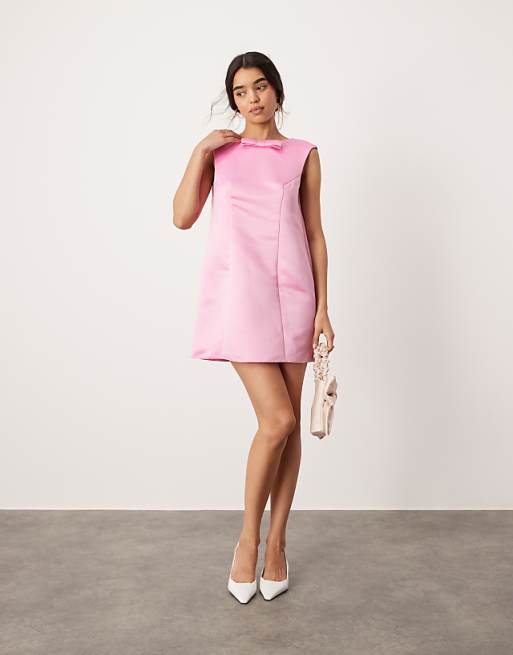
Autumn invites a richer, more layered dialogue with fashion. The shift dress evolves from a standalone piece to the central panel in a textural tapestry. This season is defined by depth and warmth. Fabrics gain substance: wool crepe, corduroy, thick jersey, and velvet become appropriate. The color story deepens into earthy terracotta, forest green, burnt orange, and plum, mirroring the changing foliage. A long-sleeved, knee-length shift in a solid merino wool becomes a foundational layer. The mastery here is in the art of juxtaposition. As Tim Gunn, famed fashion consultant and co-host of Project Runway, often emphasizes, “Make it work!” through strategic styling. Layer a turtleneck underneath for added warmth and a preppy edge. Throw a chunky, oversized knit cardigan or a sleek leather moto jacket over the shoulders. Tights—opaque or subtly sheer—and ankle boots ground the look. The shift dress provides the clean, structured base that prevents these layers from appearing bulky or chaotic. It’s a canvas for personal narrative, allowing you to incorporate heritage tweeds, folk-inspired embroidery, or geometric Art Deco prints. The autumn shift is intellectual dressing; it considers the environment and responds with composed, adaptable elegance.
Winter: The Defiant Elegance of Structure and Insulation
Winter presents the ultimate test for the shift dress: maintaining elegance while defying the cold. This is where its architectural nature shines brightest. Abandon lightweight summer fabrics for structured, winter-appropriate materials: heavy wool blends, bonded knits, or even fine-gauge cashmere. The silhouette can afford to be slightly more defined, perhaps with subtle princess seaming or a slightly A-line skirt to accommodate thermal layers underneath. Darker hues like charcoal, black, and navy are classic, but a jewel-toned shift in emerald or ruby can be a powerful antidote to gray skies. The styling science revolves around intelligent insulation. The concept of “thermal layering,” well-known in outdoor apparel, applies here. Start with a thin, heat-tech base layer, add the dress, and then insulate with tailored outerwear—a wool coat or a padded gilet. Opaque tights or sleek leggings are essential, paired with knee-high boots or polished loafers with warm socks. A statement piece like the shift dress elevates the entire winter wardrobe from mere survival to sophisticated style. It proves that warmth need not sacrifice form, offering a sharp, polished alternative to bulky sweaters and jeans on days when you need to command a room, whether a boardroom or a holiday party.
The Strategic Wardrobe: Knowledge as the Ultimate Accessory
Mastery transcends mere possession; it lies in strategic curation and informed acquisition. Building a capsule of shift dresses is an exercise in mindful consumption. Focus on quality over quantity. A well-constructed dress from a natural, durable fabric will outlast a dozen trendy, synthetic counterparts. Understand your lifestyle—how many dresses serve a true purpose for work, weekend, and occasion? This knowledge is your most powerful tool, allowing you to identify true value. When we speak of bringing professional knowledge and discounted prices to users, it means leveraging this understanding to shop smartly. Invest in classic, neutral-shift dresses at full price from brands known for their craftsmanship—these are your wardrobe pillars. Then, use your expertise to hunt for seasonal prints, bold colors, or trend-driven silhouettes during major sales, at outlet stores, or on reputable consignment platforms. Knowing the original fabric content and construction allows you to assess a discount item’s true worth instantly. This approach is both economically savvy and environmentally considered, reducing waste and promoting a more sustainable relationship with fashion. Your wardrobe becomes a curated collection, not a cluttered closet, with each shift dress serving a distinct, intentional role.

The journey through the seasons with the shift dress reveals its profound utility and expressive potential. It is a garment that respects the intellect, offering a foundation upon which personal style is built through fabric, color, and layer. It adapts to climate, occasion, and mood with unparalleled grace. From the blossoming freedom of spring to the defiant structure of winter, it remains a constant—a sartorial keystone. Mastering it is not about following rigid rules, but about understanding its language so fluently that you can write your own style story in any weather. Embrace its simplicity, exploit its versatility, and let it become the most reliable and eloquent piece in your arsenal.