

The Ultimate Guide to Styling Shift Dresses for Every Season
For decades, the shift dress has stood as a sartorial chameleon, a garment whose simplicity belies its profound versatility. It is not merely a piece of clothing; it is a blank canvas upon which personal style, seasonal moods, and functional needs are painted. Its enduring appeal lies in its architectural form—a straight cut that skims the body without clinging, offering both comfort and a polished silhouette. This guide moves beyond superficial styling tips to delve into the objective principles of fabric, color, and proportion, providing a scientific and culturally-informed framework for mastering the shift dress 365 days a year. We will integrate knowledge from textile science, color theory, and the documented statements of fashion authorities to equip you with a professional toolkit, ensuring you invest wisely in pieces that deliver maximum style per wear.
The Architectural Foundation: Understanding the Shift Dress Silhouette
To style effectively, one must first understand the object itself. The shift dress is defined by its linear, unstructured shape. Originating in the 1920s, it was a radical departure from the corseted, hourglass figures of the previous era. As fashion historian Valerie Steele notes in her work for The Museum at the Fashion Institute of Technology, the shift was emblematic of women’s newfound social freedom—it allowed for movement and rejected restrictive tailoring. This historical context is crucial; the dress’s DNA is one of liberation and ease. From a design perspective, its key features are a straight or slightly A-line skirt, no defined waistline, and often a simple neckline (boat, scoop, or V-neck). This simplicity is its strength, but also the challenge: without the guiding lines of darts or a belt, the wearer must create visual interest and proportion through external means. The scientific principle at play here is visual perception. How the eye travels along the vertical and horizontal axes of the dress can be manipulated with accessories, layers, and color blocking to create the illusion of a tailored fit or to emphasize the dress’s elegant minimalism.
Spring: Awakening with Layers and Texture
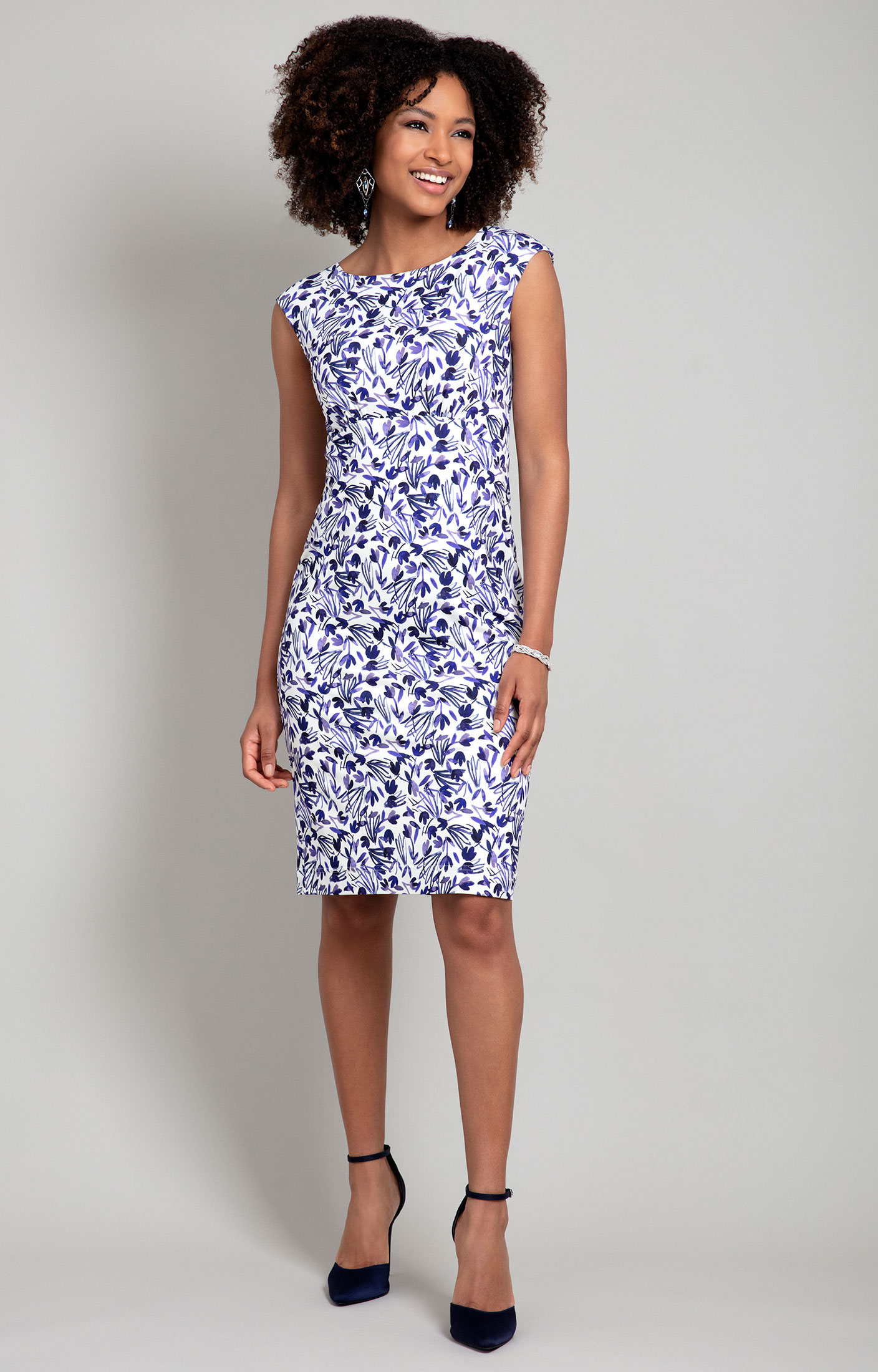
Spring’s variable climate and mood of renewal call for a layered approach. The objective here is thermal regulation and adding depth to the simple shift form. Begin with the fabric itself. A mid-weight cotton, linen-blend, or textured jacquard shift dress provides substance. The scientific explanation lies in material properties: natural fibers like cotton and linen offer breathability as temperatures rise, while a jacquard weave introduces a tactile, visual texture that catches the changing light of the season. Styling pivots on the “third piece” rule. A structured denim jacket or a tailored blazer in a complementary pastel or neutral tone creates a defined shoulder line, counteracting the potential boxiness of the shift. For a more avant-garde take, reference the layered aesthetics often seen in the early collections of designers like Miuccia Prada for Miu Miu, who masterfully plays with proportion and unexpected pairings. A sleeveless shift worn over a fine-gauge turtleneck is not just a trend but a functional solution, adding warmth and a preppy, intellectual vibe. Footwear should bridge winter and summer; ankle boots or sleek loafers ground the look. The key is to treat the dress as the central panel in a larger composition, using layers to add horizontal interest without compromising the dress’s clean lines.
Summer: The Mastery of Minimalism and Cool Fabrics
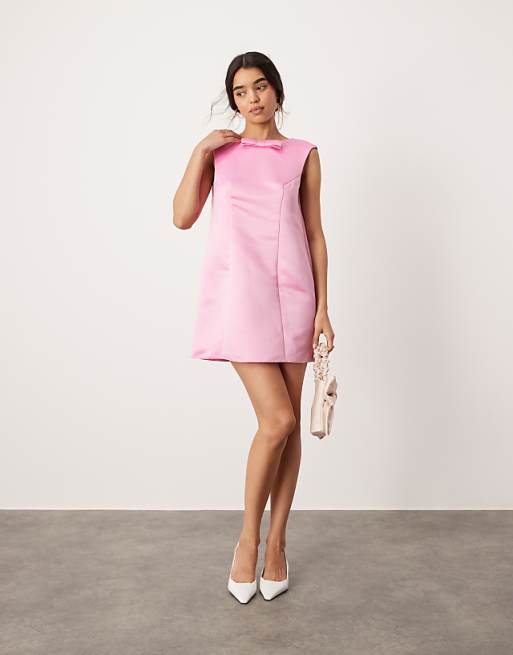
Summer styling is a lesson in material science and color psychology. The goal is to stay cool and project an aura of effortless chic. Fabric choice is paramount. Linen, cotton poplin, and silk are not just luxurious; they have objective cooling properties. Linen’s high moisture-wicking and heat-dissipation capabilities are well-documented in textile research, making it ideal for high heat. A pure silk shift dress feels cool against the skin due to its protein fiber structure. Opt for light colors—whites, creams, pale blues, and lemon yellows. This isn’t just an aesthetic choice; it’s rooted in physics. Light colors reflect a wider spectrum of visible light, absorbing less radiant heat than dark colors, a principle easily verified by basic thermodynamics. Keep accessories minimal but potent. A statement straw hat provides essential UV protection while elevating the look, a practice championed by style icons from Audrey Hepburn to modern influencers. Flat sandals or espadrilles maintain the ease. As fashion director of Net-a-Porter, Lisa Aiken, has stated in interviews, “Summer dressing is about a feeling of lightness. One great piece, like a perfect shift, is often all you need.” The silhouette itself becomes the statement, its clean lines echoing the clarity of a summer sky.
Autumn: A Symphony of Rich Tones and Strategic Weight
Autumn invites a richer, more tactile conversation with your wardrobe. The shift dress transitions seamlessly by embracing weightier fabrics and deeper, earth-inspired palettes. Think wool crepe, heavy jersey, or corduroy. These materials provide insulation and their inherent structure gives the shift a more substantial, fall-appropriate drape. Color theory guides the palette: burnt orange, olive green, burgundy, and charcoal grey. These are colors associated with harvest, foliage, and coziness, triggering psychological associations with warmth and comfort, as explored in color psychology resources from institutions like the Pantone Color Institute. Layering becomes more integral. A fine-knit cardigan draped over the shoulders, a leather moto jacket for edge, or a sleek trench coat are all perfect companions. Tights become a functional and stylistic necessity—opaque black for contrast, or a sheer, subtly patterned pair to add intrigue. Footwear shifts to boots: knee-high boots with a slim shift create a modern, leg-lengthening line, while ankle boots offer a chunkier, grounded contrast. This season is about creating visual warmth and texture, building upon the shift’s foundation with elements that speak to the season’s introspective mood.

Winter: The Art of Insulation and Luxe Contrast
Winter challenges the shift dress to perform in cold weather, a challenge met through intelligent layering and fabric technology. Start with a thermal base layer—modern merino wool or silk long johns are invisible yet scientifically proven to regulate body temperature through their fine, insulating fibers. The dress itself can be in a winter-weight fabric like a dense ponte knit, a wool blend, or even velvet. The shift’s straight cut is an advantage here, as it easily accommodates under-layers without bulking. The outer layer is critical. A long, tailored wool coat in a classic camel or black aligns perfectly with the dress’s hem, creating a sleek, column-like silhouette. For a fashion-forward approach, take cues from the runway collections of Max Mara, renowned for their mastery of luxurious coats over simple dresses. Accessories are both functional and decorative: a substantial scarf, leather gloves, and opaque, thick tights or fleece-lined leggings. Boots should be weather-proof. The contrast between the delicate nature of a sleeveless shift and the robust, protective outer layers creates a dynamic and sophisticated tension—it’s the fashion equivalent of a warm, minimalist interior against a snowy landscape.
Beyond Seasons: The Professional and Special Occasion Shift
The shift dress is a powerhouse in contexts beyond casual seasonal wear. In a professional setting, its authority comes from sharp tailoring and serious fabric. A shift in a navy or black wool-blend, with a defined (not necessarily tight) fit through the shoulders and a hem at or just above the knee, projects competence. This aligns with findings in social psychology on “enclothed cognition”—the systematic influence that clothes have on the wearer’s psychological processes. As stated in a seminal 2012 study published in the Journal of Experimental Social Psychology, wearing formal attire increases abstract thinking and feelings of power. Pair with a statement blazer, closed-toe pumps, and minimalist jewelry. For evening, the shift transforms through luxe materials and daring details. A sequined, beaded, or satin shift, perhaps with an art deco-inspired pattern recalling its 1920s origins, requires no extra adornment. As the legendary fashion editor Diana Vreeland once proclaimed, “The bikini is the most important thing since the atom bomb… and the shift dress is its elegant, worldly cousin.” Keep hair and makeup polished, shoes elegant, and let the dress be the singular, brilliant focus.
Investing Wisely: A Professional’s Guide to Building Your Shift Dress Arsenal
Building a versatile collection is an exercise in strategic investment. Focus on fabric, cut, and color first. Your foundational piece should be a neutral (black, navy, grey, or beige) shift in a season-spaning fabric like a medium-weight wool or high-quality cotton blend. This is your canvas. From there, add one in a vibrant, solid color that complements your skin tone, and perhaps one in a timeless print, like a subtle stripe or polka dot. When evaluating price, consider cost-per-wear. A $300 dress worn 30 times a year for three years costs about $3.33 per wear—a fantastic value for a piece that forms the backbone of your wardrobe. Look for sales at end-of-season periods from retailers like J.Crew, & Other Stories, or Nordstrom, where classic styles are often discounted by 30-50%. The true mark of quality lies in the details: fully lined constructions, French seams, and sturdy zippers. A well-made shift will retain its shape and color, outlasting fleeting trends and proving that the most minimalist choice can also be the most enduring and economically sound.
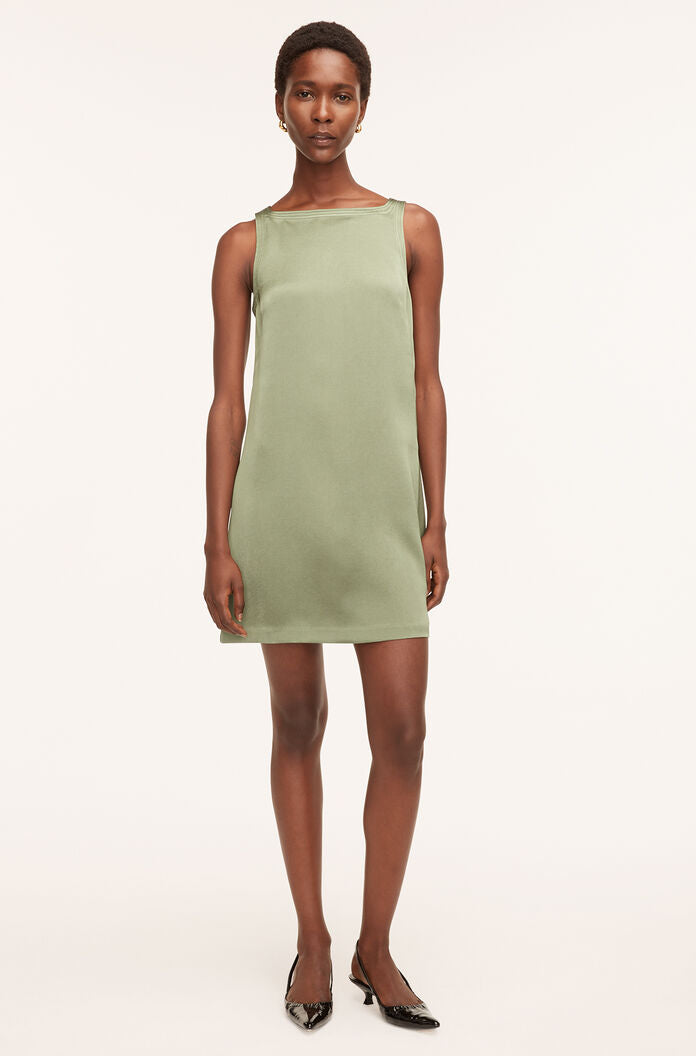
The journey through the year with a shift dress reveals its true nature: not as a basic, but as a foundational tool for intelligent dressing. Its value is proven not by hype, but by its consistent performance across climates, occasions, and trends. By applying principles of design, textile science, and color theory, you transform this simple garment into an expression of calculated style. It is the uniform for the versatile modern individual, proving that true style isn’t about complexity, but about understanding the elements at your disposal and combining them with knowledge and confidence.