

5 Chic Ways to Style a Blue Skirt for Every Season
Fashion is not merely about clothing; it’s a dynamic language of self-expression, a dialogue between personal identity and the world. At the heart of a versatile wardrobe lies a piece that transcends fleeting trends: the blue skirt. From the deepest navy to the brightest cobalt, a blue skirt offers a chromatic foundation as adaptable as it is elegant. This article delves into five distinct, chic methodologies to style this cornerstone garment, ensuring its relevance and flair across all twelve months. We will move beyond subjective opinion, anchoring our style propositions in principles of color theory, historical fashion context, and material science, while integrating insights from style authorities. Let’s explore how a single blue skirt can become the protagonist of your year-round sartorial narrative.
1. The Layered Transition: Spring’s Lightweight Symphony
Spring fashion embodies renewal and transition, a season where light layers master the dance between crisp mornings and mild afternoons. The key here is to employ a blue skirt—perhaps in a denim or cotton chambray—as the stable base. The objective, scientific principle at play is layering for thermal regulation, a concept well-documented in textile studies from institutions like the Cornell University Department of Fiber Science. Start with a simple white linen-blend shirt, a fabric celebrated for its breathability and moisture-wicking properties. Over this, drape a lightweight, unstructured blazer in a neutral beige or grey. This creates a visual and physical buffer. The magic lies in the accessories: a silk scarf knotted loosely at the neck introduces a complementary color (think burnt orange or soft pink) based on the color wheel, creating a harmonious yet vibrant contrast against the blue. Footwear should bridge the gap between winter boots and summer sandals; consider leather loafers or sleek ankle boots. As fashion historian Valerie Steele has noted in her publications for The Museum at the Fashion Institute of Technology, post-war spring fashion often revolved around “practical elegance,” a sentiment perfectly captured in this layered, adaptable ensemble. It’s a look that is intellectually considered and aesthetically polished, offering both comfort and a sharp silhouette as the world thaws.
2. The Monochromatic Depth: Summer’s Cool Refinement
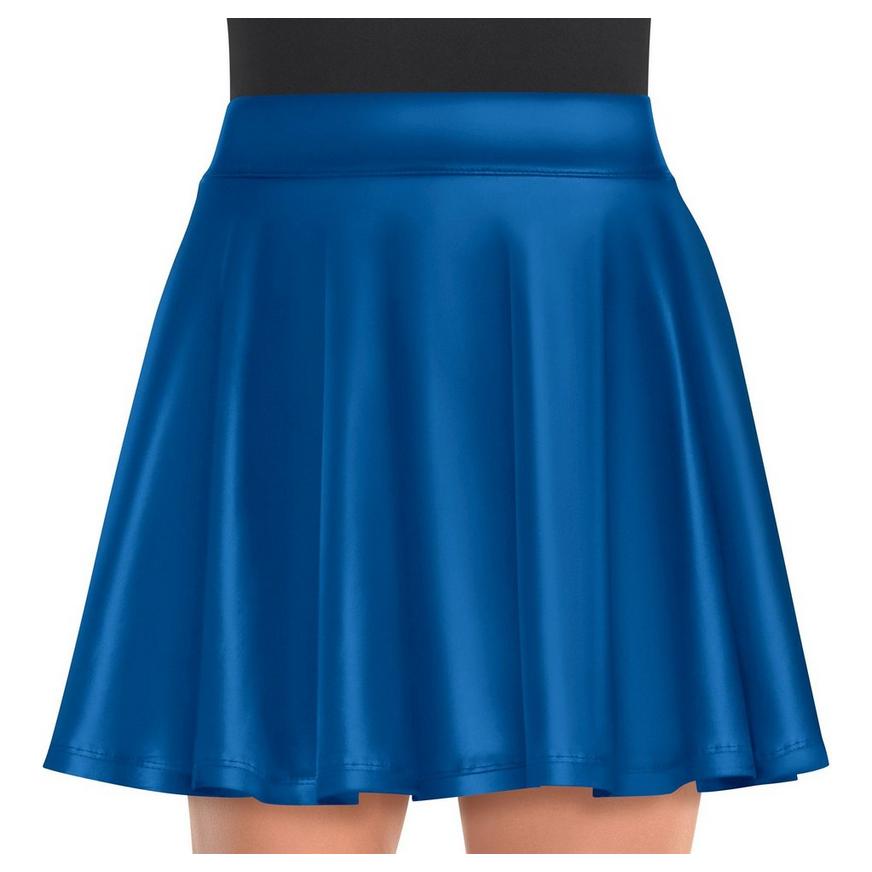
While summer often shouts with bright florals, there is immense power and chic in a whisper. A monochromatic outfit centered on a blue skirt offers a visually cooling and sophisticated alternative. This isn’t merely wearing one color; it’s an exercise in tonal variation and texture. Choose a skirt in a vibrant royal blue or a serene cerulean. Pair it with a top in a slightly different shade—a lighter sky blue sleeveless silk shell or a darker navy linen tank. The scientific foundation is rooted in visual perception; monochromatic schemes are processed by the brain as cohesive and calm, reducing visual “noise,” a principle often explored in design psychology. To elevate this, incorporate texture: a raffia belt, a leather crossbody bag, and metallic sandals. The goal is a look that feels expensive and intentional. As style icon and former Vogue Creative Director Grace Coddington once remarked in an interview,
“The simplest ideas are often the most effective. Wearing shades of one color gives you an instant line, an instant authority.”
This approach is not only chic but practical; lighter blue hues reflect more sunlight than darker colors, a basic principle of thermodynamics that contributes to physical coolness. It’s a strategy that marries aesthetic minimalism with scientific sense, perfect for a garden party or a sophisticated urban lunch.
3. The Textural Contrast: Autumn’s Tactile Narrative
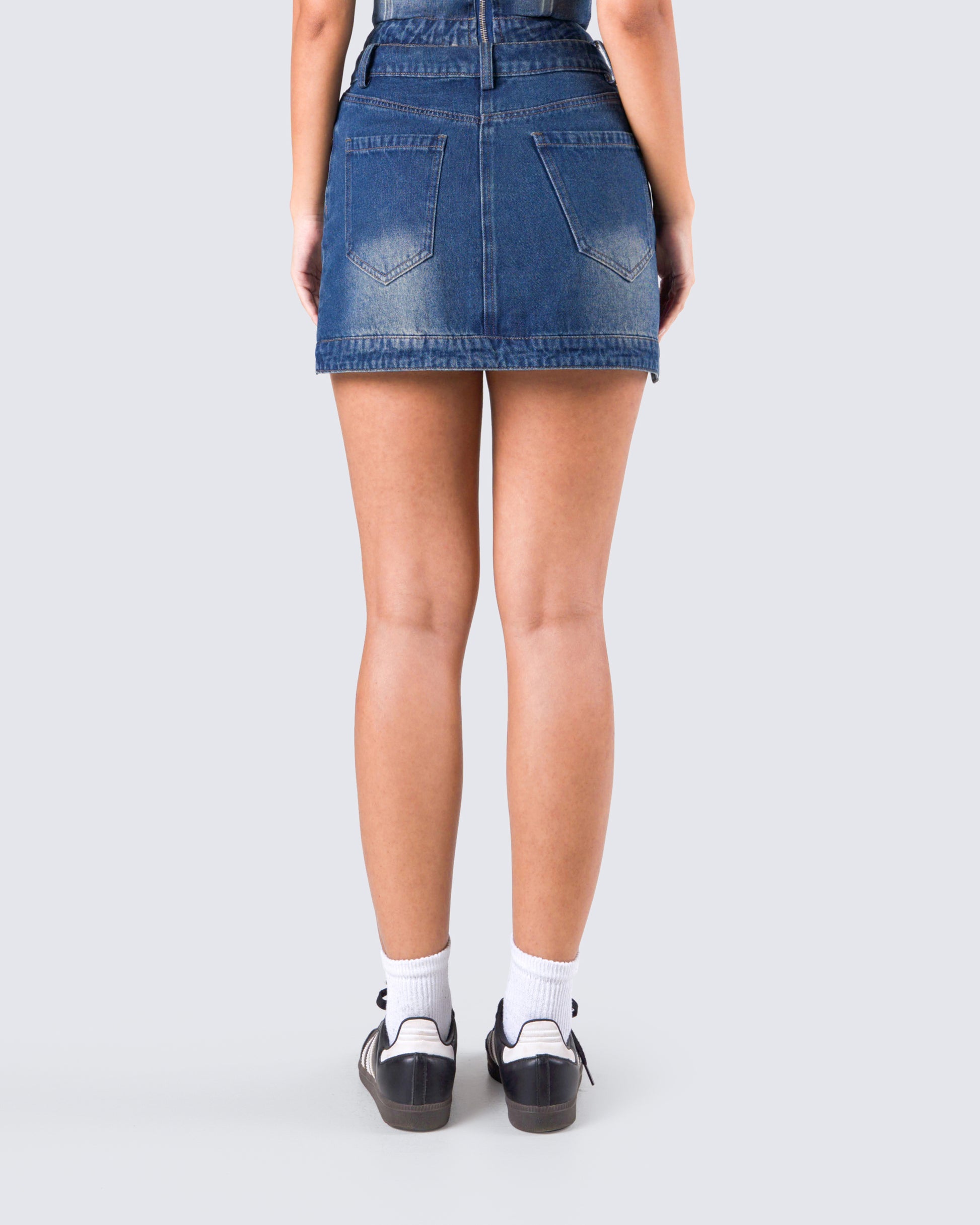
Autumn invites a richer, more tactile dialogue with fashion. This is the season to let your blue skirt converse with opulent textures. Imagine a midi skirt in a heavy velvet or corduroy navy blue. The fashion argument here is built on contrast and sensory appeal. Pair it with a chunky, cable-knit cashmere sweater in cream or camel. The juxtaposition of the smooth, dense pile of velvet against the nubby, dimensional knit creates a feast for the eyes and touch. This principle finds its roots in the Bauhaus school’s teachings on materiality and sensory experience. Add tights in a complementary opaque shade and knee-high leather boots. A wool felt hat completes the look, adding structure. From a professional knowledge standpoint, understanding fiber content is crucial. A skirt labeled “velvet” could be silk, cotton, or synthetic; natural fibers like cotton velvet offer better breathability for autumn’s variable temperatures. This ensemble tells a story of cozy sophistication, ideal for apple picking or weekend antiquing. It demonstrates how a single garment can shift character entirely through its material partnerships, proving the blue skirt‘s chameleonic potential.
4. The Structured Statement: Winter’s Bold Architecture
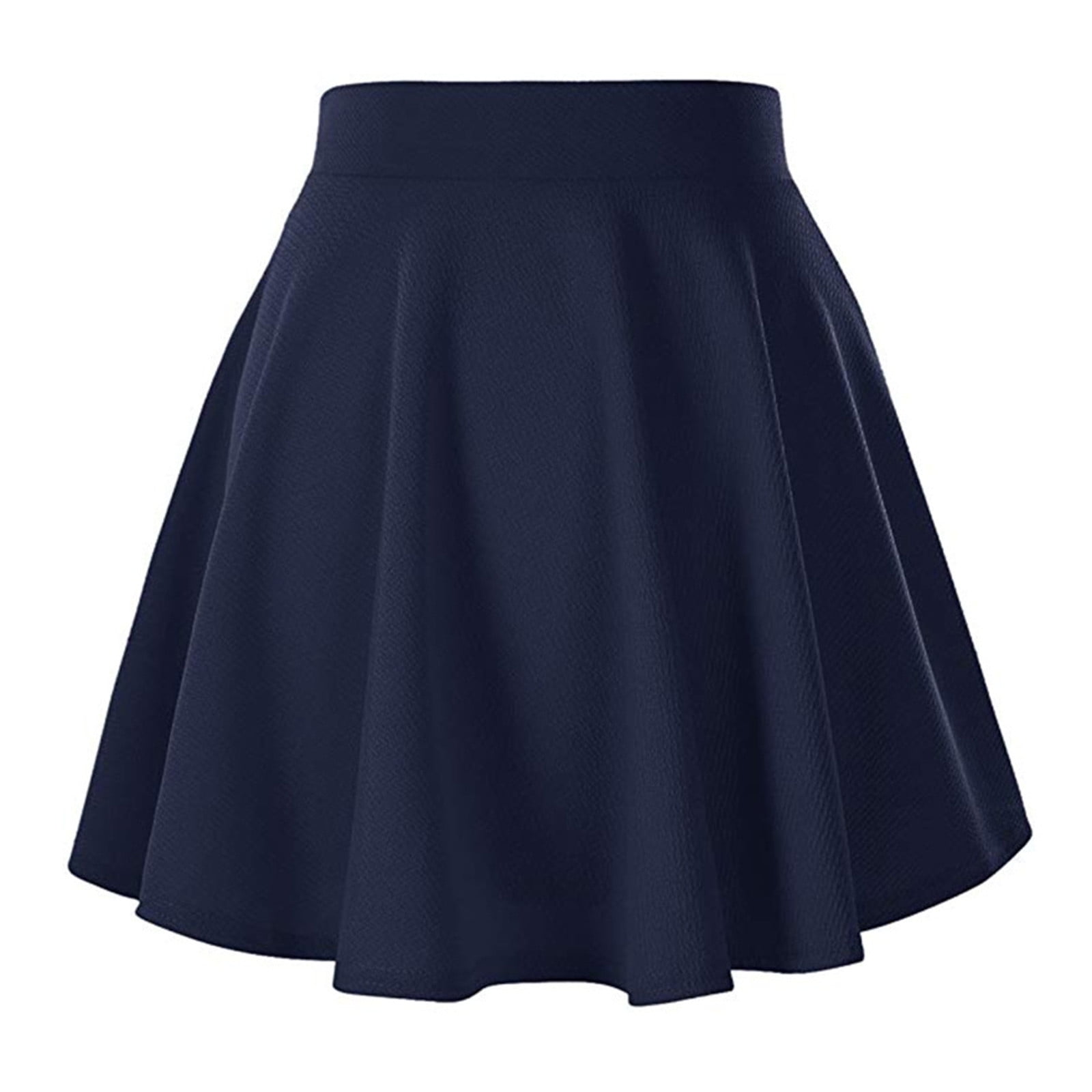
Winter styling often prioritizes warmth over form, but it is possible to achieve both with intelligent layering and structured pieces. Here, a deep navy or ink-blue pencil skirt—a style famously associated with mid-20th century power dressing—becomes your foundation. The argument is one of architectural silhouette and insulated layering. Start with fine-gauge thermal underlayers, a technology derived from activewear. Over your blue skirt, wear a tailored, wool-blend turtleneck. The defining outer layer is a long, structured coat with strong shoulders, perhaps in charcoal grey or black. This creates a commanding, vertical line. References to this powerful silhouette abound in popular culture, from the authoritative costumes of Miranda Priestly in The Devil Wears Prada to the sharp, confident looks championed by fashion YouTuber and consultant Audrey Coyne, who emphasizes “intentional, timeless pieces.” The key is that each layer has a purpose: base layers for warmth, the skirt and sweater for silhouette, the coat for dramatic impact. Accessorize with sheer, dark tights, leather gloves, and ankle boots. This look doesn’t just brave the cold; it commands it, transforming the blue skirt from a fair-weather friend into a year-round ally of immense style authority.
5. The Unexpected Pairing: The Year-Round Wildcard
True style innovation often lies in the unexpected combination. This final method liberates the blue skirt from seasonal conventions altogether, focusing instead on juxtaposition. The core concept is cognitive dissonance in fashion, where pairing seemingly incongruent items creates a novel and exciting whole. For instance, pair a flowing, electric blue maxi skirt with a rugged, vintage band t-shirt and a moto-style leather jacket. Or, try a tailored cobalt pencil skirt with a relaxed, slouchy hoodie in premium grey fleece and sleek sneakers. This approach is validated by the street style documented on sites like Vogue Runway and the experimental philosophies of designers like Rei Kawakubo of Comme des Garçons, who built a career on challenging fashion norms. The “discounted price” insight here is profound: you don’t need new clothes. This method encourages you to raid your existing wardrobe—your casual tees, your weekend hoodies, your statement jackets—and pair them with your skirt. It’s about creativity over consumption. This look works in spring with a denim jacket, in summer with a graphic tank, in autumn with a plaid flannel, and in winter with a puffer vest. It proves that the most versatile item in your closet is not the skirt itself, but the imaginative approach you bring to styling it.

From the layered whispers of spring to the bold declarations of winter, the journey with a blue skirt is one of continuous reinvention. It is a canvas upon which you can paint with textures, layers, colors, and attitudes, guided by both artistic instinct and an understanding of material and color science. Its value is not just in its hue, but in its infinite capacity for reintegration into your life’s changing scenes. Embrace these five methodologies not as rigid rules, but as a starting vocabulary for your own sartorial dialogue, ensuring that this singular piece remains not just in your wardrobe, but actively in your style rotation, day after day, season after season.