

How to Style Shift Dresses for Every Season
The shift dress stands as a sartorial chameleon, a garment whose deceptive simplicity belies its immense versatility. Its clean lines, unstructured silhouette, and absence of a defined waist have made it a timeless staple since its popularization in the 1960s. The true power of the shift dress lies not in its ability to conform to the body, but in its capacity to serve as a blank canvas for personal expression across the shifting moods of the calendar. This guide will navigate the art of adapting this iconic piece for spring’s bloom, summer’s heat, autumn’s crispness, and winter’s chill, blending objective style principles with actionable advice to build a year-round wardrobe cornerstone.
The Architectural Foundation: Understanding the Shift Dress
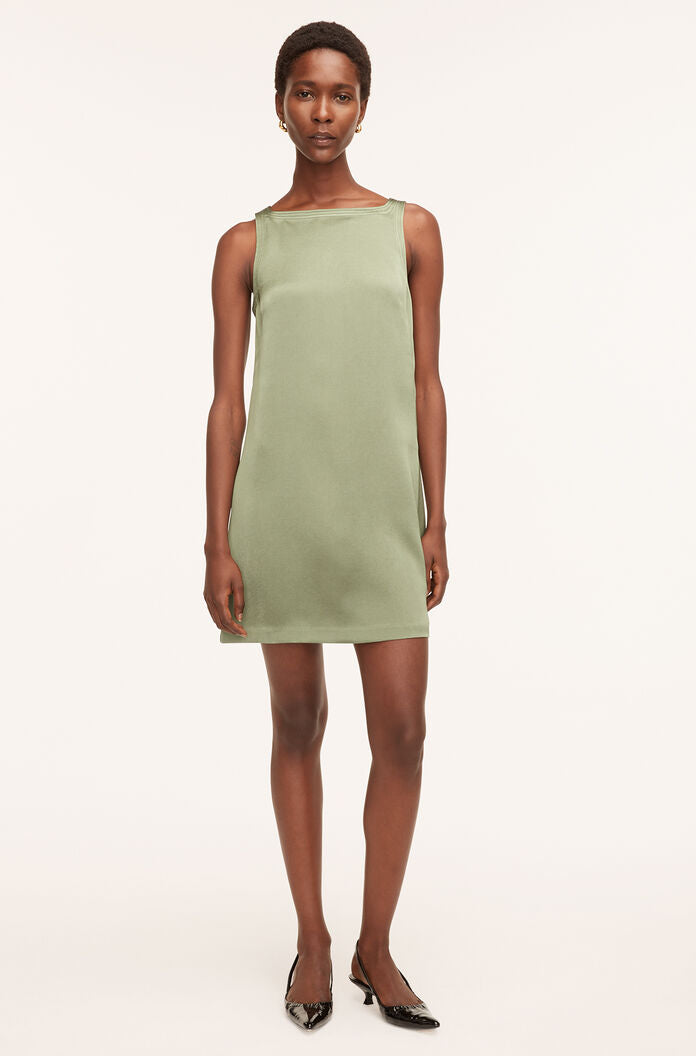
Before embarking on seasonal styling, one must appreciate the intrinsic qualities of the garment. A shift dress is fundamentally defined by its straight, boxy cut that hangs straight down from the shoulders, skimming rather than hugging the body’s contours. This architectural design, often credited to designers like Cristóbal Balenciaga in the late 1950s and brought to global fame by Hubert de Givenchy for Audrey Hepburn and later by designers for First Lady Jacqueline Kennedy, represented a radical departure from the cinched-waist, full-skirted silhouettes of the previous decade. As the Victoria and Albert Museum notes in its fashion archives, the shift embodied a new, youthful modernity and a sense of liberation. Its lack of structure is its greatest strength, allowing for infinite layering and accessorizing possibilities. The fabric, cut, and detailing—from a simple wool sheath to a floral-printed silk—become the primary variables that dictate its seasonal suitability and stylistic direction.
Spring: A Canvas for Renewal and Layering
Spring styling is an exercise in transitional dressing, and the shift dress is its perfect protagonist. The key objective here is to navigate unpredictable temperatures while echoing the season’s freshness. Begin with the dress itself: opt for fabrics with a bit of body, like mid-weight cotton, linen blends, or textured jacquard. Prints are highly effective—consider botanical florals, subtle gingham, or abstract watercolor patterns, which align with spring’s rejuvenating energy. From a third-person perspective, one would observe that the most successful spring shifts are those that facilitate smart layering. A classic technique is to treat the dress as a tunic over slim-fit trousers or skinny jeans, a look that finds resonance in the practical, eclectic styling often featured on fashion platforms like Who What Wear. This not only adds warmth but also creates a modern, fashion-forward silhouette. For a more traditional approach, a tailored denim or leather jacket thrown over the shoulders provides an instant edge. Footwear should bridge the gap between seasons; ankle boots, sleek loafers, or low-block heels work beautifully. As stylist and author Allison Bornstein often discusses, spring accessories should feel light—think delicate gold necklaces, a structured crossbody bag in a pastel hue, or a silk scarf tied in the hair. The goal is to build an outfit that can shed layers as the day warms, with the shift dress remaining the consistent, stylish core.
Summer: Embracing Minimalism and Breathable Cool
In the height of summer, the shift dress truly comes into its own as a tool for effortless, cool dressing. The scientific principle at play is one of thermodynamics and comfort: loose-fitting garments made from natural, breathable fibers promote air circulation, aiding in the body’s natural cooling process. Therefore, your summer shift should be crafted from fabrics like pure linen, lightweight cotton, chambray, or silk. These materials, as documented in textile studies from institutions like the Fashion Institute of Technology, possess high moisture-wicking and breathability properties. Opt for lighter colors—whites, creams, sky blues, and soft yellows—which reflect rather than absorb sunlight. Silhouettes can be slightly more playful; a mini shift dress feels youthful and breezy, while a knee-length or midi version offers classic polish. Styling shifts from layering to strategic accessorizing. This is where you, the wearer, can inject maximal personality with minimal items. Statement sunglasses, a wide-brimmed hat (a non-negotiable for sun protection, as dermatologists consistently advocate), and a pair of standout sandals or espadrilles are all you need. Consider the philosophy of fashion influencer and designer Chriselle Lim, who emphasizes “one statement piece per look.” Let your dress be that statement through a bold color or graphic print, and keep everything else clean. A simple woven tote and layered shell necklaces complete a look that is both scientifically sound for comfort and aesthetically aligned with summer’s relaxed vibe.
Autumn: A Study in Texture and Rich Hues
As the air turns crisp, styling the shift dress becomes a richer, more tactile endeavor. The objective shifts from staying cool to creating warmth and visual depth through the masterful combination of textures and colors. Your autumn shift dress should feel more substantial. Think wool crepe, corduroy, thick jersey, or sweater knits. The color palette deepens to embrace burgundy, forest green, mustard, charcoal, and burnt orange—hues famously celebrated in autumn landscapes and in the iconic fall collections of brands like Ralph Lauren. From a first-person perspective, I find that autumn is where the layering game becomes most creative and rewarding. The straightforward silhouette of the shift dress provides the perfect base for heavier layers. A fine-gauge turtleneck worn underneath adds instant warmth and a preppy touch. Tights or opaque leggings in complementary or contrasting colors become essential. The outer layer is crucial: a tailored blazer, a chunky cardigan, or a sleek leather moto jacket transforms the dress into a season-appropriate ensemble. Footwear grounds the look; ankle boots, knee-high boots, or even clean white sneakers for a contrast work perfectly. Accessories should echo the season’s richness—a felt fedora, a leather satchel, or chunky gold jewelry. This approach aligns with the “cozy chic” aesthetic frequently dissected in the pages of Vogue or Harper’s Bazaar, where the focus is on looking polished while embracing comfort and the sensory pleasures of autumn fabrics.

Winter: Strategic Insulation and Sophisticated Layers
Winter demands a tactical approach to the shift dress, proving that even this seemingly summer-centric piece can form the heart of a cold-weather outfit. The core challenge is insulation without bulk, a principle well-understood in performance outerwear but equally applicable to fashion. Start with a winter-weight shift dress in fabrics like heavy wool, cashmere blends, or thick ponte knit. Darker solids or subtle, moody patterns are most versatile. The layering strategy here is paramount. From a third-person analytical view, the most effective method involves creating a sealed microclimate around the body. Begin with a base layer of thermal or silk long underwear underneath. Add opaque, insulated tights or even lightweight fleece-lined leggings. The dress itself is the middle layer. The final, critical layer is a substantial coat—a wool peacoat, a tailored parka, or a long cashmere wrap. Accessories become functional armor: knee-high or over-the-knee boots, leather gloves, a substantial wool scarf, and a beanie. This creates a polished, cohesive look that retains heat effectively. As outdoor apparel experts from brands like Patagonia often state, layering traps air between garments, providing superior insulation to a single heavy layer. This scientific principle allows the shift dress to remain a visible part of your outfit, rather than being buried forever under a puffer coat. The result is winter dressing that prioritizes both warmth and a defined silhouette.
Beyond Seasons: The Shift Dress as a Wardrobe Investment
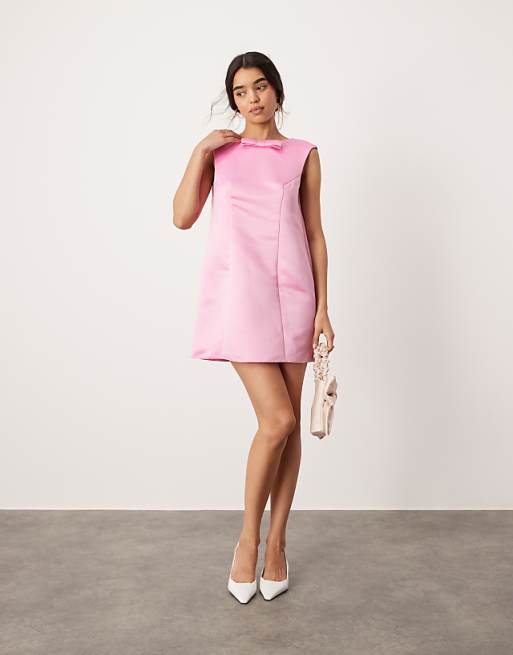
The perennial versatility of the shift dress solidifies its status as a high-value wardrobe investment. When selected with care—prioritizing quality fabric, impeccable construction, and a flattering cut—a single dress can yield dozens of distinct looks throughout the year, reducing the perceived cost per wear significantly. This aligns with the “capsule wardrobe” philosophy endorsed by sustainability advocates and style experts like Vivienne Files, which emphasizes fewer, better pieces. To maximize this investment, seek out dresses with classic necklines (boat, scoop, or V-neck) and sleeve lengths (sleeveless, short-sleeve, or three-quarter sleeve) that you find most wearable. Many contemporary brands, from high-street retailers to direct-to-consumer labels, now offer seasonal sales where premium shift dresses can be acquired at 20-30% discounts, particularly at the end of a season. Furthermore, the timeless nature of the silhouette means it resists fleeting trends, ensuring its relevance for years. By mastering the art of seasonal adaptation, you unlock the full potential of this garment, transforming it from a simple item of clothing into the most reliable and expressive tool in your style arsenal.