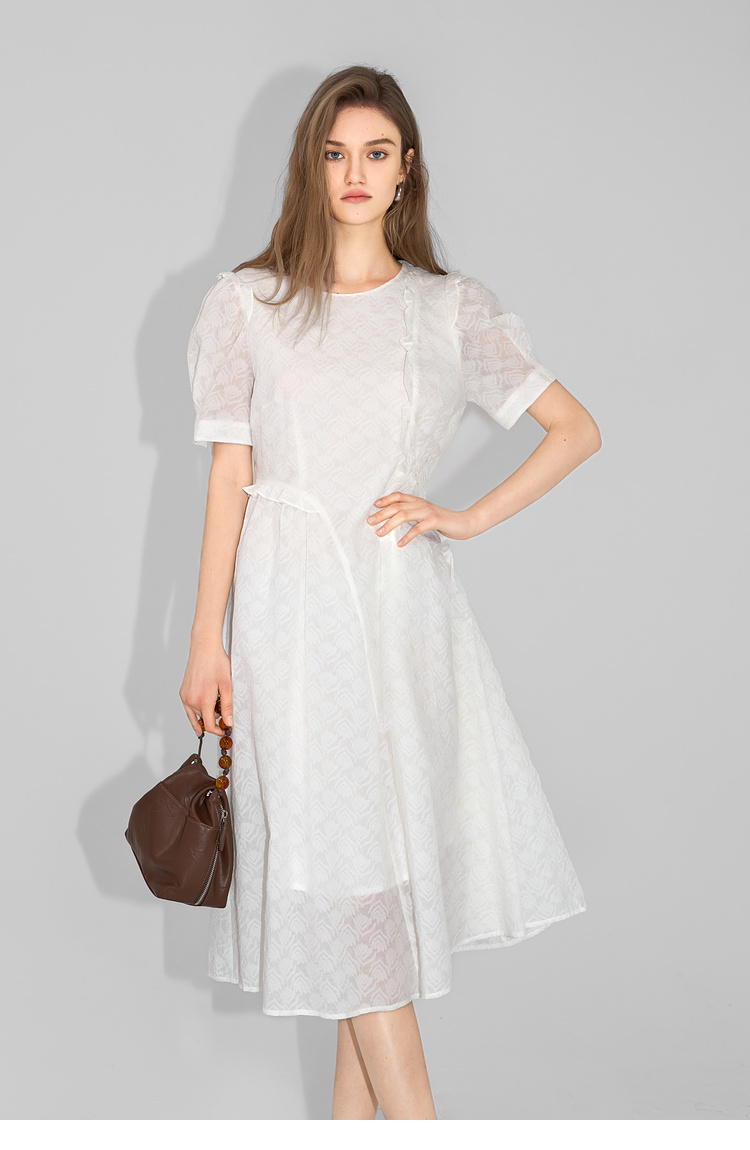
A skirt that behaves badly on the dance floor will behave badly everywhere else, and that is the simplest way to explain why the skirt you dance in deserves more thought than the one you merely sit in. The cut has to release the leg, the waistband has to stay where you put it through a turn and a lunge, the fabric has to fall back into place instead of clinging, and the hem has to clear the floor without turning into a trip hazard. Get those four things right and a womens dance skirt stops being a costume and becomes one of the most useful pieces in a wardrobe — the one you reach for at a wedding, a rehearsal, a long dinner, a summer evening when you want to move without negotiating with your clothes. Most buyers discover this the hard way. They order something described as flowing, receive a garment that photographs beautifully while standing still, then find that it rides up when they walk quickly or wraps around the legs during a spin. The problem is almost never the print or the colour. It is construction: how much fabric was cut into the hem, how the waist is finished, whether the cloth has enough weight to hang and enough recovery to spring back, and whether the length was chosen against a real pair of shoes rather than a studio floor. This guide works through each of those decisions in the order that matters, then sets out how to wear a womens dance skirt away from the floor, what to test in a fitting room, and how to wash and hang it so the hem stays honest for years.
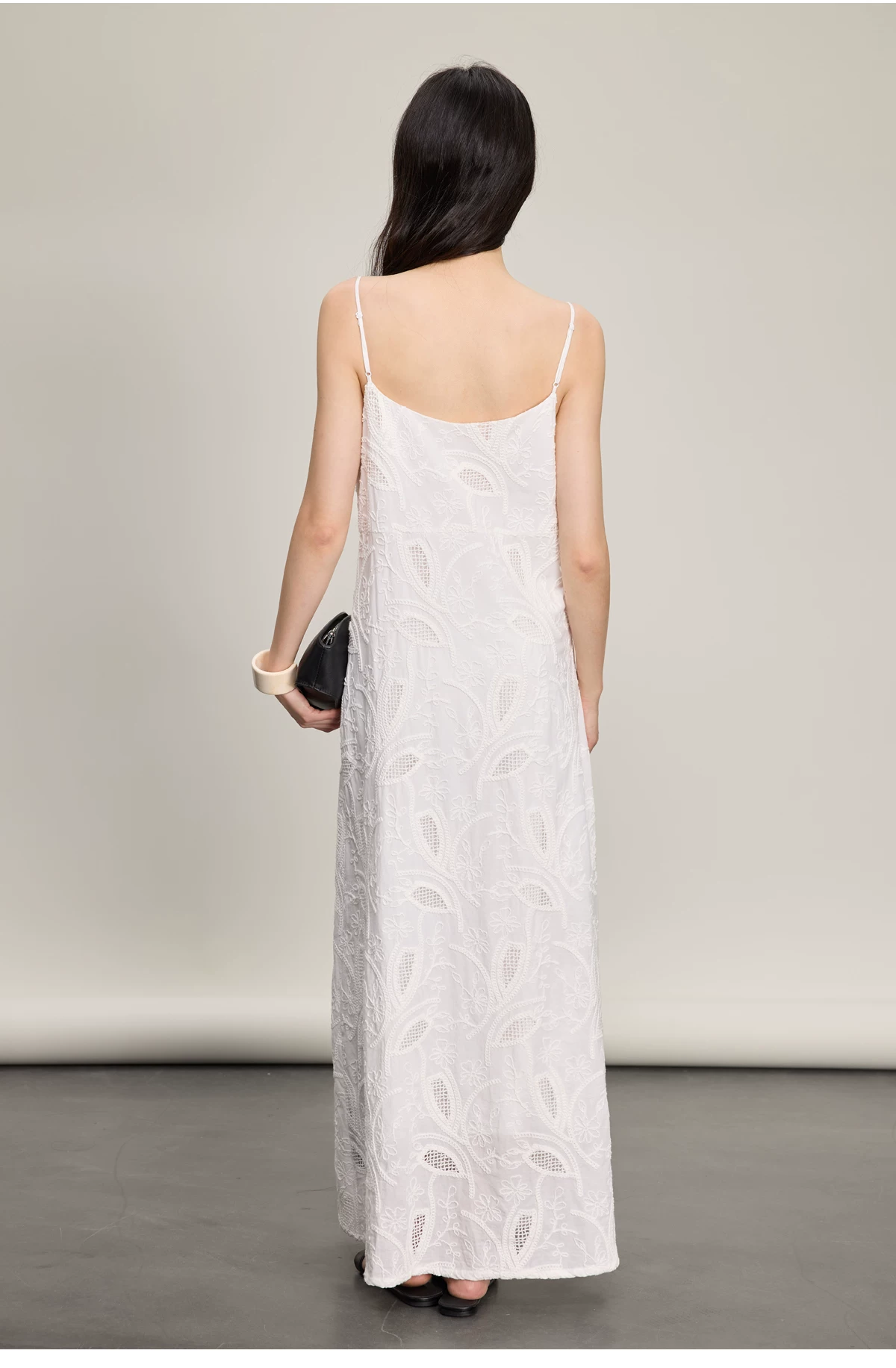
What Actually Separates a Dance Skirt From an Ordinary Skirt
The difference is not decorative. A dance skirt is engineered around range of motion, which means three structural decisions are made differently from a standard day skirt. First, the waist sits at or just above the natural waistline and is usually finished with a wide elastic band, a drawstring, or a shaped yoke rather than a narrow fixed waistband with a zip, because a fixed band that fits when you stand can bite when you sit or bend. Second, the hem carries far more circumference than the hip measurement requires — a full or three-quarter circle, multiple gored panels, or gathered tiers — so the fabric can travel outward during movement instead of tightening across the thigh. Third, the length is set with clearance in mind, generally finishing somewhere between the knee and the ankle so the calf can swing freely. Those choices have visible consequences. A skirt with generous hem circumference hangs in soft folds and reads as relaxed; a straight skirt cut close to the body reads as tailored and fights every step. Neither is wrong in itself, but only one of them will survive an evening of dancing without being hiked back into position. This is why so many women who dance seriously end up buying the same silhouette repeatedly: a midi or maxi length, an elastic or softly shaped waist, and a fabric with enough weight to hang rather than flutter. Once you know which combination suits your height and how you move, the search collapses into something much narrower than the whole skirt aisle. There is also a distinction worth making between a dance skirt and the pieces it is often confused with. A tutu is stiffened and built to stand away from the body, which makes it spectacular on stage and awkward in a restaurant. A tennis skirt is short, pleated, and designed for lateral sprinting, which makes it brilliant on court and cold at a bus stop. A womens dance skirt sits between them: longer than athletic wear, softer than stage costume, and cut so that the fabric follows the body’s movement rather than resisting it. That middle position is exactly why it transfers so easily into ordinary life.
The Geometry of Movement: Circle, Panel and Bias Cuts
If you want to understand why one skirt moves and another does not, look at how it was cut. The circle skirt is the clearest case. Cut as a ring of cloth with the waist opening at the centre, its hem circumference is simply twice pi times the distance from the centre to the hem edge, so a skirt cut 65 cm long for a 72 cm waist carries roughly 4.8 metres of hem. That surplus fabric is what creates the flare, and it is also why the silhouette lifts during a turn and settles back into folds when you stop. *As the Wikipedia entry on the circle skirt notes, the shape became a mass-market phenomenon in the 1950s, when the poodle skirt made a full circle of felt a standard item in teenage wardrobes.* The maths has not changed since; only the fabrics have. Gored panel skirts achieve a similar effect with less waste. Instead of cutting a ring, the maker cuts four, six or eight tapered panels and joins them, which lets the hem widen gradually and gives the skirt a series of soft vertical seams. Well-matched panels hang straight and look calmer than a circle skirt; poorly matched ones twist, and the seams start to spiral toward the hem after a few washes. Bias-cut skirts take a third route entirely: the cloth is cut on a diagonal so it stretches and moulds to the body, which produces that liquid, close-falling line without darts. Bias is beautiful in silk and viscose and unforgiving in cheap polyester, because the same diagonal that lets the fabric drape also lets it grow. Gathered and tiered constructions sit at the opposite end of the spectrum. Here the volume is created by compressing a wide piece of fabric onto a narrower one, so the hem swings energetically but the waist can become bulky. Tiers add weight lower down, which is excellent for a dramatic spin and less good for a skirt you want to wear under a fitted knit. In practice, the most versatile womens dance skirt for everyday use is a three-quarter circle or a six-panel cut in a fabric with moderate weight: enough sweep to move, not so much bulk that the waist needs hiding. When you try one on, turn slowly in front of the mirror and watch where the folds form — evenly spaced folds at the hip mean the cut is balanced, while a single deep fold at one side usually signals a twisted panel.
Fabric Is the Decision You Cannot Undo
Cut can be adjusted by a tailor. Fabric cannot. That is why the fibre and weight matter more than any other single factor when you are choosing a womens dance skirt, and why the same silhouette can feel wonderful in one cloth and dreadful in another. Chiffon and georgette, typically between 60 and 110 grams per square metre, give the lightest, most airborne movement and photograph beautifully in motion, but they are translucent and build static in dry weather, so they need a lining or a slip and a little patience. Crepe, at roughly 100 to 140 grams, is the quiet workhorse: opaque enough to wear alone, heavy enough to fall back into place, and resistant to the clinging that ruins lighter fabrics. At the heavier end, ponte and double knit sit around 250 to 320 grams and behave almost like a soft tailored cloth. They hold a pleat, skim rather than cling, and travel without creasing, which makes them ideal for a skirt you intend to wear on a plane or through a long working day. Satin and taffeta bring shine and structure, and they are the reason an evening skirt can look expensive, but both show every seam and every drop of water, so they demand more care than cotton. Cotton poplin is crisp and cool and holds a pleat sharply; it also creases at the hip when you sit, which is a fact rather than a flaw. Whatever the fibre, test three things before you commit. Squeeze a section of the fabric in your fist, hold it for a count of five, and release: good cloth recovers with only faint lines, while poor cloth stays crushed. Hold the skirt up against daylight to judge opacity where it matters, which is the seat and the upper thigh rather than the hem. And rub a fold of fabric between finger and thumb to feel for the slick, papery finish that signals a high synthetic content and a tendency to cling. Those three tests take under a minute and predict almost everything about how the skirt will behave after the first wash.
Length, Hem Clearance and the Shoes You Actually Own
Length is where most purchases go wrong, and it goes wrong because it is chosen in the abstract. A skirt measured as midi can finish anywhere from just below the knee to mid-calf depending on your height, and three centimetres of difference changes which shoes it works with and whether you can take a full stride. Before you order, measure from your natural waist to the point on your leg where you want the hem to land, then compare that number against the garment’s stated length rather than against a photograph of a model. Women of average height usually find that 75 to 85 cm from waist to hem lands in true midi territory, while 95 to 105 cm reaches the ankle. Hem clearance is the practical test that follows. Stand in the skirt, then take the longest step you realistically take in a day — up a stair, into a car, across a wet pavement — and notice whether the hem catches under your foot. A womens dance skirt should swing forward with the leg and fall back without being lifted by the hand. If you have to hold it while walking, it is too long for pavement, even if it is perfect for a floor. Equally, if the skirt rides up when you turn, the waist is too loose or the hem too narrow, and no amount of styling will fix either problem. Shoes decide the rest. A midi that grazes the top of a boot looks deliberate; the same skirt over a flat ballet shoe can look cut off at an awkward point. Long skirts tend to work best with a slight heel or a defined shoe, because the extra height keeps the fabric off the ground and gives the hem a clean line. Short, full skirts pair naturally with tights and boots in cold weather and with sandals in summer, and they are far more forgiving of a hem that sits a little higher than planned. Choose the shoes first, then the length — not the other way round, which is how most wardrobes end up with a beautiful skirt that has nothing to wear underneath it.
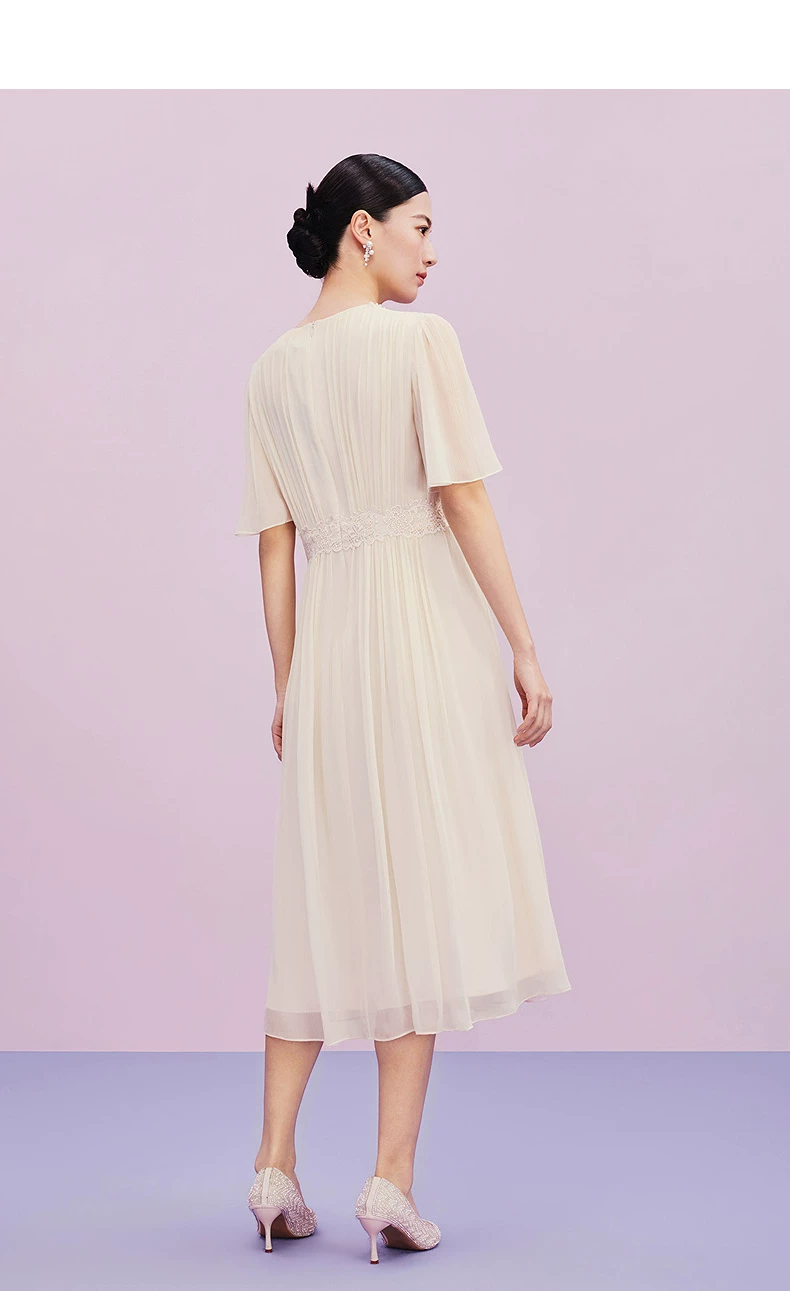
Three Ways to Wear a Women’s Dance Skirt Away From the Floor
The first look is rehearsal-to-street, and it is the one most people actually need. Take a midi or long grand swing skirt in a solid neutral, add a fine merino or cotton knit tucked at the waist, and finish with clean leather sneakers or flat boots. The trick is proportion: a close-fitting top against a full skirt keeps the whole silhouette from becoming shapeless, and a short jacket or a cropped cardigan does the same job in colder weather. Carry a tote rather than a shoulder bag, because a strap that cuts across a full skirt drags the waistband out of line as you walk. This is the version that goes from a morning class to a coffee to a supermarket without any part of it looking like a costume. The second look is office-appropriate and depends entirely on pleat discipline. Choose a pleated long skirt in a dark or muted tone, pair it with a fine-gauge knit or a tailored shirt, and add a structured blazer that ends at the hip or slightly below. Loafers or a low block heel keep the line tidy and the walk comfortable. The reason this works is contrast of texture rather than colour: sharp pleats against soft knit, matte cloth against a little shine on the shoe. Avoid oversized tops here — a full skirt already supplies the volume, and adding more on top turns a considered outfit into a tent. If the waistband is elastic, a belt worn over the skirt at the natural waist can restore structure without discomfort. The third look is evening, and it is where a womens dance skirt earns its keep. A satin or crepe skirt in a deep tone, a fine knit or a simple camisole depending on the season, and a heel you can actually walk in will carry you through a wedding, a dinner, or a night of dancing without a single adjustment. Keep jewellery minimal and let the movement of the fabric do the work. For cooler months, add opaque tights and a short jacket; for warm ones, a light wrap for the walk home. The common thread across all three looks is that nothing competes with the skirt’s movement. Let one piece be the moving element and keep everything else quiet, and a dance skirt reads as a considered choice rather than a costume that wandered off stage.
What to Check in the Fitting Room Before You Buy
Start with the waistband, because it is the part that decides whether you will actually wear the skirt. Stretch it gently to about five centimetres beyond its resting size, hold for a few seconds, and let go. A good elastic returns fully and immediately; a poor one stays slightly stretched, and after a month of wear it will slide down every time you move. Check the stitching where the band joins the skirt: a single row of straight stitch on a heavy skirt is a warning, while a twin needle or overlocked seam plus a row of topstitching suggests the maker expected the garment to be worn hard. Then test the hem. Hold the skirt by the waistband and let it hang free, standing back to see whether the hem line is level all the way around. A hem that dips at the side seams usually means the panels were cut slightly off grain, and it will look worse after washing. Look closely at the hem finish too: a narrow rolled hem suits chiffon and georgette, a deeper machine hem suits crepe and cotton, and a raw or serged-only hem on a long skirt is a shortcut that will fray. Check the lining if there is one — it should be a couple of centimetres shorter than the outer layer, not longer, or it will show below the hem when you move. Finally, do the movement test in the shop, not at home. Walk the length of the fitting room at normal speed, take two long strides, sit down and stand up, then turn a full circle and watch the hem in the mirror. You are looking for three things: no upward creep at the waist, no wrapping around the legs, and a hem that falls back into folds rather than staying flung outward. If any of those fail, the skirt is the wrong cut for your body and no alteration will fully solve it. Ask for the next size up and compare before you decide, because fullness in a dance skirt is usually a fit question rather than a style one.
Washing, Hanging and Keeping the Hem Honest
Most dance skirts die in the washing machine rather than on the dance floor. Wash in cold water, at 30 degrees or below, inside a mesh bag, on a short delicate cycle with a low spin — the low spin matters more than the temperature for pleated and bias-cut pieces, because centrifugal force is what pulls a hem out of shape. Skip fabric softener entirely on tulle, chiffon and anything with pleats; it coats the fibres, kills the crispness, and encourages static. Use a small amount of mild detergent, and never leave the skirt sitting wet in the drum, since the weight of the water will stretch the waistband as it hangs. Drying is where the shape is decided. Hang the skirt from the waistband, not from the hem, using clip hangers placed at the side seams so the weight is evenly distributed. Pleated skirts should be hung full length and left alone; folding a pleated skirt while damp sets creases in the wrong direction and they can be very stubborn. If a hem has dried slightly wavy, steam it rather than ironing it flat — a hand steamer or a shower’s steam will relax the fibres without flattening the texture. For crepe and cotton, press on the reverse with a cloth between iron and fabric, and always press pleats from the hem upward so the crease stays sharp at the edge. Storage is the last habit worth building. Long skirts are best hung, because folding puts a permanent line across the widest part of the hem. If space forces you to fold, fold along a seam rather than across the middle of a panel and cushion the fold with tissue paper. Keep tulle and chiffon away from rough hooks and velcro, which snag invisibly and then appear as pulls in daylight. And give the skirt a quick look before each wear: a loose hem thread caught early takes two minutes to fix, while the same thread left alone can unravel a whole hem over an evening and turn a favourite piece into a repair project.

Why It Deserves Drawer Space in a Small Wardrobe
Wardrobe space is finite, and the argument for keeping a full skirt has to be practical rather than sentimental. The practical case is that one well-chosen womens dance skirt replaces at least three narrower pieces, because it can be dressed down with a knit and sneakers, dressed up with satin and heels, and worn through most of the year with tights or bare legs. *Market tracking supports how much women’s clothing spending concentrates on pieces that carry across occasions — Statista’s Women’s Apparel outlook sizes the global segment in the trillion-dollar range, and the categories that grow within it are consistently the versatile ones rather than the single-occasion ones.* A skirt that works at a wedding, a rehearsal and a Tuesday desk is a better use of money than three that each work once. There is a fit argument too. Full skirts are unusually forgiving across body changes, because the waist is the only measurement that has to be right and the rest of the garment hangs free. That makes them useful through weight fluctuation, pregnancy, and the ordinary business of a body that is not the same shape in January and July. They also suit a wide range of heights, provided the length is chosen against your own leg rather than a model’s, and they layer easily over leggings or tights in cold weather without the bulk that trousers add. What they ask in return is discipline in the rest of the outfit. A full skirt is the loudest silhouette most wardrobes contain, so the top half has to be quiet, the shoes have to be chosen deliberately, and the bag should not fight the waist. Get those three right and the skirt does the rest of the work, season after season, without needing to be replaced when the trend cycle moves on. That is a rare thing in clothing, and it is worth a hanger. The short version is that a womens dance skirt is not a niche purchase for people who perform. It is a piece of engineering: hem circumference that allows a stride, a waistband that stays put, fabric with enough weight to fall and enough recovery to survive, and a length measured against real shoes and real pavements. Judge those four things in the fitting room, wash it cold and hang it from the waist, and you will own a skirt that moves well whether or not there is music playing. Start with the full dance skirt range and compare cuts side by side rather than one at a time — the difference between a circle and a panel becomes obvious the moment you turn in front of a mirror.