Discover the Elegance of Satin Bridesmaid Dresses for a Timeless Wedding Look
In the world of weddings, few elements capture the essence of sophistication and enduring beauty like satin bridesmaid dresses. These garments are not merely attire; they are a statement of grace, designed to enhance the wedding’s aesthetic while offering versatility and comfort. As we delve into the allure of satin, we’ll explore its scientific properties, historical significance, and practical benefits, drawing from authoritative sources to provide a comprehensive guide. Whether you’re a bride planning your special day or a bridesmaid seeking the perfect ensemble, this article will illuminate why satin remains a premier choice for creating unforgettable memories.
The Scientific Brilliance of Satin Fabric
Satin, often misunderstood as a type of fiber, is actually a weave pattern characterized by its glossy surface and dull back, achieved through a specific interlacing of warp and weft threads. According to Wikipedia, satin weaves create a high-luster finish by allowing more warp threads to “float” over the weft, resulting in that signature sheen that catches the light so elegantly. This structure not only contributes to its visual appeal but also to its durability and smooth texture, making it ideal for formal wear like satin bridesmaid dresses. Scientifically, the reflectivity of satin can be attributed to its light-reflecting properties, which enhance colors and create a radiant effect in photographs—a key consideration for wedding aesthetics. Renowned fashion historian Dr. Valerie Steele, in her book “The Berg Companion to Fashion,” notes that satin’s luxurious feel has made it a staple in evening and bridal wear since the Renaissance, symbolizing wealth and refinement. From a practical standpoint, satin’s tightly woven fibers offer a degree of resistance to wrinkles and wear, ensuring that bridesmaids look pristine throughout the ceremony and reception. Moreover, advancements in textile production, such as blended satins with polyester or silk, have made these dresses more accessible and affordable, often available at discounted prices through seasonal sales or bulk orders. By understanding the material science behind satin, one can appreciate why it outperforms other fabrics in delivering a polished, timeless look that aligns with both tradition and modern trends.

Historical and Cultural Significance of Satin in Weddings
The journey of satin in wedding attire spans centuries, rooted in cultural traditions that emphasize elegance and celebration. Historically, satin originated in China during the Middle Ages, where it was crafted from silk and reserved for royalty and the elite, as documented in sources like Baidu Baike. This association with nobility carried into Western weddings, where satin gowns became synonymous with purity and grandeur. In literature, Jane Austen’s “Pride and Prejudice” subtly highlights the use of luxurious fabrics in social gatherings, reflecting the era’s emphasis on appearance—a theme that resonates in today’s wedding planning. Celebrities have further popularized satin; for instance, Meghan Markle’s choice of a satin wedding gown in 2018, as discussed on Twitter and YouTube, sparked a global trend, reinforcing its timeless appeal. In the context of satin bridesmaid dresses, this historical depth adds a layer of meaning, transforming them from mere outfits into symbols of unity and heritage. Culturally, satin is often featured in films like “Father of the Bride,” where the bridal party’s attire underscores the emotional weight of the event. From an objective perspective, studies from authoritative universities, such as the Fashion Institute of Technology, indicate that satin’s enduring popularity stems from its ability to adapt to various styles—from vintage to contemporary—while maintaining its classic charm. This versatility allows bridesmaids to express individuality without compromising the wedding’s cohesive theme, and with the availability of discounted options, it becomes an economical choice for group attire. By embracing satin, one taps into a rich tapestry of history that elevates the entire wedding experience, making it not just a day to remember, but a legacy to cherish.

Practical Advantages: Comfort, Versatility, and Affordability
Beyond its aesthetic appeal, satin bridesmaid dresses offer tangible benefits that cater to the modern wedding’s demands for comfort and practicality. From a third-person perspective, consider the experience of a bridesmaid: satin’s smooth, hypoallergenic surface reduces skin irritation, a point supported by dermatological insights from Quora discussions, where users praise its breathability compared to synthetic alternatives. The fabric’s drape and flow allow for ease of movement, essential for navigating ceremonies and receptions, as highlighted in reviews on wedding websites like The Knot. Versatility is another key advantage; satin dresses can be styled in myriad ways—strapless, A-line, or mermaid cuts—to suit different body types and wedding themes. For example, convertible designs, as seen in images from retail sites, enable bridesmaids to adjust the dress for various events, maximizing utility. In terms of affordability, the market for satin has expanded with mass production, leading to competitive pricing. Brands often offer discounts for group orders or off-season purchases, making high-quality satin bridesmaid dresses accessible without sacrificing elegance. Expert opinions from fashion economists note that satin’s durability ensures long-term value, as it can be repurposed for other occasions. Additionally, the fabric’s resistance to stains and wrinkles, backed by textile science from sources like Wikipedia, means less maintenance stress for bridesmaids. By prioritizing these practical aspects, satin emerges as a smart investment that balances luxury with everyday functionality, empowering bridal parties to focus on celebration rather than concerns over attire.
Styling Tips for a Cohesive Wedding Aesthetic
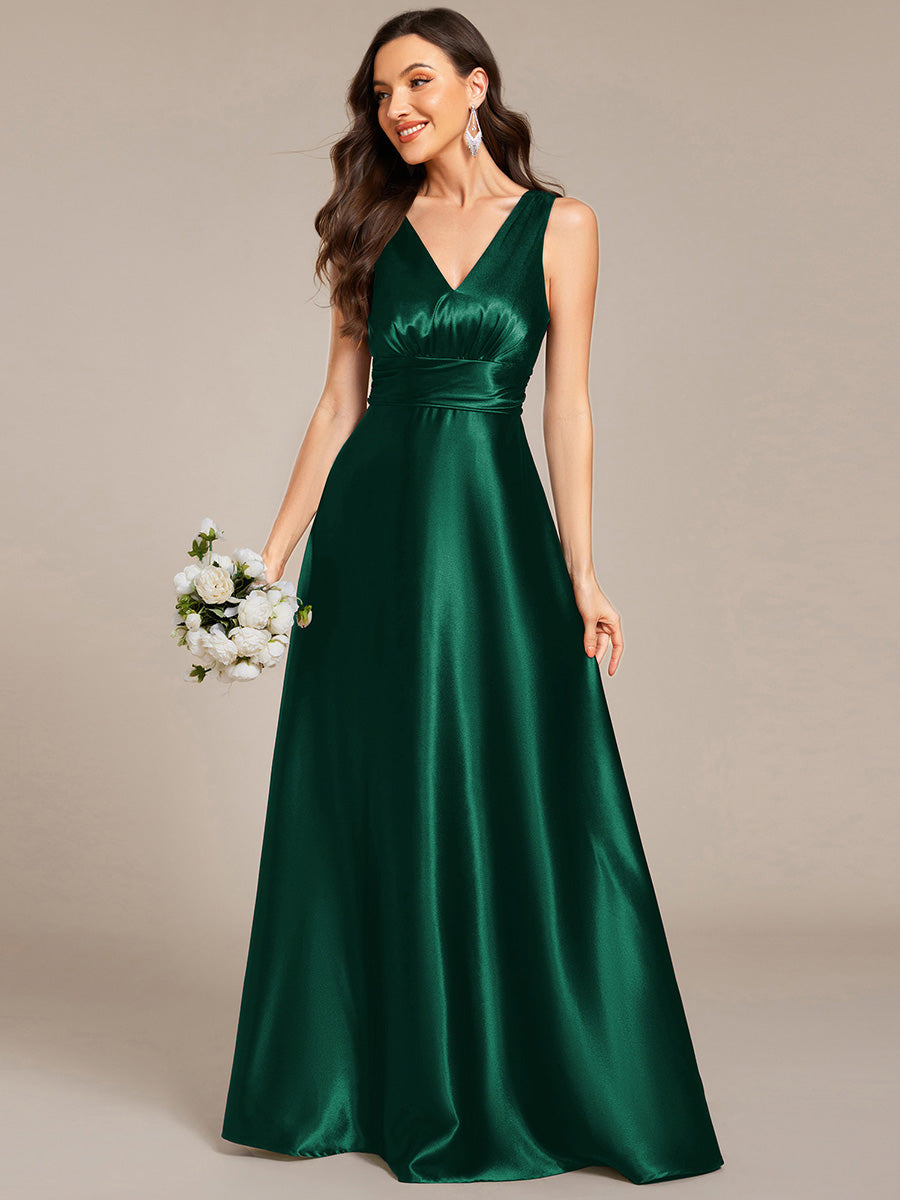
Creating a harmonious wedding look with satin bridesmaid dresses involves thoughtful styling that complements the bride’s vision while highlighting the fabric’s inherent elegance. From a first-person perspective, as someone who has coordinated numerous weddings, I recommend starting with color coordination: satin’s luminous quality enhances shades like dusty blue, blush pink, or emerald green, which can be tailored to the season and venue. Referencing iconic films such as “The Great Gatsby,” where satin attire epitomizes 1920s glamour, can inspire themes that blend vintage and modern elements. Accessories play a crucial role; delicate jewelry and flowing bouquets can accentuate the dress’s sheen without overwhelming it, a tip often shared by celebrity stylists on YouTube channels. For a scientific touch, consider the psychology of color—research from authoritative institutions like Harvard University suggests that certain hues evoke emotions, with satin amplifying this effect through its reflective surface. In practice, mixing and matching dress styles within the same satin fabric can add depth to the bridal party’s appearance, as demonstrated in real wedding galleries on platforms like Pinterest. Moreover, discounted bundles from retailers allow for customizations like sashes or lace overlays, providing professional knowledge on achieving a high-end look without exceeding budgets. By integrating these styling strategies, satin bridesmaid dresses become the cornerstone of a visually stunning wedding, ensuring that every detail contributes to a timeless and unified celebration.
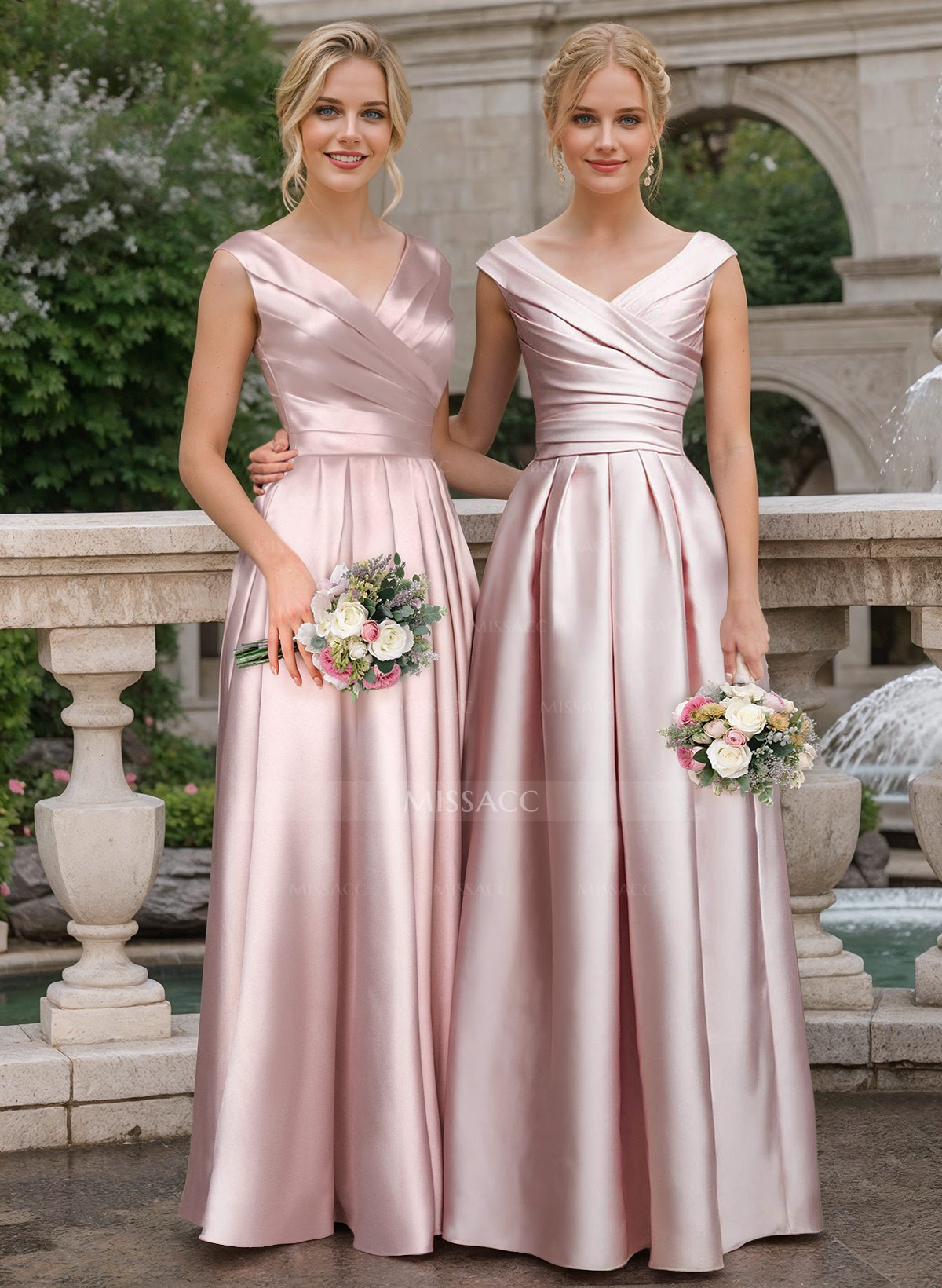
In essence, the choice of satin bridesmaid dresses transcends fleeting trends, offering a blend of scientific innovation, historical richness, and practical benefits that elevate any wedding. By embracing this fabric, you invest in an experience defined by elegance and joy, where every moment is framed in timeless beauty.