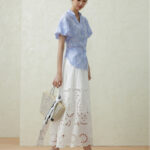
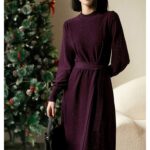
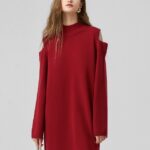
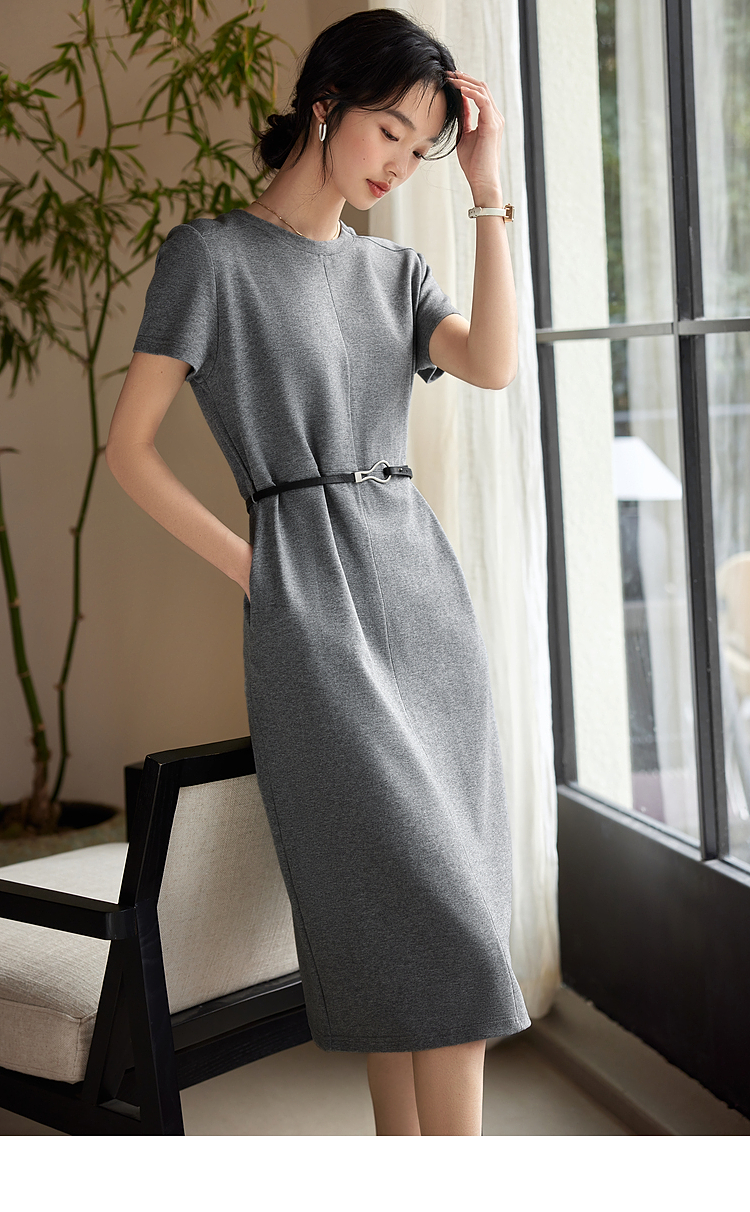
5 Chic Semi-Formal Dresses for Women to Elevate Your Wardrobe
Navigating the space between casual daywear and full evening glamour can be a sartorial challenge. The answer, however, is beautifully simple: the semi-formal dress for women. This category is the wardrobe’s versatile powerhouse, designed for occasions that demand polish without pretense. It’s about curated elegance that feels intentional yet effortless. Here, we explore five distinct dress archetypes that define this essential style, moving beyond mere trends to focus on timeless silhouettes, intelligent fabric choices, and the psychological impact of dressing well. This isn’t just about what to wear; it’s about understanding the language of attire and how the right semi-formal dress for women can become a tool for confidence and personal expression in professional gatherings, sophisticated dinners, and pivotal social events.
The Wrap Dress: Architectural Flattery
The wrap dress stands as a monument to intelligent design in the realm of semi-formal dresses for women. Its genius lies in its universally flattering architecture. The diagonal line created by the wrapping fabric visually elongates the torso, while the adjustable tie allows for a customized fit that celebrates the individual form. This is not merely a fashion opinion; it’s a principle rooted in the golden ratio and concepts of aesthetic proportion studied in art and design schools globally. The wrap silhouette creates a natural waist emphasis and a V-neckline, two elements consistently cited in style psychology as conveying confidence and approachability. From a practical standpoint, the wrap dress is a marvel of adaptability. A jersey knit version in a dark, solid hue transitions seamlessly from a day of meetings to an evening cocktail hour with a simple change of accessories—swap ballet flats for strappy heels, add a statement necklace. The fabric choice is critical: a matte jersey or crepe offers a sophisticated drape that resists wrinkling, embodying the ease required for the semi-formal code. As fashion historian Valerie Steele noted in her work for The Museum at the Fashion Institute of Technology, “Clothing is a tool for navigating the social world.” The wrap dress is precisely that tool—democratic, forgiving, and perpetually chic.
The Midi Slip Dress: Understated Sensuality
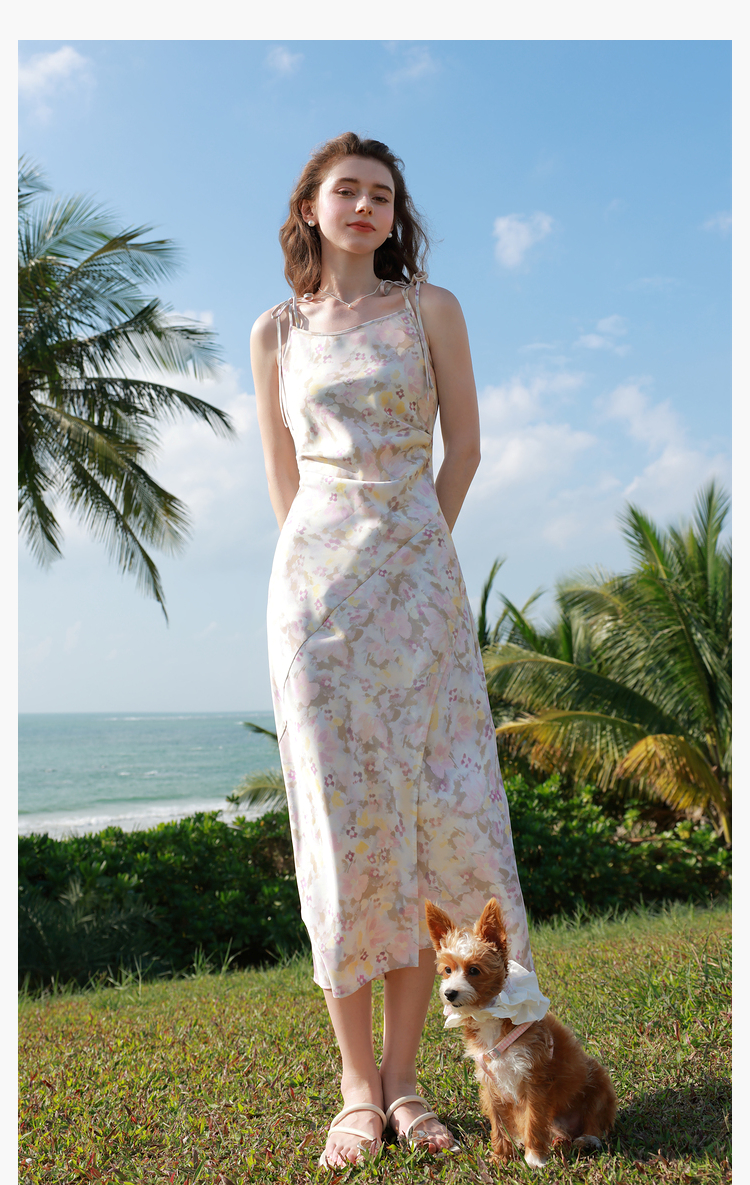
Emerging from the intimate foundations of lingerie, the slip dress has been masterfully translated into a cornerstone of public semi-formal elegance. The modern iteration for this purpose is almost always the midi length, striking a perfect balance between coverage and allure. Its power is in its understatement—a clean, columnar line in satin, charmeuse, or heavy silk that skims the body, speaking through texture and movement rather than overt structure. This aligns with the minimalist philosophy that “less is more,” a tenet popularized by architect Ludwig Mies van der Rohe and deeply influential in modern design aesthetics. A semi-formal dress for women in this style relies on the inherent luxury of its material. As the Costume Institute at the Metropolitan Museum of Art has highlighted in exhibitions like “About Time: Fashion and Duration,” the simplicity of the slip dress form allows the quality of the fabric to become the primary focus. To elevate it for a semi-formal setting, consider layering. A tailored blazer or a fine-gauge knit cardigan instantly adds a layer of polish, while delicate gold jewelry and structured clutch provide contrast to the dress’s fluidity. It’s a look that whispers rather than shouts, offering a refined sensuality perfectly suited for gallery openings, intimate weddings, or upscale dinners where subtlety is the ultimate sophistication.
Fabric Science: Why Material Dictates Formality
Understanding why one dress reads as semi-formal while another does not often boils down to a single, scientific factor: fabric composition and construction. The formality of attire is directly linked to the perceived effort, cost, and propriety of the materials used. Natural fibers like silk, wool crepe, and high-grade cotton (e.g., poplin or sateen) are staples in the semi-formal dresses for women category for reasons grounded in both physics and perception. Silk, for instance, possesses a unique protein structure that refracts light, giving it a distinctive, gentle luster associated with luxury. Wool crepe, with its crinkled texture and elegant drape, holds its shape impeccably, signaling care and quality. In contrast, synthetic fabrics like polyester, unless expertly woven to mimic these properties, can often retain heat, generate static, and possess a tell-tale sheen that undermines a sophisticated look. The authoritative website of the Cornell University Department of Fiber Science & Apparel Design publishes extensive research on how fiber properties affect garment performance and perception. For the consumer, this knowledge is power. Investing in a dress made from a natural or high-quality blended fabric is not just an aesthetic choice; it’s a strategic one. These garments breathe better, drape more gracefully, and maintain their integrity over time, offering a superior cost-per-wear ratio. When browsing, feel the weight of the fabric, examine its weave, and check the label. A dress described as “silk-blend” or “wool crepe” is a reliable entry point into building a semi-formal wardrobe with lasting value.
The Shirt Dress: Tailored Authority
For scenarios where the semi-formal dress code intersects with a professional or daytime-centric environment, the shirt dress reigns supreme. It borrows the authoritative vocabulary of a men’s dress shirt—the collar, the placket, the cuff—and translates it into a feminine, dress form. This creates an immediate impression of competence and organization, a concept supported by numerous studies on enclothed cognition, which examines the systematic influence that clothes have on the wearer’s psychological processes. Researchers like Hajo Adam and Adam D. Galinsky have published work (in the Journal of Experimental Social Psychology) demonstrating that wearing clothing associated with certain traits can actually enhance performance related to those traits. A crisp shirt dress, therefore, isn’t just appropriate attire; it can actively prime a mindset of focus and capability. The key to ensuring it meets semi-formal standards is in the details and styling. Opt for a version in a luxe fabric like faille, taffeta, or a heavy satin, and ensure the cut is tailored, not boxy. Cinch it with a sleek leather belt to define the waist. Pair it with heeled ankle boots or classic pumps, and carry a minimalist tote or structured satchel. This look is unparalleled for client lunches, conference attendance, or weekend bridal showers where you wish to project an image of polished, effortless authority.
“Style is a way to say who you are without having to speak.” — Rachel Zoe, Celebrity Fashion Stylist. This sentiment captures the essence of choosing a semi-formal dress. It’s a non-verbal communicator of your personal brand and intent for the occasion.
The Fit-and-Flare: Timeless Femininity
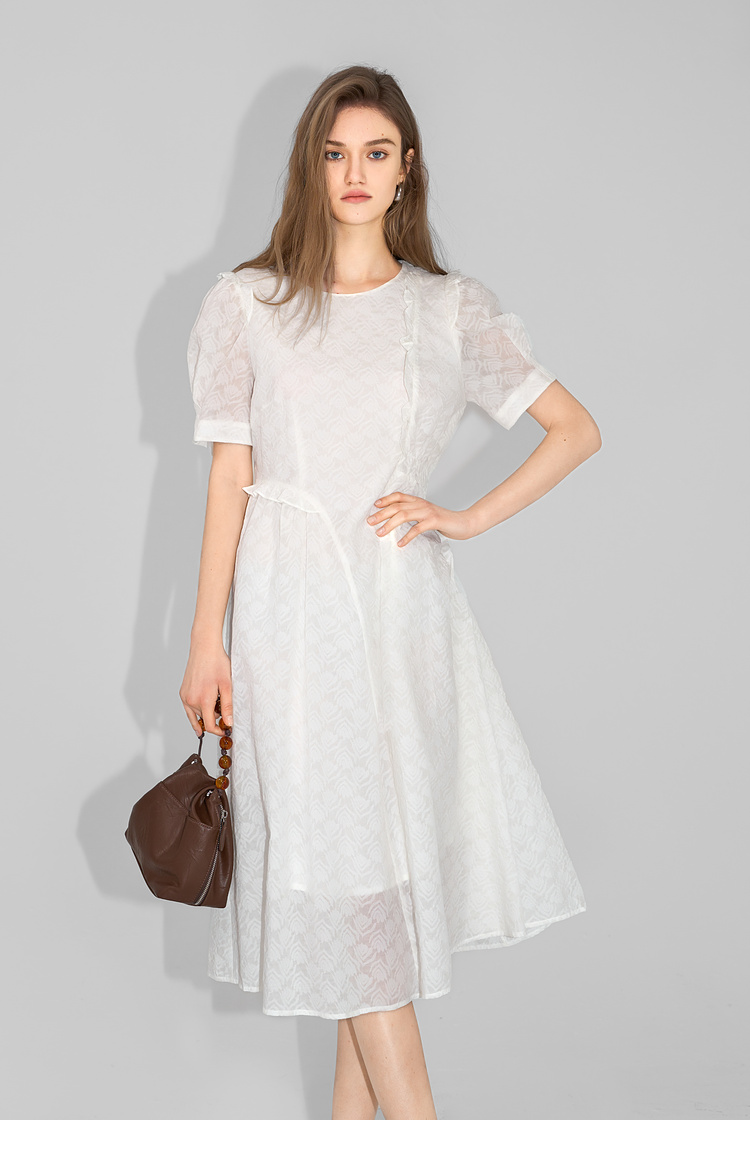
The fit-and-flare dress, with its nipped-in waist and buoyant skirt, is a timeless love letter to classic femininity. Its silhouette has dominated decades of fashion, from the New Look of Christian Dior in the 1950s to modern reinterpretations, proving its enduring appeal. This enduring popularity is not accidental. The shape creates an hourglass illusion, a silhouette historically and cross-culturally often associated with vitality and health. In his book “The Body Electric,” evolutionary psychologist Dr. David M. Buss discusses how certain physical proportions can signal fitness, a deep-seated association that may contribute to the silhouette’s lasting positive reception. For a semi-formal context, the key is to avoid overly childish or costumey fabrics. Think sophisticated materials: a textured brocade for winter, a lightweight wool for fall, or a elegant jacquard for year-round wear. The neckline should be refined—a sweetheart, a modest V, or a jewel neckline. This dress is the quintessential choice for events like afternoon weddings, holiday parties, or sophisticated birthday dinners where joy and celebration are central. It allows for movement and dance while maintaining an impeccable line, making it both beautiful and functional. It is, in many ways, the most traditionally celebratory of all semi-formal dresses for women, offering a guaranteed sense of occasion.
The Investment Mindset: Cost-Per-Wear vs. Discounted Price
Building a wardrobe of elevated semi-formal dresses for women requires a shift from a consumption mindset to an investment mindset. The initial price tag is less important than the long-term value, calculated through the metric of cost-per-wear. A $300 dress worn 30 times over several seasons costs $10 per wear, while a $80 dress worn only twice before losing its shape or falling out of favor costs $40 per wear. The true “discounted price” is found in the enduring piece, not the fleeting trend. This philosophy is echoed by sustainable fashion advocates and personal finance experts alike. To operationalize this, focus on versatile colors (navy, black, emerald green, burgundy), impeccable construction (check seams, lining, and zipper quality), and the classic silhouettes outlined above. Furthermore, savvy shopping means knowing when and where to invest. End-of-season sales at reputable retailers, outlet stores for classic brands, and even pre-owned platforms like The RealReal or Vestiaire Collective are excellent avenues to acquire high-quality pieces at a significant reduction. The goal is to curate a capsule of dresses where each one is a hero piece, capable of being reinvented with different layers and accessories, thus providing exponential styling options and ensuring each garment earns its place in your closet through repeated, confident wear.
Elevating your wardrobe is an exercise in intentionality. It moves past filling a closet to curating a toolkit for your life. These five dress archetypes—the Wrap, the Midi Slip, the Shirt Dress, and the Fit-and-Flare—each offer a distinct dialect in the language of semi-formal attire. By understanding the principles of flattering silhouettes, the science of fabric, and the psychology of investment dressing, you empower yourself to make choices that confer confidence, express individuality, and seamlessly carry you through the myriad occasions that define a dynamic life. The right dress is not just an outfit; it’s your opening statement.