How to Style a Retrofete Dress for Effortless Vintage Glamour
In a world where fashion cycles spin faster than ever, there exists a sartorial sweet spot where contemporary design meets timeless allure. This is the domain of the retrofete dress, a garment that doesn’t merely borrow from the past but reinterprets it with a sharp, modern sensibility. Achieving that coveted “effortless vintage glamour” isn’t about costume play or rigid historical replication; it’s a nuanced art of balancing nostalgia with now, of letting a single statement piece anchor a look that feels both intentional and beautifully spontaneous. This exploration is your guide to mastering that balance, transforming a retrofete dress from a beautiful item in your closet into the centerpiece of your most confident, glamorous self.
Decoding the Retrofete Ethos: More Than Just “Vintage-Inspired”
To style a retrofete dress effectively, one must first understand its foundational philosophy. The term “retrofete” itself is a portmanteau, suggesting a look back (“retro”) that is celebrated or fashioned (“fete”). Unlike strict vintage, which refers to items from a specific past era (typically 20-100 years old, as defined by fashion historians and marketplaces like The Vintage Fashion Guild), retrofete design is inherently contemporary. It selectively curates elements—a silhouette from the 1950s, a print from the 1970s, the sequin work of the 1980s—and reconstructs them with modern fabrics, fits, and attitudes. This is a concept echoed by designers like Tom Ford, who once noted, “Fashion is about translating the zeitgeist. What’s happening in the world influences what we design.” A retrofete dress translates the zeitgeist of a bygone era through the lens of today’s technology and social context. The craftsmanship is often a key differentiator; where true vintage might show its age in delicate seams or fragile fabrics, a well-made retrofete dress offers the aesthetic with enhanced durability and often, a more universally flattering cut. This fusion is what allows for “effortless” glamour—you receive the emotional resonance and visual impact of vintage without the practical concerns of maintaining a fragile artifact.
Silhouette as Your Starting Point: Identifying Your Dress’s Era
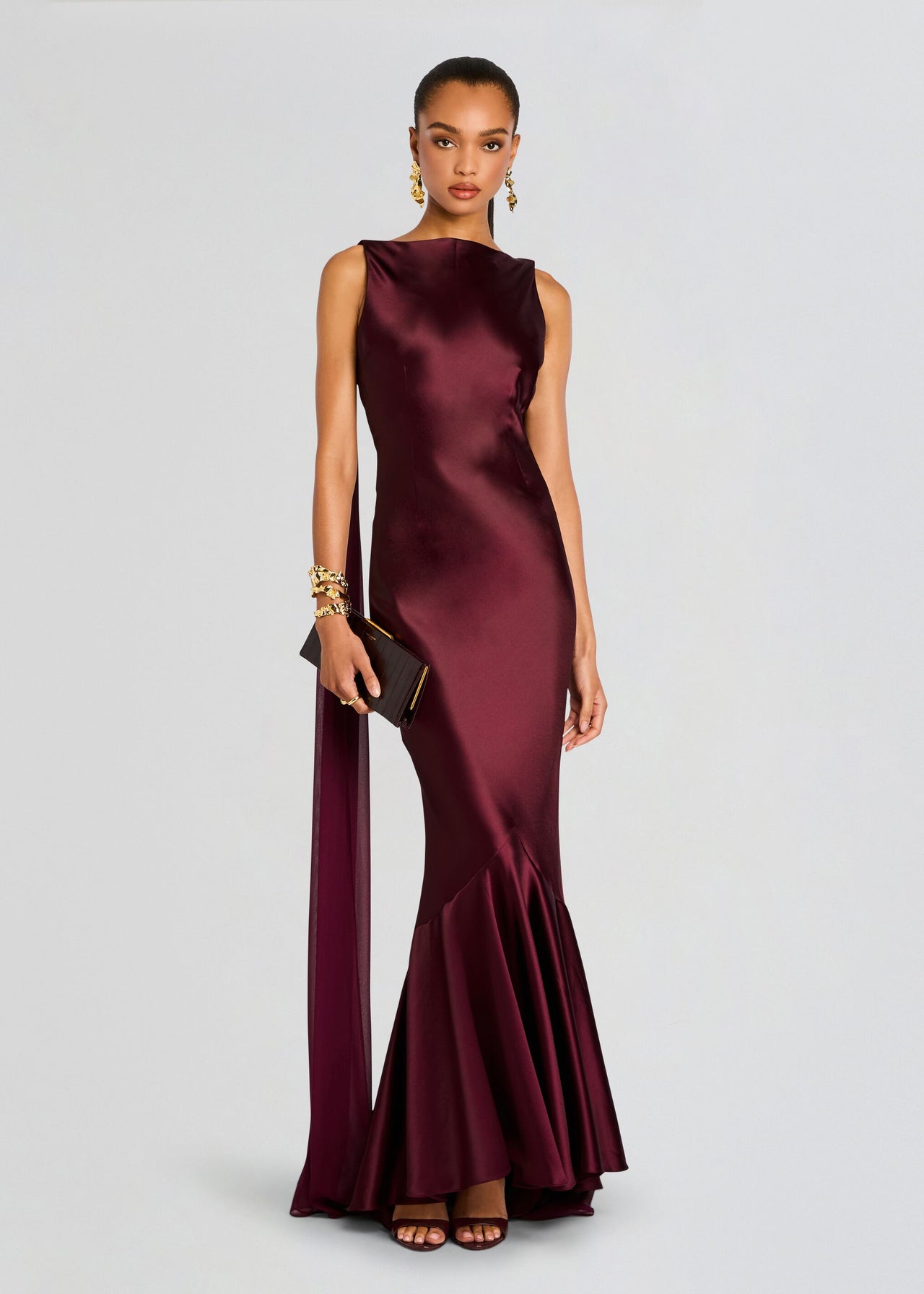
Every retrofete dress whispers—or sometimes shouts—the decade it references. Your styling journey begins with listening. Is it a fit-and-flare number with a defined waist and full skirt, calling directly to the post-war New Look pioneered by Christian Dior in the late 1940s and 1950s? This silhouette, as fashion historian Valerie Steele outlines in her work for The Museum at the Fashion Institute of Technology, was a deliberate reaction to wartime austerity, emphasizing hyper-femininity and opulence. Or perhaps it’s a sleek, body-conscious slip dress, echoing the minimalist chic of the 1990s, a era defined by designers like Calvin Klein and popularized by icons like Kate Moss? The era your dress evokes sets the stage for your accessory and styling choices. A 1950s-inspired dress might beg for a structured clutch and a classic pump, channeling the polished grace of Audrey Hepburn. A 1970s-inspired paisley or prairie maxi dress, however, opens the door to layered necklaces, a floppy hat, and platform sandals, embracing the bohemian spirit documented in films like Almost Famous. The goal is not historical accuracy but harmonious dialogue. By recognizing the core silhouette, you can choose complementary pieces that amplify the reference without creating a head-to-toe period piece, which is the antithesis of effortless modern glamour.
The Alchemy of Accessories: Curating, Not Crowding
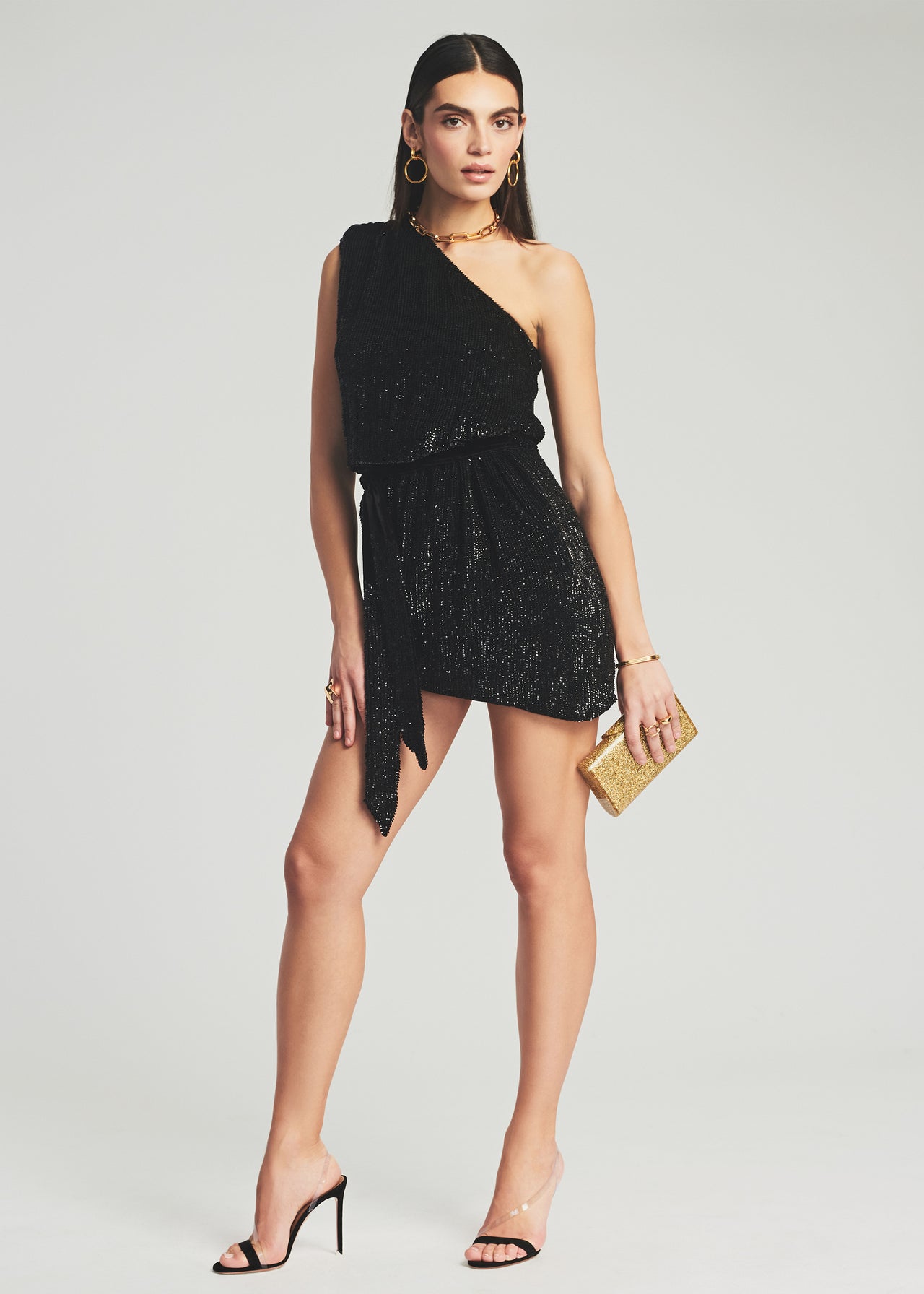
Accessories are the punctuation marks of an outfit, and with a bold retrofete dress, the rule is often “less is more, but make it significant.” The dress itself is the main character; your accessories should be its compelling supporting cast. For dresses with high visual impact—think heavy beading, bold prints, or dramatic ruffles—opt for minimalist, sculptural jewelry. A single, strong cuff bracelet or a pair of geometric earrings can ground the look. Conversely, a simple silk slip dress from the retrofete school of the 90s provides a perfect canvas for statement jewelry. Here, you can layer multiple delicate chains or don oversized pearl earrings, a trend revitalized by contemporary influencers and designers alike. Footwear is another critical lever. As stylist and author Allison Bornstein advocates in her “three-word method” for personal style, one word should anchor your look. If your dress is “romantic,” a delicate strappy sandal maintains the vibe. If it’s “disco,” a metallic platform heel amplifies it. If it’s “mod,” a clean white boot modernizes it. The handbag should follow suit; a beaded mini bag for a 1920s Gatsby-esque fringe dress, or a sleek leather top-handle for a 1960s shift dress. Remember, vintage glamour in the 21st century is edited. It’s the confidence to wear one incredible piece of jewelry rather than ten.
Beauty and Hair: The Finishing Touches That Unify
No discussion of vintage glamour is complete without considering beauty, for it is the bridge between the clothing and the individual wearing it. Your hair and makeup should feel like a natural extension of the dress’s personality, not a competing narrative. For a 1950s-inspired fit-and-flare, a soft, brushed-out wave or a polished low ponytail paired with a classic red lip and defined eyeliner captures the essence perfectly. This look isn’t about rigid victory rolls but a softened, wearable version of them. Makeup artist Lisa Eldridge, in her YouTube tutorials and book Face Paint, emphasizes that historical makeup looks can be adapted by using modern formulas for longevity and comfort. A 1970s-inspired dress pairs beautifully with center-parted, flowing hair (think a modern take on Farrah Fawcett’s waves) and a sun-kissed, glowy complexion with emphasis on the eyes. The key is to pick one or two focal points. If your dress has a high neckline or intricate details near the face, perhaps a bold lip is your anchor. If the dress is minimalist, a smoky eye or a unique hair accessory can add the vintage touch. The objective is a cohesive portrait where every element, from the hemline to the lip color, feels intentionally connected, creating that seamless, “effortless” finish.

Context is King: Adapting Your Glamour to the Setting
True style intelligence lies in adaptation. The same retrofete dress that stuns at a evening gala can be cleverly transformed for a chic daytime brunch or a creative office environment. This is where layering and styling nuance come into play. For daytime, counterbalance the dress’s inherent glamour with casual, contrasting elements. Throw a perfectly tailored denim jacket or a sleek leather moto over a sequined mini dress. Swap stilettos for clean white sneakers or block-heel ankle boots. As fashion director and consultant Leandra Medine (Man Repeller) often demonstrated, the friction between “fancy” and “casual” is where modern personal style thrives. For the office, a structured blazer in a neutral tone can temper a vibrant print or a slip silhouette, making it boardroom-appropriate while retaining its unique character. The principle is about managing visual weight and formality. A statement dress paired with other statement pieces can feel overwhelming for daytime, but when anchored by something simple and modern, the dress becomes a fascinating focal point. This versatility not only maximizes your wardrobe but also embodies the modern approach to vintage glamour: it’s not a costume for a specific occasion, but a flexible element of your personal aesthetic language.

Cultivating Your Vintage Glamour Mindset
Ultimately, styling a retrofete dress transcends the mechanical combination of clothing items. It is an exercise in cultivating a specific mindset—one of confidence, playfulness, and personal narrative. Vintage glamour, in its contemporary interpretation, is not about looking like you stepped out of a time machine. It’s about weaving threads of the past into the fabric of your present identity. It’s the understanding that wearing a dress inspired by the bold shoulders of the 1980s can be an act of embracing power dressing in your own career. It’s knowing that the fluidity of a 1930s bias-cut gown can mirror a desire for elegance and ease in your modern life. This mindset gives you permission to experiment, to break “rules,” and to wear these beautiful pieces with a sense of ownership rather than homage. As the iconic Diana Vreeland famously proclaimed, “You don’t have to be born beautiful to be wildly attractive.” The attraction lies in the confidence with which you wear your chosen glamour. When you understand the references, curate your accessories with intention, adapt to your environment, and tie it all together with complementary beauty looks, you do more than just wear a dress. You embody a feeling—a glamorous, effortless, and uniquely yours version of history, re-feted for today.