How to Style a Retrofete Dress for Effortless Vintage Glamour
In a world where fashion cycles spin faster than ever, the allure of a bygone era remains a constant source of inspiration. Achieving that perfect blend of nostalgic charm and contemporary polish, however, can feel like a delicate art. This is where the magic of a retrofete dress truly shines. More than just a garment, it is a pre-conceived portal to vintage glamour, designed not as a literal reproduction but as a modern interpretation that understands the silhouette, spirit, and sophistication of decades past. The goal is not costume play, but an effortless integration of timeless elegance into your modern wardrobe. This guide will navigate the nuances of styling these distinctive pieces, transforming you from someone wearing a vintage-inspired dress into a curator of personal, iconic style.
The Philosophy of Retrofete: Where Vintage Meets Now
To master styling a retrofete dress, one must first understand its design ethos. Retrofete, as a concept in fashion, sits at the intersection of “retro” and “coquette,” suggesting a playful yet sophisticated look back. The brand itself is renowned for capturing the essence of iconic periods—be it the sleek bias cuts of the 1930s, the full skirts of the 1950s, or the disco-infused sequins of the 1970s—and refining them with contemporary fabrics, fits, and sensibilities. As fashion historian and author of “The Anatomy of Fashion,” Colin McDowell, once noted, “The most successful retro styles are those that do not slavishly copy but instead evoke the feeling of an era.” This is the scientific approach to vintage styling: it’s an exercise in selective nostalgia. We are not adopting every aspect of a past decade, but rather curating its most flattering and emotionally resonant visual languages. A true retrofete dress often employs this methodology, using elements like a defined waist, strategic draping, or art deco beading as objective, style-signaling tools. These are not arbitrary decorations; they are design principles rooted in historical context that have been proven, through decades of aesthetic evolution, to create a silhouette associated with glamour and grace.
Decoding the Silhouette: Choosing Your Era
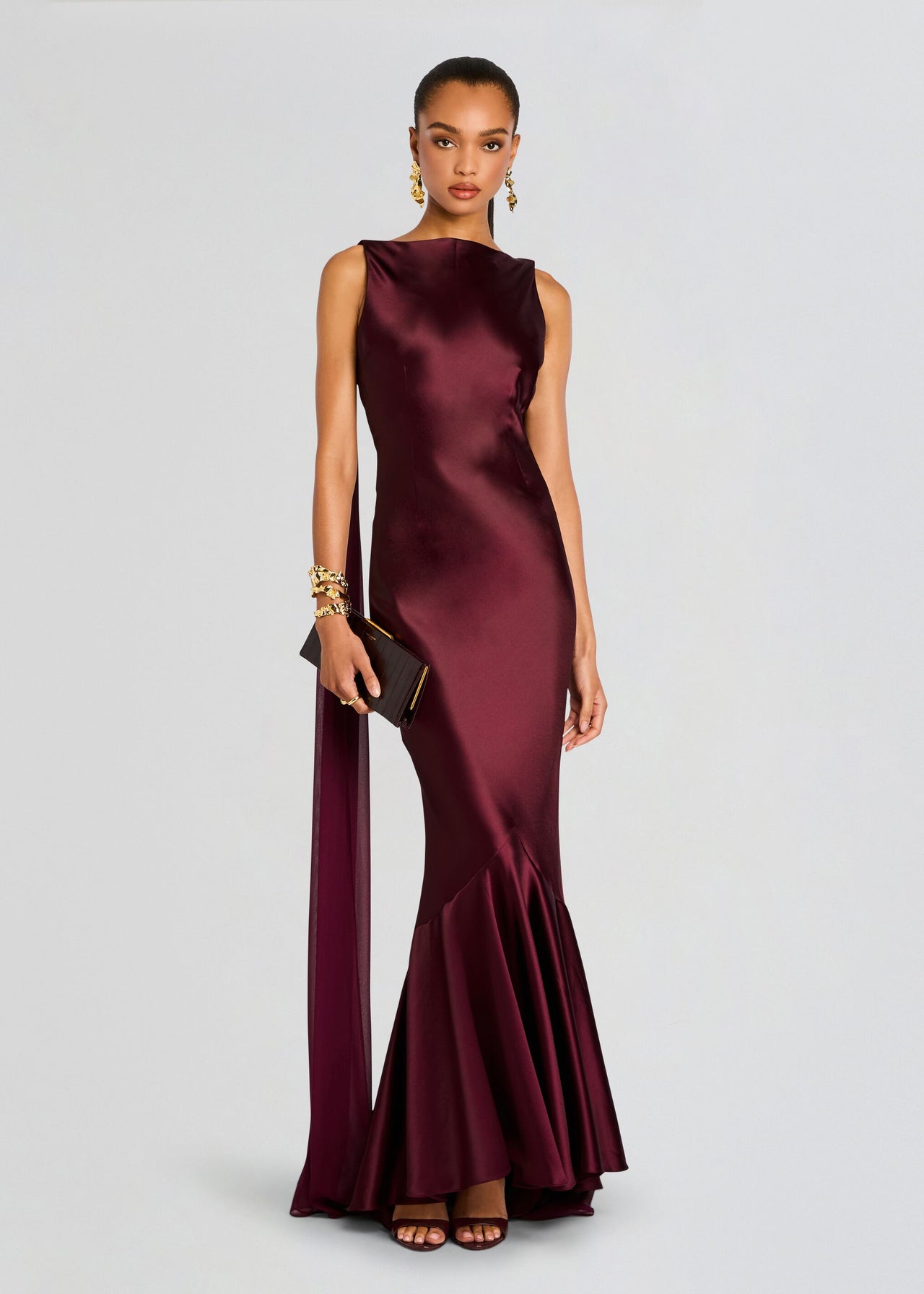
The first and most crucial step is alignment between the dress’s inherent silhouette and your personal style narrative. A retrofete dress typically champions one of several classic forms. The fit-and-flare, a direct descendant of the post-war New Look pioneered by Christian Dior, emphasizes the waist and creates a joyful, feminine hourglass. The slip dress, with its roots in the minimalist 90s but echoing the lingerie-inspired styles of the 30s, offers a sleek, body-conscious line that speaks of understated confidence. The structured column gown, reminiscent of Hollywood’s Golden Age, provides a statuesque and commanding presence. Your choice here is foundational. Consider the statement you wish to make: is it playful romance, sleek modernity, or old-world drama? Websites like Vogue’s archival features or academic resources from institutions like the Fashion Institute of Technology’s museum can serve as excellent references to understand the provenance and power of each silhouette. This isn’t about limiting yourself; it’s about making an informed choice. When you understand that the A-line skirt of your dress is a design evolution from Balenciaga’s 1950s innovations, you wear it with a different kind of authority—a connection to a lineage of style that transcends fleeting trends.
The Alchemy of Accessories: Curating, Not Crowding
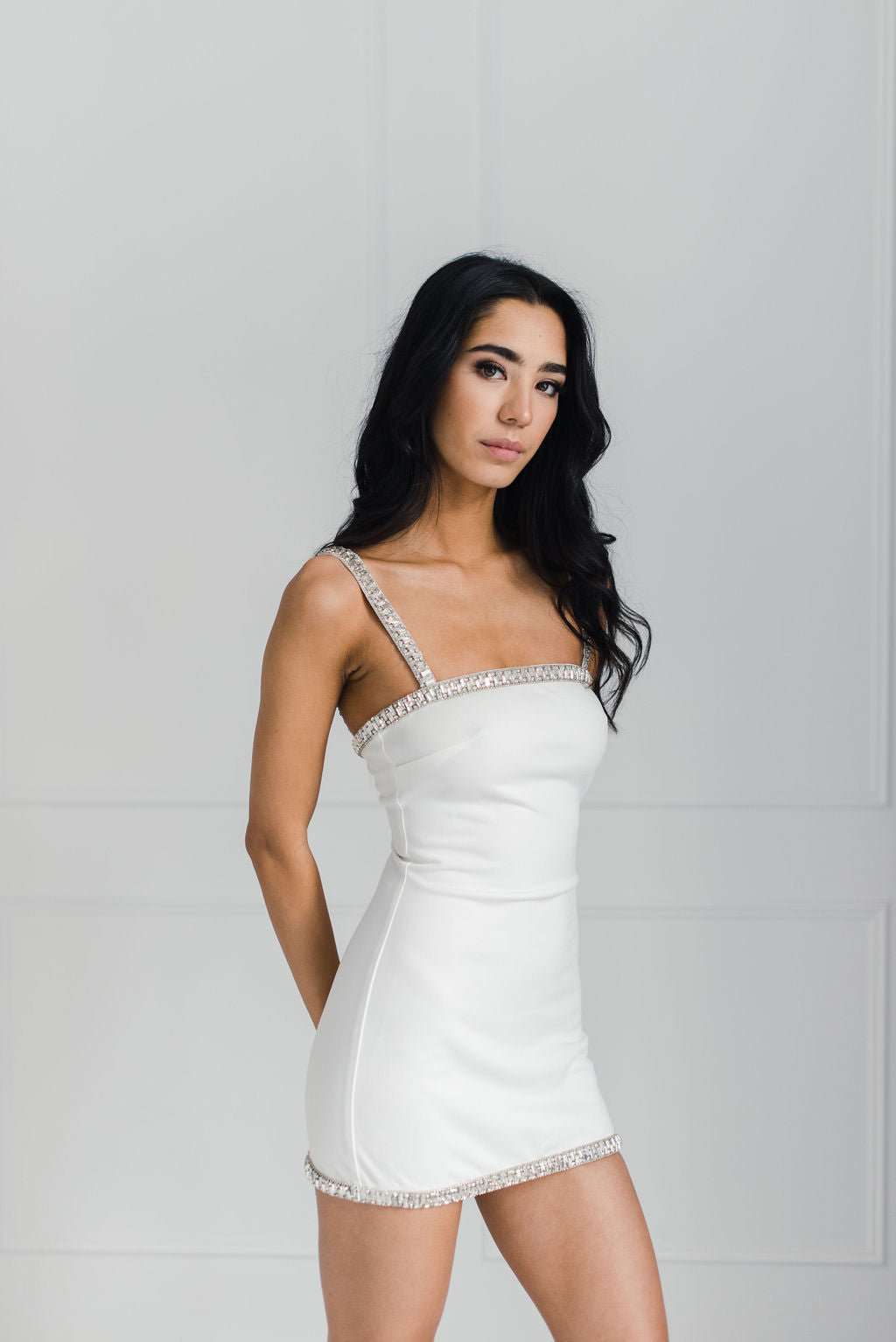
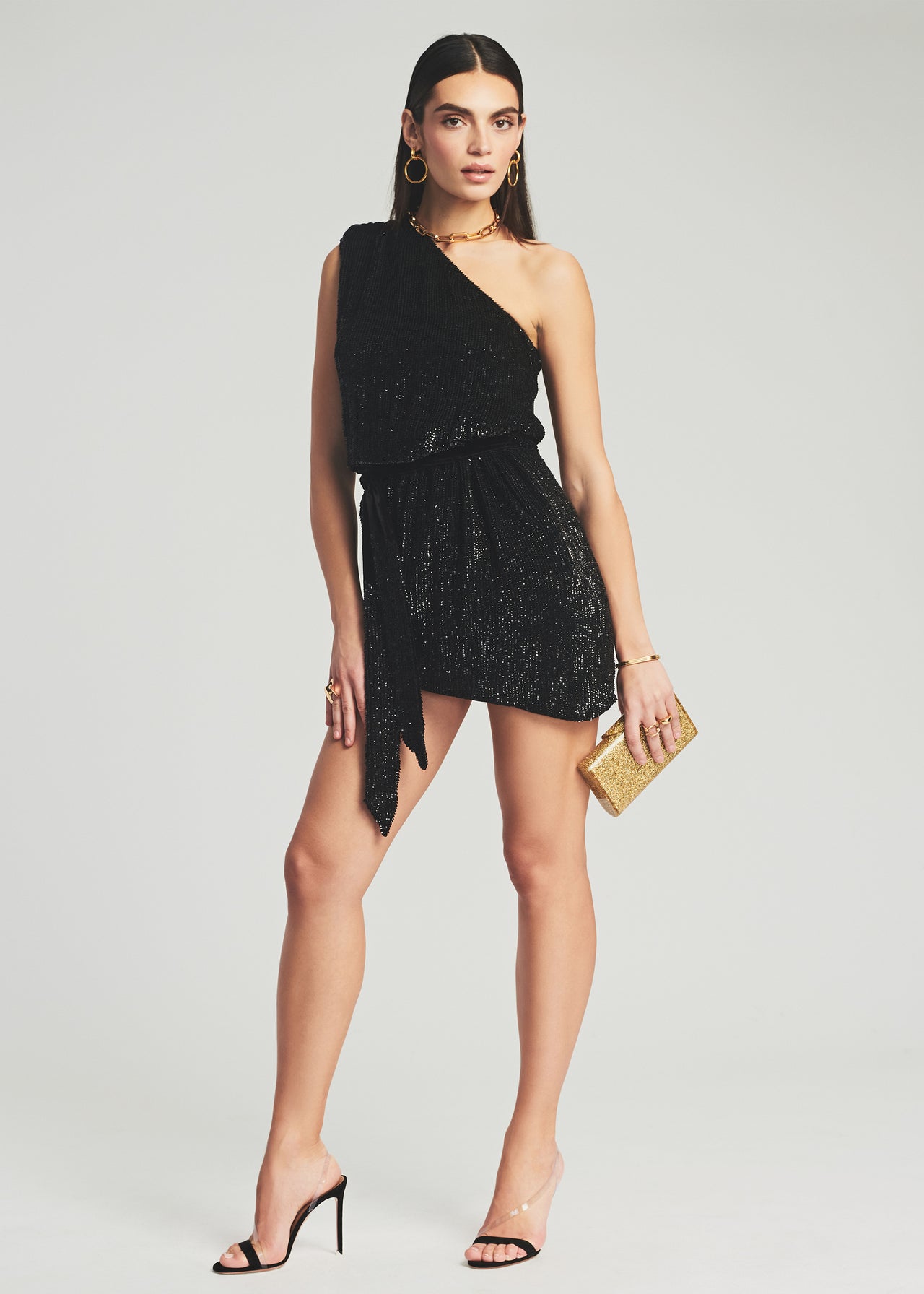
Accessorizing a vintage-inspired look is where many falter, often veering into thematic overload. The key principle is alchemy—combining elements to create something greater, not just adding more. A retrofete dress, with its often-detailed craftsmanship, usually demands a “less is more” approach. Let the dress be the hero. For a heavily sequined or embroidered cocktail dress, your accessory mantra should be refinement. A simple pair of sleek, metallic strappy heels and a minimalist clutch allow the dress’s texture to take center stage. Conversely, a simple silk slip dress becomes a canvas for statement pieces. Here, you can channel the wisdom of style icons like Carolyn Bessette-Kennedy, whose 90s ethos championed clean lines punctuated by singular, powerful accessories. A bold, sculptural earring or a vintage-inspired watch can anchor the look. Footwear is particularly telling. A block heel sandal references the 70s with modern comfort, while a pointed-toe stiletto instantly sharpens a 50s circle skirt for downtown appeal. Remember, vintage glamour is in the subtle cues. A red lip, a classic fragrance, and perfectly styled hair often contribute more to the overall “effortless” effect than any piece of jewelry ever could.
Modern Anchors: The Art of Contemporary Contrast
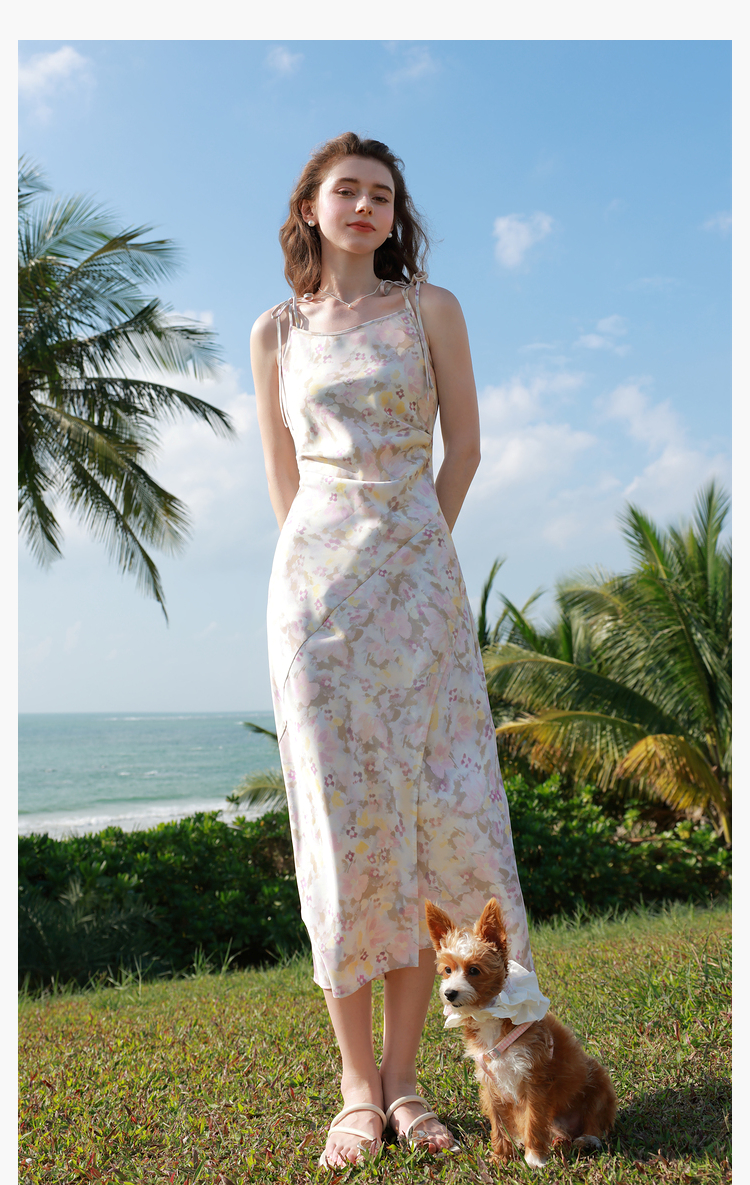
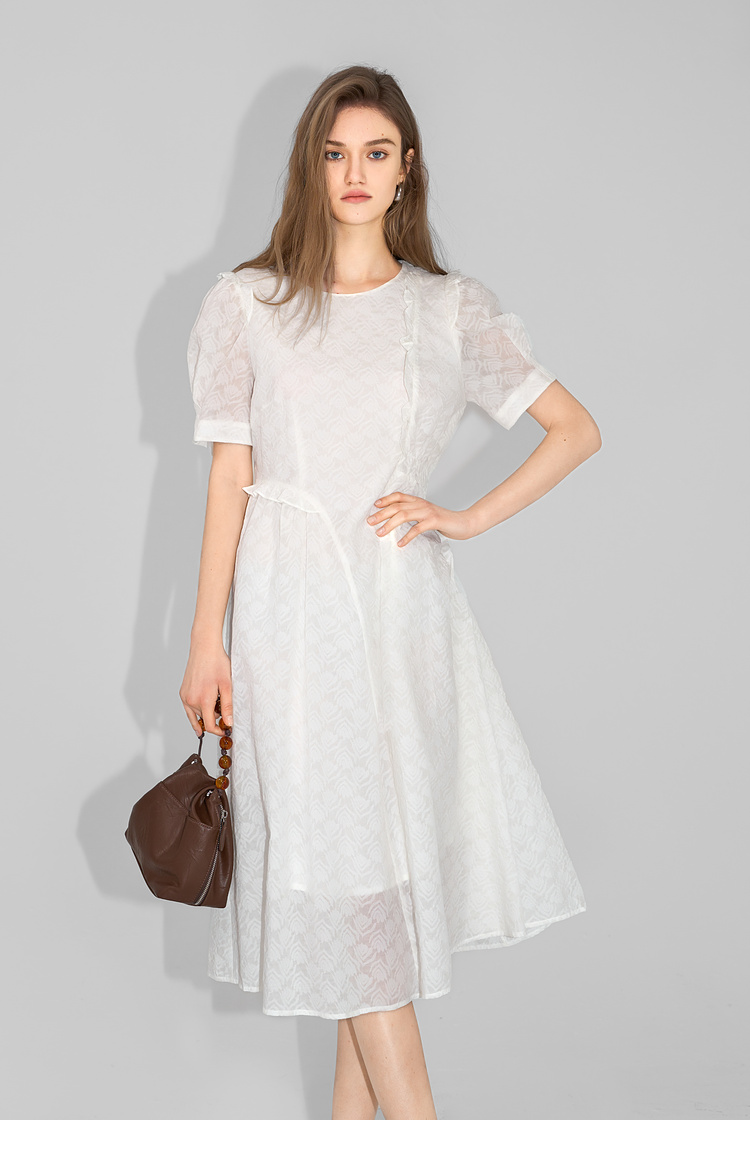
Perhaps the most vital technique for avoiding a costume-like appearance is the strategic use of modern anchors. This is the practice of intentionally pairing your vintage-glamour piece with unequivocally contemporary items. The contrast creates tension and relevance. Think of it as a stylistic dialogue between past and present. For example, pair a delicate, lace-trimmed retrofete dress with a sleek, black moto-style leather jacket. The toughness of the jacket instantly grounds the femininity of the dress, creating a look that is red-carpet-ready yet feels casually cool. Similarly, style a flowing, floral-print maxi dress with simple white sneakers or minimalist flat sandals. This approach, frequently celebrated by street-style photographers and influencers on platforms like Instagram, demonstrates a mastery of style—it shows you understand the references but are not bound by them. Even your choice of bag can serve this purpose. A classic beaded evening gown paired with a modern, geometric box clutch feels fashion-forward, while the same gown with a vintage-style beaded purse might feel like a period piece. This method is your insurance policy for effortlessness; it signals that the glamour is a natural extension of your personal style, not a borrowed persona.
Beauty and Grooming: The Finishing Symphony
Your beauty look should harmonize with, not compete against, your dress. This requires a scientific, almost archaeological, look at the corresponding era’s beauty ideals, followed by a modern filter. A 1920s-inspired fringe-beaded flapper dress calls for a smoky eye and a dark lip, but a 2024 interpretation would use cleaner lines and longer-wearing, matte formulas rather than attempting perfectly historical makeup. For a 1950s-style fit-and-flare, the iconic winged eyeliner and red lip are a powerful combination, but ensure the liner is sharp and modern, not overly rounded. Hairstyling follows the same rule. Voluminous 60s waves look best when slightly tousled and lived-in, not helmet-perfect. As celebrity hairstylist Guido Palau has stated in interviews, “The best vintage hair has a touch of now… it shouldn’t look like you just stepped out of a time machine.” Your grooming is the final layer of polish. Manicured nails, whether in a classic red or a neutral tone, and considered skincare that gives a natural glow, complete the picture of someone who attends to details. This holistic approach ensures that from head to toe, every element is conspiring to create a cohesive vision of modern vintage glamour.
From Day to Night: Versatility in Glamour
A common misconception is that such dresses are reserved for singular, special occasions. The true test of a garment’s value is its versatility. A well-chosen retrofete dress can be a workhorse in your wardrobe. A shirt-dress style with a vintage collar can be worn to a daytime meeting with loafers and a tote, then transformed for evening with statement earrings and heels. A simple, knee-length shift dress becomes a perfect canvas for layering—try it under a chunky knit sweater with boots for a fall day, or alone with sandals for a summer soirée. This adaptability is where professional knowledge pays off for the consumer. Understanding fabrications is key; a heavy brocade may be strictly evening, while a matte jersey or polished cotton can traverse contexts. Furthermore, investing in these pieces can be savvy when approached with insight. Signing up for brand newsletters, shopping end-of-season sales, or exploring reputable multi-brand retailers like The Luxe Lend or The After White often provides access to these designer pieces at discounted prices, making the investment in timeless style more accessible. The goal is to build a collection where each dress feels like a multi-faceted tool for self-expression, not a one-time costume.

Mastering the art of the retrofete dress is ultimately about cultivating a point of view. It moves beyond mere wearing into the realm of styling—a conscious act of selecting, editing, and combining elements to tell your unique story. It proves that vintage glamour is not a relic to be replicated, but a living, breathing aesthetic that can be woven seamlessly into the fabric of contemporary life. When you step out in a dress that echoes the grace of another time yet feels unequivocally of the moment, you embody a style that is both memorable and authentically your own. That is the effortless glamour we seek: not an imitation of the past, but a personal dialogue with it, resulting in a look that is polished, intentional, and captivatingly modern.