Mastering Semi-Formal Dresses for Every Occasion
Navigating the world of event attire can feel like deciphering a complex code. “Cocktail,” “business casual,” “smart casual”—the terms blur, leaving you staring into a closet full of clothes that suddenly feel either too formal or too casual. The sweet spot, the versatile hero of modern wardrobes, is the semi-formal dress. It’s not merely a category; it’s a strategic tool for confidence. This guide moves beyond vague suggestions to provide a foundational, almost scientific approach to selecting, styling, and owning the semi-formal dress for any event on your calendar, blending objective style principles with actionable professional knowledge to help you invest wisely.
Decoding the Dress Code: The Anatomy of Semi-Formal
Before we explore the dresses themselves, we must establish what “semi-formal” truly means from a sartorial perspective. It exists on the spectrum between casual daywear and full formalwear (like ball gowns or tuxedos). According to definitions aggregated from sources like Wikipedia and major fashion publications, semi-formal attire for women, often synonymous with “cocktail attire,” typically calls for knee-length or tea-length dresses, though sophisticated jumpsuits can also qualify. The fabric, cut, and detailing elevate it above everyday wear. Think of it as sartorial punctuation: it’s not the exclamation mark of a sequined gown nor the period of jeans and a tee; it’s the elegant em-dash—considered, intentional, and perfectly bridging two ideas. As style icon and former Vogue editor-in-chief Diana Vreeland once opined, “The eye has to travel.” A semi-formal dress facilitates this journey, offering visual interest through texture, silhouette, or color without overwhelming the setting. The key scientific principle here is contextual harmony. The dress should harmonize with the event’s environment—be it a gallery opening, an evening wedding, or an upscale dinner party. This isn’t about rigid rules but about understanding the visual language of social gatherings, a concept extensively discussed in sociological literature from institutions like the University of Cambridge on dress and identity.
Silhouette Science: Finding Your Architectural Form
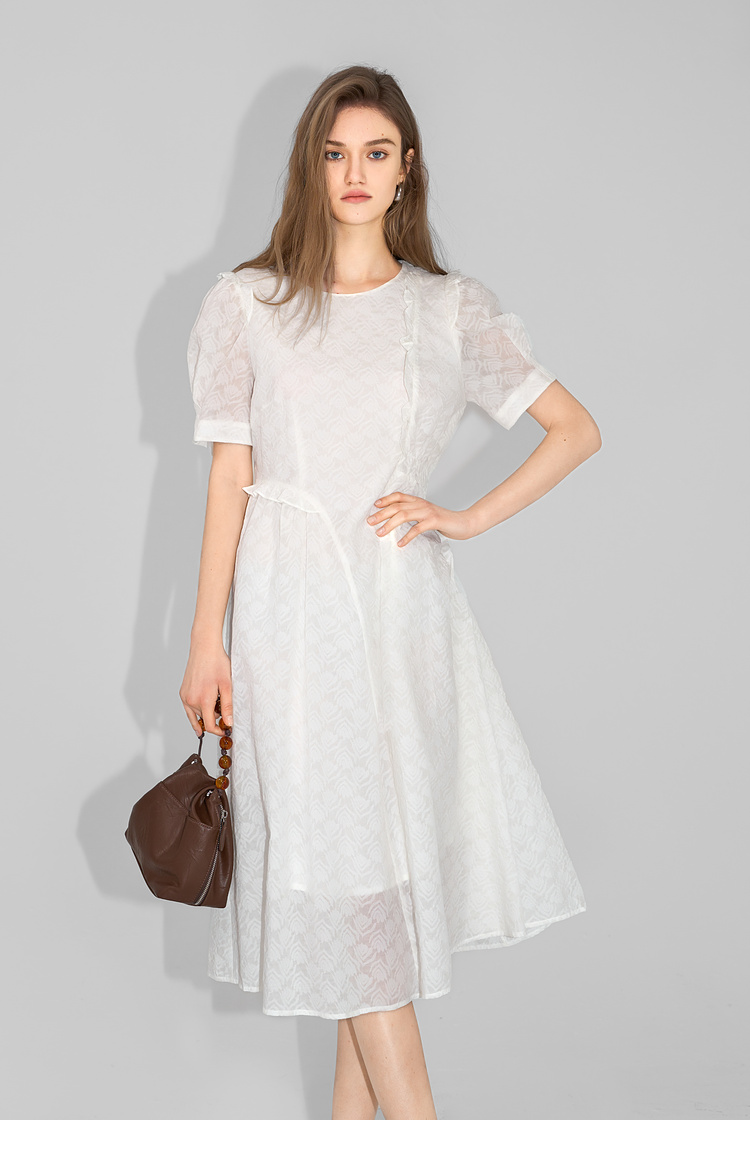
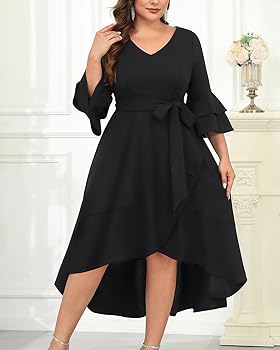
The foundation of any great semi-formal dress is its silhouette—the architectural shape it creates on your body. This isn’t about chasing trends but understanding which structures flatter your form and convey the desired message. Common silhouettes include the universally flattering A-line, which cinches at the waist and flows outward, the body-conscious sheath that follows your natural lines, and the playful fit-and-flare. The choice here is deeply personal and should be informed by principles of design and proportion, not just fashion magazines. For instance, the concept of the “golden ratio” or balanced proportion is often subconsciously applied in well-designed clothing. A dress that emphasizes the narrowest part of your torso (the waist) creates an hourglass illusion, a silhouette widely recognized across cultures as aesthetically pleasing, as noted in research on cross-cultural perceptions of beauty. When you try on dresses, assess them as an architect would a blueprint. Does the structure feel balanced? Does it allow for movement (a key factor for comfort at multi-hour events)? A sheath dress in a stretch crepe offers sleek sophistication, while an A-line in taffeta provides a more playful, retro vibe. Your goal is to find a silhouette that makes you feel structurally sound and powerful, a suit of armor made of silk or jersey.
The Fabric of Society: Material Matters and Textural Tactics
If silhouette is the architecture, fabric is the building material. The tactile quality of a dress communicates instantly. Semi-formal occasions demand fabrics that hold their shape, drape elegantly, and resist wrinkling. Scientifically, the weight, weave, and fiber content of a fabric determine its behavior. A heavy silk satin will fall and gleam differently than a lightweight chiffon. Crepe, with its slightly crinkled texture, is a workhorse for semi-formal dresses because it drapes beautifully, camouflages minor imperfections, and travels well. Velvet, a pile fabric, absorbs and reflects light richly, making it perfect for fall and winter events. As designer and Project Runway mentor Tim Gunn emphasizes, “Fabric is everything. The wrong fabric can ruin a good design, and the right fabric can elevate a simple one.” This is professional knowledge that saves you from poor purchases. A cheap polyester knockoff of a silk dress will not drape the same way; it may cling statically or emit a less luxurious sheen. Investing in natural fibers or high-quality blends is often where the real value lies. Furthermore, texture adds dimension. A lace overlay, beaded embroidery, or pleated detail can transform a simple silhouette into a statement piece, engaging the sense of touch as well as sight.

The Chromatic Strategy: Color Psychology and Event Appropriateness
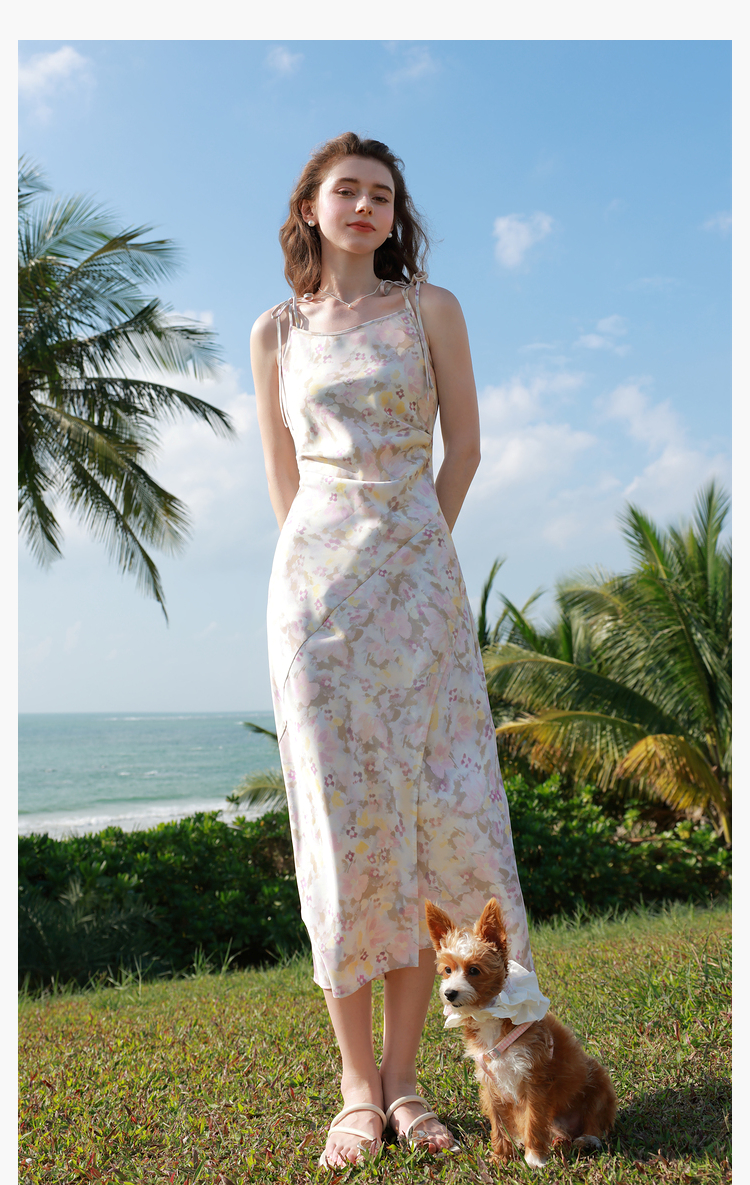
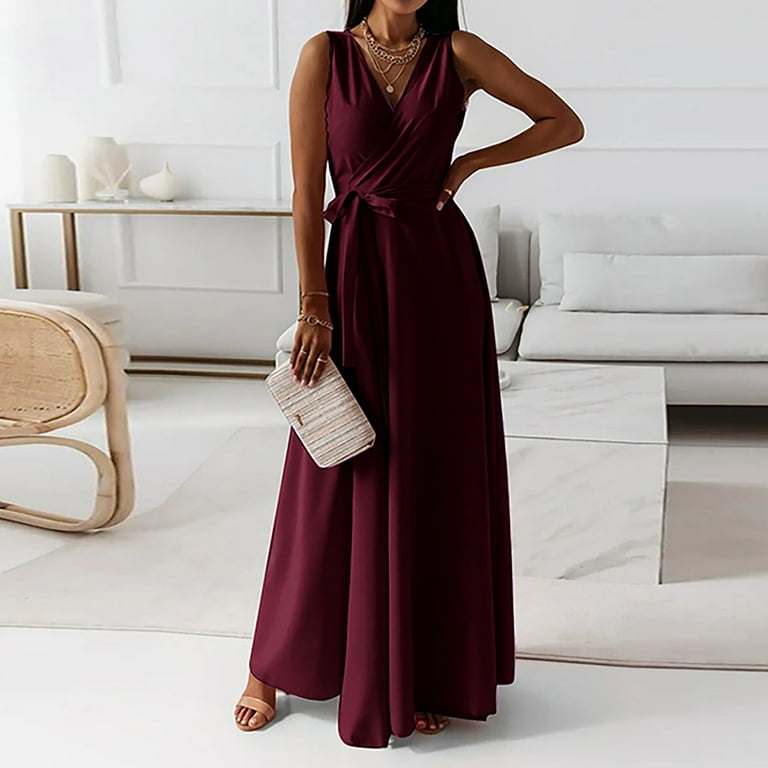
Color is not an afterthought; it is a primary communication tool. The psychology of color is a well-studied field, with research from authoritative sources like the Pantone Color Institute and university psychology departments showing that colors evoke specific emotional and perceptual responses. For a daytime semi-formal event like a garden wedding or luncheon, lighter hues—pastels, creams, soft florals—align with the ambient light and mood. For evening, deeper tones like emerald green, navy, burgundy, or classic black command attention and sophistication under artificial lighting. Consider also the cultural and contextual setting. A bright red dress may exude confidence at a holiday party but could be considered overly bold for a somber event. The classic Little Black Dress (LBD) remains a staple for a reason: black is scientifically proven to be perceived as sophisticated, powerful, and slimming, a viewpoint echoed by countless style authorities from Coco Chanel to modern fashion PhDs. However, don’t be afraid to use color strategically. A jewel-toned dress can make you stand out in a sea of neutrals, while a muted, earthy tone can project approachable elegance. The rule is intentionality. Choose a color that makes you feel the emotion you wish to project—be it calm authority (navy), joyful energy (coral), or creative intrigue (aubergine).
Accessory Algorithms: The Precision of Finishing Touches
Accessories are the algorithm that personalizes the semi-formal dress output. They solve the style equation, turning a beautiful but generic dress into a curated look that is uniquely yours. The principle here is one of complementary contrast and scale. If your dress is minimalist in design—a simple sheath—this is your opportunity to introduce texture and sparkle with statement jewelry, a detailed clutch, or ornate shoes. Conversely, if the dress itself is the star, perhaps with intricate beading or a bold print, your accessories should play a supporting role: sleek pumps, simple stud earrings, and an unadorned clutch. This balance is a core tenet of design theory. Furthermore, consider the functional mathematics of your accessories. A clutch should be large enough to hold essentials but not so large it disrupts your silhouette. Heel height should be calibrated to both the dress’s length (preventing tripping) and your personal comfort algorithm for standing and dancing. A pashmina or tailored blazer isn’t just for warmth; it’s a layer that adds color, texture, and can modesty-modulate a look for different phases of an event. Every accessory should have a defined purpose, either functional or aesthetic, avoiding redundancy.

Contextual Mastery: Mapping the Dress to the Occasion
Now, let’s apply this knowledge to specific scenarios. The perfect dress is one that resonates with its environment. For a cocktail party, the classic cocktail dress—often knee-length with sophisticated details—reigns supreme. It’s playful yet polished. For a wedding (assuming you’re not the bride), you must factor in the venue, time of day, and cultural or religious customs. A daytime beach wedding calls for a flowy, lightweight dress in a breathable fabric, while an evening cathedral wedding demands more coverage and formality. The work holiday party is a unique hybrid; it should be festive but professional. A dress in a rich color with modest cut, paired with a blazer, can transition from office to party seamlessly. For a gallery opening or charity gala, you have more room for artistic expression—a dress with an unusual silhouette, avant-garde detailing, or bold artistic print can be appropriate. In each case, the process is the same: deconstruct the event’s “brief” (venue, time, implied formality, guest list) and select the dress that meets those parameters while expressing your personal style. This is strategic dressing, a skill that, once mastered, eliminates wardrobe panic.
The Investment Perspective: Quality, Value, and Strategic Acquisition
Let’s discuss the economics of the semi-formal dress. Viewing it as a capital investment in your social and professional toolkit reframes the purchase. The goal is cost-per-wear optimization. A $300 dress worn ten times has a cost-per-wear of $30. A $100 dress worn once and then discarded out of discomfort or poor quality is a $100 expense. Quality construction—strong seams, lined fabric, secure zippers—ensures longevity. This is where professional knowledge saves money. Look for finished seams (like French seams), securely attached linings, and quality hardware. Brands known for their craftsmanship, even at a higher initial price point, often offer better value over time. Furthermore, be a strategic shopper. End-of-season sales are perfect for buying timeless pieces (a black sheath, a navy wrap dress) at discounted prices. Consider rental services for highly specific, one-off events where you want a designer piece without the commitment. The modern wardrobe is curated, not collected. Own a few exceptional, versatile semi-formal dresses that can be reinvented with different accessories, rather than a closet full of forgettable outfits. This approach is both economically and environmentally sensible, aligning with the principles of a sustainable capsule wardrobe advocated by experts from the Fashion Institute of Technology and beyond.
Mastering the semi-formal dress is an exercise in applied knowledge. It combines an understanding of design principles, social context, color psychology, and personal economics. It moves fashion from the realm of arbitrary taste to informed choice. When you approach your wardrobe with this lens, each event becomes an opportunity to project a clear, confident, and contextually intelligent version of yourself. The right dress isn’t just something you wear; it’s a component of your personal narrative, carefully selected to help you write the story you want to tell. Forget searching for a “conclusion”; consider this the beginning of a more intentional and empowered relationship with what you wear.