Mastering Semi-Formal Dresses for Every Occasion
Navigating the world of dress codes can often feel like deciphering a cryptic language. Between the strict formality of black-tie and the casual ease of weekend wear lies a versatile and essential category: the semi-formal dress. This style isn’t a compromise; it’s a powerful tool in your wardrobe, offering a perfect balance of elegance and approachability for a myriad of events. From garden weddings to sophisticated cocktail parties, a well-chosen semi-formal dress is your ticket to looking impeccably appropriate and stylishly confident. The key lies not in following a single rigid rule, but in understanding the principles of fabric, cut, and context that transform a simple garment into the perfect outfit for the moment.
The Anatomy of a Semi-Formal Dress: Decoding the Dress Code
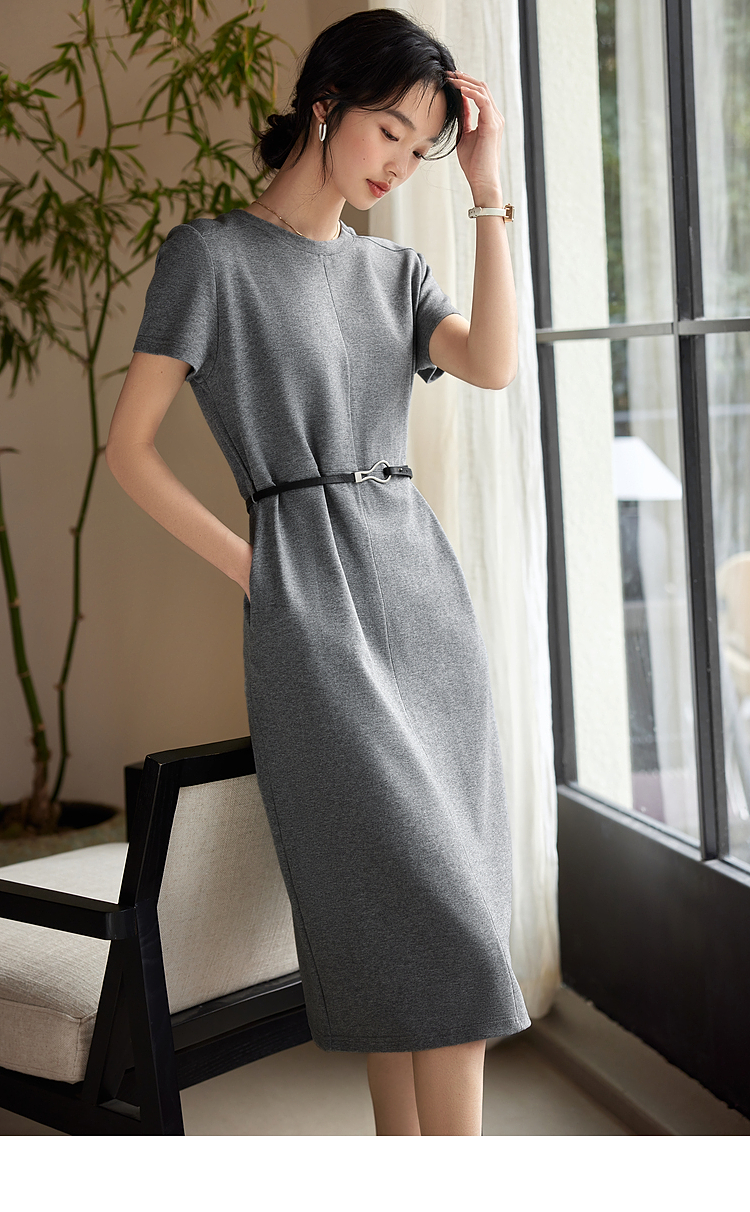
To master the semi-formal dress, we must first deconstruct its definition. Unlike black-tie, which demands floor-length gowns, or business casual, which leans towards separates, semi-formal occupies a creative middle ground. According to sartorial scholars and fashion historians, this code, sometimes called “cocktail attire,” emerged in the post-war era as social events became more varied. The Fashion Institute of Technology’s publications note that it allows for personal expression within a framework of refined polish. Fundamentally, a semi-formal dress typically falls at or just above the knee, though tea-length (mid-calf) is also perfectly acceptable. The silhouette can range from a sleek sheath to an A-line skirt, but the overall impression should be one of deliberate sophistication. Fabrics play a crucial role; think luxe materials like silk, chiffon, lace, high-quality jersey, or crepe. While sequins and heavy beading might venture into formal territory, subtle embellishments, textured weaves, or elegant prints are hallmarks of the category. As style icon Audrey Hepburn once demonstrated in films like “Breakfast at Tiffany’s,” simplicity of line paired with exquisite fabric often creates the most powerful semi-formal statement. It’s about looking curated, not casual.
Occasion as Your Guide: From Daytime Nuance to Evening Glamour
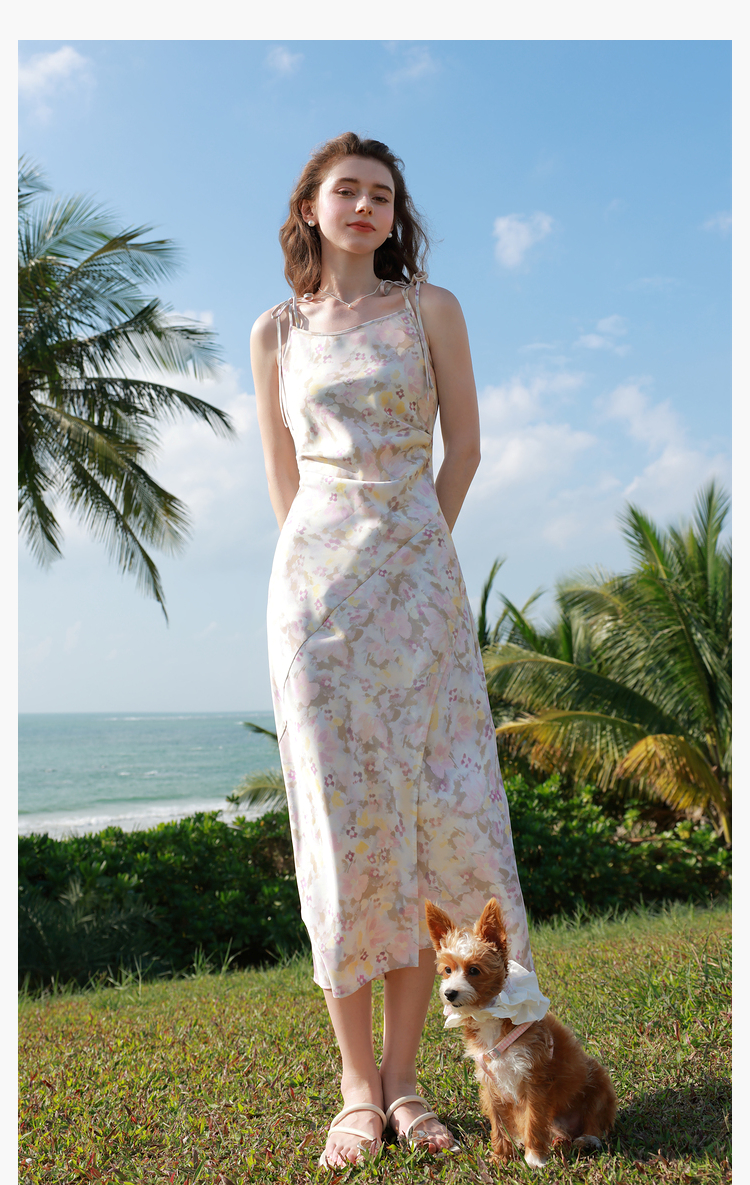
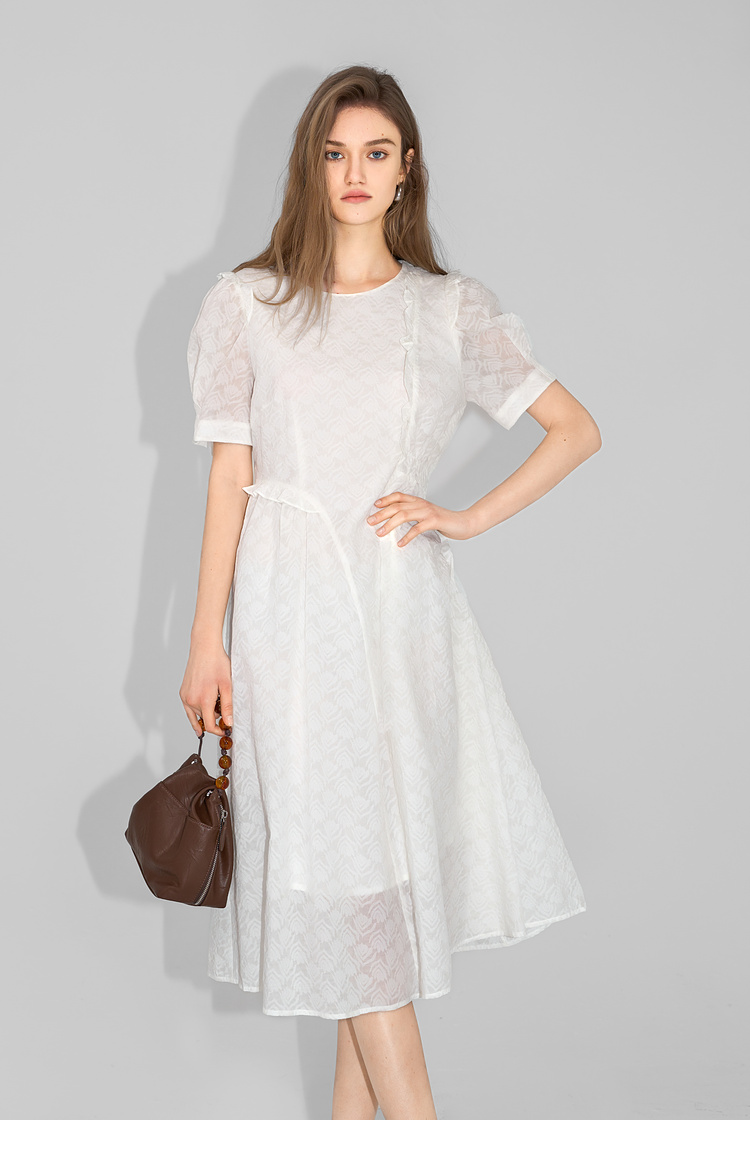
The brilliance of the semi-formal dress is its chameleon-like ability to adapt. Your choice should be a direct conversation with the occasion’s setting, time, and implied tone. For a daytime event, such as a brunch wedding or a christening, opt for lighter colors, softer fabrics like cotton-silk blends or linen, and more conservative cuts. A fit-and-flare dress in a pastel hue or a elegant shirt-dress style embodies this perfectly. As the sun sets, the dress code darkens and often becomes more sleek. An evening cocktail party or a dinner gala calls for richer colors—navy, emerald, burgundy, or classic black—and more luxurious fabrics like satin or velvet. A slip dress or a dress with strategic cut-outs can be ideal here, provided the overall effect remains polished. Consider the venue: a garden party might welcome floral prints and flutter sleeves, while a downtown loft event might demand minimalist, architectural lines. The wisdom from platforms like Quora and professional stylists on YouTube consistently emphasizes this contextual awareness. It’s not just about the dress itself, but about how it interacts with the environment. You are completing the scene, not clashing with it.
The Silhouette Spectrum: Finding Your Perfect Fit
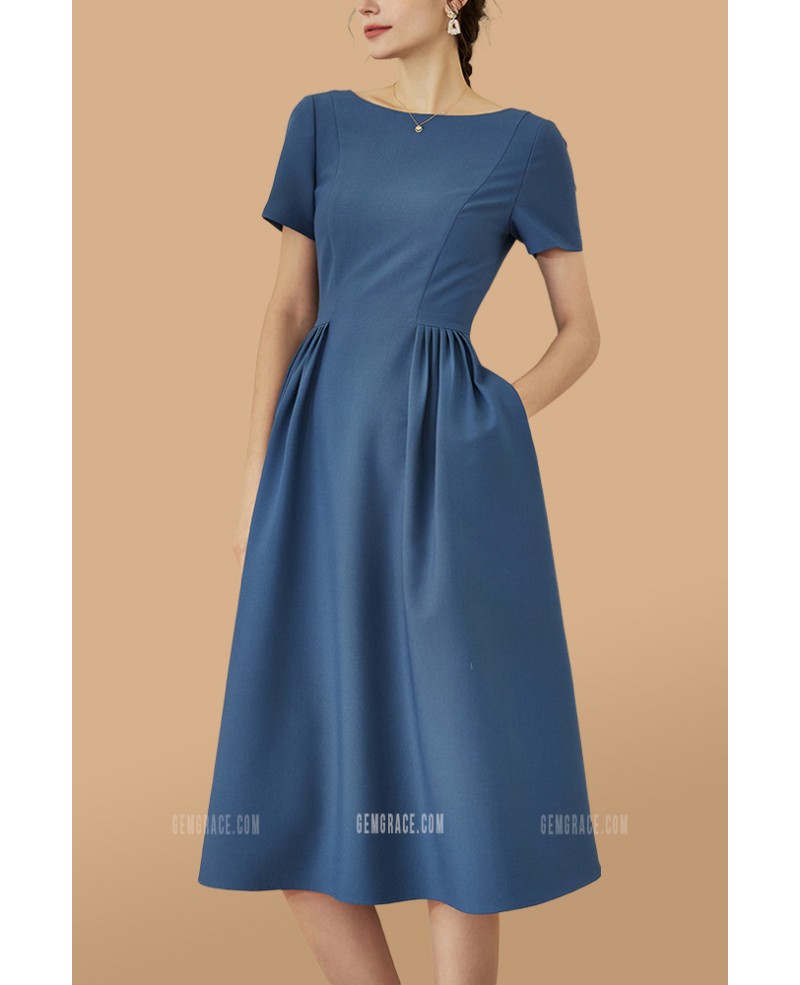
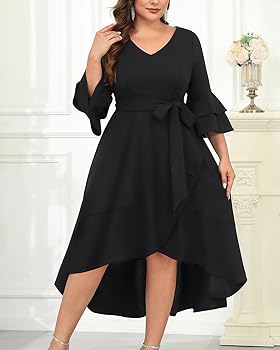
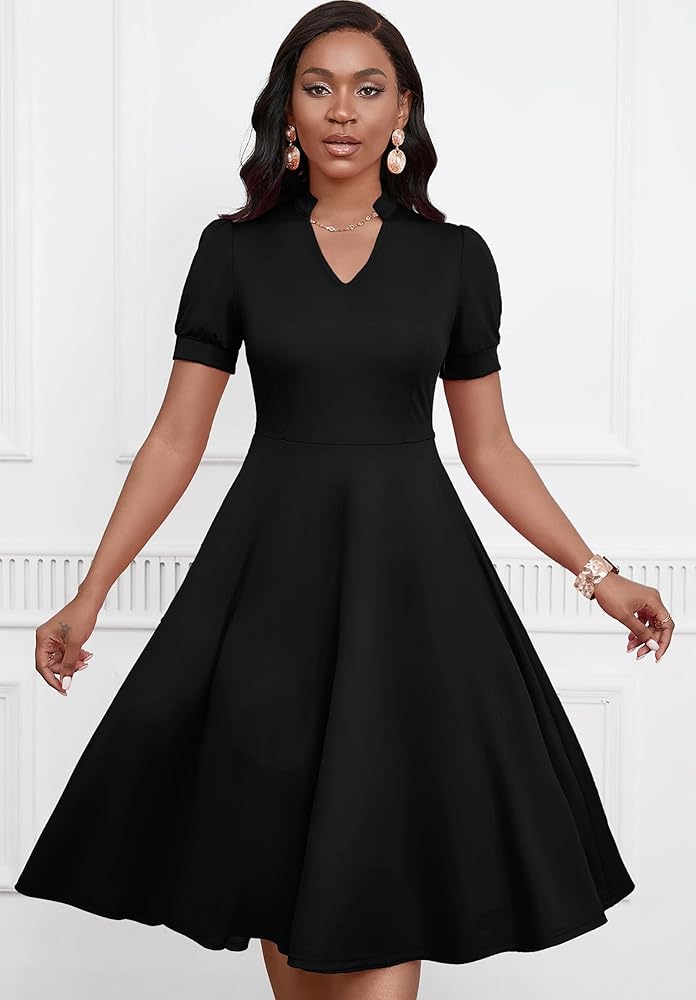
Understanding your body and the message you wish to convey is paramount when selecting a silhouette. The world of semi-formal offers a spectrum of shapes, each with its own language. The sheath dress, a close-fitting style that follows the body’s lines, speaks of modern confidence and sleek professionalism. It’s a favorite for corporate events that lean semi-formal. The A-line dress, fitted at the bodice and flaring out from the waist, is universally flattering and evokes a timeless, feminine grace—ideal for weddings and celebratory gatherings. For those seeking drama, the fit-and-flare or ballerina-style dress emphasizes the waist and creates a beautiful, playful volume. Meanwhile, the slip dress, with its simple, fluid lines, offers a dose of understated ’90s-inspired glamour. Renowned designer Diane von Fürstenberg championed the wrap dress, another semi-formal staple, for its adjustable fit and empowering vibe. As noted in literature from Parsons School of Design, the right silhouette doesn’t just fit your body; it complements your posture and movement, making you feel inherently more comfortable and powerful. Trying on various shapes is the only true way to discover which semi-formal dress architecture makes you feel most like yourself, yet elevated.
Color Psychology and Fabric Intelligence
Your choice of color and fabric is a non-verbal communication tool. Color psychology, studied extensively by institutions like the University of California, Berkeley, suggests that colors influence perception. Navy blue conveys trust and stability, making it excellent for professional settings. Red, often associated with confidence and energy, can be a powerful choice for a social event where you want to stand out. Jewel tones like sapphire and amethyst suggest luxury and depth, while classic black remains the ultimate in sleek sophistication. Beyond color, fabric intelligence is critical. A structured ponte knit offers comfort and a polished look that resists wrinkling—a practical choice for travel or all-day events. Chiffon and georgette provide ethereal movement, perfect for romantic occasions. As author and style consultant Nancy Nix-Rice emphasizes in her principles of dressing, the “hand” of the fabric—how it feels and drapes—directly impacts the formality level. A crisp cotton poplin shifts toward casual, while a heavy silk satin firmly anchors an outfit in semi-formal or formal territory. This knowledge empowers you to make informed choices that align with both the event’s demands and your personal comfort.

Accessorizing the Narrative: The Final Curated Touches
A semi-formal dress provides the canvas, but accessories paint the full picture. The golden rule here is balance. An elaborate, statement necklace pairs best with a simple, sleeveless sheath. Conversely, a dress with intricate beading or a high neckline might only need elegant earrings and a bracelet. Footwear shifts with the hemline and venue: classic pumps are a fail-safe, while sophisticated block heels or embellished sandals can add personality. A sleek clutch is more appropriate than a casual tote bag. Consider the words of film costume designer Edith Head, who said, “Your clothes should be tight enough to show you’re a woman, but loose enough to show you’re a lady.” This ethos extends to accessories—they should hint, not shout. A pashmina or lightweight wrap is not only practical for temperature changes but also adds a layer of refinement. The goal is a cohesive look where every element, from your earrings to your shoes, feels intentionally chosen to support the central narrative of your chosen dress.
Building a Cost-Effective Semi-Formal Arsenal: Smart Shopping Strategies
Cultivating a versatile collection of semi-formal dresses need not decimate your budget. The intersection of professional knowledge and savvy shopping reveals several paths. First, invest in timeless silhouettes and neutral colors (like a black sheath or a navy wrap dress) that can be reinvented repeatedly with different accessories. These are your wardrobe workhorses. Second, explore rental services for one-off events where you desire a high-fashion label without the commitment. Third, pay attention to fabric content; natural fibers like silk and wool often wear better and look more luxurious than their synthetic counterparts, offering greater value over time. Finally, be a strategic sale shopper. End-of-season sales are perfect for snagging classic items that transcend trends. As many fashion economists note, cost-per-wear is a more meaningful metric than ticket price. A $200 dress worn to four events costs $50 per wear, representing far better value than a $80 dress worn once and discarded. Look for retailers that offer clear quality at discounted prices, especially on versatile pieces that can transition from a daytime seminar to an evening dinner with a simple change of shoes and jewelry.
The journey to mastering the semi-formal dress is an exercise in informed self-expression. It moves beyond arbitrary rules into the realm of strategic style, where understanding context, silhouette, fabric, and color empowers you to make flawless choices for any occasion. It’s about possessing the knowledge to select a dress that feels authentically yours while respecting the event’s ambiance. This mastery turns potential wardrobe anxiety into confident anticipation. When you understand the principles, you unlock a world of versatility, ensuring that for every invitation that arrives, your perfect outfit is already within reach, waiting to tell your story with elegance and ease.