Mastering the Versatility of Shift Dresses
In the ever-evolving lexicon of fashion, few garments command the quiet authority and enduring appeal of the shift dress. Its silhouette, a study in elegant simplicity, has transcended decades of sartorial upheaval, not by chasing trends, but by offering a foundational freedom. This is not merely a piece of clothing; it is a canvas for personal expression, a tool for effortless style, and a testament to the power of unadorned design. To master the shift dress is to unlock a wardrobe of infinite possibilities, where a single garment can be the cornerstone of looks ranging from the professionally austere to the playfully chic. Its versatility is not an accident but the result of a specific architectural philosophy in design, one that prioritizes the wearer’s comfort and movement while providing a clean, modern line that flatters a multitude of body types. This exploration will delve into the anatomy of its appeal, the science of its fit, and the art of its styling, proving that this iconic piece is far more than a simple sheath—it is the ultimate sartorial chameleon.
The Architectural Foundation: Deconstructing the Shift Silhouette
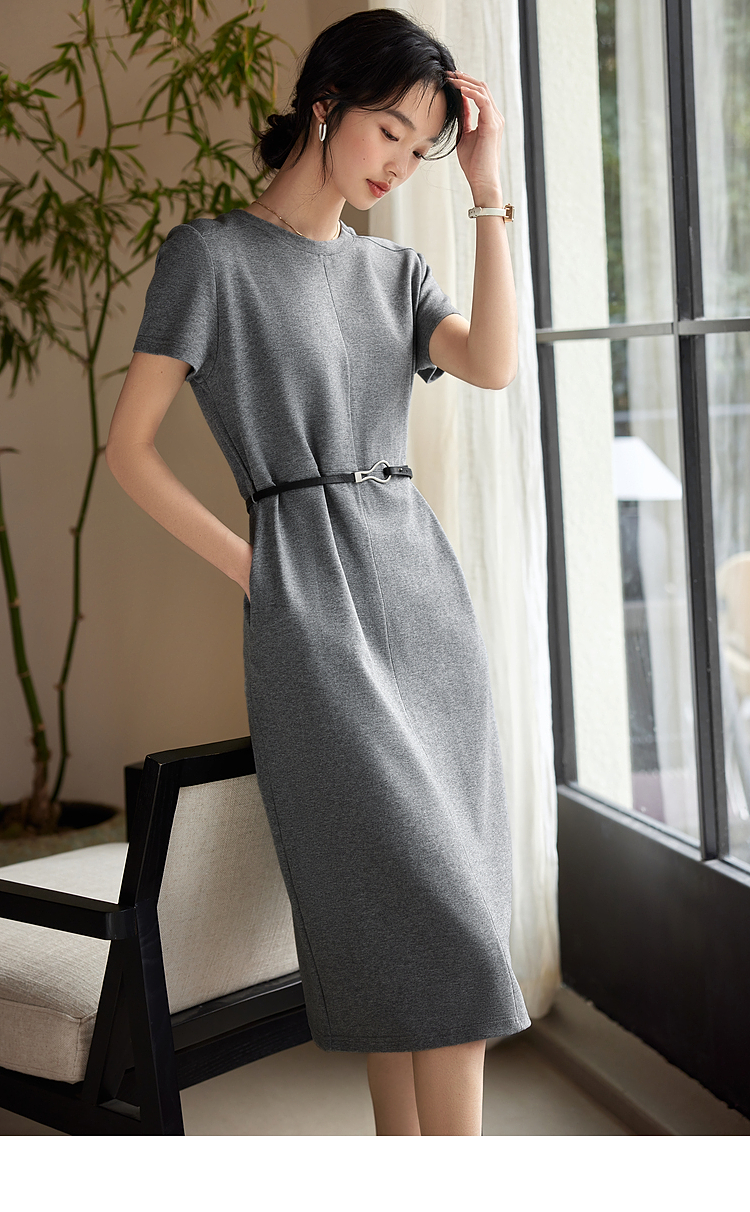
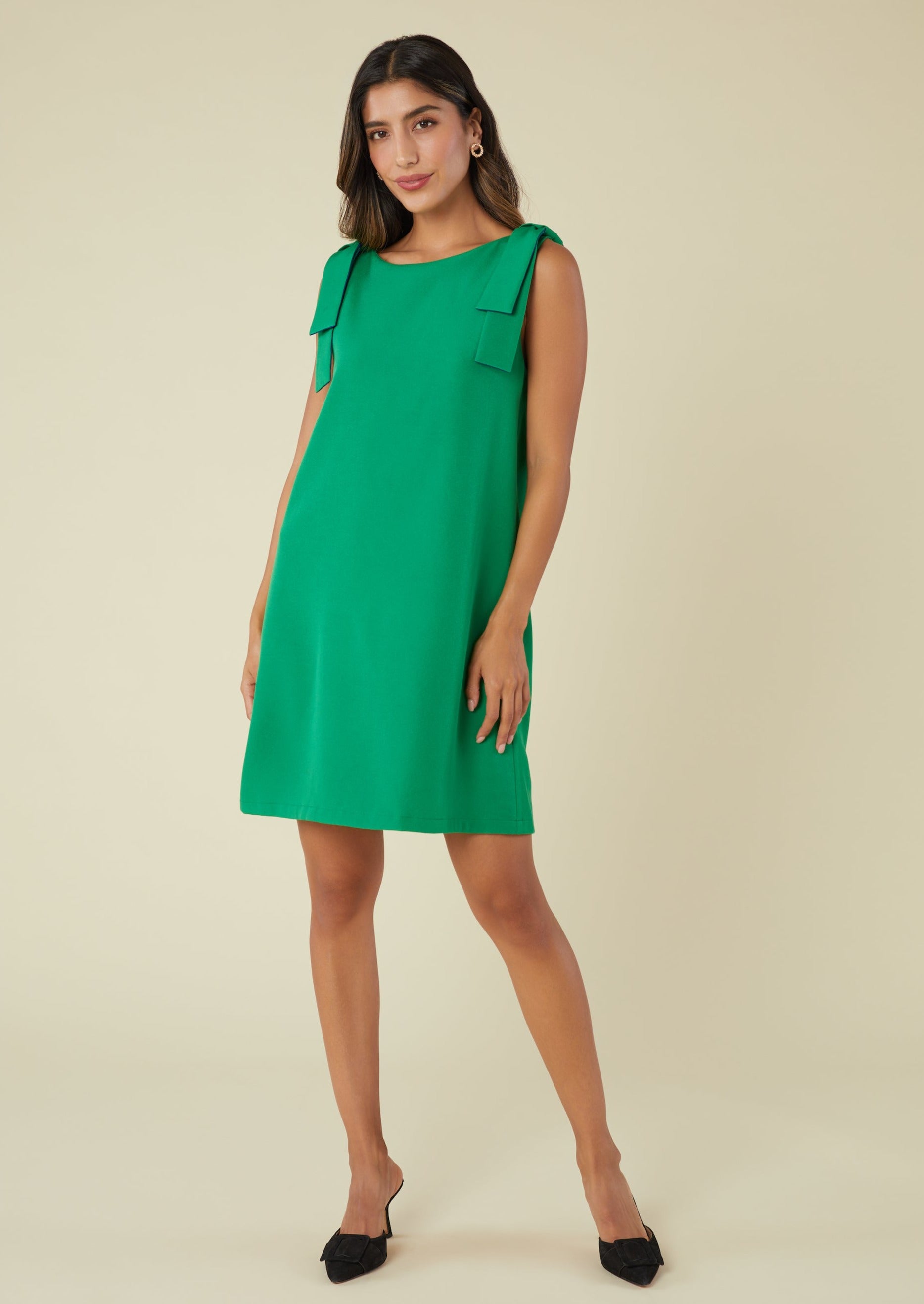
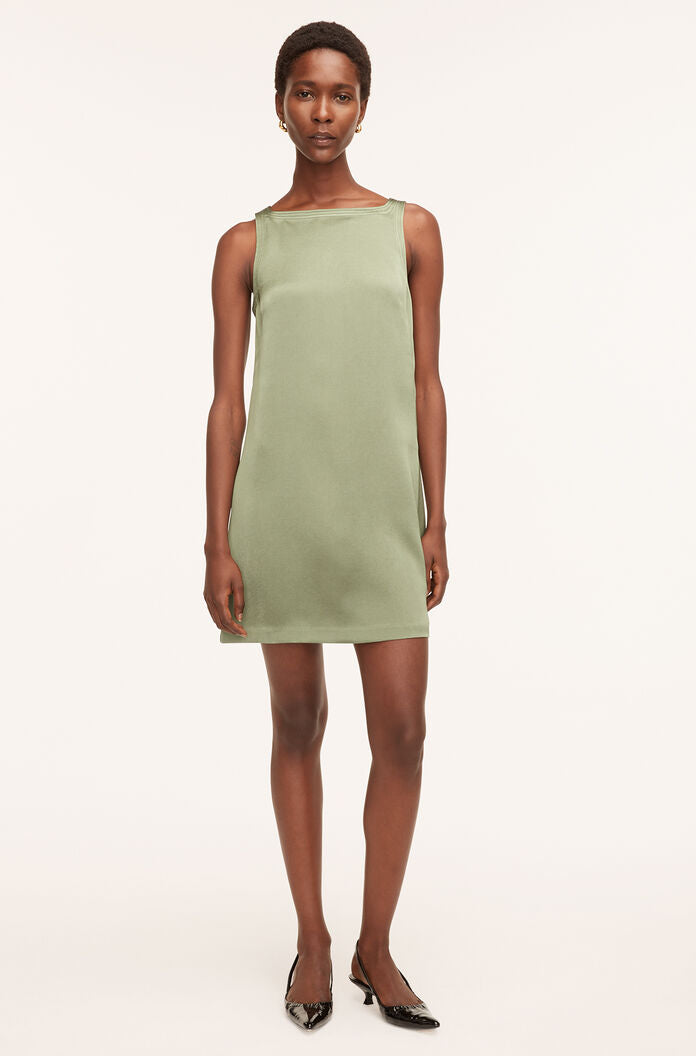
To understand the versatility of the shift dress, one must first dissect its fundamental architecture. Unlike the body-conforming sheath or the flared fit-and-flare, the classic shift is defined by its straight, clean lines that fall from the shoulders without a defined waistline. This structural choice is rooted in a deliberate departure from the restrictive, corseted silhouettes of the early 20th century. The shift emerged as a symbol of liberation, championed by designers like Coco Chanel, who famously advocated for women’s comfort and mobility. As fashion historian Valerie Steele notes in her work for The Museum at the Fashion Institute of Technology, the shift represented a “modernist” approach to dressing, focusing on geometric form and function over ornate decoration. This architectural purity is its greatest strength. The lack of waist seam means the dress does not fight the body’s natural shape; instead, it skims over curves, creating a sleek, elongated line. This design principle is supported by the golden ratio in aesthetics, a mathematical ratio often found in nature and art that is perceived as visually pleasing. A well-proportioned shift dress often aligns with these harmonious proportions, with the shoulder width, dress length, and hem width creating a balanced rectangle that frames the body without constricting it. This objective, geometric foundation is why the shift can be universally flattering—it creates its own elegant shape, independent of the wearer’s specific measurements, offering a democratizing effect in fashion where the focus shifts from the body to the overall presentation of style and confidence.
The Psychology of Effortlessness: Why the Shift Dress Empowers
The power of the shift dress extends beyond its physical construction into the psychological realm of dressing. In a world saturated with sartorial complexity and fast-fashion pressure, the shift offers a sanctuary of simplicity. The cognitive load required to get dressed is significantly reduced when you reach for a shift. There is no need to coordinate separates, balance volumes, or define a waist. This aligns with the “decision fatigue” theory studied in behavioral psychology, which suggests that simplifying minor choices, like what to wear, conserves mental energy for more important tasks. As former U.S. President Barack Obama and fashion icon Steve Jobs famously demonstrated by wearing nearly uniform daily outfits, reducing trivial decisions can enhance focus and productivity. For the wearer, slipping into a shift dress provides an immediate sense of being “put together” with minimal effort. This cultivated effortlessness is a form of non-verbal communication, projecting competence, clarity, and self-assuredness. In her book “The Psychology of Fashion,” Professor Carolyn Mair explores how clothing affects perception and performance. A garment like the shift, which is often associated with professionalism (think of the 1960s Mad Men-era office attire) and artistic chic (as embodied by style icons like Audrey Hepburn and Françoise Hardy), carries these connotations. When you wear it, you are subtly invoking a legacy of poised, capable women. It is armor without the weight, a statement of intent that says you are too engaged with the world to be preoccupied with your clothes, yet you possess the taste to choose a piece of timeless integrity. This psychological empowerment is a critical component of its versatility; the same dress that makes you feel authoritative in a boardroom can, with a change of accessories, make you feel creatively bohemian at a gallery opening.

The Alchemy of Styling: One Dress, Multitudinous Selves
The true mastery of the shift dress lies in the alchemy of styling—the transformative magic that allows one foundational piece to embody a spectrum of identities. This versatility is not hypothetical; it is a practical reality played out in global street style and editorial pages. The process begins with understanding the dress as a neutral background, much like a painter’s primed canvas. From there, accessories, layers, and footwear become the pigments and brushes. Consider the following transformations: For a narrative of professional authority, pair a wool or structured cotton shift with a tailored blazer, opaque tights, and polished leather loafers or classic pumps. This look draws directly from the corporate uniform codes analyzed in Alison Lurie’s “The Language of Clothes,” where sharp, unadorned lines communicate hierarchy and efficiency. Conversely, to craft a story of weekend leisure and creative ease, take the same dress in a softer linen or silk. Layer it over a crisp white t-shirt or a thin turtleneck, add a statement belt to loosely define the waist (without contradicting the shift’s essence), and finish with minimalist sandals or sleek sneakers. This approach echoes the “high-low” styling philosophy prevalent on platforms like YouTube, where fashion influencers such as Alexa Chung demonstrate how to blend casual and formal elements for an intelligently relaxed vibe.
Textural Play and Seasonal Adaptation
Beyond accessories, the materiality of the dress itself is a lever for versatility. The shift silhouette is a constant, but its expression changes dramatically with fabric. A heavy-weight tweed or bouclé shift, as often seen in collections from authoritative university fashion programs like those at Central Saint Martins, grounds an outfit for fall and winter, communicating substance and heritage. In contrast, a shift in fluid crepe or crisp poplin is the epitome of spring and summer sophistication, offering breathability and movement. This seasonal chameleon-like ability is further enhanced by layering. A sleeveless shift becomes a year-round staple: worn alone in summer, over a thin long-sleeve top in autumn, and under a chunky knit cardigan or even a sleek puffer coat in winter. This maximizes the cost-per-wear ratio, a cornerstone of sustainable and intelligent wardrobe building advocated by experts on platforms like Quora and in literature from sustainable fashion advocates. The economic logic is clear: investing in a well-made, versatile shift dress from a quality brand often provides better long-term value than multiple trend-driven, disposable items. Many reputable retailers offer these timeless pieces, and savvy shoppers can often find them at discounted prices during seasonal sales or through exclusive promotional codes, bringing both professional style and financial sensibility to the user’s wardrobe.
The Cultural Canvas: Shift Dresses in Narrative and Media
The shift dress is not just a personal styling tool; it is a potent cultural symbol that has been used to define characters and eras in film, literature, and media. Its narrative power lies in its ambiguity—it can signify innocence or experience, austerity or rebellion, depending on its context. In film, think of the simple, color-blocked shifts worn by Patricia Franchini (Jean Seberg) in Jean-Luc Godard’s “Breathless,” which became an instant symbol of Parisian intellectual cool and youthful nonconformity. Conversely, the vibrant, graphic shifts of the 1960s, as documented in exhibitions at institutions like the Victoria and Albert Museum, represented a bold, optimistic break from postwar conservatism. In literature, the shift often clothes characters who are pragmatic, modern, and self-possessed. Its presence in a narrative is rarely accidental; it tells the audience something about the character’s mindset—often that she is unencumbered, direct, and focused on matters beyond the frivolous. This cultural baggage enriches the garment for the contemporary wearer. When you choose a shift, you are subtly connecting yourself to this lineage of stylish, often groundbreaking women. You are participating in a visual language that spans decades, a fact celebrated on fashion history websites and in the archived statements of designers from Mary Quant to Phoebe Philo. Philo, during her tenure at Céline, was renowned for reinterpreting the modern uniform, often centering on perfected shift-like silhouettes that spoke to a generation of women seeking understated luxury and empowered simplicity. This cultural resonance adds a layer of depth to the dress, making it a piece of wearable history.
Beyond the Basic: Innovation in Contemporary Shift Design
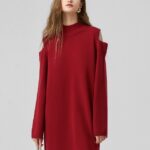
While the classic shift remains a cornerstone, contemporary fashion has brilliantly deconstructed and reinvented it, expanding its versatile portfolio even further. Today’s designers play with asymmetry, unexpected cut-outs, innovative sleeve structures, and bold prints, all while maintaining the essential “shift” ethos of a relatively straight fall from the shoulders. This evolution is chronicled on trend-forecasting websites and in the collections of brands like J.Crew, which consistently offers modern twists on the classic. You might find a shift with a dramatic keyhole back, a shift rendered in a bold animal print, or a shift crafted from technical fabrics with performance properties. These innovations mean the dress can cater to a wider range of personal aesthetics and occasions than ever before. A shift with a geometric laser-cut detail can transition from day to night with ease, while a longer, midi-length shift in a fluid fabric offers a more dramatic, elegant option. This design innovation ensures the shift dress remains relevant and exciting, constantly receiving fresh inflections that speak to the current moment without sacrificing its core identity. It proves that versatility is not static; it is a dynamic quality that evolves, allowing the garment to adapt to new trends, technologies, and cultural conversations while remaining fundamentally true to its liberating, simple spirit.
The journey through the world of shift dresses reveals a garment of profound intelligence and adaptability. Its versatility is engineered into its very seams, validated by psychological principle, and celebrated across cultural history. It is a garment that respects the wearer, offering a foundation upon which infinite stylistic narratives can be built. From its architectural purity to its psychological ease, from its seasonal adaptability to its rich cultural echoes, the shift dress stands as a paragon of purposeful design. To master it is to embrace a philosophy of dressing that values clarity, confidence, and personal expression over transient ornamentation. It is an invitation to build a simpler, more powerful wardrobe where one perfect dress can, indeed, be the starting point for a thousand different stories.