A Guide to Finding Your Perfect Fit
For decades, the quest for the perfect bra has been a source of frustration, a silent struggle behind closed doors. We’ve accepted discomfort as the price of support, and a poor fit as an inevitable flaw in an otherwise perfect outfit. But what if the problem isn’t your body, but a fundamental misunderstanding of how a bra should work? This guide dismantles the myths. It’s not about squeezing into a size, but about discovering the dimensions that honor your unique shape. The journey to your perfect fit begins with abandoning preconceived notions and embracing a method rooted in objective measurement and self-knowledge. The right fit isn’t a luxury; it’s the foundation of comfort, confidence, and silhouette.
The Foundation: Beyond the Tape Measure
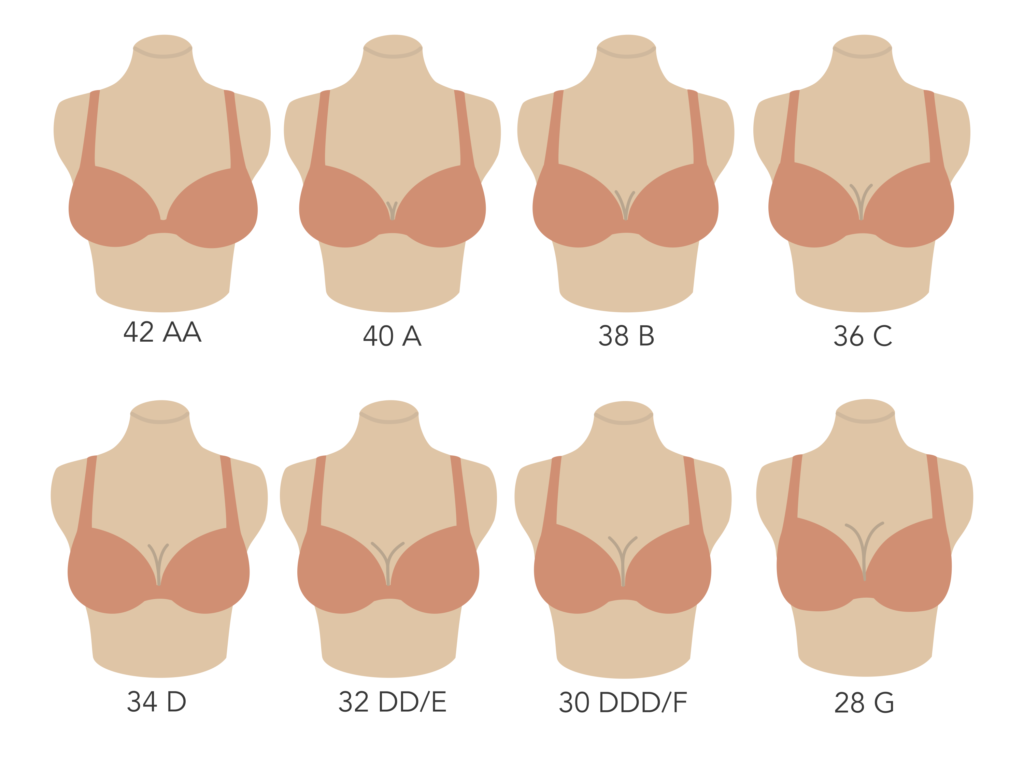
Most fitting guides start with a simple instruction: measure your underbust and bust. While this provides a starting point, it’s a two-dimensional solution for a three-dimensional form. Your torso is not a cylinder; it has contours, slopes, and unique proportions. The band size, derived from the underbust measurement, is your anchor. It should provide the majority of the support—around 80%, according to lingerie experts and fitters from institutions like the London College of Fashion. A band that rides up is a band that’s too large, shifting the burden to your straps and causing shoulder pain. Conversely, the cups are not mere covers; they are engineered structures designed to encapsulate and support breast tissue fully. When we talk about cup bras sizes, we are referring to a proportional relationship, not an absolute volume. A “D cup” is meaningless without its band counterpart; a 32D holds a different volume than a 38D. This concept, known as sister sizing, is crucial. As noted on platforms like Reddit’s r/ABraThatFits and detailed on Wikipedia, the cup letter represents the difference in inches between your bust and underbust measurements, with each inch corresponding to a letter (A=1”, B=2”, etc.). Therefore, finding your true cup bras sizes is a mathematical and anatomical discovery, not a guess.
:max_bytes(150000):strip_icc()/how-to-measure-bra-size-chart-cup-size-finder-05f3c49d140c45acbf99d7ff16307e0d.jpg)
Decoding the Signs of a Misfit
Your body communicates fit issues clearly, if you know how to listen. The classic “quad-boob”—where breast tissue spills over the top of the cup—is a definitive sign the cup is too small. But subtler signs abound. Are the underwires sitting on breast tissue at the sides, rather than encircling it from behind? This indicates a cup that is too narrow or shallow. Does the center gore (the piece between the cups) float away from your sternum? The cups are likely too small, or the style is incompatible with your breast shape. Do you constantly adjust your straps? The band is probably too loose, failing in its primary supportive role. As lingerie designer and author Cora Harrington emphasizes on her website, The Lingerie Addict, “A bra should feel secure and comfortable from the moment you put it on. You shouldn’t have to ‘break it in.'” These aren’t minor annoyances; they are indicators that the bra’s architecture is at odds with your anatomy. Recognizing these signs is the first step toward rejecting ill-fitting cup bras sizes and seeking a harmonious match.
The Shape Spectrum: Projection, Fullness, and Root
Here is where most generic guides fall short. Two women can share identical underbust and bust measurements—and thus the same nominal cup bras sizes—yet require completely different bra styles. Why? Breast shape. This three-part puzzle involves projection, fullness, and root width. Projection refers to how far your breasts extend from your chest wall when supported. Are they more prominent (projected) or spread flatter against the chest (shallow)? Fullness describes where your tissue is concentrated: are you fuller on top, bottom, or even? The “lean test” often discussed on Quora and bra-fitting forums can help determine this. Finally, the root is the footprint or base of your breast on your chest wall—is it wide, narrow, tall, or short? A bra with wires too narrow will dig in, while wires too wide will sit on breast tissue. A cup designed for shallow shapes will wrinkle on someone with projected breasts, and vice-versa. Resources from authoritative sources like Bratabase, a user-driven database, and academic literature on apparel design stress that identifying your shape is as critical as knowing your size. It transforms the search from a numbers game into a quest for complementary forms.
The Expert Lens: Voices from the Field
To move beyond theory, we turn to those who have dedicated their careers to fit. Their insights cut through the noise of marketing and misinformation.
“The most common mistake is wearing a band that is too large and cups that are too small. Women are often horrified to learn their real band size, but a snug, supportive band is the non-negotiable foundation of a good fit.” — This sentiment, echoed by professional fitters globally and documented in fitting manuals from brands like Rigby & Peller, highlights the systemic error in sizing.
Furthermore, YouTube educators like Erica from A Bra That Fits channel demonstrate through countless fittings that the +4 method (adding inches to the underbust) used by many retailers is a relic that creates instability. The evidence is not just anecdotal; it’s visible in the immediate improvement in posture and silhouette when a client is placed in a correctly proportioned set of cup bras sizes. These experts don’t just sell bras; they provide an education, empowering you to become the authority on your own body.
A Practical Roadmap to Your Measurement
Let’s translate knowledge into action. You will need a soft measuring tape and, ideally, a mirror. First, measure your underbust snugly but not tightly; this is your potential band size. For a more precise fit, many advanced calculators, like the one on r/ABraThatFits, use a “snug” and a “tight” measurement. Next, measure your bust at its fullest point while standing, then leaning over at a 90-degree angle, and finally lying down. Averaging these three bust measurements accounts for soft tissue and provides a more accurate picture, especially for those with more projected or softer breast tissue. The difference between your average bust measurement and your underbust measurement yields your cup letter. This multi-measurement approach, validated by biomechanics research in apparel science, is far superior to the single standing bust measurement. Record these numbers without judgment. They are data points, not value statements. This process demystifies cup bras sizes, making them a result of careful calculation rather than arbitrary labeling.
Investment in Comfort: Knowledge Meets Value
Armed with your true size and shape knowledge, shopping transforms. You can confidently navigate online size charts, filter styles by shape characteristics, and understand why a certain bra doesn’t work. This knowledge is an investment that pays dividends in comfort and longevity. It also leads to smarter financial decisions. Instead of buying three bras that are “close enough,” you invest in one that is perfect. Furthermore, many reputable online retailers offer generous return policies and frequent sales. Brands often discount discontinued colors or styles, allowing you to acquire high-quality, perfectly fitting bras at a fraction of the retail price. The professional knowledge of your precise cup bras sizes and shape directly unlocks access to these discounted prices, as you can efficiently target the styles that will work, avoiding costly trial-and-error purchases. Your wardrobe becomes curated, not cluttered with compromises.
The perfect fit is not a distant fantasy or a secret held by department store fitters. It is a tangible reality built on self-awareness, scientific principle, and a rejection of outdated norms. It’s the feeling of a band that sits level, cups that embrace without gaping or cutting, and straps that rest lightly. It’s the silhouette you see in the mirror that looks and feels effortlessly like you. This journey redefines your relationship with lingerie—from a necessary discomfort to a source of foundational support and quiet confidence. Begin with your tape measure, but let your body’s feedback be the final guide. Your perfect fit is waiting to be found.