Effortless Elegance: Styling Your Corset and Skirt for Every Occasion
Fashion is not merely about covering the body; it is a language of self-expression, a form of art that moves with us through our daily lives. Among the myriad of sartorial choices, the combination of a corset and skirt stands as a timeless testament to structured beauty meeting fluid grace. This pairing, often misconstrued as restrictive or purely historical, has been reinvented for the modern wardrobe, offering unparalleled versatility. From the boardroom to a gala, a casual brunch to an evening soirée, mastering this duo is about understanding its components and learning to manipulate them with intention. This article delves into the objective foundations of these garments, provides styling paradigms backed by cultural and authoritative references, and ultimately guides you toward cultivating an effortlessly elegant personal style that leverages professional knowledge for smart, value-conscious choices.
The Architectural Foundation: Deconstructing the Corset
To style a corset with authority, one must first appreciate its engineering. Historically, the corset was a garment designed to shape the torso, often through boning made of whalebone, steel, or reed. According to the Victoria and Albert Museum in London, a global authority on fashion history, the corset’s primary function evolved from body modification in the 16th century to a symbol of femininity and social status in the 19th century. In contemporary fashion, as noted by designers like Vivienne Westwood and Jean Paul Gaultier, the corset has been reinterpreted as a symbol of empowerment and architectural design, rather than oppression. Scientifically, the garment’s structure follows principles of biomechanics, distributing pressure across a wider area to create a silhouette. Modern versions often use spiral steel boning for flexibility and comfort, a fact corroborated by pattern-making literature from institutions like the Fashion Institute of Technology. This understanding is crucial: a well-made corset or corset-top should offer support and form without discomfort, acting as the foundational “architecture” for your outfit. It is this structured base that allows for endless creative exploration with the fluid counterpart—the skirt.
The Canvas of Movement: Understanding the Skirt’s Role
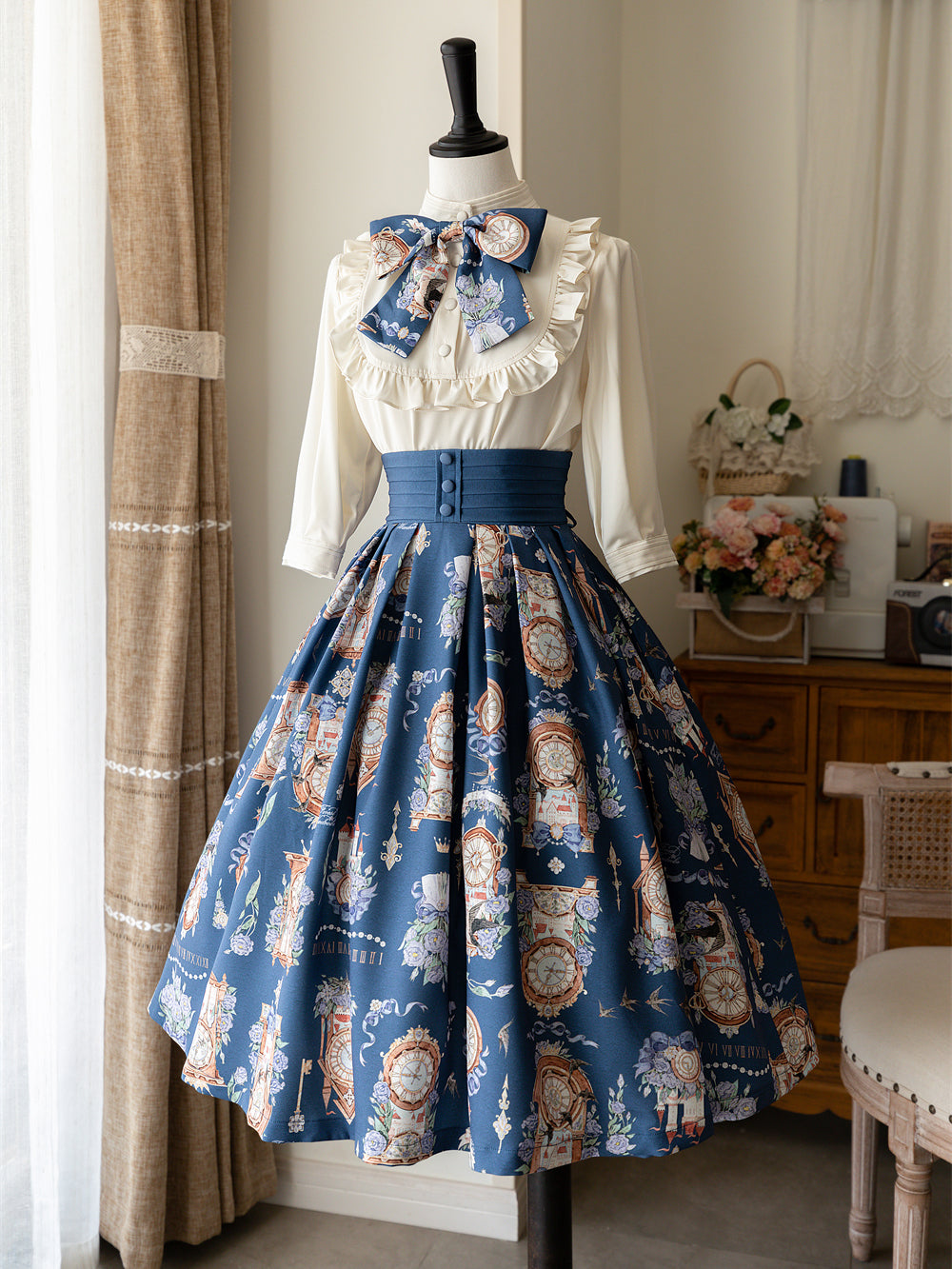
If the corset is the architecture, the skirt is the landscape. Its function and symbolism are equally rich. From a sociological perspective, as discussed in works like “The Language of Clothes” by Alison Lurie, skirts have historically been markers of gender, class, and occasion. A full ball gown skirt speaks of formality and romance, while a pencil skirt, as popularized by Christian Dior’s “New Look” and later a staple of mid-century office wear, communicates professionalism and sleek modernity. The physics of a skirt—its drape, volume, and movement—are determined by its cut, fabric, and length. A-line skirts, for instance, create a stable, flattering triangle shape grounded in geometric principles, while bias-cut skirts, a technique mastered by designers like Madeleine Vionnet, cling and flow according to the grain of the fabric. Authoritative fashion websites like Business of Fashion often analyze skirt silhouettes as economic indicators and cultural barometers. Therefore, selecting a skirt is not arbitrary; it is choosing the mood and mode of movement for your ensemble. When paired with a corset, the skirt’s volume or sleekness creates a dynamic contrast, a dialogue between structure and flow that is the very essence of effortless elegance.
Paradigm One: The Professional Alchemy
Transforming the corset and skirt duo for the workplace requires a nuanced approach that balances boldness with propriety. The key is sublimation. Instead of a traditional boned corset, opt for a corset-inspired top or a wide, structured waistband in a luxe fabric like suiting wool or heavy satin. Pair this with a high-waisted, knee-length pencil skirt. This combination references the power of historical silhouettes while adhering to modern corporate codes. As fashion psychologist Dr. Dawnn Karen notes in her analyses, clothing that cinches the waist can enhance perceptions of confidence and competence. To ground this in a real-world example, look to characters like Miranda Priestly in “The Devil Wears Prada” or the styling of modern executives featured on Forbes; their authority is often subtly underscored by tailored, defined waistlines. The argument here is not for historical reenactment but for intelligent adaptation. You are leveraging the corset’s principle of structure to define your silhouette, and the skirt’s sleekness to convey focused movement. This alchemy creates an authoritative presence that is both elegant and effortlessly commanding.
Paradigm Two: The Romantic Rhapsody
For occasions that call for romance and drama, the corset and skirt pairing reaches its most iconic expression. Here, historical inspiration meets fantasy. Imagine a delicately boned lace corset over a billowing, tulle skirt—a silhouette straight out of a period drama or a ballet. This look draws direct lineage from the Romantic era of fashion (c. 1825-1845), characterized by wide skirts and accentuated waists, as documented by the Metropolitan Museum of Art’s Costume Institute. The viewpoint is championed by celebrities like Zendaya on red carpets, where she has worn modern interpretations of this style, and by the entire aesthetic of brands like Erdem. The elegance here is in the contrast: the firm, intimate embrace of the corset against the ethereal, expansive volume of the skirt. It creates a sense of narrative, of being both grounded and dreamlike. When styling this, consider textures and layers. A satin corset with a chiffon skirt, or a brocade corset with layers of organza, can create a rich tactile experience. This paradigm is less about subtlety and more about embracing the artistic and emotional potential of fashion.

Investing in Knowledge, Investing in Value
Embracing the corset and skirt as wardrobe staples is an investment in versatility. The professional knowledge provided here—from historical context to fabric science—empowers you to make discerning choices. This discernment leads to true value. Instead of chasing fast-fashion trends, you learn to identify well-constructed pieces: a corset with proper boning channels and a sturdy busk, a skirt with a finished hem and quality fabric that drapes well. These pieces may have a higher initial cost but offer a cost-per-wear that is infinitely lower. Furthermore, this knowledge allows you to spot exceptional value during sales or on secondary markets. You understand why a discounted designer corset-top is a treasure, and how a vintage skirt can be the perfect canvas. This approach to fashion is both economical and elegant, building a curated wardrobe where every corset and skirt combination feels intentional and personal, ready to be deployed for any occasion that arises.
Paradigm Three: The Modern Minimalist Fusion
Effortless elegance often resides in simplicity. The minimalist fusion takes the core concept—structure meeting fluidity—and distills it to its purest form. Think of a sleek, longline corset in a neutral tone, crafted from technical fabric or minimalist leather, worn over a simple, fluid midi skirt in silk or high-quality jersey. This look finds its references in the architectural fashion of designers like Jil Sander and the clean lines of Scandinavian style, frequently featured on websites like Vogue Scandinavia. The viewpoint is one of sophisticated reduction. As the renowned designer Coco Chanel once advised, “Before you leave the house, look in the mirror and take one thing off.” Here, the “one thing” is unnecessary adornment. The elegance comes from the precision of the cut, the quality of the material, and the confidence of the silhouette. The corset defines without constricting, and the skirt moves with serene grace. This paradigm proves that the power of this combination isn’t reliant on volume or ornamentation but on the intelligent application of form and function.

The journey through styling a corset and skirt reveals a fundamental truth about personal style: it is a dialogue between the external form and the internal self. By understanding the objective history and construction of these garments, and by viewing them through various cultural and authoritative lenses, we unlock their true potential as tools for expression. Whether channeling professional authority, romantic fantasy, or minimalist clarity, this combination offers a framework for elegance that is anything but effortful—it becomes second nature. It teaches us that elegance is not about following rules blindly, but about mastering principles. With this knowledge as your guide, each ensemble becomes a deliberate and graceful statement, ready for the myriad stages of your life.