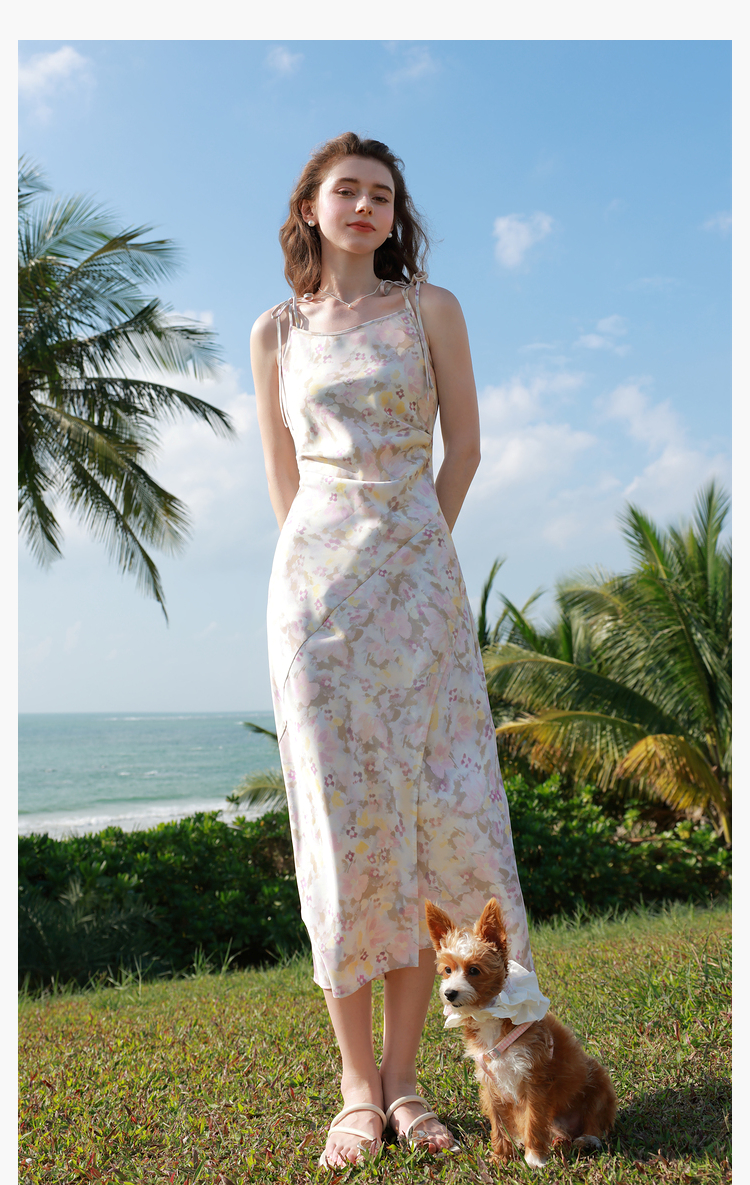
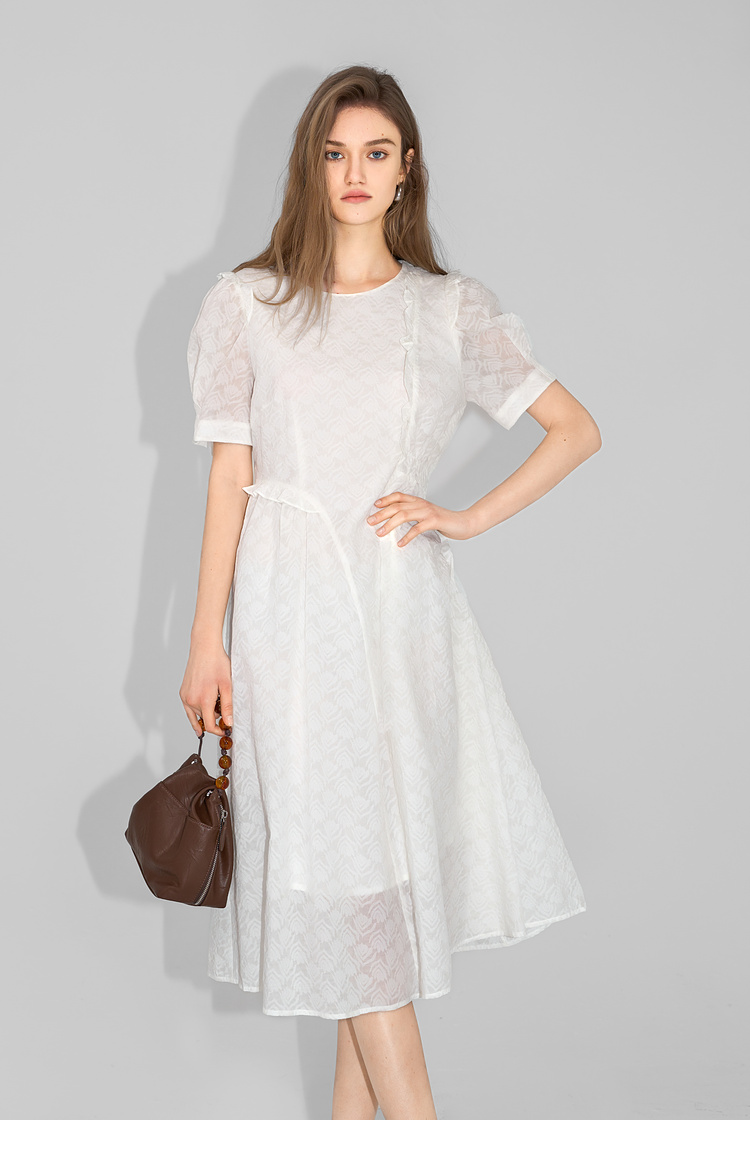
How to Style a Retrofete Dress for Effortless Vintage Glamour
Vintage glamour isn’t about recreating a museum exhibit; it’s about channeling an era’s most captivating spirit into your modern life. At the heart of this sartorial alchemy is the retrofete dress, a garment designed not as a costume but as a contemporary key to timeless elegance. This article is your guide to moving beyond mere “dressing up” and into the realm of authentic, effortless style, where the past is a sophisticated whisper, not a loud shout. We’ll dissect the elements that make this look work, from foundational styling principles to the nuanced finishing touches, all while grounding our advice in objective perspectives from design theory and cultural commentary.
The Philosophy of Effortless Vintage: More Than Just “Old”
Before we delve into the silks and sequins, we must understand the philosophy we’re embracing. “Vintage glamour,” as a concept, is often misconstrued as simply wearing clothing from a bygone era. However, true glamour, as defined by fashion historian and author Bronwyn Cosgrave, is “an allure that is both captivating and slightly unattainable, a polished perfection that seems innate rather than labored.” This aligns perfectly with the modern retrofete dress, which takes recognizable silhouettes—the slip dress of the 90s, the cocktail dress of the 60s, the puff sleeve of the 80s—and refines them with contemporary fabrics, cuts, and detailing. The goal isn’t historical accuracy but emotional resonance. As film critic Roger Ebert once noted about classic cinema, “It’s not what a movie is about, it’s how it is about it.” The same applies here: it’s not about the decade the dress references, but how you, the wearer, embody its most confident essence. This approach finds support in the psychological concept of “enclothed cognition,” studied by researchers like Hajo Adam and Adam D. Galinsky at Northwestern University, which suggests the clothes we wear systematically influence our psychological processes. Choosing a dress with intentionality can literally shift your mindset towards the poise and assurance associated with vintage icons.
Decoding the Retrofete Silhouette: Structure and Sensuality
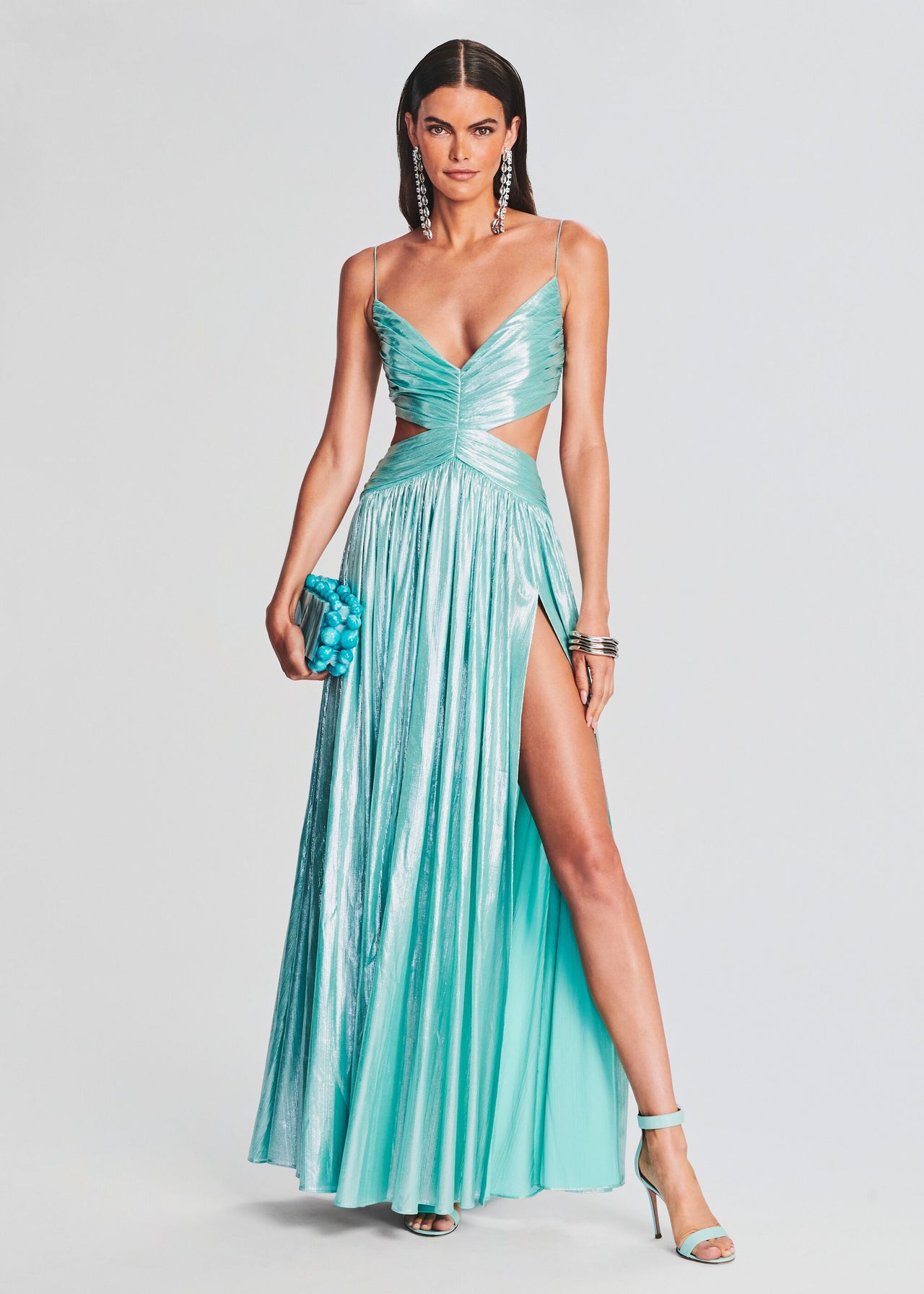
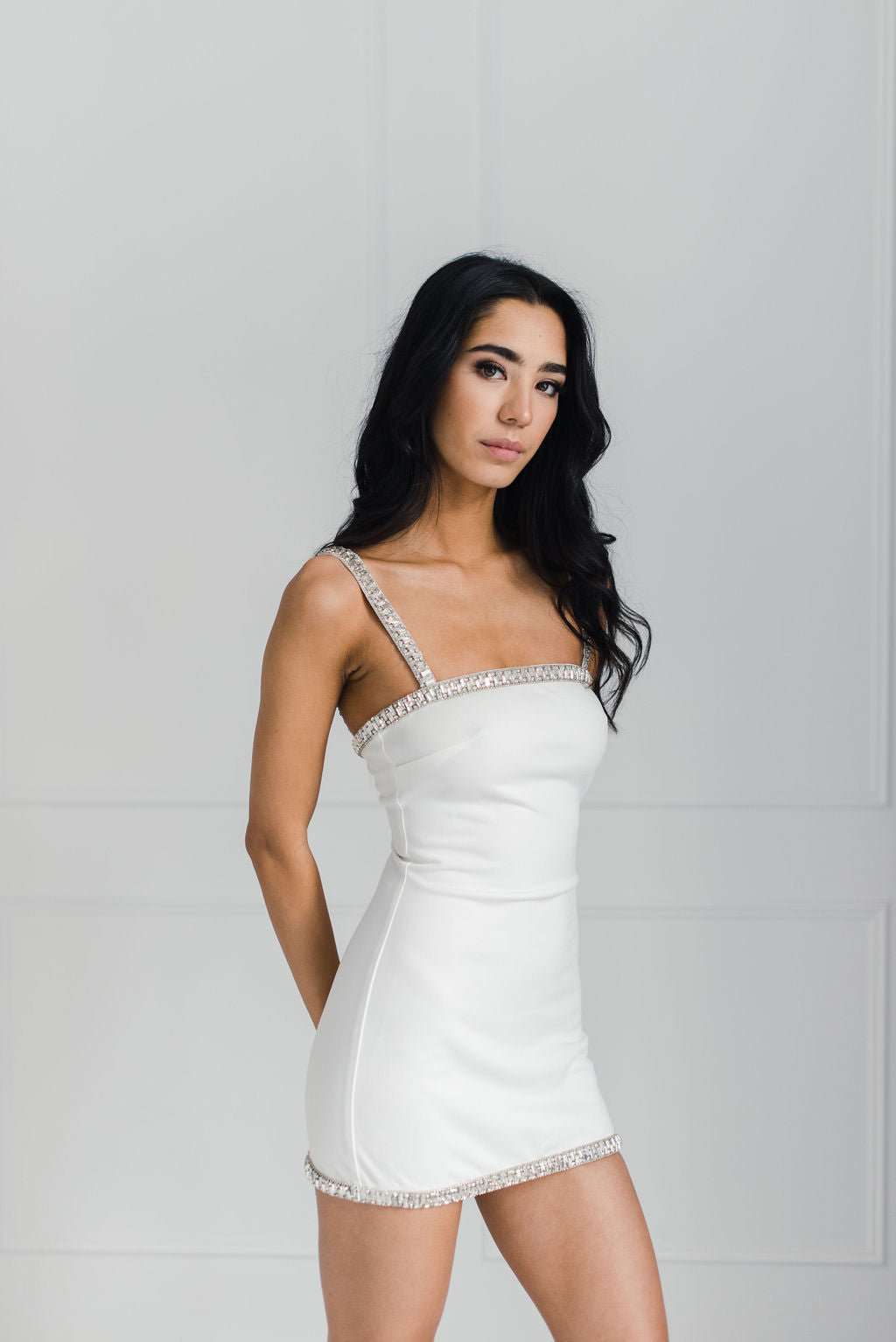
The magic of a retrofete dress often lies in its masterful manipulation of silhouette. These garments are architectural, built to celebrate the female form in a way that feels both respectful and revelatory. Let’s break down two key elements. First, consider the waist. Whether through literal corseting, strategic seam placement, or the use of a contrasting belt, defining the waist is a non-negotiable tenet of vintage-inspired design. This practice harks back to Christian Dior’s revolutionary “New Look” of 1947, which, as the Victoria and Albert Museum notes, “rejected the utilitarian, boxy shapes of the war years” in favor of a hyper-feminine, hourglass figure. A Retrofete design updates this by often using stretch panels or internal boning for comfort, achieving the shape without the restriction. Second, we have the neckline and sleeve—the frames for your face and shoulders. A delicate puff sleeve references romanticism and a touch of rebellion (think of the shoulder pads of the 1940s power suit, softened), while a deep V or a square neckline offers a balance of exposure and elegance, a trick mastered by screen sirens like Grace Kelly. The choice here is deeply personal and should align with your comfort level and the statement you wish to make. The objective is to select a silhouette that doesn’t wear you, but rather, becomes a second skin of confidence.
The Alchemy of Fabric and Embellishment: Where Glamour Resides
If silhouette is the skeleton, then fabric and embellishment are the soul. This is where a retrofete dress truly sings its vintage tune. Look for materials that possess a inherent drama: heavy silk satins that catch the light, duchess taffetas that rustle with movement, or finely knitted jerseys that drape like liquid. These textiles have a historical pedigree; satin, for instance, has been associated with luxury since the Middle Ages, originally woven from silk and prized for its glossy surface. The modern innovation lies in blends that offer easier care and more durability. Then, there is the matter of embellishment. Sequins, beads, and intricate embroidery are not mere decoration; they are narrative tools. As designer Mary Katrantzou, known for her elaborate textiles, stated in an interview with Vogue, “Embellishment is a language. It can tell a story of craftsmanship, of fantasy, of light.” When styling, let the dress’s embellishments be the focal point. This is a scientific principle of visual perception: the human eye is drawn to areas of high contrast and complexity. A heavily sequined bodice needs little else; your styling job is to provide a calm canvas so that this artistry can shine without competition.

The Modern Toolkit: Styling for the Contemporary World
Now, we move from theory to practice. How do you translate this historically-informed, beautifully constructed garment into an outfit for a dinner, a gallery opening, or a celebratory brunch? The key is intentional anachronism—the deliberate pairing of vintage-inspired pieces with starkly modern elements to create a look that is clearly of today, yet informed by yesterday.
1. The Footwear Paradox: Grounding the Ethereal
Perhaps the most powerful styling lever you hold is your choice of footwear. The instinct might be to reach for classic pumps or strappy sandals, and while those can work, consider the high-impact contrast of modern alternatives. A chunky, minimalist white sneaker or a sleek leather ankle boot under a full-skirted, floral-print dress creates a dynamic tension that is the very definition of effortlessness. It signals that you understand the references but are not bound by them. This philosophy is echoed by stylist and fashion icon Kate Moss, whose personal style often mixes vintage lace with ripped jeans and boots. She famously quipped, “I don’t really think about what I wear, I just put it on.” While her process may be intuitive, the result is a studied nonchalance. The sneaker-or-boot tactic also has a practical, scientific benefit: it alters your posture and gait. According to biomechanics research, flatter, more stable shoes promote a grounded, confident stride, which psychologically translates into greater presence and authority than the sometimes-precarious teeter of a high stiletto.
2. The Art of the Counterpoint: Accessories as Editors
Accessories are not afterthoughts; they are editors of your overall narrative. With a dress that is inherently detailed or voluminous, your accessories should practice restraint. A single, sculptural gold hoop earring or a thin, layered necklace offers a clean, modern line against intricate beading. Conversely, if your retrofete dress is a simple column of silk, that is your opportunity to make a statement with jewelry—perhaps a cluster of vintage-inspired brooches or a bold, geometric cuff. The bag is equally crucial. Swap a delicate clutch for a structured, smooth leather tote or a slouchy, suede hobo bag. This contrast in texture and form—the hard against the soft, the structured against the fluid—is a principle drawn directly from interior design, creating visual interest and balance. As legendary interior designer Axel Vervoordt advocates, true harmony often comes from the juxtaposition of opposites. Let your accessories provide that contrasting, modern voice.
3. Outerwear as a Frame: The Final Layer of Attitude
Do not underestimate the transformative power of the layer you throw on as you leave. The right outerwear can completely redefine the vibe of your dress. A sharply tailored, oversized blazer in a neutral wool instantly adds a dose of downtown cool and intellectual edge, referencing the powerful suiting of the 1980s but in a looser, more contemporary cut. A sleek, long-line leather moto jacket, on the other hand, injects a rock ‘n’ roll spirit, a nod to the rebellious leather-clad icons from Marlon Brando to Debbie Harry. This tactic of using outerwear to “frame” a feminine dress is a staple in modern fashion editorials and on street style stars. It serves a practical purpose, of course, but more importantly, it adds a layer of personality and complexity. It tells the observer that your style is multifaceted, that the glamour of the dress is just one facet of your identity.
From Investment to Integration: Making Glamour Your Own
Acquiring and styling these pieces is an investment in a personal aesthetic. While the retail price for a designer retrofete dress reflects its craftsmanship and design, the savvy stylist knows that timeless glamour is also accessible through mindful shopping. Consider exploring reputable consignment platforms like The RealReal or Vestiaire Collective, where past-season Retrofete pieces can be found at a significant discount, allowing you to allocate more of your budget towards perfect tailoring or a statement shoe. Remember, the final, non-negotiable step is alteration. As style authority Tim Gunn consistently emphasized on Project Runway, “Make it work” often starts with a skilled tailor. A dress that fits you perfectly—where the waist hits your natural waist, where the hem grazes the most flattering part of your leg—transcends trends and becomes a permanent fixture in your arsenal of confidence. It moves from being a “retrofete dress” to being your dress.

Effortless vintage glamour is not a secret code to be cracked; it’s a personal dialogue between the past and the present, mediated by your own confidence. It begins with selecting a dress that speaks to you—through its silhouette, its texture, its whisper of another time—and ends with you styling it to speak in your own contemporary voice. By understanding the principles of contrast, balance, and intentionality, and by grounding your choices in both historical reference and modern practicality, you transform clothing into character. The goal is to step out not looking like you’re wearing a costume, but looking unmistakably, irresistibly like yourself, with all the depth and allure that history can inspire.