Mastering Semi-Formal Dresses for Every Occasion
Navigating the world of women’s attire often leads to the versatile and sometimes ambiguous category of semi-formal wear. It’s a sartorial sweet spot that bridges the gap between casual comfort and formal elegance, yet it frequently causes confusion. The key to unlocking its potential lies not in memorizing rigid rules, but in understanding its foundational principles and adapting them with personal flair. This guide is designed to demystify the semi formal dresses for women, transforming it from a source of anxiety into a tool for confident self-expression across a myriad of events. We’ll move beyond vague definitions, offering a structured, evidence-based approach to selecting, styling, and owning this essential wardrobe category.
Deconstructing the “Semi-Formal” Code: More Than Just a Dress Code
The term “semi-formal” or “dressy casual” often elicits more questions than answers. Objectively, it occupies the space below “black tie” and above “business casual.” According to sartorial scholars and fashion institutions like the Fashion Institute of Technology, the semi-formal code for women historically evolved from daytime formalwear, offering more flexibility than its strict evening counterparts. It is not merely a less formal version of a gown but a distinct category with its own logic. The core objective is polished sophistication without overt opulence. Think of it through the lens of iconic style arbiters: the effortless chic of a Grace Kelly garden party ensemble or the refined, approachable elegance of a modern-day Duchess of Cambridge at a daytime engagement. These are not full-ballgown affairs nor are they simple sundresses; they strike a deliberate balance. A scientific approach to this involves analyzing fabric, silhouette, and detailing. Fabrics like silk blends, high-quality jersey, lace overlays, and structured cottons are hallmarks, while overtly casual materials like denim or thin jersey are avoided. The silhouette often leans towards knee-length or midi, though sophisticated tea-length options are equally valid. This foundational understanding is crucial because a semi formal dresses for women is not a single garment but a concept built on intentional choices that signal respect for the occasion and command for the wearer.
The Occasion Matrix: From Daytime Soirées to Evening Gatherings
Applying the semi-formal concept requires contextual intelligence. The same dress rarely works for a 2 p.m. garden wedding and a 7 p.m. cocktail fundraiser. Let’s break it down by occasion archetypes.
Daytime Celebrations: Weddings, Brunches, and Garden Parties
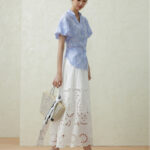
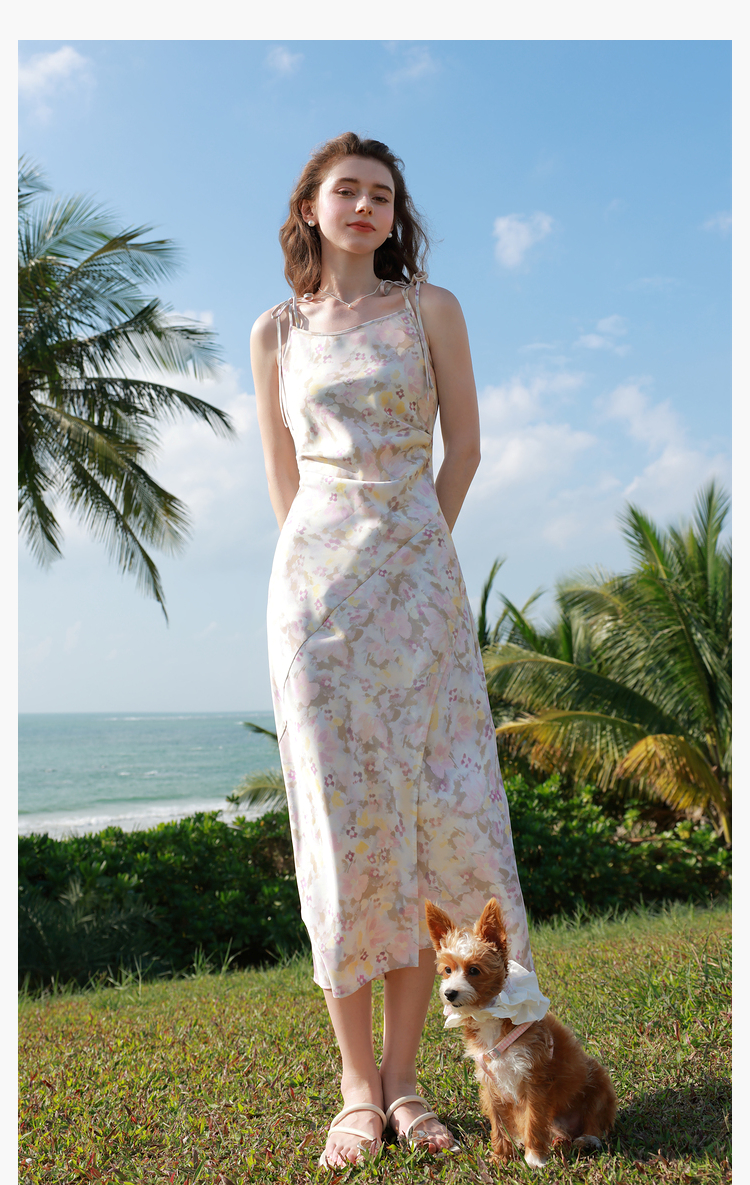
For daytime events, light plays a pivotal role. Your choice should harmonize with natural sunlight. Lighter colors, floral prints, and breathable fabrics come to the fore. A fit-and-flare dress in a pastel chiffon or a sleek shift dress with a geometric pattern embodies the daytime semi-formal spirit. As noted by numerous style guides from Vogue and Harper’s Bazaar, avoiding overly dark or sequined looks before dusk is a standard practice. The length is often at or just below the knee, allowing for ease of movement. Footwear shifts from stilettos to elegant block heels, wedges, or sophisticated flats. Consider the setting: a garden party necessitates fabrics that drape beautifully and won’t wilt in the sun, while a hotel brunch might allow for more structured pieces. The unifying principle is brightness and airiness. This is where the versatility of a well-chosen semi formal dresses for women shines; a simple linen-blend sheath can be elevated with statement jewelry for a wedding or paired with a classic blazer for a sophisticated luncheon.
Evening Engagements: Cocktail Parties, Galas, and Dinners
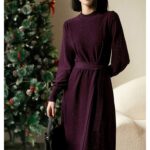
As the sun sets, the semi-formal palette deepens and shimmers. Evening calls for richer colors—navy, emerald, burgundy, metallics, or classic black. Fabrics gain a touch of luxury: velvet, satin, heavier crepe, or dresses with subtle beading or lace accents. The silhouette can become more dramatic—think a sleek slip dress, a dress with a statement sleeve, or a tailored jumpsuit (which has firmly entered the semi-formal canon). As film and literature show us, from Holly Golightly’s little black dress in “Breakfast at Tiffany’s” to the powerful pantsuits worn by female leads in modern political dramas, evening semi-formal is about controlled allure and confident presence. The length can vary from midi to tea-length, but full-length gowns typically step into formal territory. This is the realm of strategic sophistication, where your semi formal dresses for women becomes a tool for non-verbal communication, signaling readiness for an evening of social or professional engagement.
The Pillars of a Perfect Selection: Fit, Fabric, and Form
Beyond the occasion, three immutable pillars govern the success of any semi-formal look: Fit, Fabric, and Form. These are the non-negotiable elements that separate a good dress from a great one.
Fit: The Architecture of the Body
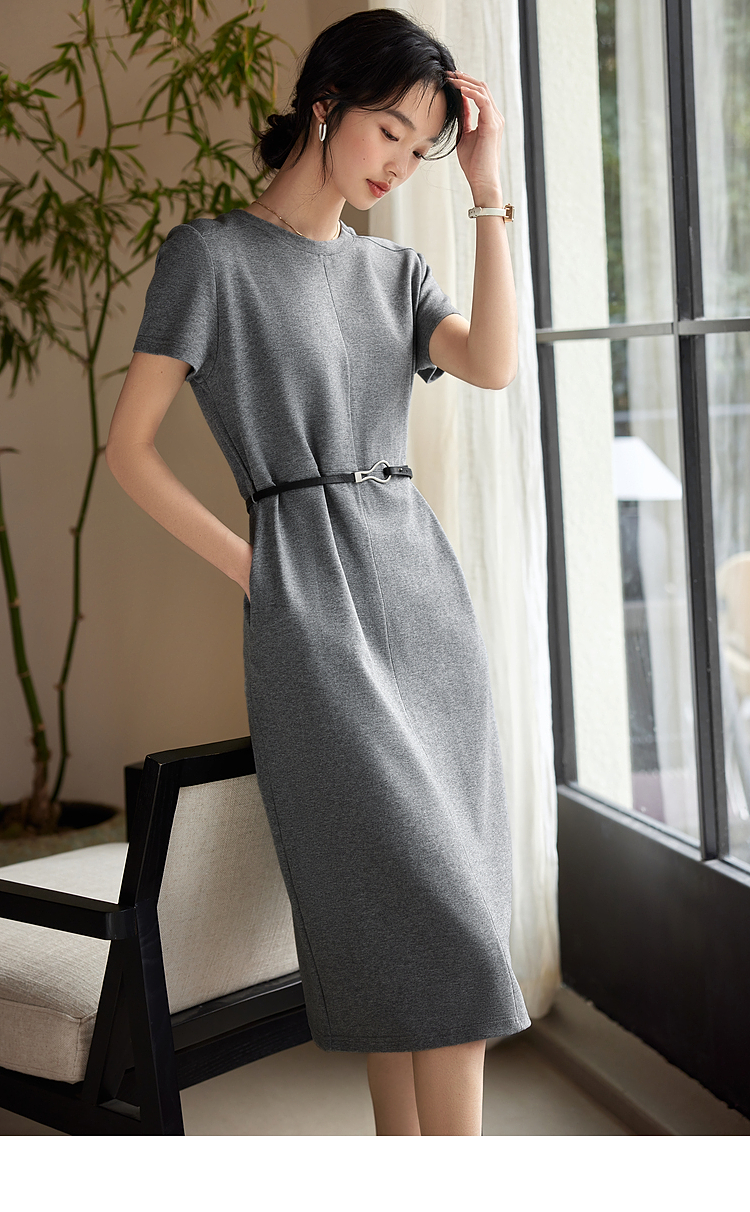
Fit is paramount. A dress that fits perfectly, skimming the body’s contours without pulling or gaping, appears exponentially more expensive and intentional. This isn’t about size, but about proportion. Renowned costume designer Edith Head famously stated, “Your dresses should be tight enough to show you’re a woman and loose enough to show you’re a lady.” This encapsulates the semi-formal balance. Invest in tailoring; a $100 dress that has been professionally altered will always outperform a $500 dress that fits poorly. Pay attention to key points: the shoulders should sit smoothly, the bust darts should point to the fullest part of the bust, the waistline should align with your natural waist, and the hem should be even. A well-fitted semi formal dresses for women acts as a second skin, granting the wearer unparalleled comfort and confidence, which is the ultimate accessory.
Fabric: The Language of Texture and Drape
Fabric communicates before you utter a word. Scientifically, the drape, weight, and luster of a fabric directly impact perception. A peer-reviewed study from the Department of Textile and Apparel Management at the University of Missouri highlights how fabric quality significantly influences perceived social status and competence. For semi-formal attire, natural fibers or high-quality blends are essential. Crepe offers a elegant, matte finish that drapes beautifully and resists wrinkles. Silk and its blends provide a luminous sheen and fluid movement. Wool crepe is a powerhouse for cooler months, offering structure and sophistication. Even high-quality polyester with a good weight and texture can be an excellent, budget-friendly choice. Avoid fabrics that are too thin, clingy, or prone to static. The right fabric ensures your dress looks impeccable from arrival to departure, embodying the “effortless” part of effortless chic.
Form: Silhouette as Personal Statement
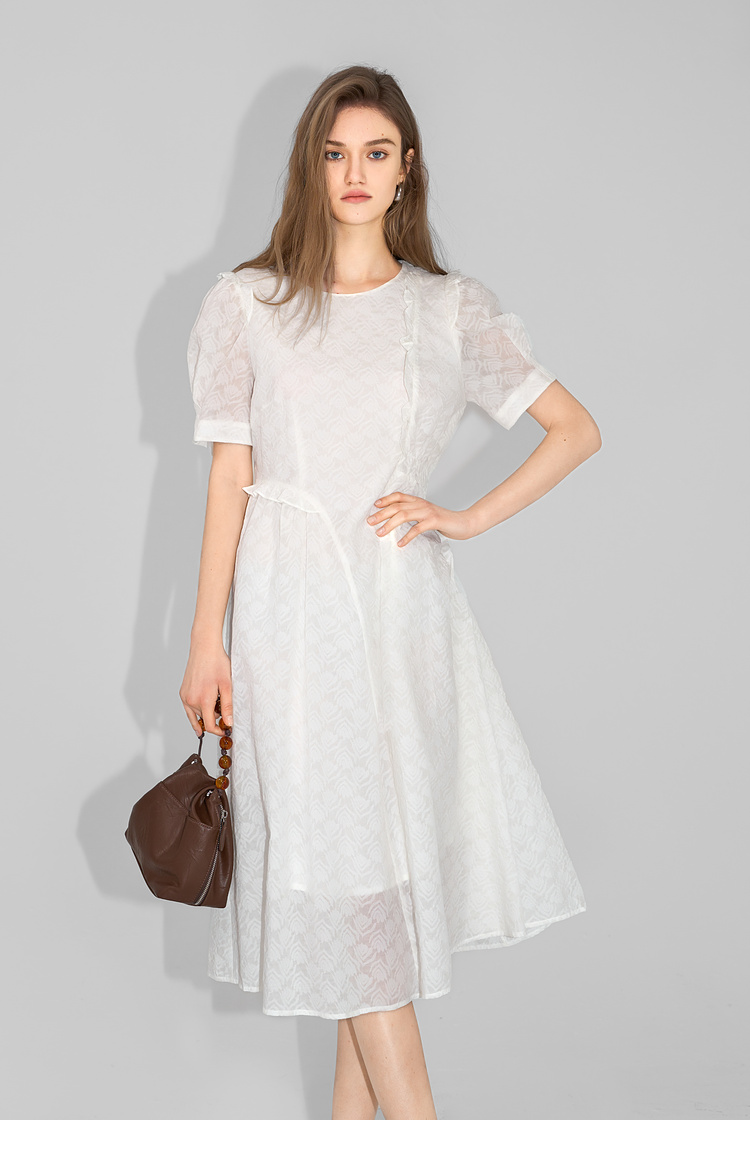
Form refers to the silhouette—the overall shape the dress creates. This is where personal style and body aesthetics intersect with the dress code. The A-line silhouette is universally flattering, cinching at the waist and flowing out, reminiscent of the iconic Dior “New Look.” The sheath dress offers a streamlined, modern column of fabric that exudes professionalism and grace. The fit-and-flare, with its fitted bodice and flared skirt, combines structure with femininity. The slip dress, when executed in a luxurious fabric, brings minimalist allure. There is no “best” silhouette; the best is the one that makes you feel most powerful and authentic. As fashion psychologist Dr. Dawnn Karen explores in her work, clothing directly impacts cognitive processes—a phenomenon known as “enclothed cognition.” Choosing a silhouette that aligns with your self-perception can genuinely enhance your presence and performance at an event.
The Synergy of Style: Accessories, Footwear, and Finishing Touches
A semi-formal dress is a canvas, and accessories are the artistry. The principle of “less is more” often applies, but “edited impact” is the true goal. A statement necklace can transform a simple sheath, while delicate jewelry complements a dress with intricate details. A classic clutch or structured mini-bag is functionally and aesthetically ideal. Footwear must bridge style and practicality; a sleek pump, an elegant sandal, or a sophisticated flat are all valid choices depending on the venue and duration. The final, often overlooked, touch is foundation garments. The right undergarments are not an afterthought but a foundational element. They ensure smooth lines, provide support, and prevent constant adjustment, allowing you to fully engage in the moment. This holistic approach to styling ensures your entire presentation is cohesive, considered, and commanding.
Curating Your Arsenal: A Strategic Wardrobe Approach
Building a versatile semi-formal wardrobe is an exercise in strategic investment. Instead of buying a new dress for every event, focus on acquiring a few high-quality, adaptable pieces. Start with a Little Black Dress (LBD) in a luxurious fabric—this is your sartorial anchor, as championed by style icons from Coco Chanel to Audrey Hepburn. Add a dress in a bold, solid color (like cobalt blue or emerald green) and one in a timeless print (such as a subtle floral or geometric). This trio provides a formidable foundation. To maximize value, leverage professional knowledge of sales cycles; end-of-season sales, holiday promotions, and flash sales from reputable retailers are ideal times to invest. Many high-end department stores and online boutiques offer significant discounts on previous-season styles that remain perfectly relevant. Remember, the cost-per-wear of a beautifully crafted, versatile semi formal dresses for women that you wear ten times is far lower than that of a trendy, poorly made dress worn once.
Mastering semi-formal attire is ultimately about mastering context and self-expression. It is the art of being appropriately remarkable. By understanding its historical and social underpinnings, respecting the pillars of fit, fabric, and form, and styling with intentionality, you transform the dress code from a constraint into a catalyst for confidence. Your wardrobe ceases to be a collection of garments for specific events and becomes a curated toolkit for navigating the social and professional world with grace, authority, and unmistakable personal style.